Fernandine Walls of Porto things to do, attractions, restaurants, events info and trip planning
Basic Info
Fernandine Walls of Porto
Escadas do Caminho Novo 17, 4000-173 Porto, Portugal
4.4(695)
Open 24 hours
Save
spot
spot
Ratings & Description
Info
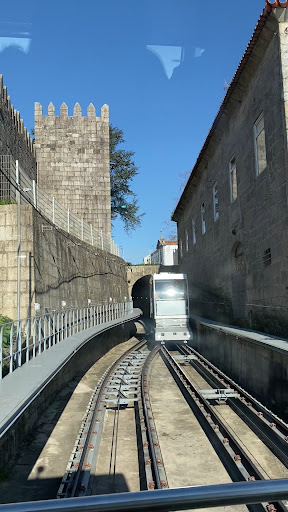
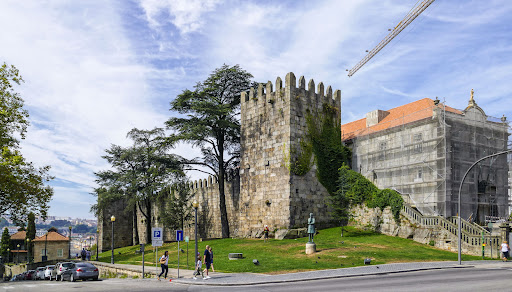
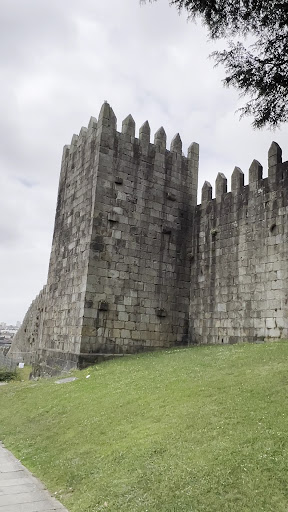
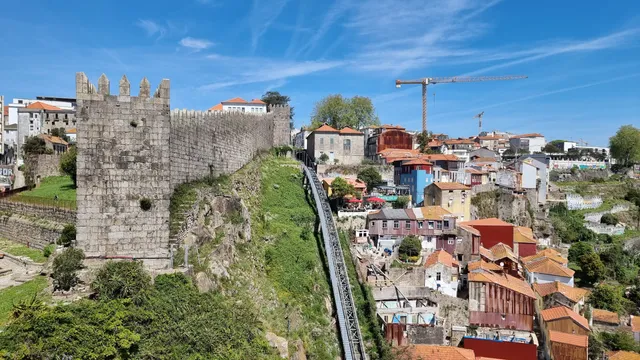
The Walls of Dom Fernando, or Fernandine Walls, are medieval fortifications located in the civil parish of Cedofeita, Santo Ildefonso, Sé, Miragaia, São Nicolau e Vitória, in the municipality of Porto, Portuguese Porto.
Cultural
Scenic
Outdoor
attractions: Luís I Bridge, Igreja de Santa Clara, Episcopal Palace of Porto, Muralha Primitiva do Porto, Burmester, Porto Cathedral, Jardim do Morro, Pillory of Porto, Caves Cálem, Statue of Vímara Peres, restaurants: Guindalense Football Club, My Coffee Porto, À Bolina, Bacchus vini, Restaurante Chinês, Ponte Pensil, Restaurante Mercearia, Restaurante Avó Maria, Porto Escondido, Fiume Douro, local businesses: Funicular dos Guindais, Paço Episcopal do Porto - Episcopal Palace, Jardim do Morro, Mosteiro da Serra do Pilar, Porto São Bento, Gaia Cable Car - Jardim do Morro station, Ponte Luíz I, Praça da Batalha, Estação de São Bento, São Bento station
 Learn more insights from Wanderboat AI.
Website
360porto.com
Plan your stay

Pet-friendly Hotels in Porto
Find a cozy hotel nearby and make it a full experience.

Affordable Hotels in Porto
Find a cozy hotel nearby and make it a full experience.

The Coolest Hotels You Haven't Heard Of (Yet)
Find a cozy hotel nearby and make it a full experience.

Trending Stays Worth the Hype in Porto
Find a cozy hotel nearby and make it a full experience.
Reviews
Live events
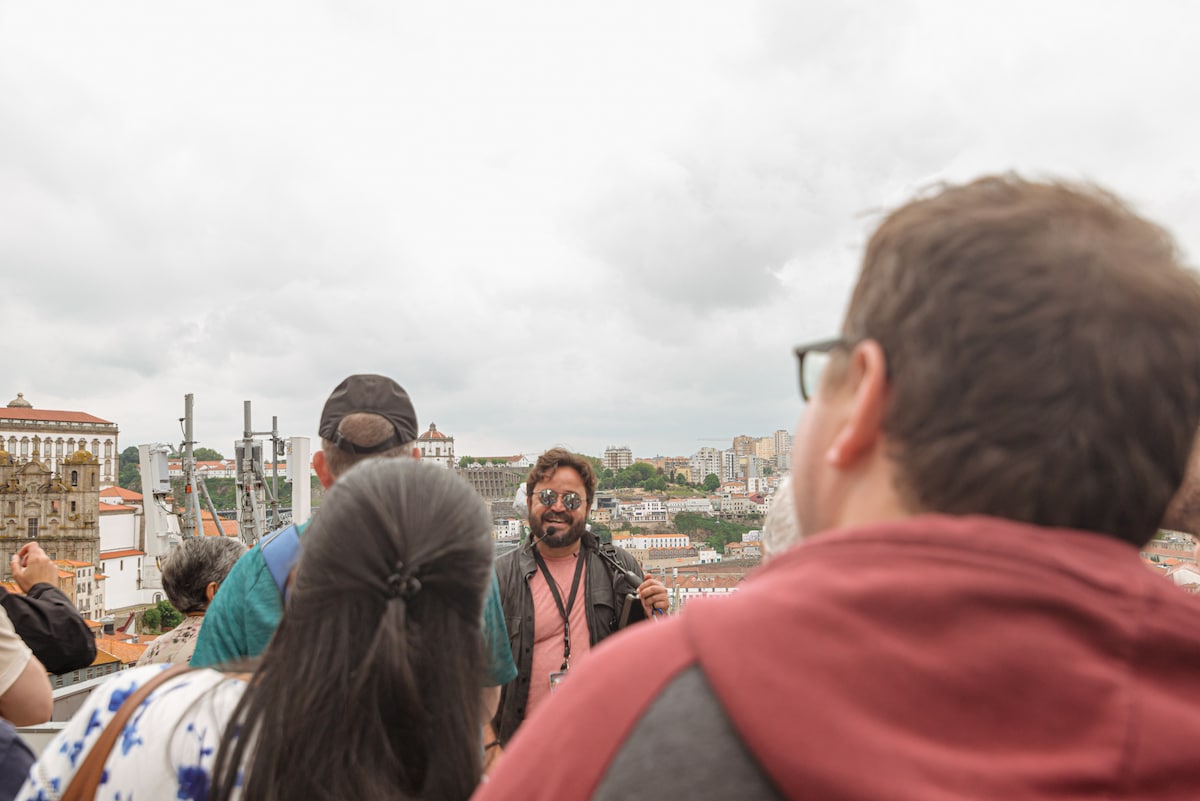
Uncover Portos history with a local guide
Mon, Feb 16 • 10:00 AM
4050-161, Porto, Portugal
View details

Douro sailing experience & wine tasting
Mon, Feb 16 • 11:00 AM
4400-354, Vila Nova de Gaia, Portugal
View details
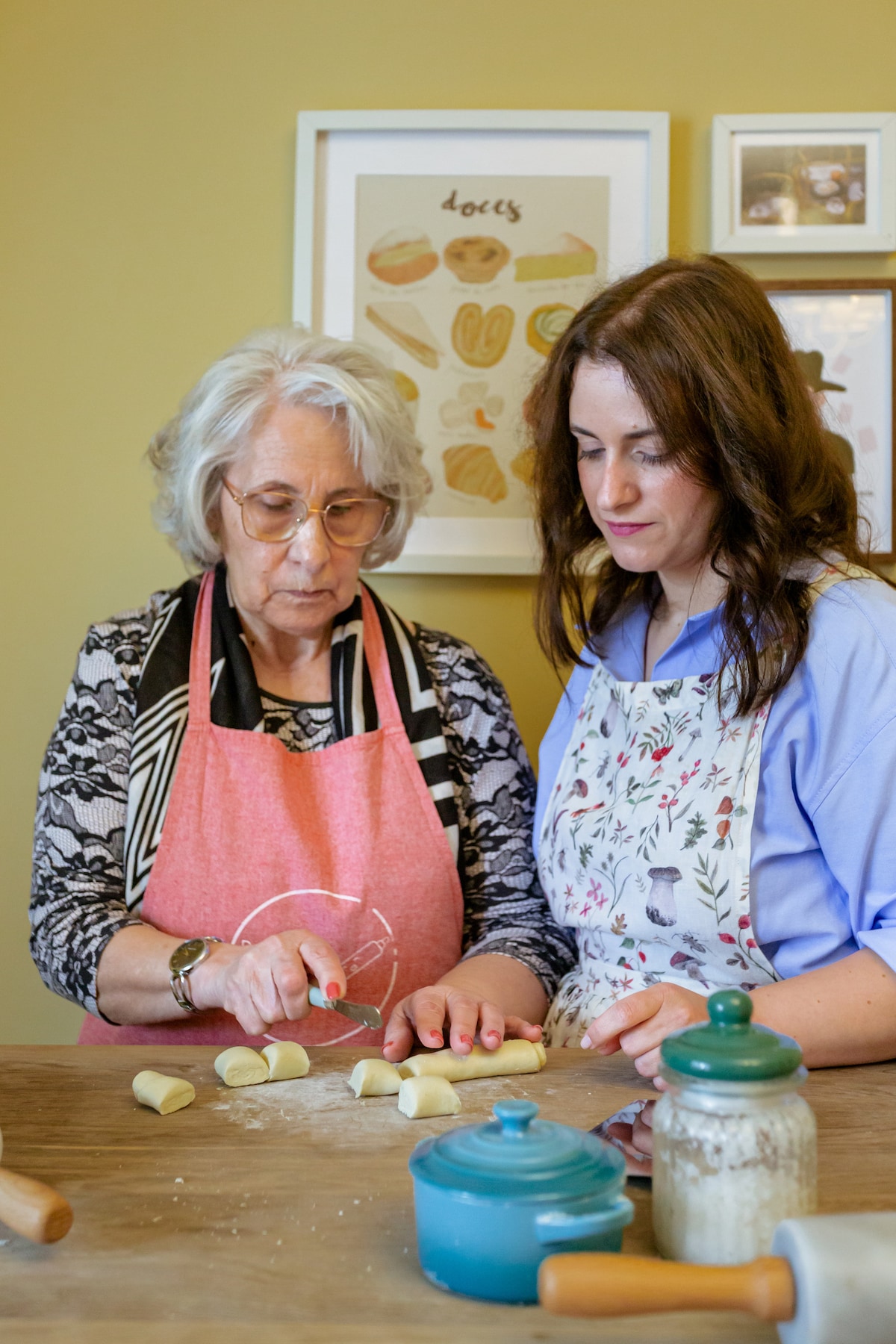
Learn to make Pastel de Nata
Wed, Feb 18 • 10:00 AM
4510-551, Fânzeres, Portugal
View details
Nearby attractions of Fernandine Walls of Porto
Luís I Bridge
Igreja de Santa Clara
Episcopal Palace of Porto
Muralha Primitiva do Porto
Burmester
Porto Cathedral
Jardim do Morro
Pillory of Porto
Caves Cálem
Statue of Vímara Peres
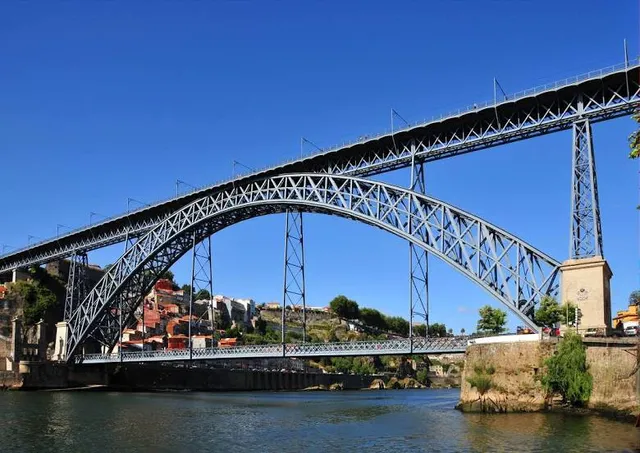
Luís I Bridge
4.8
(29.7K)
Open 24 hours
Click for details
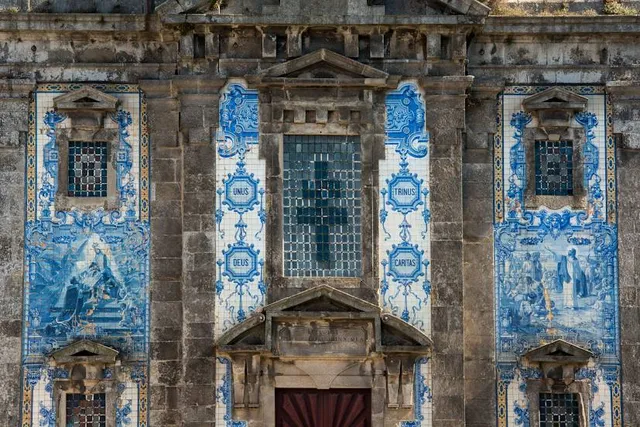
Igreja de Santa Clara
4.7
(772)
Closed
Click for details
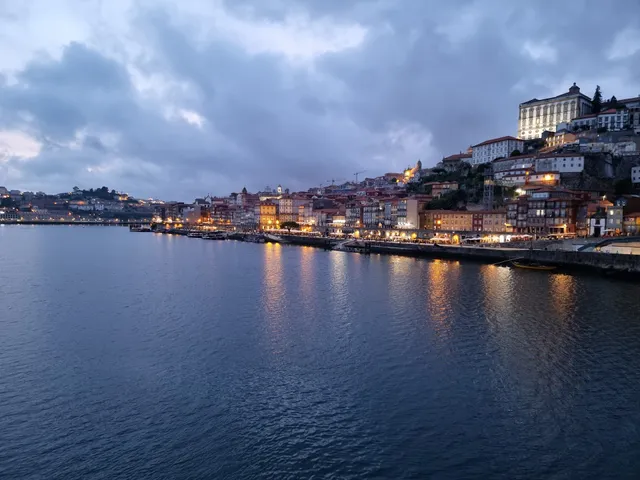
Episcopal Palace of Porto
4.4
(366)
Open until 12:00 AM
Click for details
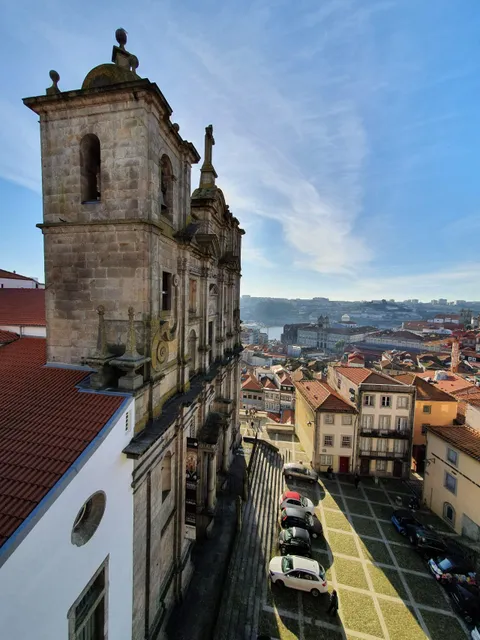
Muralha Primitiva do Porto
4.4
(248)
Open 24 hours
Click for details
Nearby restaurants of Fernandine Walls of Porto
Guindalense Football Club
My Coffee Porto
À Bolina
Bacchus vini
Restaurante Chinês
Ponte Pensil
Restaurante Mercearia
Restaurante Avó Maria
Porto Escondido
Fiume Douro
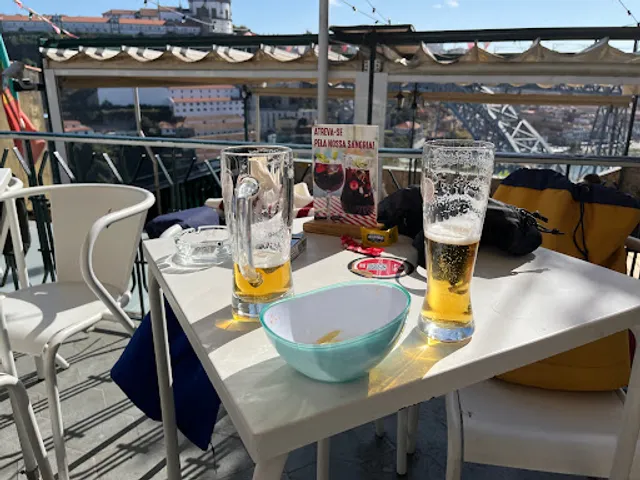
Guindalense Football Club
4.5
(1.3K)
Open until 12:00 AM
Click for details
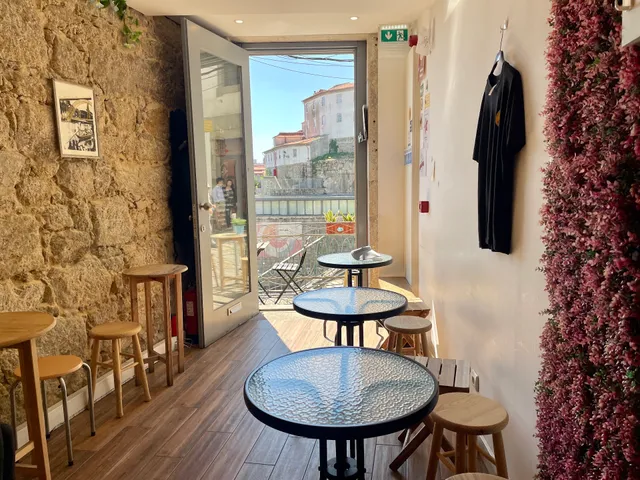
My Coffee Porto
4.5
(803)
Closed
Click for details
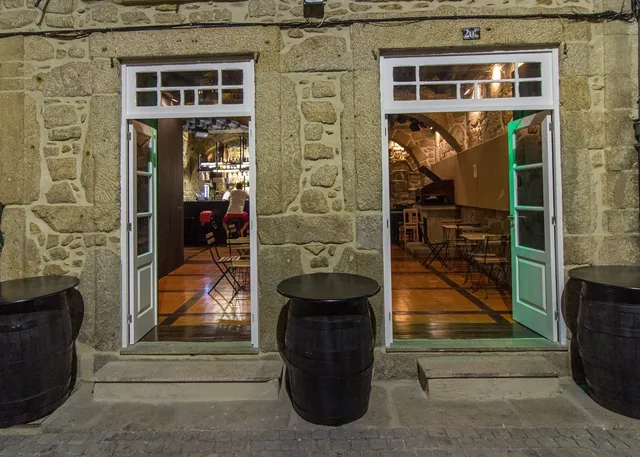
À Bolina
4.8
(1.2K)
Open until 12:00 AM
Click for details
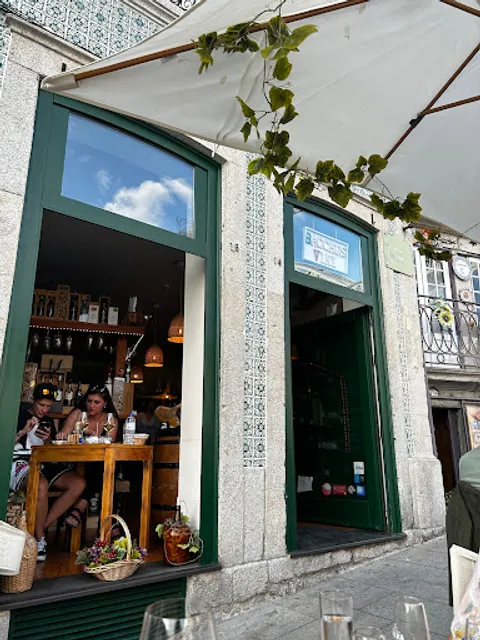
Bacchus vini
4.8
(476)
$$
Open until 12:00 AM
Click for details
Nearby local services of Fernandine Walls of Porto
Funicular dos Guindais
Paço Episcopal do Porto - Episcopal Palace
Jardim do Morro
Mosteiro da Serra do Pilar
Porto São Bento
Gaia Cable Car - Jardim do Morro station
Ponte Luíz I
Praça da Batalha
Estação de São Bento
São Bento station
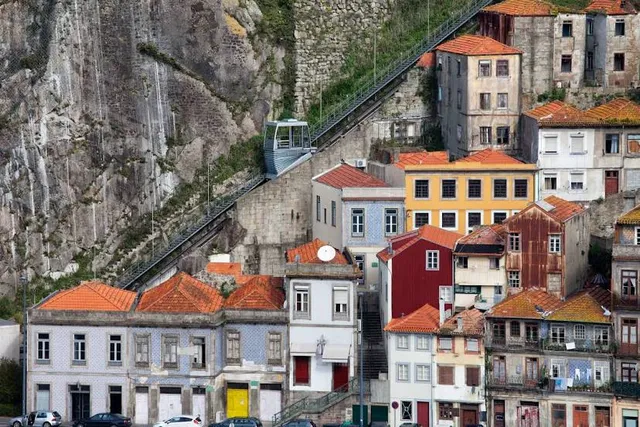
Funicular dos Guindais
3.8
(700)
Click for details
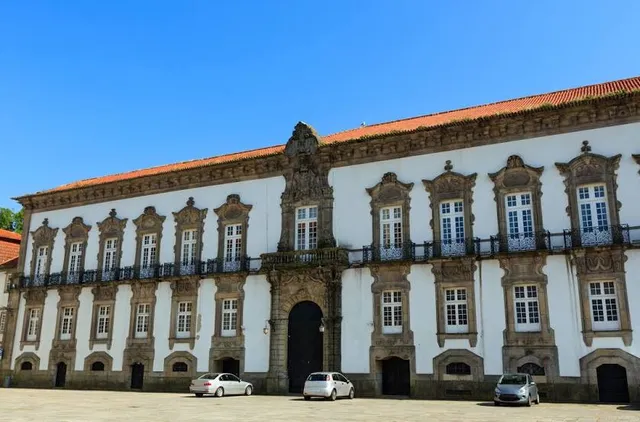
Paço Episcopal do Porto - Episcopal Palace
4.3
(274)
Click for details
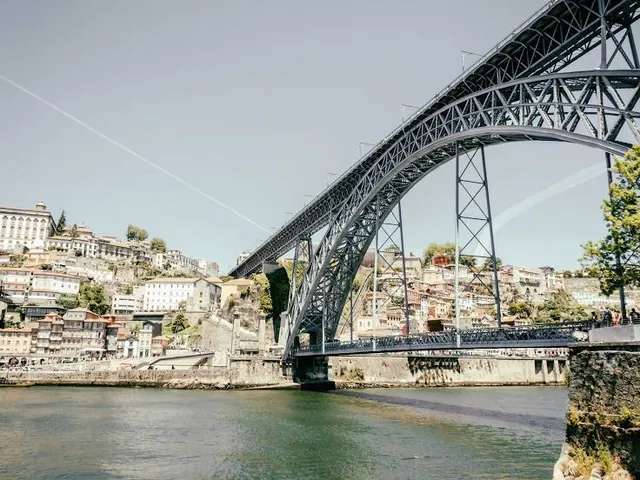
Jardim do Morro
4.7
(10.1K)
Click for details
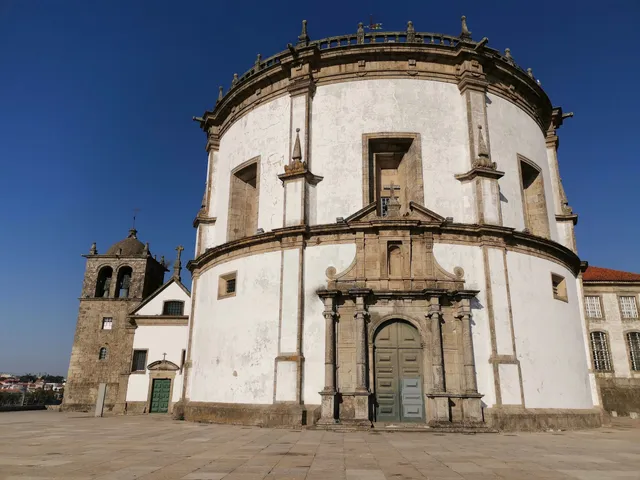
Mosteiro da Serra do Pilar
4.5
(1.2K)
Click for details