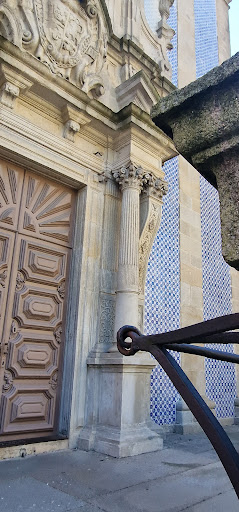
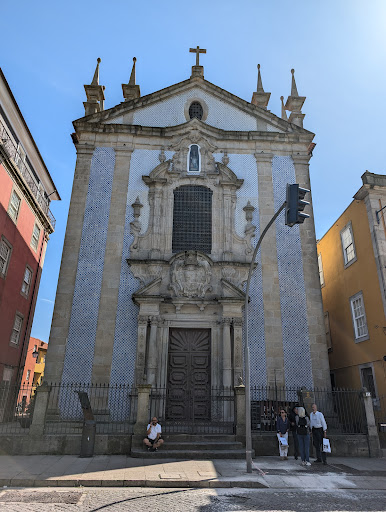
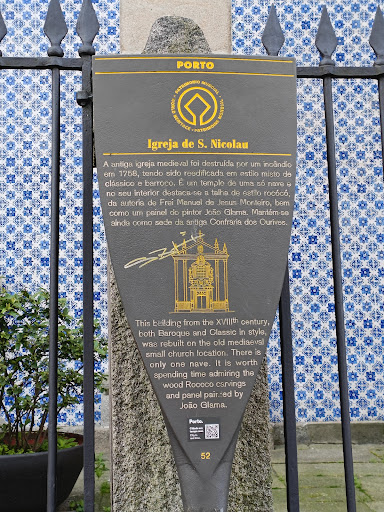
Parish Church of St. Nicholas things to do, attractions, restaurants, events info and trip planning
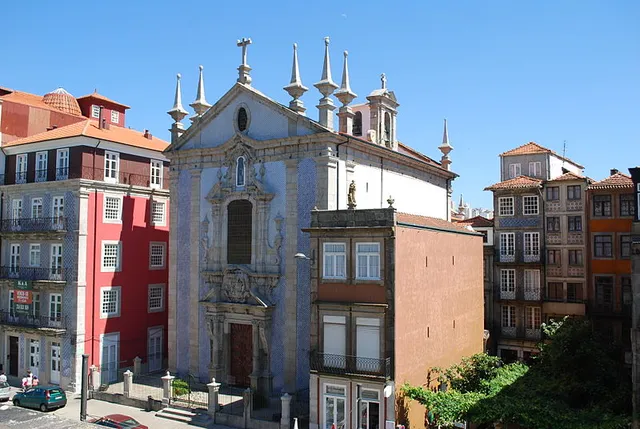
Basic Info
Parish Church of St. Nicholas
R. do Infante Dom Henrique 93, 4050-298 Porto, Portugal
4.4(127)
Closed
Save
spot
spot
Ratings & Description
Info
Cultural
Accessibility
attractions: Bolsa Palace, Church of Saint Francis, Mercado Ferreira Borges, Miradouro da Vitória, Luís I Bridge, Fado na Baixa, Capela de Nossa Senhora do Ó, Webcam Ribeira Porto, Order of St. Francis Museum, Porto Puppet Museum, restaurants: Adega São Nicolau, Bacalhau, A Grade, Muro do Bacalhau, Terreiro, Vinhas d'Alho, Pimms Café, Restaurante RC, Grupo Desportivo Infante Dom Henrique, Wine Quay Bar (Porto), local businesses: Museu do Porto - Museu do Vinho do Porto, Porto Museum—Casa do Infante, Lado Wines Ribeira - Porto & Douro Wine Bar & Tastings by AVEPOD, R. da Fonte Taurina 59, Oratory of San Francisco, Igreja da Misericórdia, Nomadik Lounge Bar, Paço Episcopal do Porto - Episcopal Palace, Parque de las Virtudes, Convento dos Grilos
 Learn more insights from Wanderboat AI.
Phone
+351 22 200 4486
Website
facebook.com
Open hoursSee all hours
Thu9 AM - 12 PM, 4 - 8 PMClosed
Plan your stay

Pet-friendly Hotels in Porto
Find a cozy hotel nearby and make it a full experience.

Affordable Hotels in Porto
Find a cozy hotel nearby and make it a full experience.

The Coolest Hotels You Haven't Heard Of (Yet)
Find a cozy hotel nearby and make it a full experience.

Trending Stays Worth the Hype in Porto
Find a cozy hotel nearby and make it a full experience.
Reviews
Live events
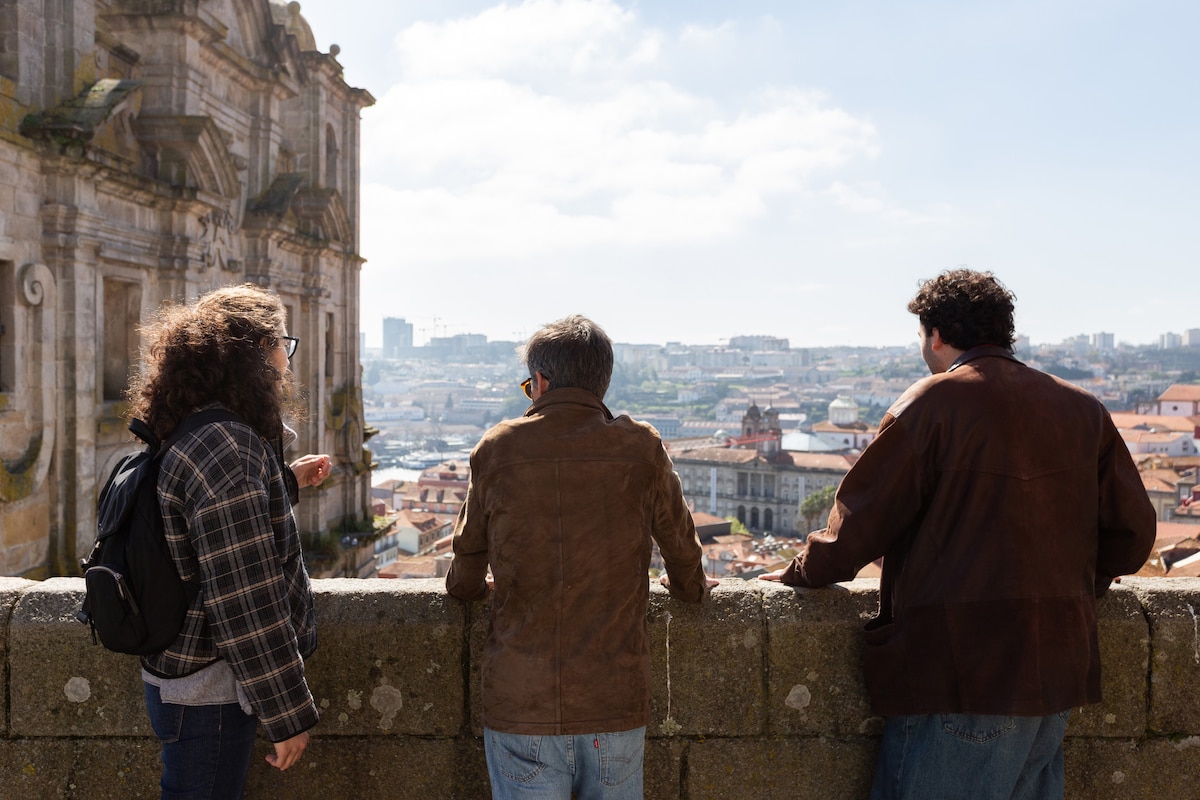
Travel back in time to Portos roots
Thu, Jan 29 • 10:00 AM
4000-013, Porto, Portugal
View details
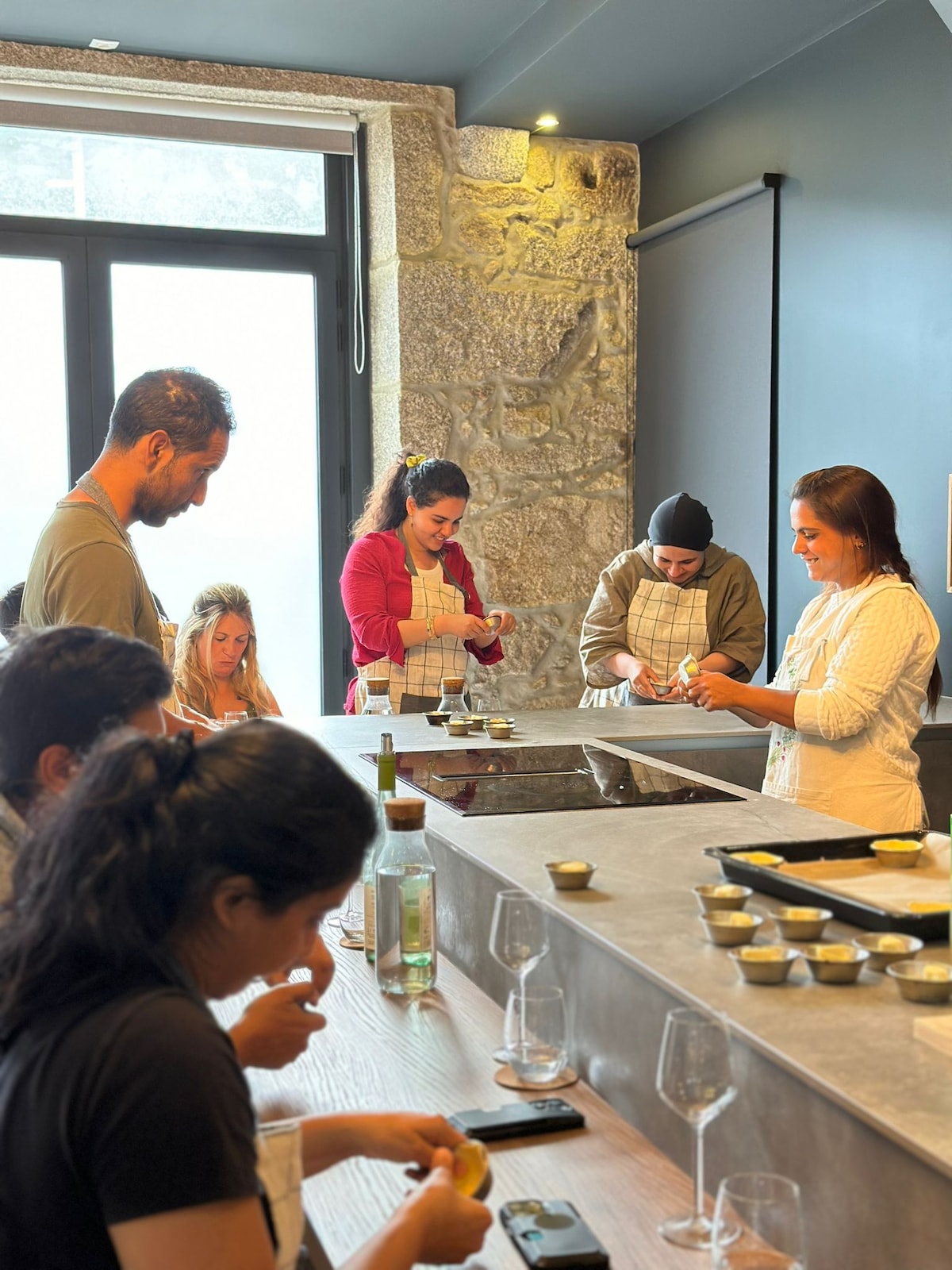
Pastel de Nata workshop from scratch
Thu, Jan 29 • 2:30 PM
4430-999, Vila Nova de Gaia, Portugal
View details
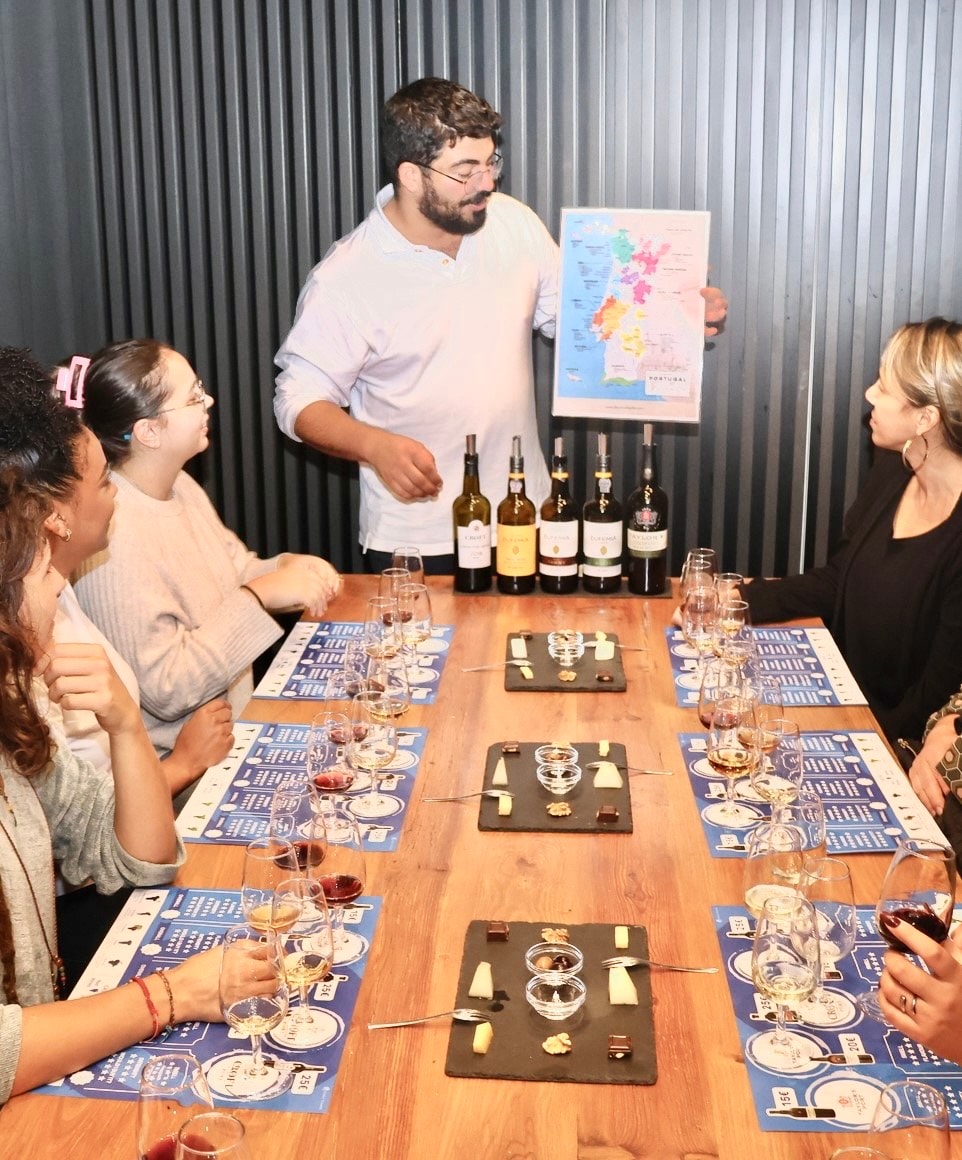
Taste five port wines, with pairings
Thu, Jan 29 • 2:00 PM
4050-593, Porto, Portugal
View details
Nearby attractions of Parish Church of St. Nicholas
Bolsa Palace
Church of Saint Francis
Mercado Ferreira Borges
Miradouro da Vitória
Luís I Bridge
Fado na Baixa
Capela de Nossa Senhora do Ó
Webcam Ribeira Porto
Order of St. Francis Museum
Porto Puppet Museum
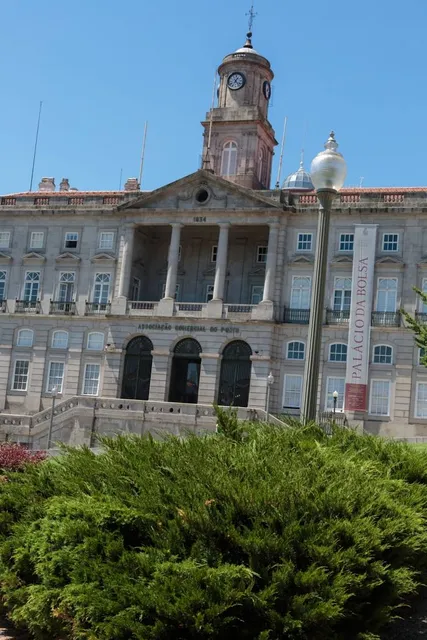
Bolsa Palace
4.5
(5.3K)
Closed
Click for details
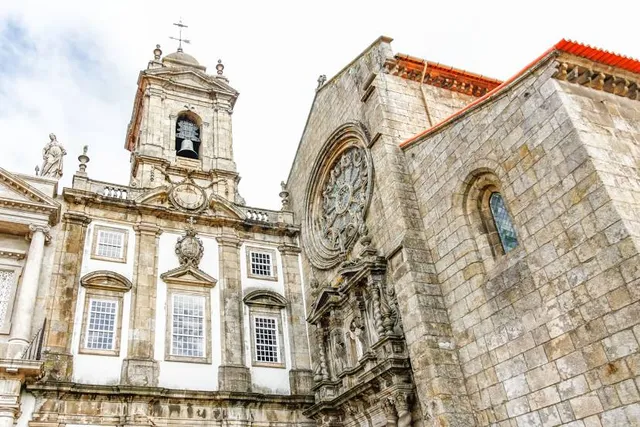
Church of Saint Francis
4.4
(3.8K)
Closed
Click for details
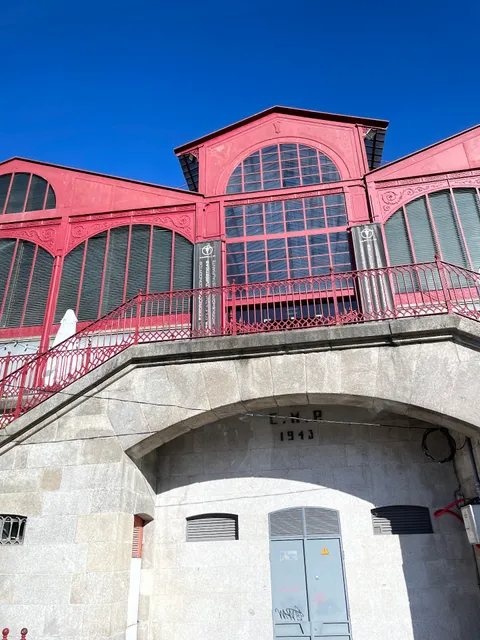
Mercado Ferreira Borges
4.0
(896)
Closed
Click for details
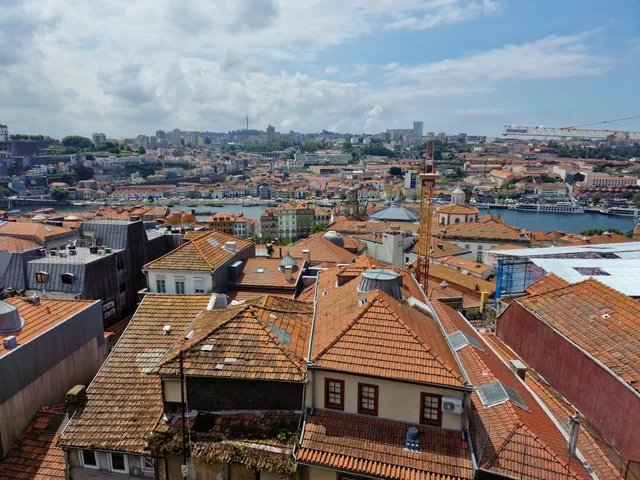
Miradouro da Vitória
4.5
(2.8K)
Closed
Click for details
Nearby restaurants of Parish Church of St. Nicholas
Adega São Nicolau
Bacalhau
A Grade
Muro do Bacalhau
Terreiro
Vinhas d'Alho
Pimms Café
Restaurante RC
Grupo Desportivo Infante Dom Henrique
Wine Quay Bar (Porto)
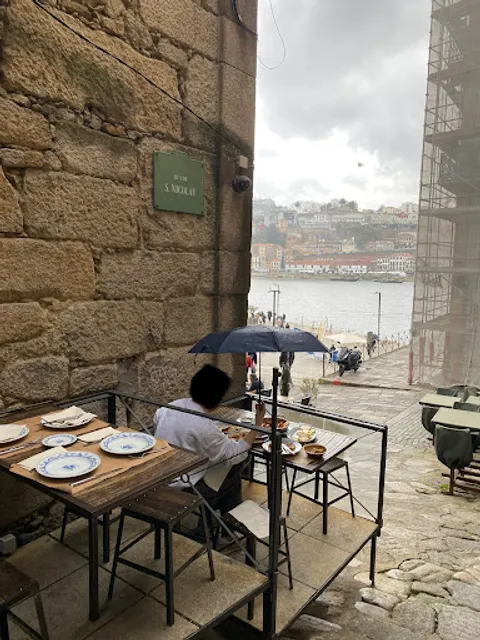
Adega São Nicolau
4.3
(1.7K)
$$
Click for details
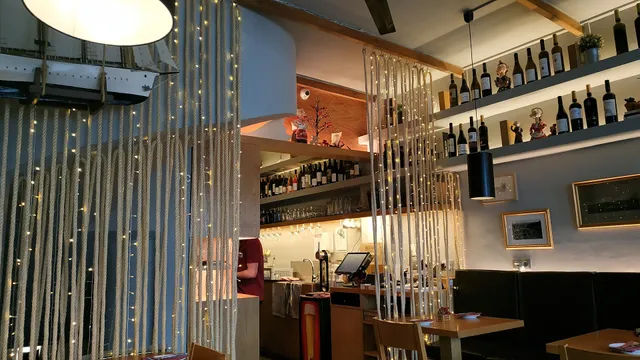
Bacalhau
4.5
(1.9K)
$$
Closed
Click for details
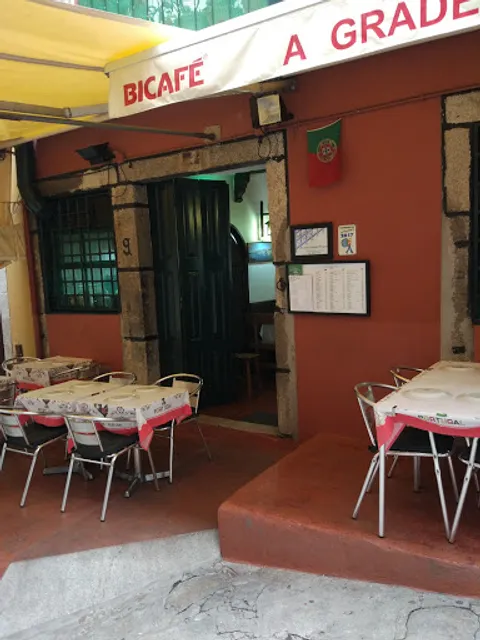
A Grade
4.5
(960)
$$
Closed
Click for details
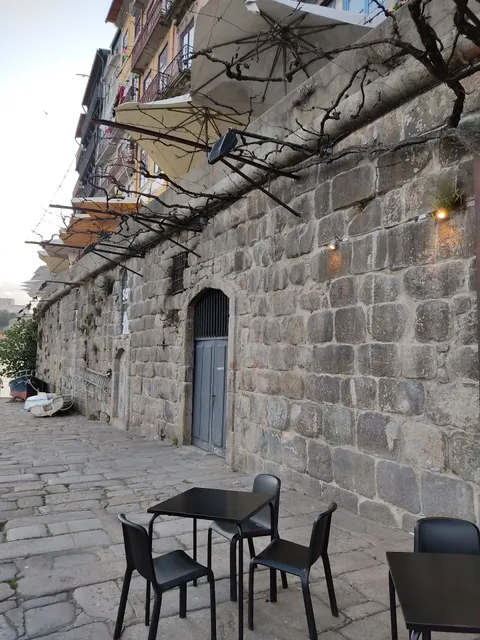
Muro do Bacalhau
4.6
(1.5K)
$$
Closed
Click for details
Nearby local services of Parish Church of St. Nicholas
Museu do Porto - Museu do Vinho do Porto
Porto Museum—Casa do Infante
Lado Wines Ribeira - Porto & Douro Wine Bar & Tastings by AVEPOD
R. da Fonte Taurina 59
Oratory of San Francisco
Igreja da Misericórdia
Nomadik Lounge Bar
Paço Episcopal do Porto - Episcopal Palace
Parque de las Virtudes
Convento dos Grilos
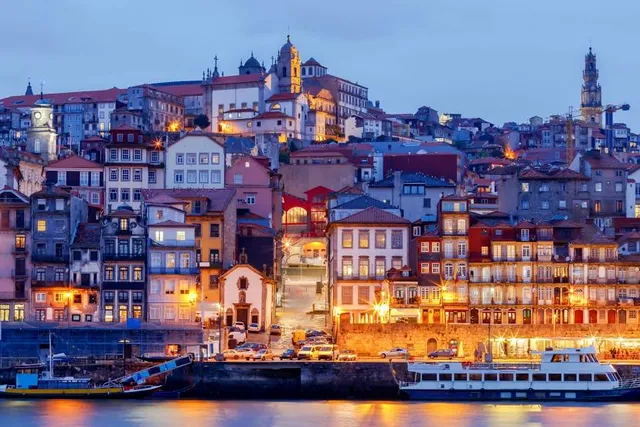
Museu do Porto - Museu do Vinho do Porto
3.8
(321)
Click for details
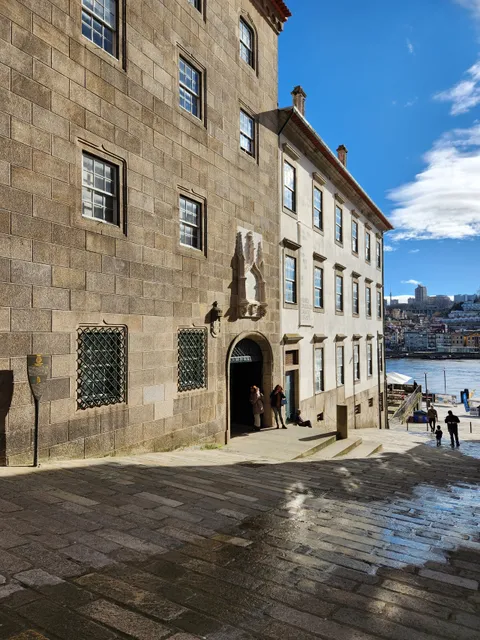
Porto Museum—Casa do Infante
4.4
(221)
Click for details
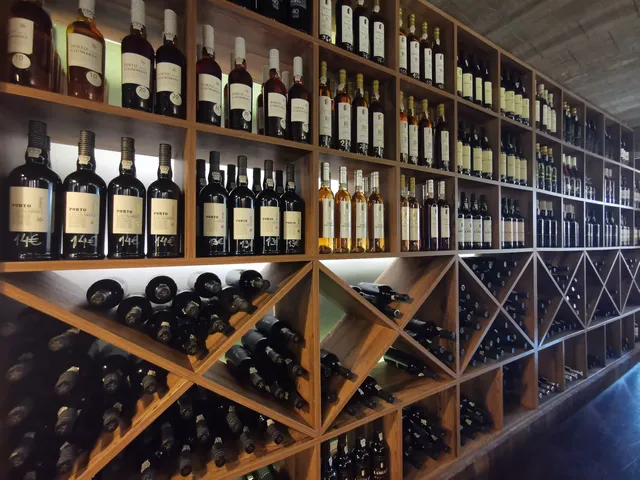
Lado Wines Ribeira - Porto & Douro Wine Bar & Tastings by AVEPOD
4.7
(197)
Click for details
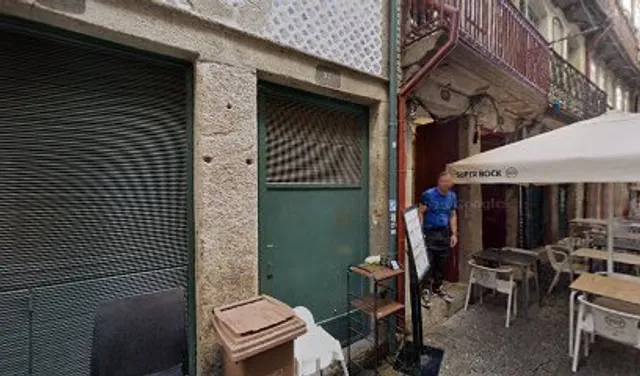
R. da Fonte Taurina 59
3.3
(200)
Click for details