Convento dos Grilos things to do, attractions, restaurants, events info and trip planning

Basic Info
Convento dos Grilos
Porto, Portugal
4.6(54)
Save
spot
spot
Ratings & Description
Info
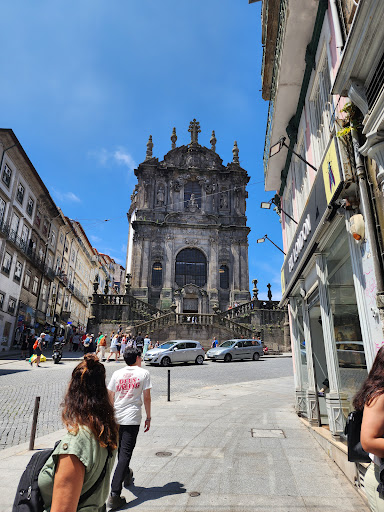
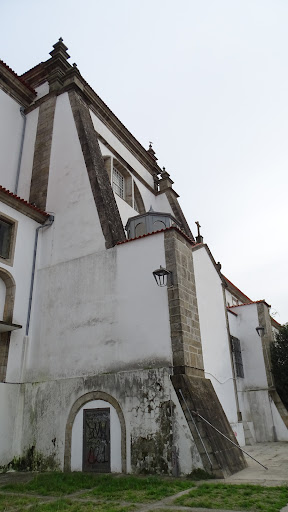
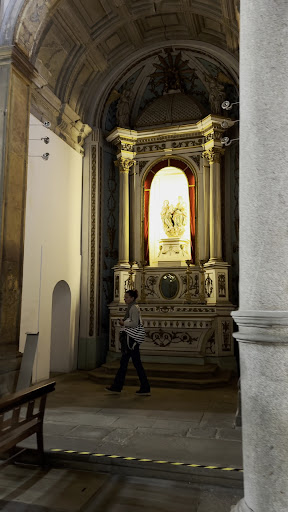
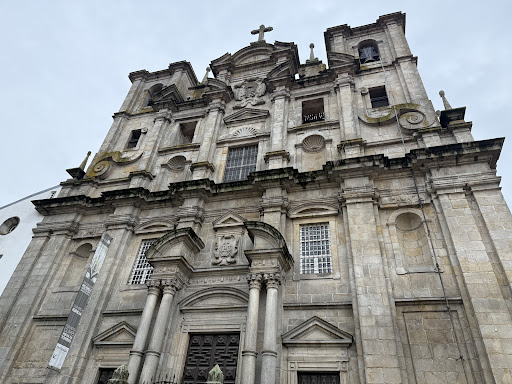
Igreja dos Grilos is a church and convent in Porto, Portugal.
Cultural
Family friendly
Accessibility
attractions: Luís I Bridge, Episcopal Palace of Porto, Bolsa Palace, Porto Tourism Office - Sé, Saint Lawrence Church, Fado na Baixa, Pillory of Porto, Mercado Ferreira Borges, Miradouro da Vitória, Church of Saint Francis, restaurants: The Wine Box, Taberna Dos Mercadores, Casa da Mariquinhas - Fado Porto Est. 1968, Sagardi Porto, Porto Á Noite, Ribeira Square, Prégar Baixa, Local Food Experience, Português de Gema, Orpheu Porto - Tapas & Cocktails, local businesses: Paço Episcopal do Porto - Episcopal Palace, MASA - Museu de Arte Sacra e Arqueologia, Igreja da Misericórdia, Porto Museum—Casa do Infante, R. das Flores, R. da Fonte Taurina 59, Lado Wines Ribeira - Porto & Douro Wine Bar & Tastings by AVEPOD, Funicular dos Guindais, Nomadik Lounge Bar, Loja das Conservas
 Learn more insights from Wanderboat AI.
Website
agendaculturalporto.org
Plan your stay

Pet-friendly Hotels in Porto
Find a cozy hotel nearby and make it a full experience.

Affordable Hotels in Porto
Find a cozy hotel nearby and make it a full experience.

The Coolest Hotels You Haven't Heard Of (Yet)
Find a cozy hotel nearby and make it a full experience.

Trending Stays Worth the Hype in Porto
Find a cozy hotel nearby and make it a full experience.
Reviews
Live events

Uncover Portos history with a local guide
Mon, Feb 16 • 10:00 AM
4050-161, Porto, Portugal
View details

Douro sailing experience & wine tasting
Mon, Feb 16 • 11:00 AM
4400-354, Vila Nova de Gaia, Portugal
View details
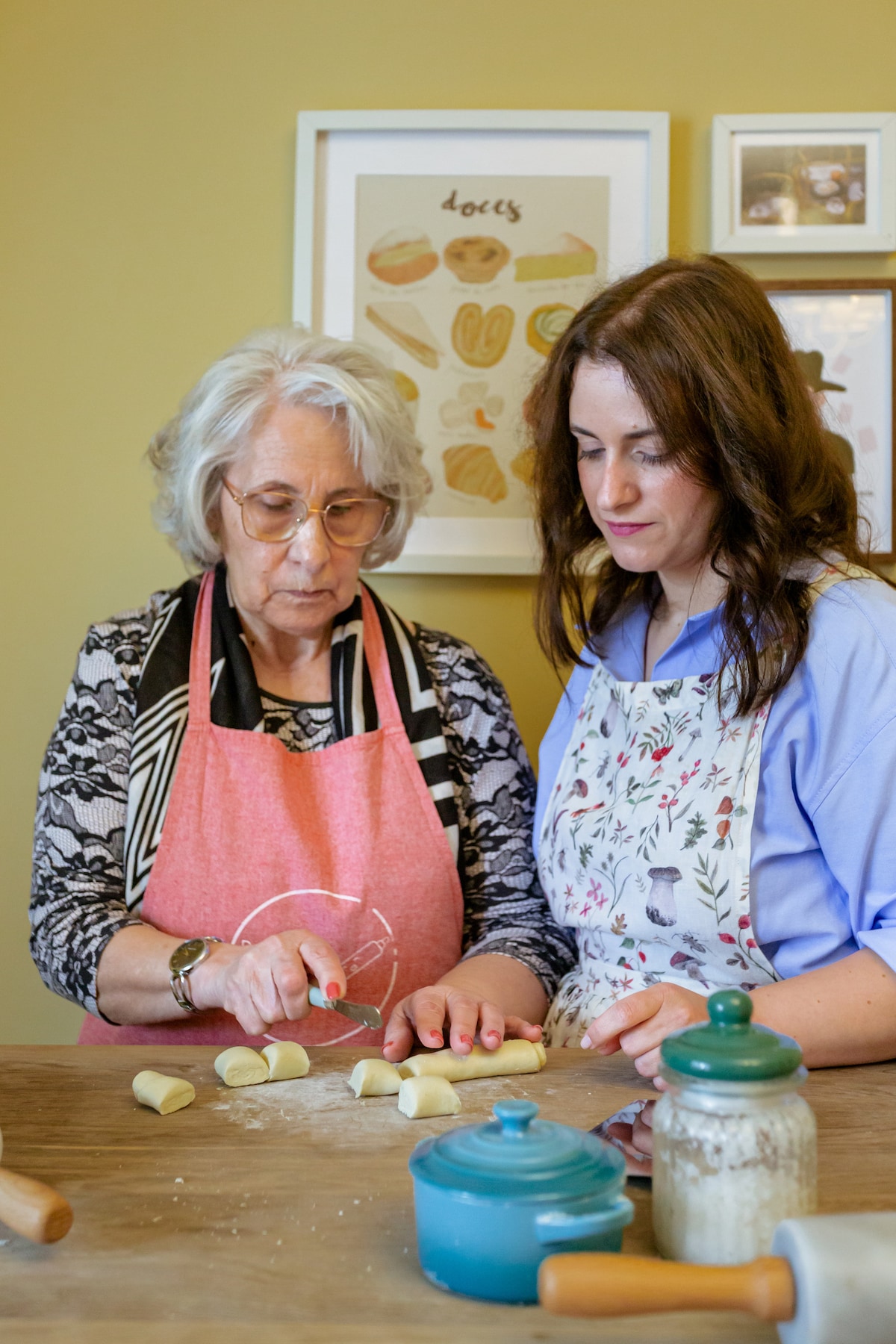
Learn to make Pastel de Nata
Wed, Feb 18 • 10:00 AM
4510-551, Fânzeres, Portugal
View details
Nearby attractions of Convento dos Grilos
Luís I Bridge
Episcopal Palace of Porto
Bolsa Palace
Porto Tourism Office - Sé
Saint Lawrence Church
Fado na Baixa
Pillory of Porto
Mercado Ferreira Borges
Miradouro da Vitória
Church of Saint Francis

Luís I Bridge
4.8
(29.7K)
Open 24 hours
Click for details
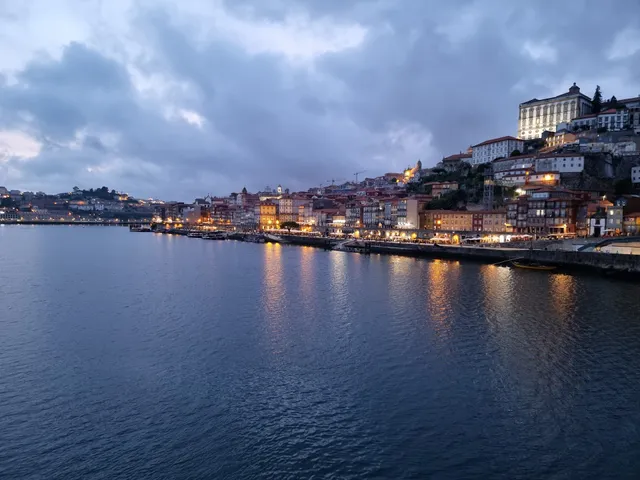
Episcopal Palace of Porto
4.4
(366)
Open until 12:00 AM
Click for details
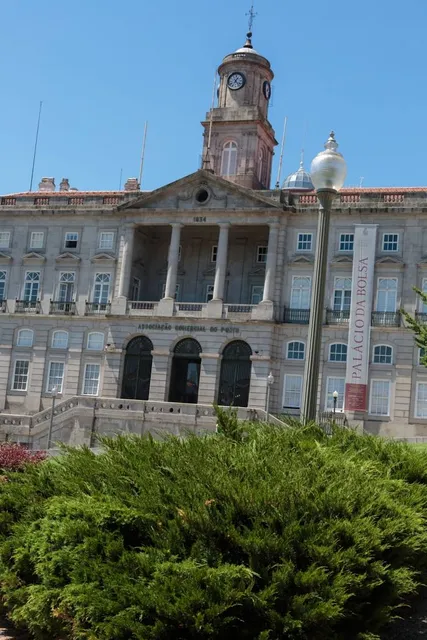
Bolsa Palace
4.5
(5.3K)
Closed
Click for details

Porto Tourism Office - Sé
4.2
(300)
Closed
Click for details
Nearby restaurants of Convento dos Grilos
The Wine Box
Taberna Dos Mercadores
Casa da Mariquinhas - Fado Porto Est. 1968
Sagardi Porto
Porto Á Noite
Ribeira Square
Prégar Baixa
Local Food Experience
Português de Gema
Orpheu Porto - Tapas & Cocktails
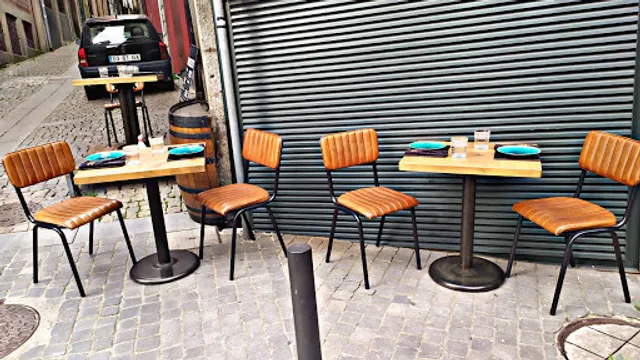
The Wine Box
4.4
(1.2K)
$$
Closed
Click for details
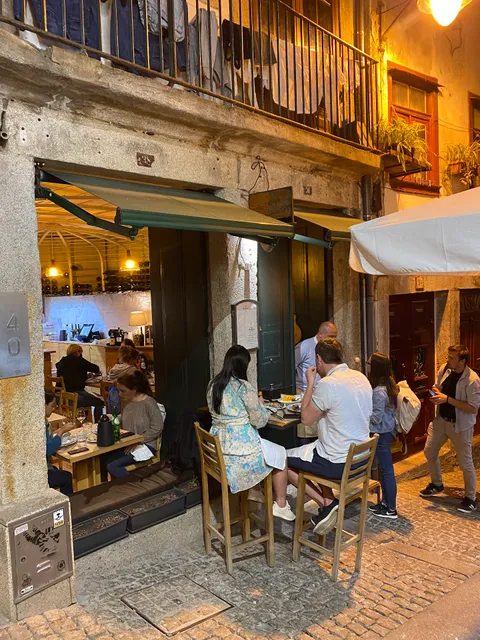
Taberna Dos Mercadores
4.5
(1.7K)
$$
Closed
Click for details
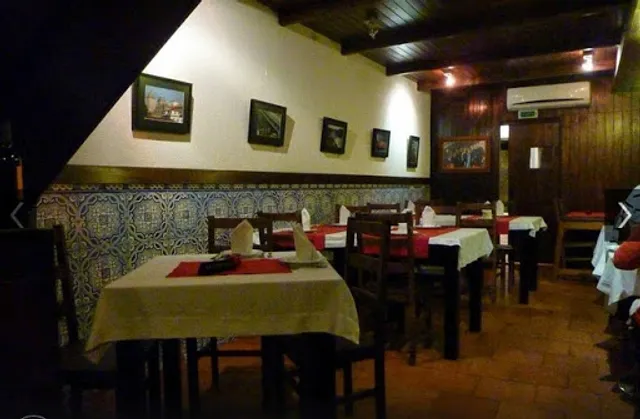
Casa da Mariquinhas - Fado Porto Est. 1968
4.4
(614)
Open until 12:00 AM
Click for details
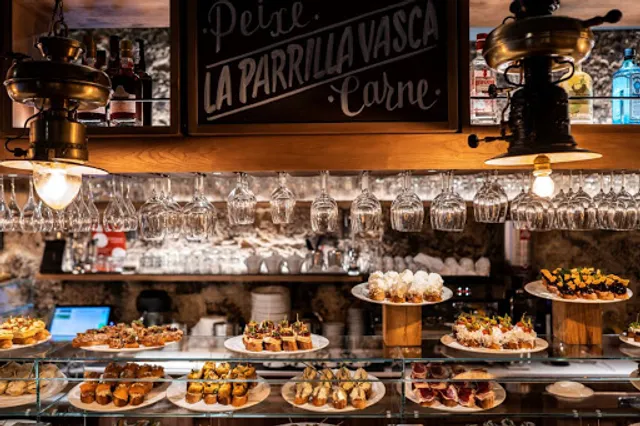
Sagardi Porto
4.2
(800)
$$
Closed
Click for details
Nearby local services of Convento dos Grilos
Paço Episcopal do Porto - Episcopal Palace
MASA - Museu de Arte Sacra e Arqueologia
Igreja da Misericórdia
Porto Museum—Casa do Infante
R. das Flores
R. da Fonte Taurina 59
Lado Wines Ribeira - Porto & Douro Wine Bar & Tastings by AVEPOD
Funicular dos Guindais
Nomadik Lounge Bar
Loja das Conservas
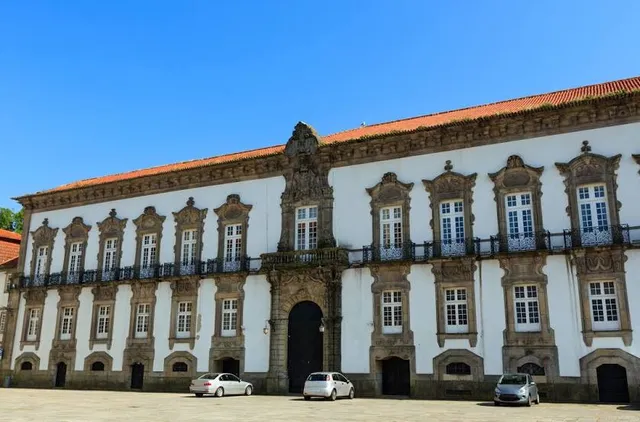
Paço Episcopal do Porto - Episcopal Palace
4.3
(274)
Click for details
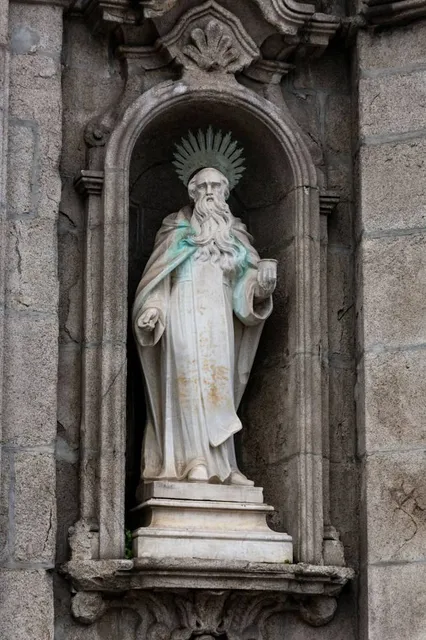
MASA - Museu de Arte Sacra e Arqueologia
4.3
(29)
Click for details
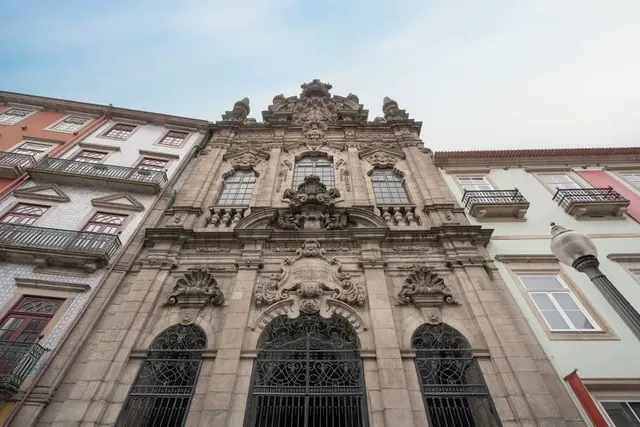
Igreja da Misericórdia
4.4
(588)
Click for details
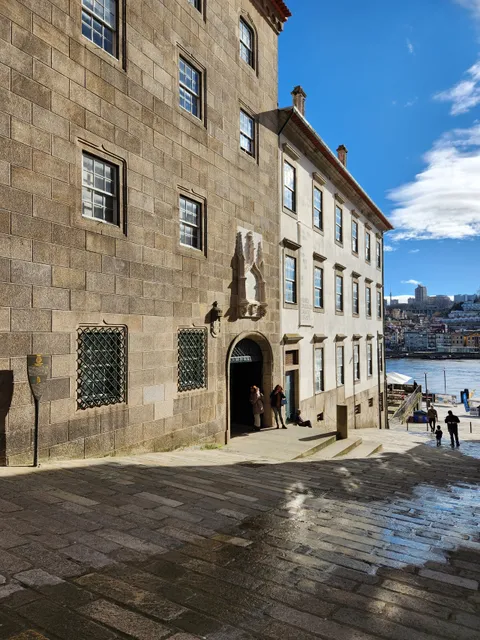
Porto Museum—Casa do Infante
4.4
(221)
Click for details