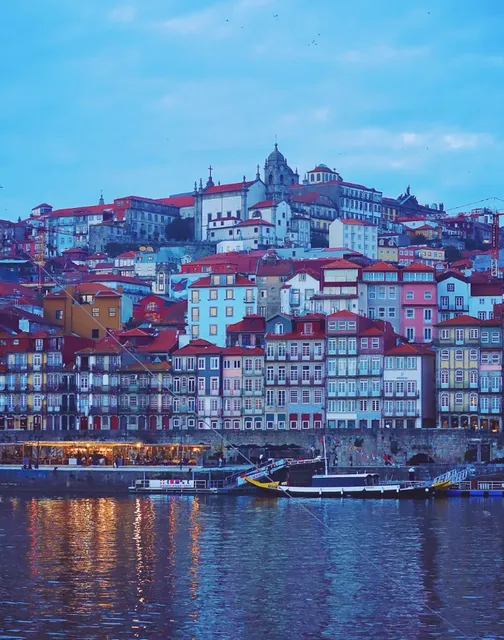
Mosteiro Santo Agostinho da Serra do Pilar things to do, attractions, restaurants, events info and trip planning

Basic Info
Mosteiro Santo Agostinho da Serra do Pilar
Largo Aviz, 4430-329 Vila Nova de Gaia, Portugal
4.5(1.5K)
Open 24 hours
Save
spot
spot
Ratings & Description
Info
Cultural
Scenic
attractions: Luís I Bridge, Jardim do Morro, Miradouro da Serra do Pilar, Burmester, Caves Cálem, Sandeman, Porto Cathedral, Fernandine Walls of Porto, Igreja de Santa Clara, Porto Augusto's, restaurants: Esplanada do Teleférico, Barris Do Douro Restaurante, 6 PONTE SKY BAR, Taberninha do Manel, Italy Caffè Gaia, Gallo Grigio Pizzeria, Uva by Cálem, Restaurante Ponte de Ferro, Bite Rooftop, À Bolina, local businesses: Mosteiro da Serra do Pilar, Jardim do Morro, Gaia Cable Car - Jardim do Morro station, Miradouro do Jardim do Morro, Funicular dos Guindais, Ponte Luíz I, Ponte Luíz I, Ponte Luíz I, Pomar Macedo, PORTOLOGIA - La Maison des Port
 Learn more insights from Wanderboat AI.
Phone
+351 22 014 2425
Plan your stay

Pet-friendly Hotels in Vila Nova de Gaia
Find a cozy hotel nearby and make it a full experience.

Affordable Hotels in Vila Nova de Gaia
Find a cozy hotel nearby and make it a full experience.

The Coolest Hotels You Haven't Heard Of (Yet)
Find a cozy hotel nearby and make it a full experience.

Trending Stays Worth the Hype in Vila Nova de Gaia
Find a cozy hotel nearby and make it a full experience.
Reviews
Live events

Uncover Portos history with a local guide
Sat, Feb 28 • 10:00 AM
4050-161, Porto, Portugal
View details

Douro sailing experience & wine tasting
Sat, Feb 28 • 11:00 AM
4400-354, Vila Nova de Gaia, Portugal
View details

Learn to make Pastel de Nata
Sat, Feb 28 • 10:00 AM
4510-551, Fânzeres, Portugal
View details
Nearby attractions of Mosteiro Santo Agostinho da Serra do Pilar
Luís I Bridge
Jardim do Morro
Miradouro da Serra do Pilar
Burmester
Caves Cálem
Sandeman
Porto Cathedral
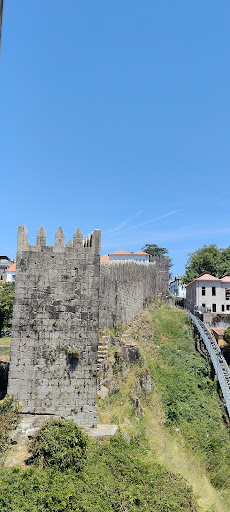
Fernandine Walls of Porto
Igreja de Santa Clara
Porto Augusto's
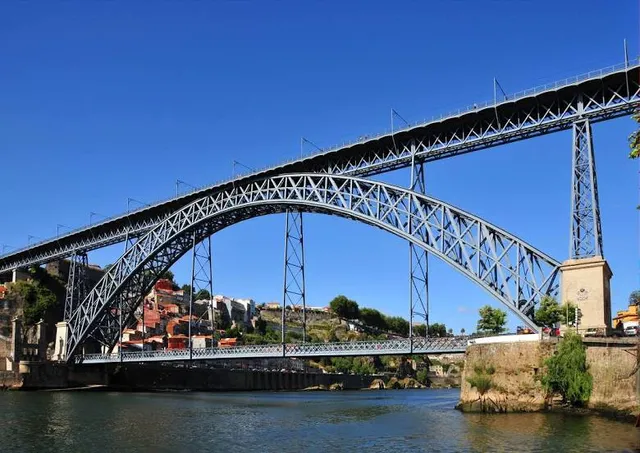
Luís I Bridge
4.8
(31.4K)
Open 24 hours
Click for details
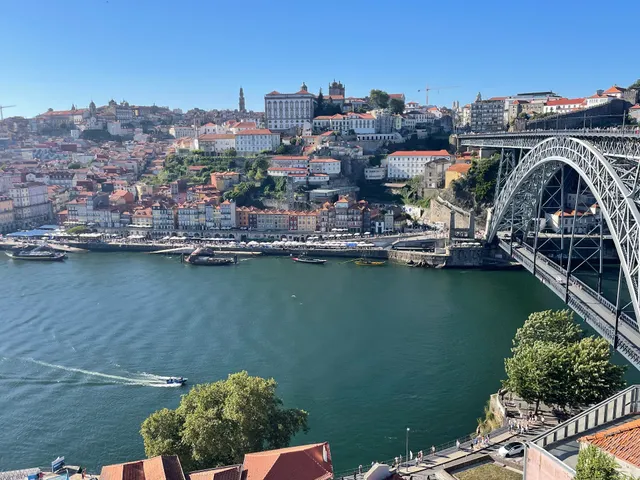
Jardim do Morro
4.7
(12.8K)
Open until 12:00 AM
Click for details
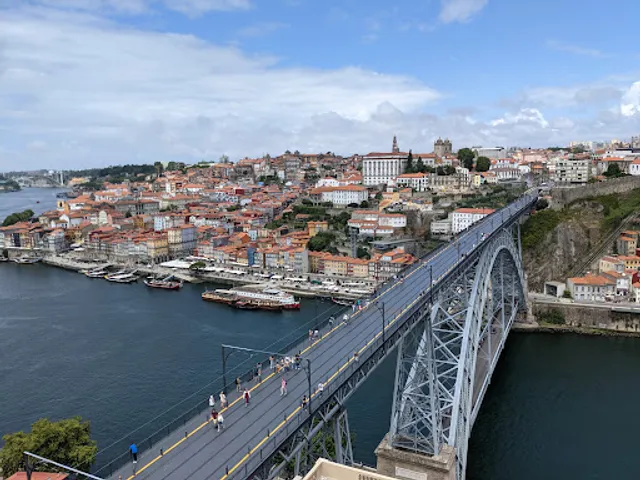
Miradouro da Serra do Pilar
4.8
(1.0K)
Open 24 hours
Click for details

Burmester
4.3
(757)
Open 24 hours
Click for details
Nearby restaurants of Mosteiro Santo Agostinho da Serra do Pilar
Esplanada do Teleférico
Barris Do Douro Restaurante
6 PONTE SKY BAR
Taberninha do Manel
Italy Caffè Gaia
Gallo Grigio Pizzeria
Uva by Cálem
Restaurante Ponte de Ferro
Bite Rooftop
À Bolina
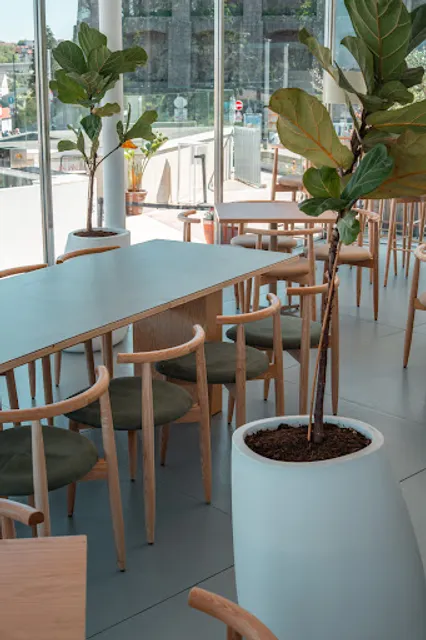
Esplanada do Teleférico
4.3
(753)
$$
Click for details
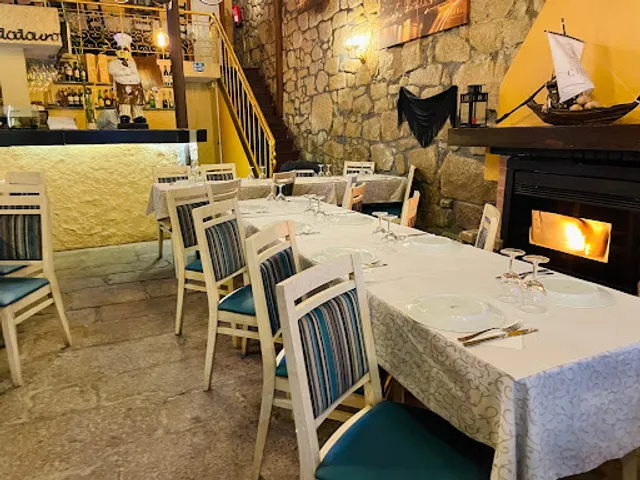
Barris Do Douro Restaurante
4.5
(732)
Closed
Click for details
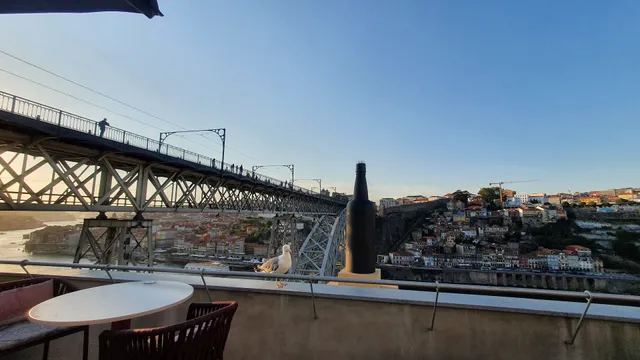
6 PONTE SKY BAR
4.6
(86)
Click for details
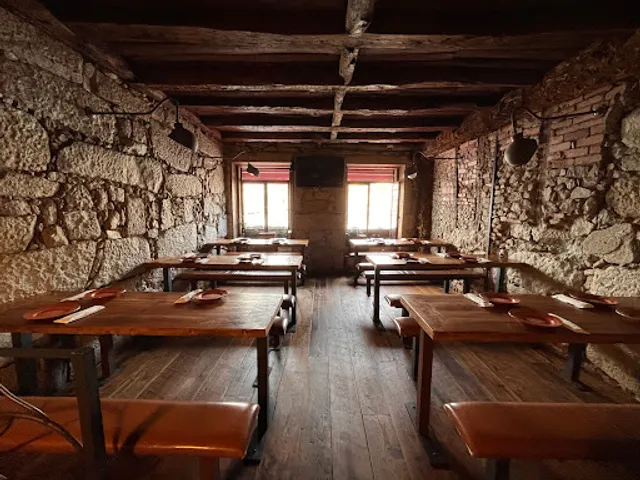
Taberninha do Manel
4.3
(2.3K)
$$
Closed
Click for details
Nearby local services of Mosteiro Santo Agostinho da Serra do Pilar
Mosteiro da Serra do Pilar
Jardim do Morro
Gaia Cable Car - Jardim do Morro station
Miradouro do Jardim do Morro
Funicular dos Guindais
Ponte Luíz I
Ponte Luíz I
Ponte Luíz I
Pomar Macedo
PORTOLOGIA - La Maison des Port

Mosteiro da Serra do Pilar
4.5
(1.2K)
Click for details
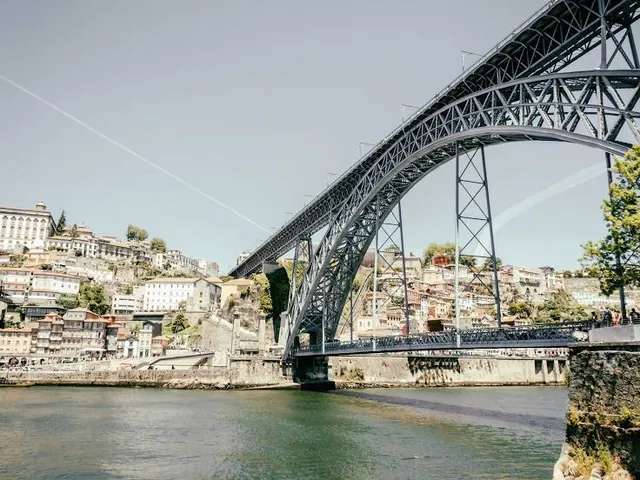
Jardim do Morro
4.7
(9.8K)
Click for details

Gaia Cable Car - Jardim do Morro station
4.3
(1.1K)
Click for details

Miradouro do Jardim do Morro
4.9
(72)
Click for details