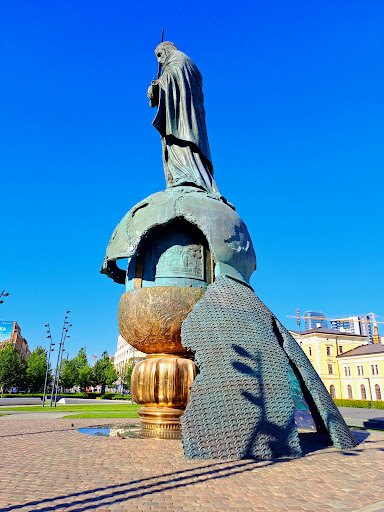
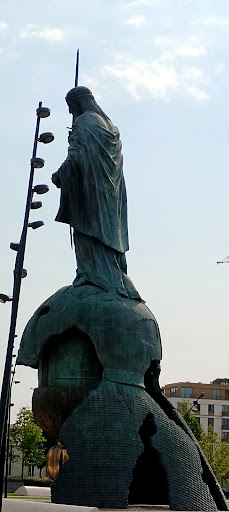
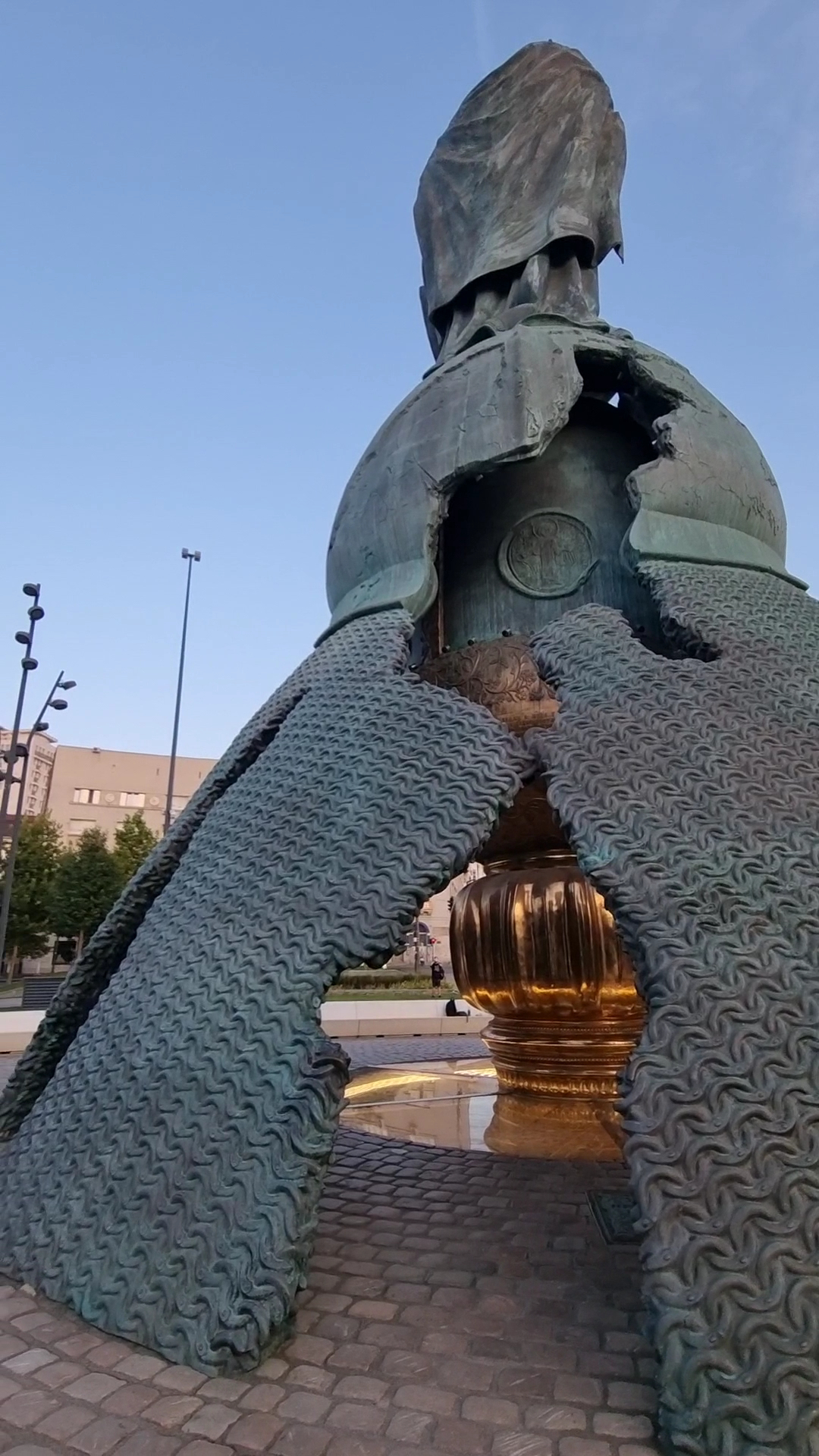
Monument to Stefan Nemanja things to do, attractions, restaurants, events info and trip planning
Basic Info
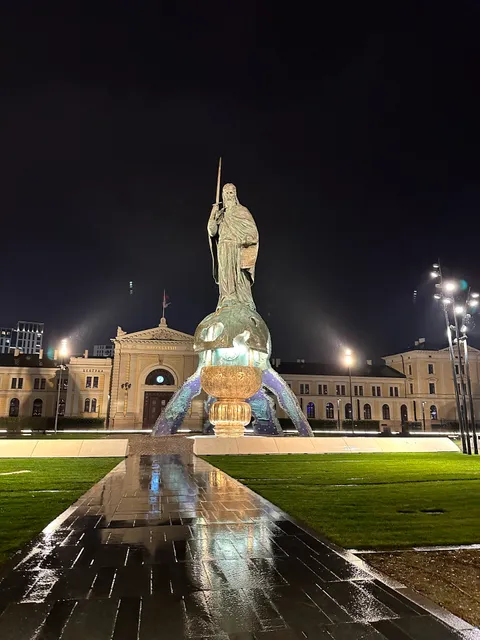
Monument to Stefan Nemanja
Savski trg 2, Beograd, Serbia
4.5(1.1K)
Open until 12:00 AM
Save
spot
spot
Ratings & Description
Info
Cultural
Scenic
Family friendly
Accessibility
attractions: Belgrade Old Railway Station, Statue of Gavrilo Princip, Railway Museum, Monument to Tsar Nicholas II Romanov, Old General Staff Building, Sava Promenade, Muzej Slatkiša Beograd, Terazije Theatre, Belgrade Park, New Palace, restaurants: Zavičaj Balkanska, Savamala Restaurant & Bar, Hotel Beograd Café, KP BURGERS, Restaurant Monument, Yume Sushi, SavaQ, Casa Di Pizza BW, Jamie's Italian Belgrade, Verona, local businesses: Kilo Shop 2, Gothic Doll, EscapeGame, BW Aurora, Robna Kuća Panda, Apartments Arcadia, ZONE Private Health Club, BW Residences, dm drogerie markt, KK Partizan Shop
 Learn more insights from Wanderboat AI.
Website
srbija.gov.rs
Open hoursSee all hours
SatOpen 24 hoursOpen
Plan your stay

Pet-friendly Hotels in City of Belgrade
Find a cozy hotel nearby and make it a full experience.

Affordable Hotels in City of Belgrade
Find a cozy hotel nearby and make it a full experience.

The Coolest Hotels You Haven't Heard Of (Yet)
Find a cozy hotel nearby and make it a full experience.

Trending Stays Worth the Hype in City of Belgrade
Find a cozy hotel nearby and make it a full experience.
Reviews
Live events
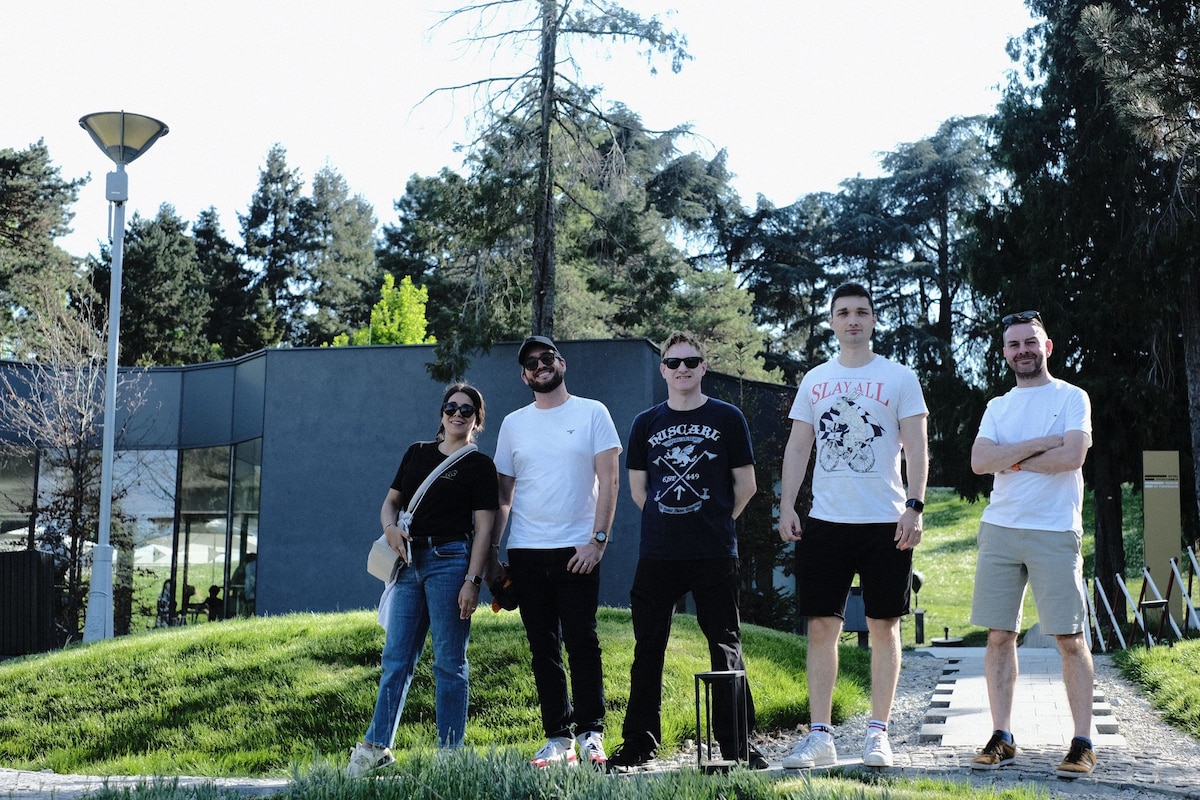
Explore Communist Belgrade
Mon, Feb 2 • 4:00 PM
Belgrade, , Serbia
View details

Belgrade Historic Walking Tour
Sat, Jan 31 • 11:00 AM
Belgrade, RS 11000, Serbia
View details

Taste natural wine with scenic views near Belgrade
Sat, Jan 31 • 10:00 AM
Grocka, Vojvodina -, Serbia
View details
Nearby attractions of Monument to Stefan Nemanja
Belgrade Old Railway Station
Statue of Gavrilo Princip
Railway Museum
Monument to Tsar Nicholas II Romanov
Old General Staff Building
Sava Promenade
Muzej Slatkiša Beograd
Terazije Theatre
Belgrade Park
New Palace
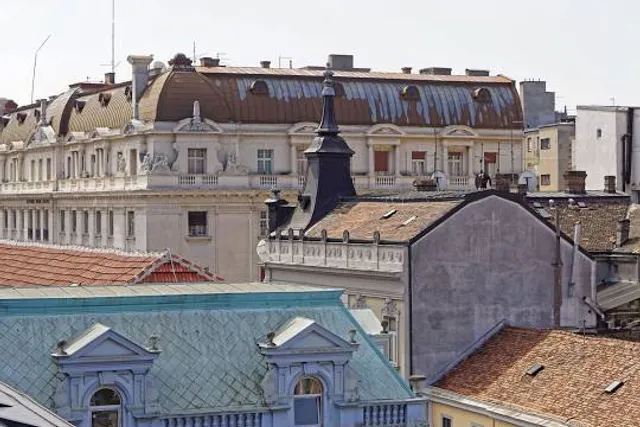
Belgrade Old Railway Station
4.2
(1.6K)
Open 24 hours
Click for details
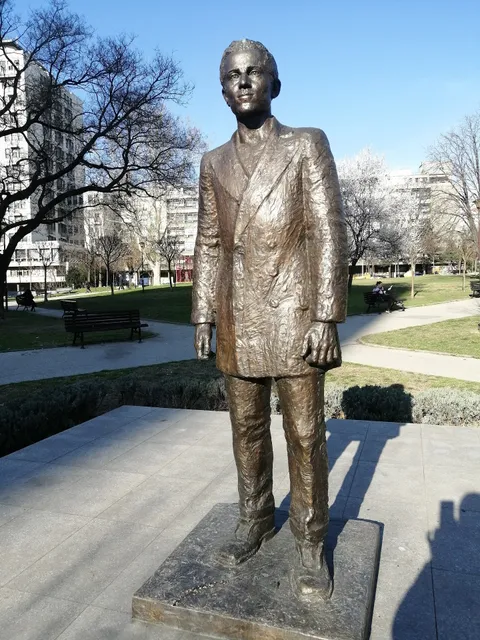
Statue of Gavrilo Princip
4.6
(172)
Open until 12:00 AM
Click for details
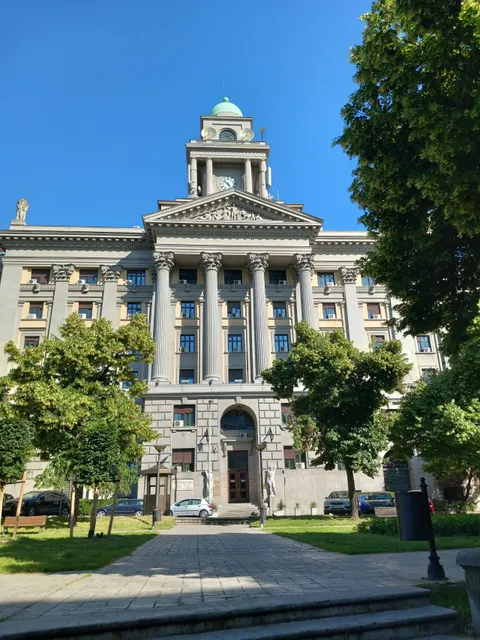
Railway Museum
4.4
(198)
Open until 12:00 AM
Click for details
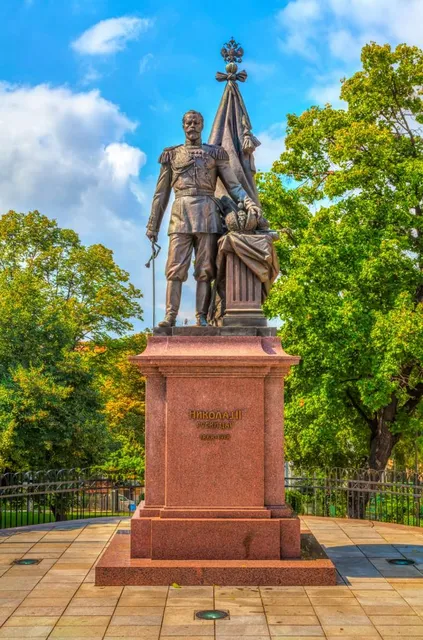
Monument to Tsar Nicholas II Romanov
4.7
(300)
Open until 12:00 AM
Click for details
Nearby restaurants of Monument to Stefan Nemanja
Zavičaj Balkanska
Savamala Restaurant & Bar
Hotel Beograd Café
KP BURGERS
Restaurant Monument
Yume Sushi
SavaQ
Casa Di Pizza BW
Jamie's Italian Belgrade
Verona
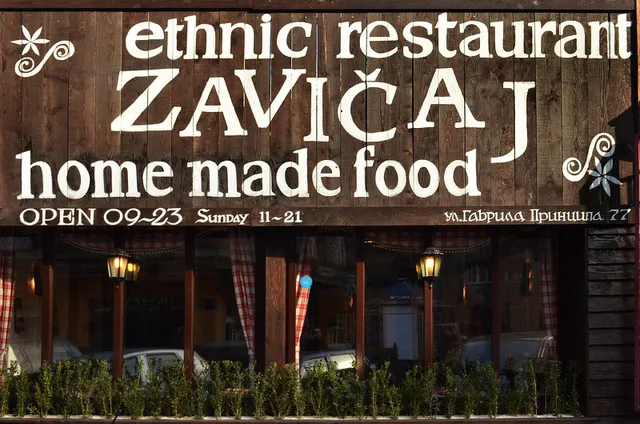
Zavičaj Balkanska
4.5
(2.2K)
$$
Closed
Click for details
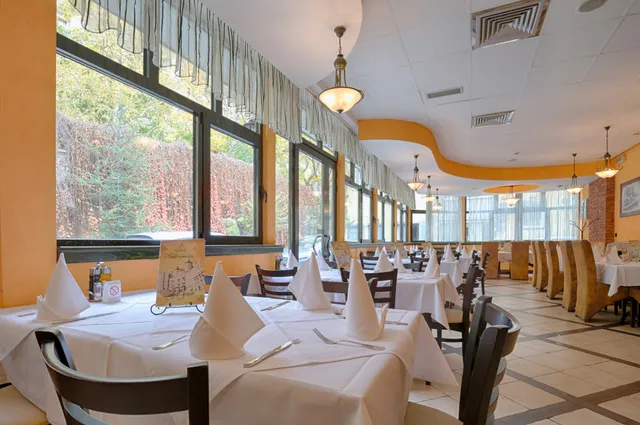
Savamala Restaurant & Bar
4.5
(314)
$$
Open until 11:00 PM
Click for details
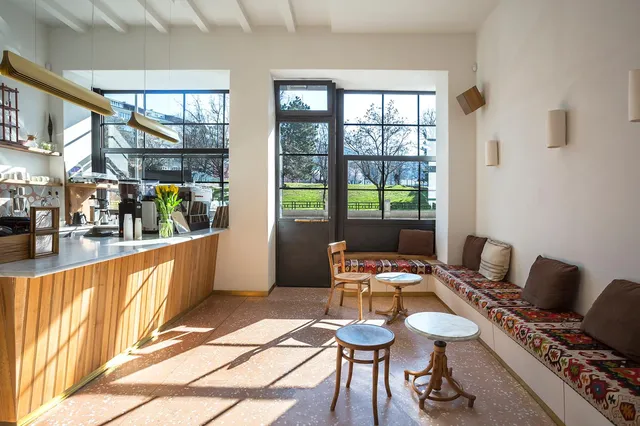
Hotel Beograd Café
4.6
(334)
Closed
Click for details
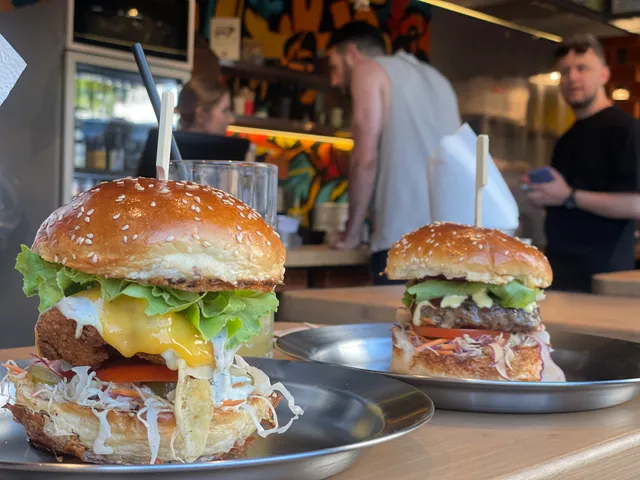
KP BURGERS
4.8
(226)
Closed
Click for details
Nearby local services of Monument to Stefan Nemanja
Kilo Shop 2
Gothic Doll
EscapeGame
BW Aurora
Robna Kuća Panda
Apartments Arcadia
ZONE Private Health Club
BW Residences
dm drogerie markt
KK Partizan Shop
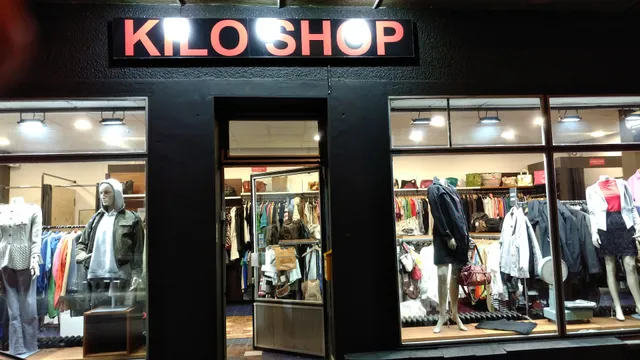
Kilo Shop 2
4.0
(53)
Click for details
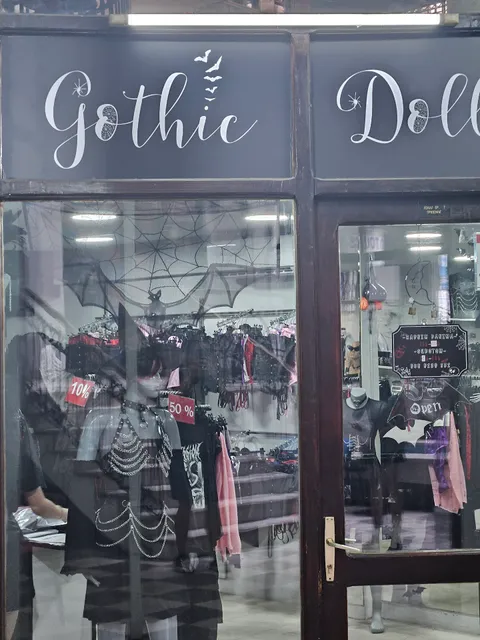
Gothic Doll
4.8
(54)
Click for details
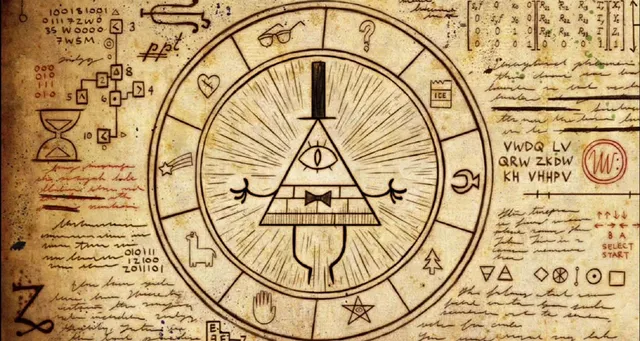
EscapeGame
4.8
(362)
Click for details
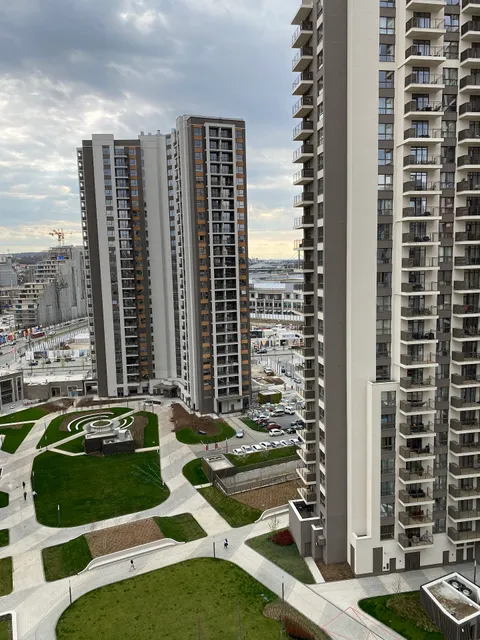
BW Aurora
4.2
(174)
Click for details