Tomb of National Heroes things to do, attractions, restaurants, events info and trip planning
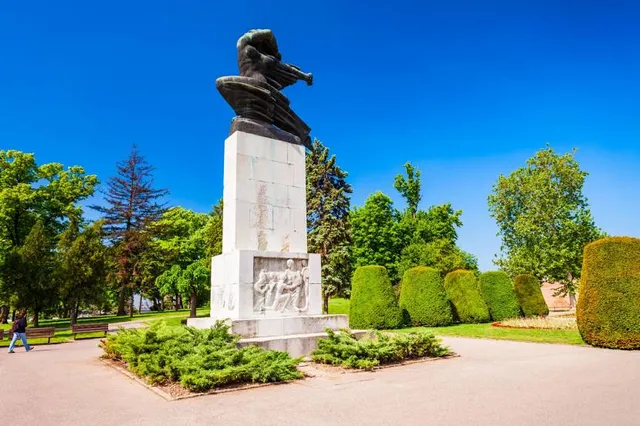
Basic Info
Tomb of National Heroes
Bulevar vojvode Bojovića 32, Beograd 107204, Serbia
4.6(38)
Open until 12:00 AM
Save
spot
spot
Ratings & Description
Info
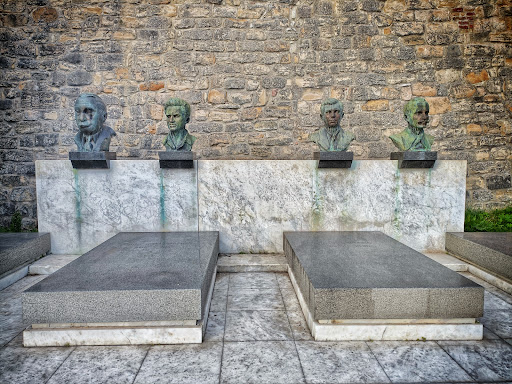
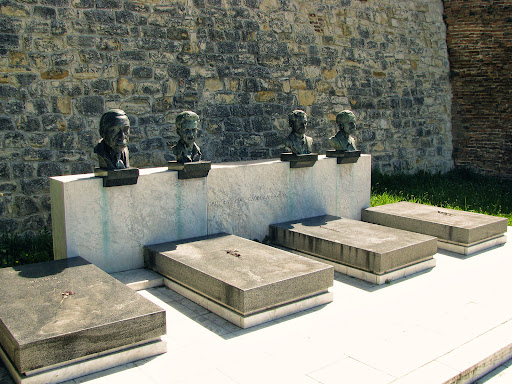
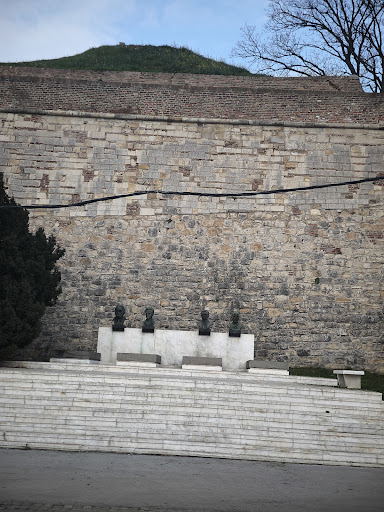
The Tomb of National Heroes in Ljubljana, Slovenia is a tomb and a monument for the national heroes of the World War II resistance struggle in Slovenia, created in 1949. The designers of the tomb and the monument were the architect Edo Mihevc and the sculptor Boris Kalin.
Cultural
attractions: Kalemegdan, Belgrade Fortress, Military Museum, The Victor, Dino Park "Jura Avantura", Monument of Gratitude to France, Gallery of the Natural History Museum, Damad Ali Pasha turbe, Belgrade Zoo, Sahat Tower, restaurants: Ambar, Cantina de Frida, Lafayette Cuisine Cabaret Club, Temperament, Comunale Caffe e Cucina, Freestyler Belgrade Night Club, Sakura Restaurant, Concrete Boat, Mali Kalemegdan, Konoba Akustik - Stari Beograd, local businesses: Belgrade Fortress, Museum of contemporary art, Rajićeva Shopping Center, Holy Archangel Michael Orthodox Church, Cruise Belgrade Meeting Point | Belgrade Boat Tour, Lower Town, Muzej čokolade, Salon of the Museum of Contemporary Art Belgrade, Mali Kalemegdan, dm drogerie markt
 Learn more insights from Wanderboat AI.
Website
beogradskatvrdjava.co.rs
Open hoursSee all hours
WedOpen 24 hoursOpen
Plan your stay

Pet-friendly Hotels in City of Belgrade
Find a cozy hotel nearby and make it a full experience.

Affordable Hotels in City of Belgrade
Find a cozy hotel nearby and make it a full experience.

The Coolest Hotels You Haven't Heard Of (Yet)
Find a cozy hotel nearby and make it a full experience.

Trending Stays Worth the Hype in City of Belgrade
Find a cozy hotel nearby and make it a full experience.
Reviews
Live events
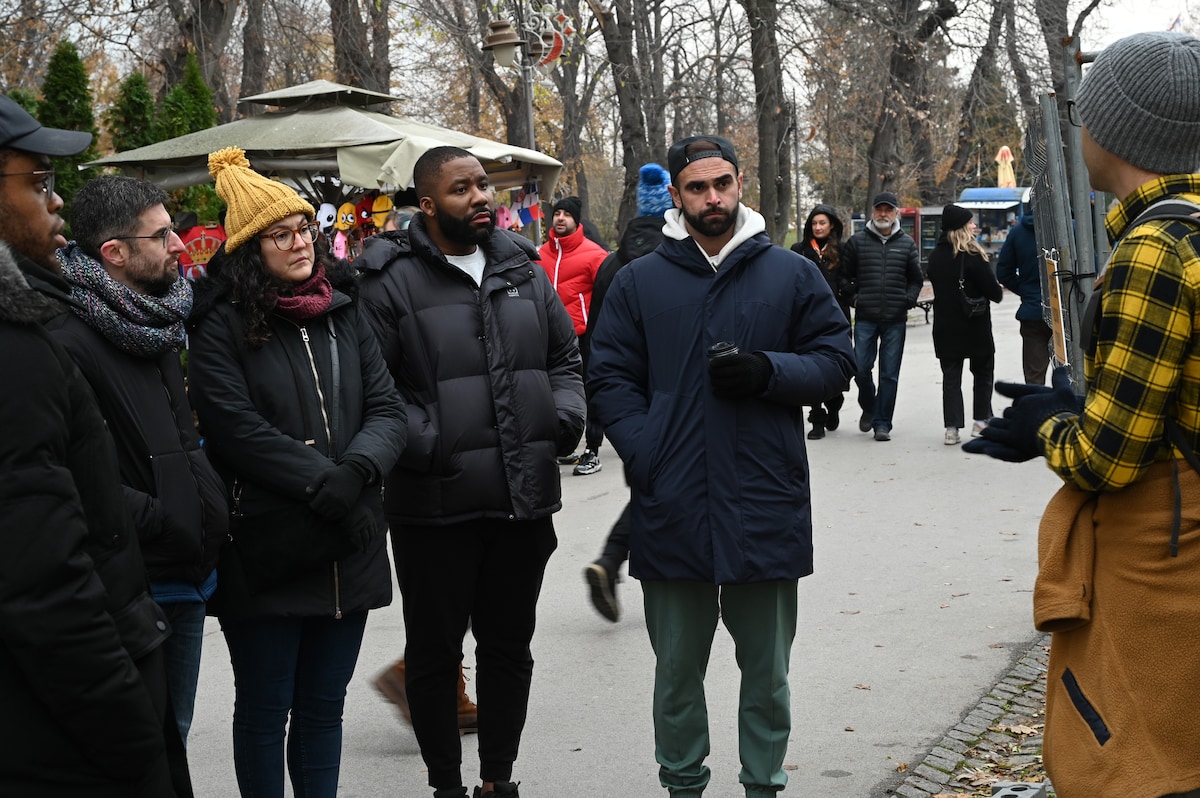
Explore Belgrades past and culture with a guide
Wed, Jan 28 • 1:30 PM
Belgrade, RS 11102, Serbia
View details
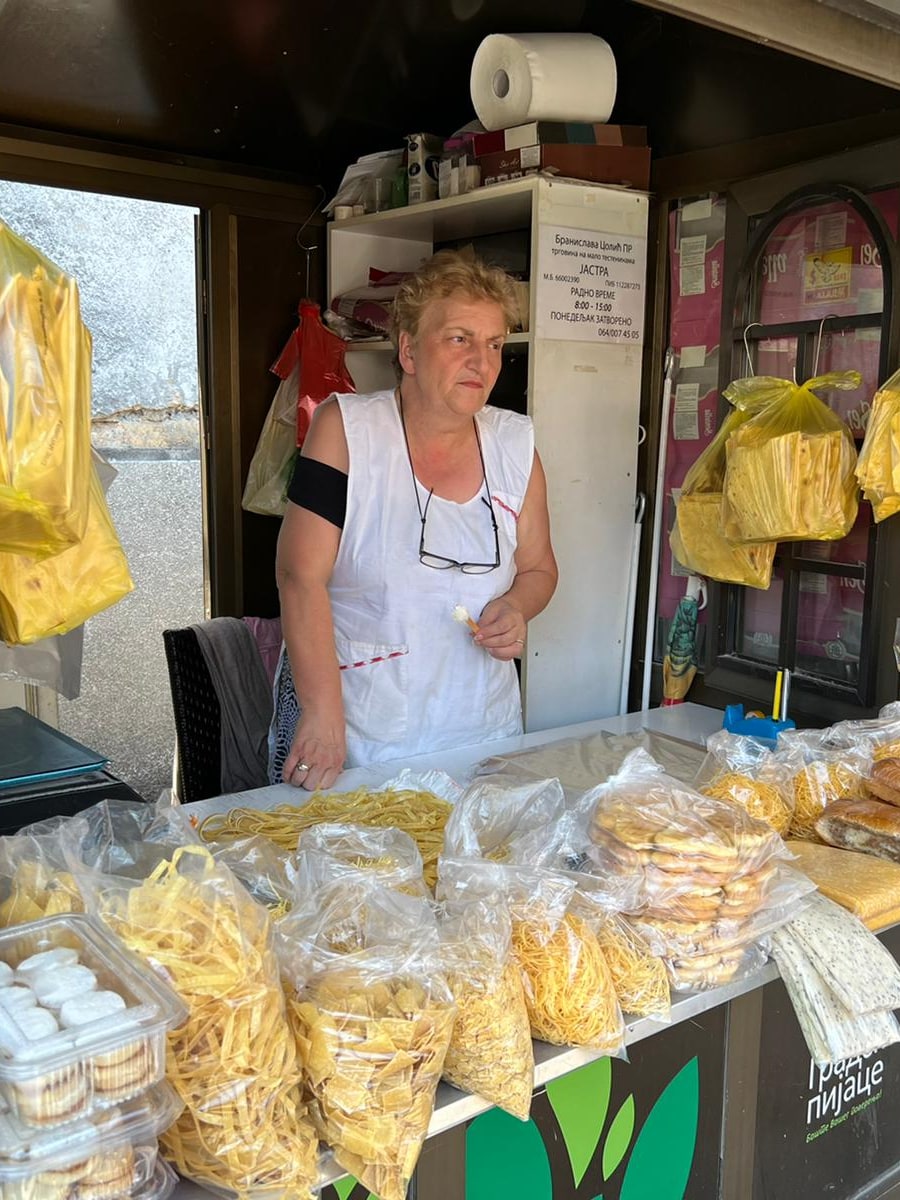
Belgrade Street Food and drinks, Eat like a local
Thu, Jan 29 • 11:00 AM
Belgrade, RS 11000, Serbia
View details
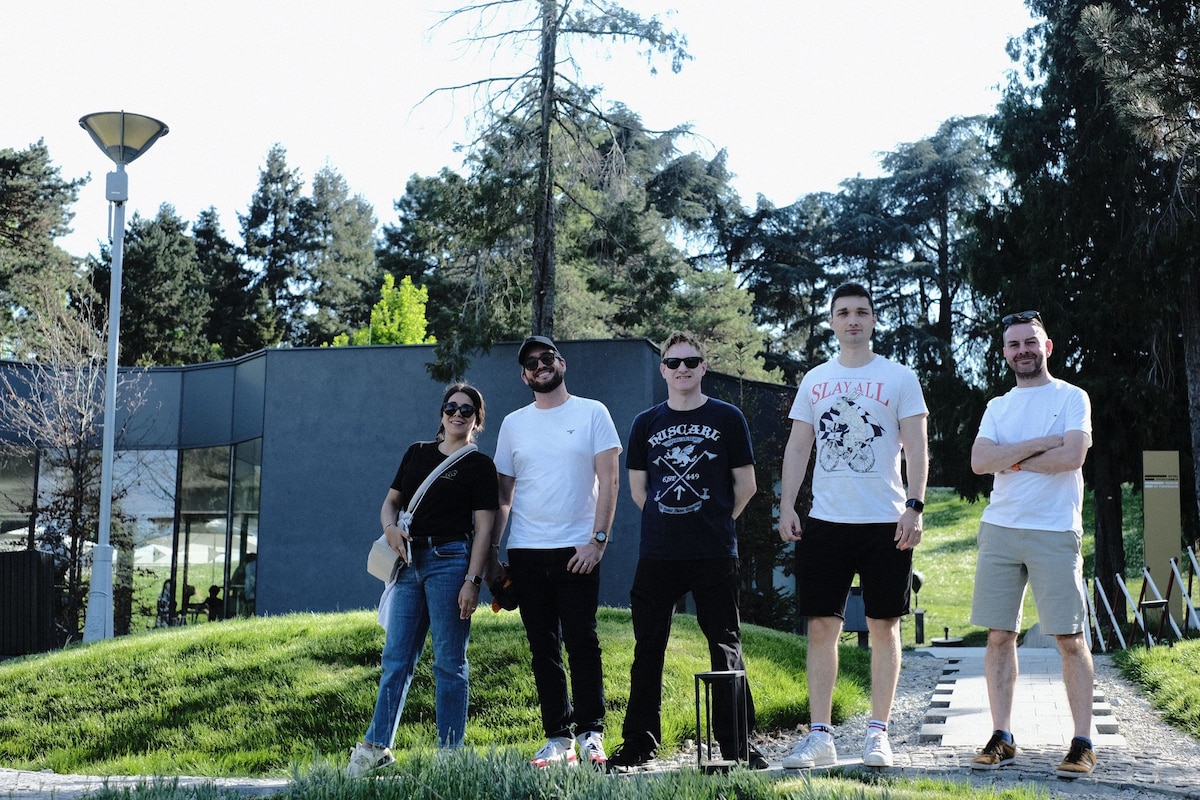
Explore Communist Belgrade
Wed, Jan 28 • 4:30 PM
Belgrade, , Serbia
View details
Nearby attractions of Tomb of National Heroes
Kalemegdan
Belgrade Fortress
Military Museum
The Victor
Dino Park "Jura Avantura"
Monument of Gratitude to France
Gallery of the Natural History Museum
Damad Ali Pasha turbe
Belgrade Zoo
Sahat Tower
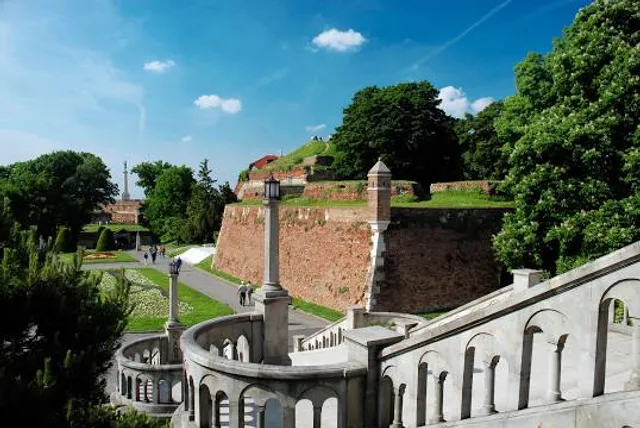
Kalemegdan
4.8
(13.2K)
Open until 12:00 AM
Click for details
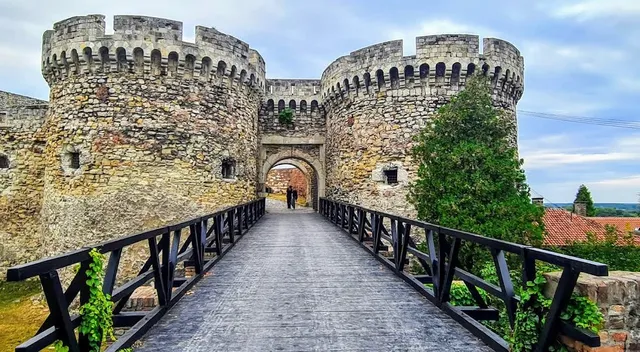
Belgrade Fortress
4.8
(17.8K)
Open until 3:30 PM
Click for details
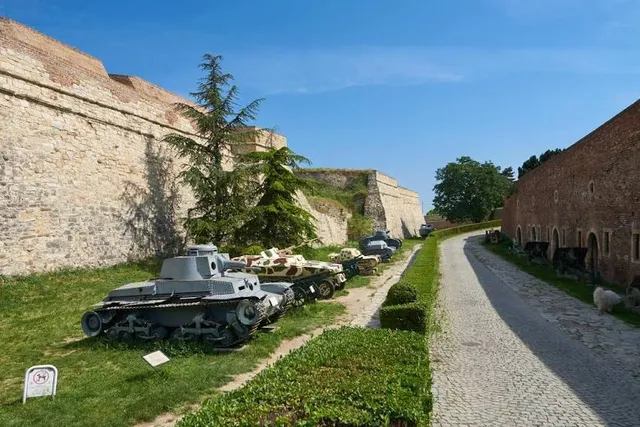
Military Museum
4.6
(886)
Open until 5:00 PM
Click for details
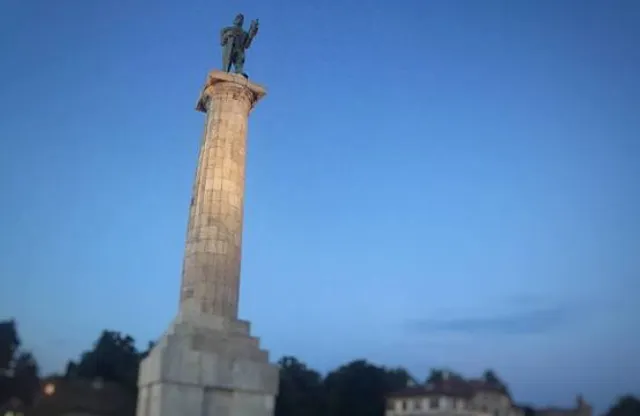
The Victor
4.8
(1.1K)
Open until 12:00 AM
Click for details
Nearby restaurants of Tomb of National Heroes
Ambar
Cantina de Frida
Lafayette Cuisine Cabaret Club
Temperament
Comunale Caffe e Cucina
Freestyler Belgrade Night Club
Sakura Restaurant
Concrete Boat
Mali Kalemegdan
Konoba Akustik - Stari Beograd
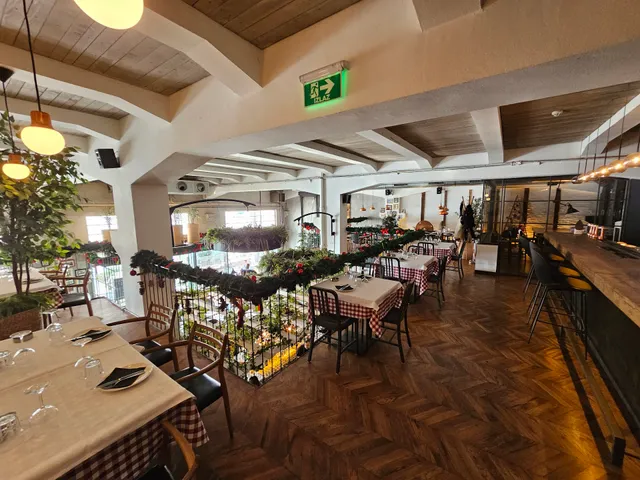
Ambar
4.6
(2.6K)
$$$
Open until 12:00 AM
Click for details
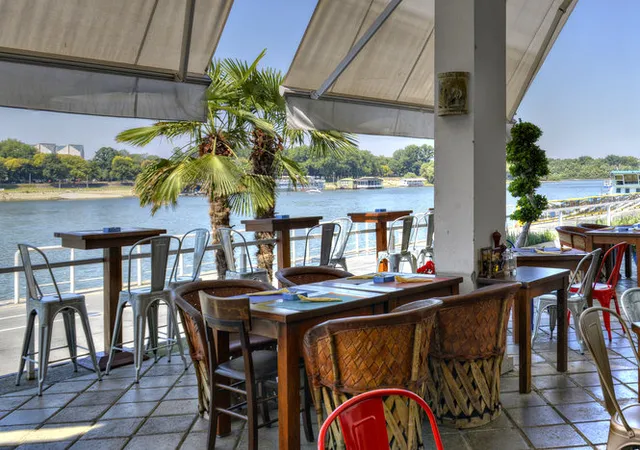
Cantina de Frida
4.4
(1.0K)
$$$
Open until 1:30 AM
Click for details
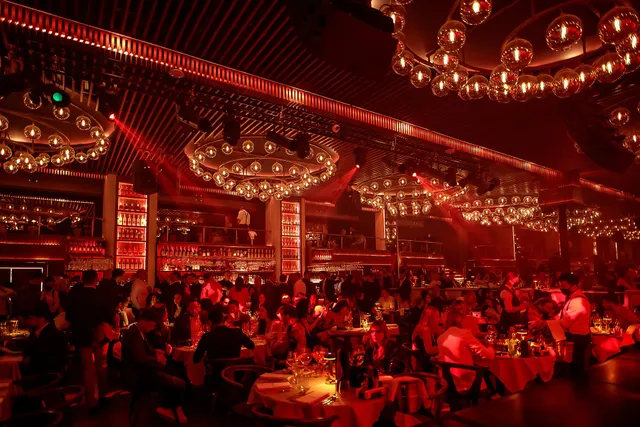
Lafayette Cuisine Cabaret Club
4.3
(516)
Open until 4:00 AM
Click for details
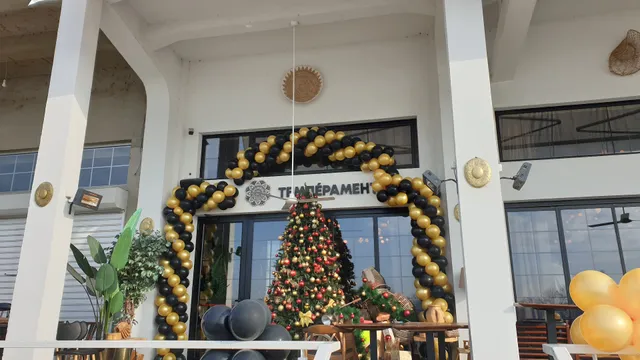
Temperament
4.0
(526)
Open until 3:00 AM
Click for details
Nearby local services of Tomb of National Heroes
Belgrade Fortress
Museum of contemporary art
Rajićeva Shopping Center
Holy Archangel Michael Orthodox Church
Cruise Belgrade Meeting Point | Belgrade Boat Tour
Lower Town
Muzej čokolade
Salon of the Museum of Contemporary Art Belgrade
Mali Kalemegdan
dm drogerie markt
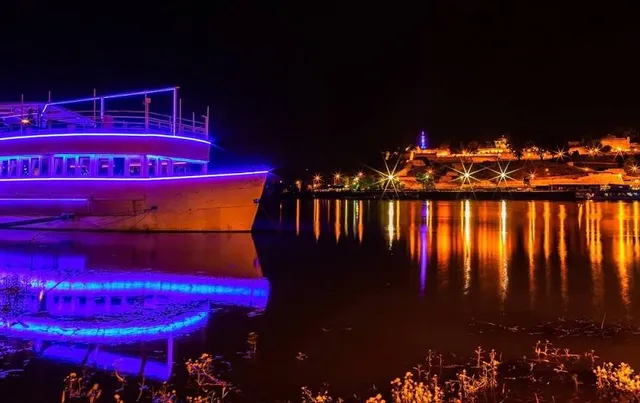
Belgrade Fortress
4.7
(15.9K)
Click for details
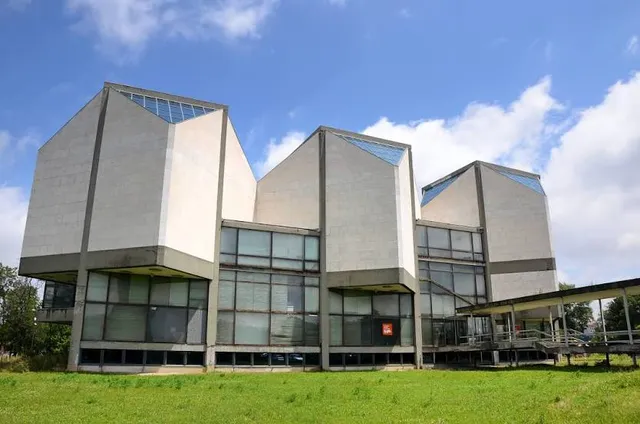
Museum of contemporary art
4.7
(1.4K)
Click for details

Rajićeva Shopping Center
4.2
(2.2K)
Click for details
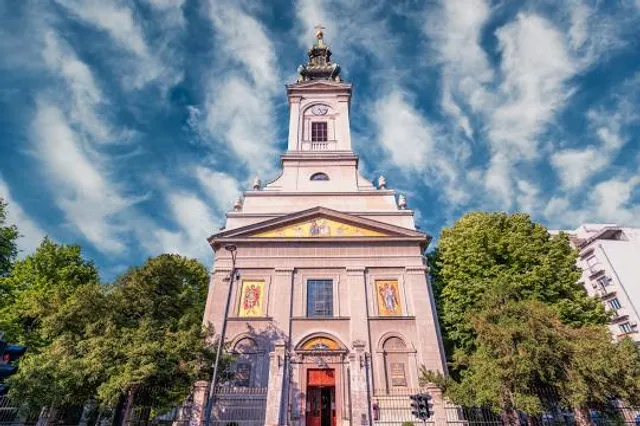
Holy Archangel Michael Orthodox Church
4.8
(943)
Click for details