Mosaico de Joan Miró things to do, attractions, restaurants, events info and trip planning
Basic Info
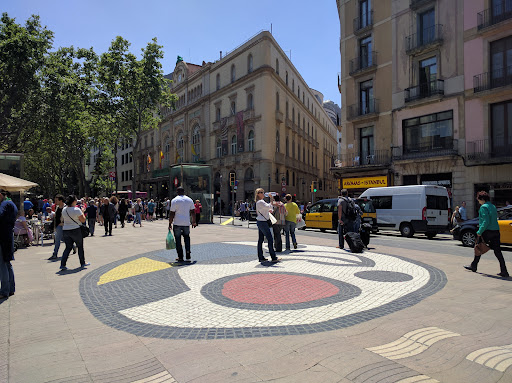
Mosaico de Joan Miró
La Rambla, 71, Ciutat Vella, 08002 Barcelona, Spain
4.4(1.2K)
Open until 12:00 AM
Save
spot
spot
Ratings & Description
Info
Cultural
Accessibility
attractions: Basílica de Santa Maria del Pi, Barcelona Erotic Museum, Big Fun Museum, Plaça Reial, Las ramblas, Gran Teatre del Liceu, Güell Palace, Casa Bruno Cuadros, Cathedral of Barcelona, Virreina Palace, restaurants: Mimi Tapas Restaurant, Restaurant La Boqueria, Pasta Market, Jesús Restaurant, Jesús Restaurant, Restaurant Can Culleretes, Restaurant Gabriel Barcelona – Seafood, Tapas & Paellas, Sagarra, Cafè de l'Òpera, Hummus and Company, local businesses: Kælderkold Craft Beer Bar, Käthe Wohlfahrt, CARMEN Barcelona, Xurreria, Rambles Regals SL, Lucciano's - The Moon | Liceu, Los Tarantos, Les Galeries Maldà, Plaça de Sant Jaume, Sant Felip Neri Square
 Learn more insights from Wanderboat AI.
Website
barcelonaturisme.com
Open hoursSee all hours
ThuOpen 24 hoursOpen
Plan your stay

Pet-friendly Hotels in Barcelona
Find a cozy hotel nearby and make it a full experience.

Affordable Hotels in Barcelona
Find a cozy hotel nearby and make it a full experience.

The Coolest Hotels You Haven't Heard Of (Yet)
Find a cozy hotel nearby and make it a full experience.

Trending Stays Worth the Hype in Barcelona
Find a cozy hotel nearby and make it a full experience.
Reviews
Live events
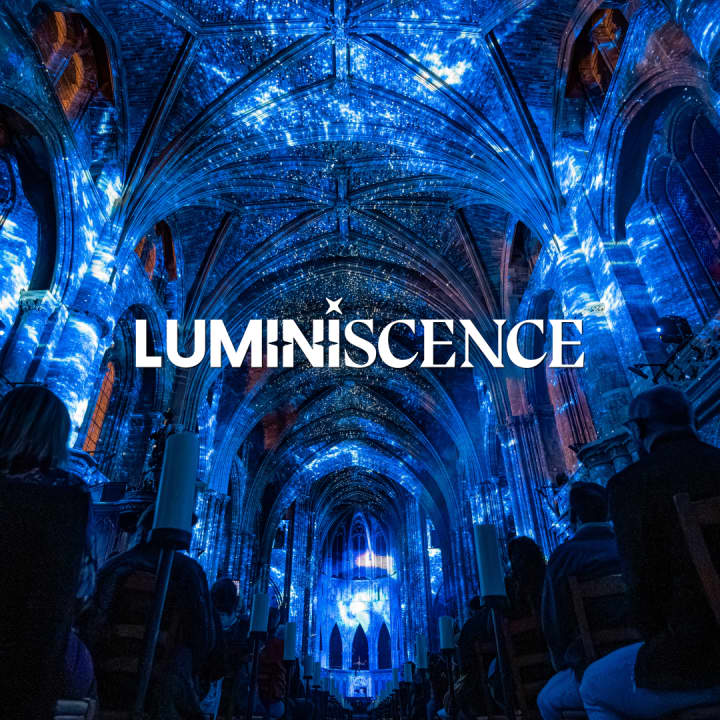
LUMINISCENCE: Sumérgete en los secretos de la Basílica Santa Maria del Pi
Thu, Feb 26 • 7:45 PM
Plaça del Pi, 7, Barcelona, 08002
View details
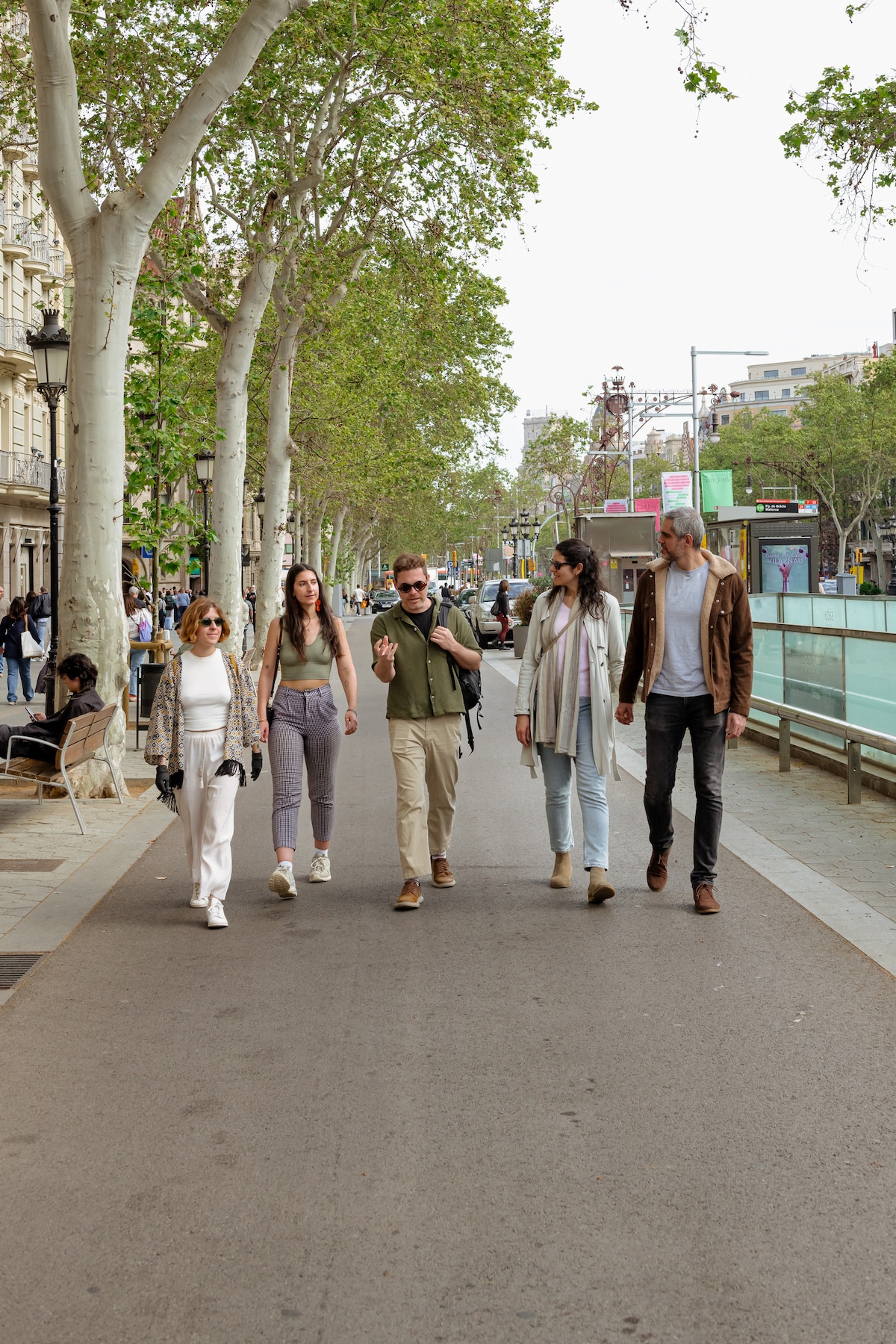
Sagrada Familia Sunset and Gaudi Tour
Thu, Feb 26 • 3:00 PM
08007, Barcelona, Catalonia, Spain
View details
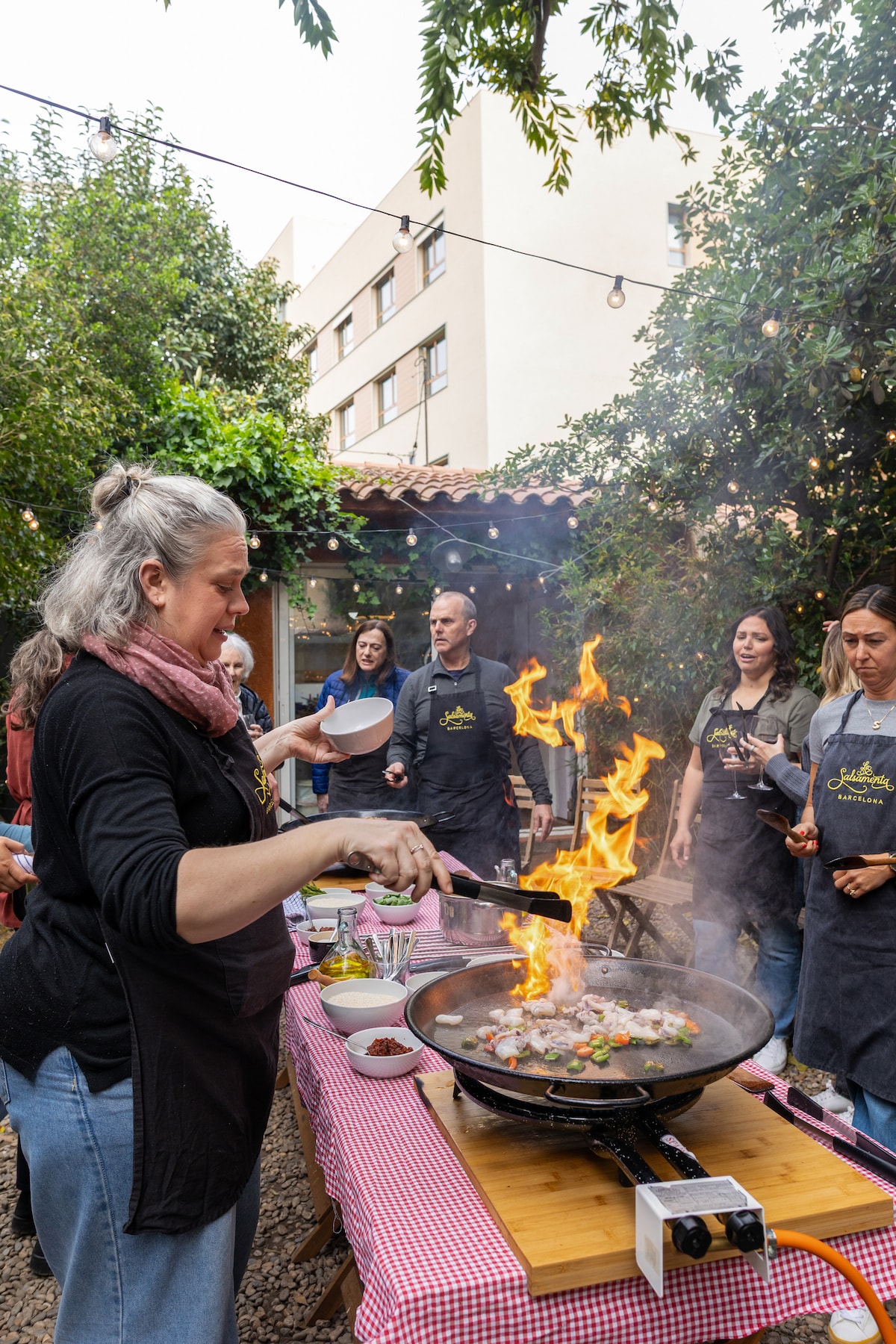
Paella in my secret garden
Thu, Feb 26 • 12:30 PM
08024, Barcelona, Catalonia, Spain
View details
Nearby attractions of Mosaico de Joan Miró
Basílica de Santa Maria del Pi
Barcelona Erotic Museum
Big Fun Museum
Plaça Reial
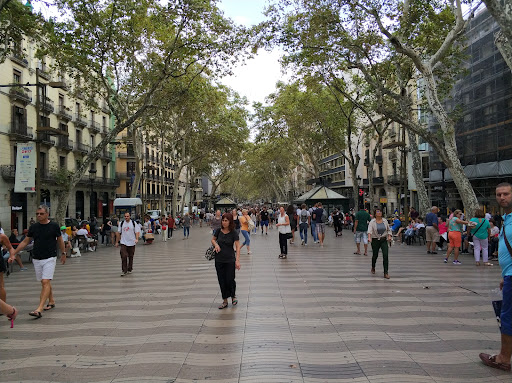
Las ramblas
Gran Teatre del Liceu
Güell Palace
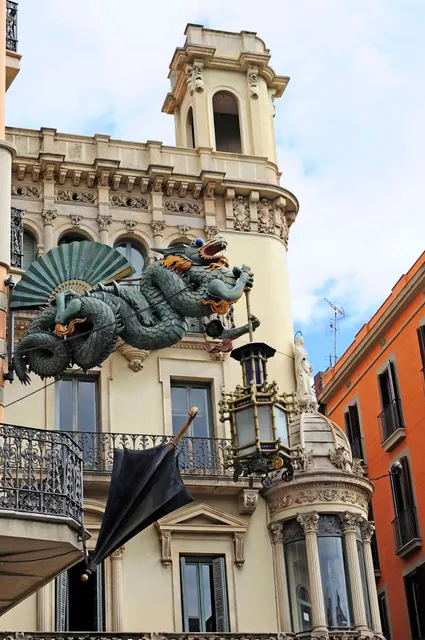
Casa Bruno Cuadros
Cathedral of Barcelona
Virreina Palace
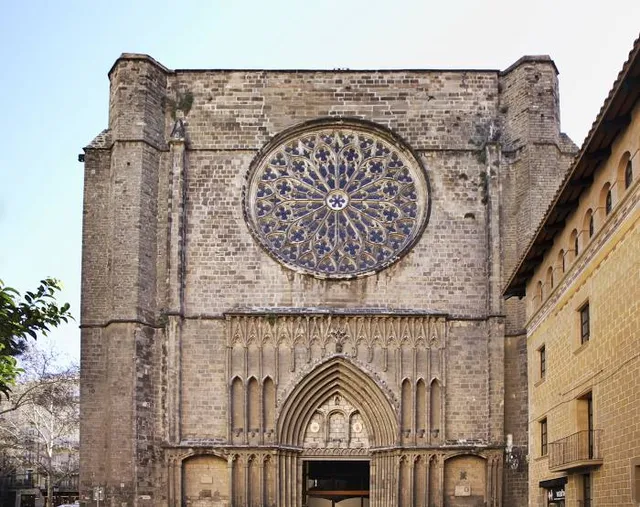
Basílica de Santa Maria del Pi
4.6
(3K)
Open until 8:00 PM
Click for details
Barcelona Erotic Museum
4.5
(3.1K)
Open until 12:00 AM
Click for details

Big Fun Museum
4.1
(1.5K)
Closed
Click for details
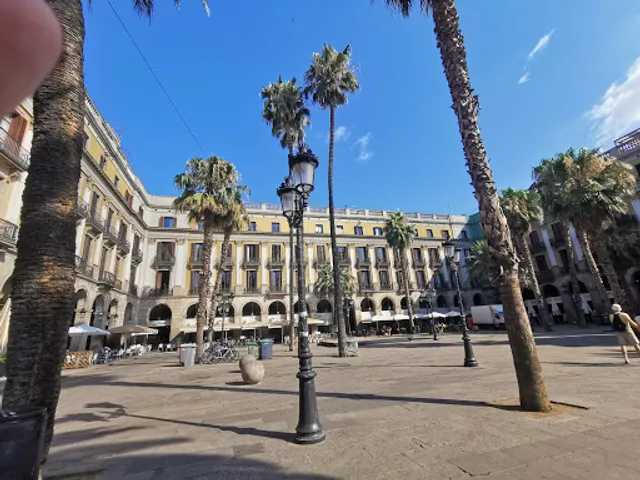
Plaça Reial
4.6
(8.6K)
Open until 12:00 AM
Click for details
Nearby restaurants of Mosaico de Joan Miró
Mimi Tapas Restaurant
Restaurant La Boqueria
Pasta Market
Jesús Restaurant
Jesús Restaurant
Restaurant Can Culleretes
Restaurant Gabriel Barcelona – Seafood, Tapas & Paellas
Sagarra
Cafè de l'Òpera
Hummus and Company
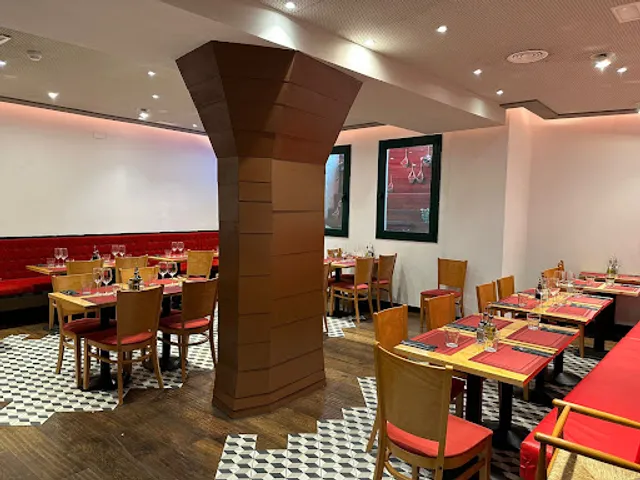
Mimi Tapas Restaurant
4.6
(3.3K)
Open until 12:00 AM
Click for details
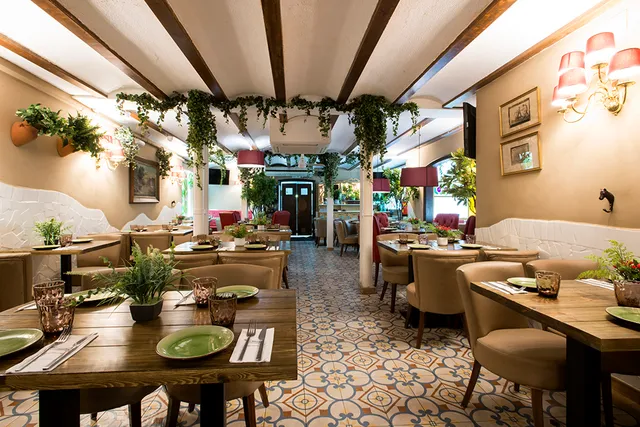
Restaurant La Boqueria
4.5
(3.6K)
$$
Open until 12:00 AM
Click for details
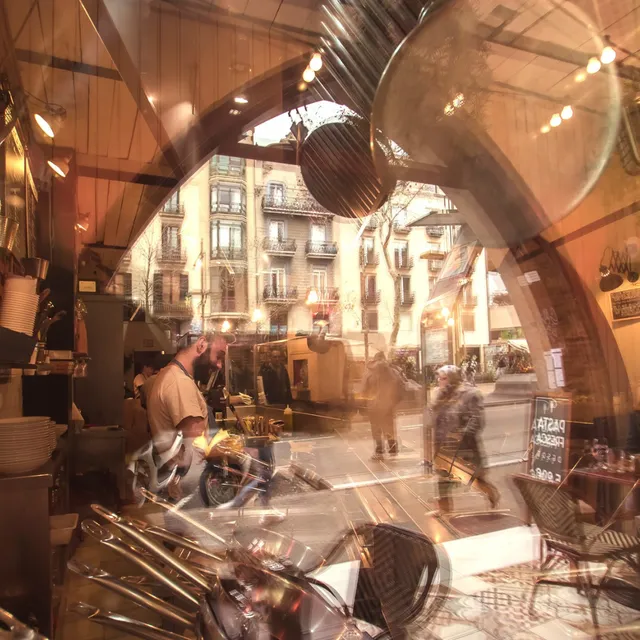
Pasta Market
4.6
(1.9K)
$
Closed
Click for details
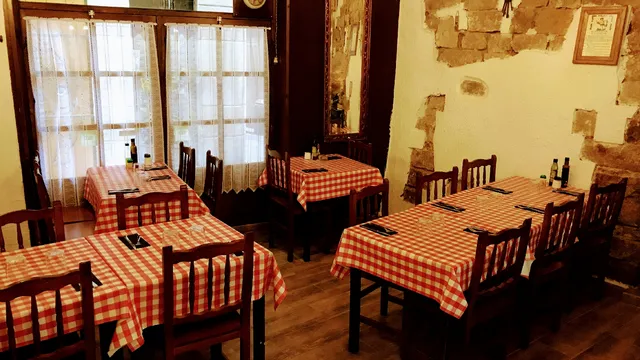
Jesús Restaurant
4.6
(7.7K)
Closed
Click for details
Nearby local services of Mosaico de Joan Miró
Kælderkold Craft Beer Bar
Käthe Wohlfahrt
CARMEN Barcelona
Xurreria
Rambles Regals SL
Lucciano's - The Moon | Liceu
Los Tarantos
Les Galeries Maldà
Plaça de Sant Jaume
Sant Felip Neri Square
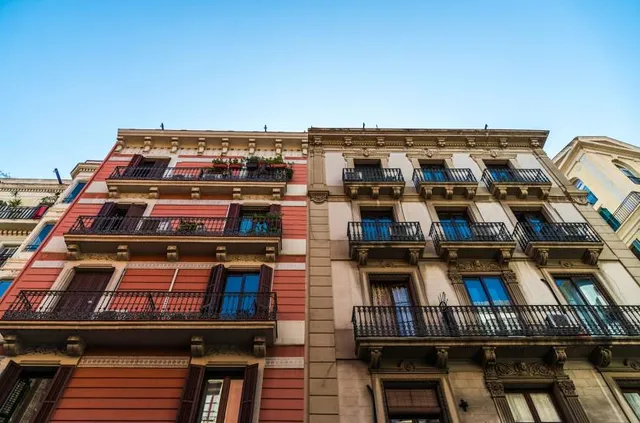
Kælderkold Craft Beer Bar
4.5
(801)
Click for details
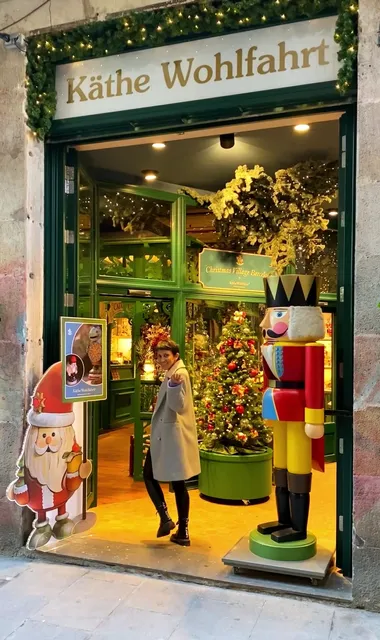
Käthe Wohlfahrt
4.5
(1.4K)
Click for details
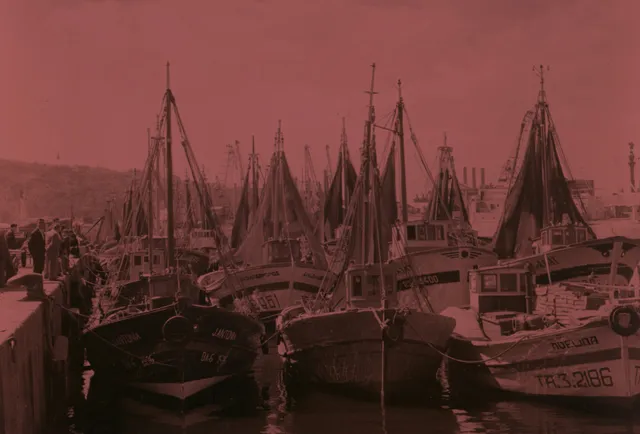
CARMEN Barcelona
5.0
(598)
Click for details
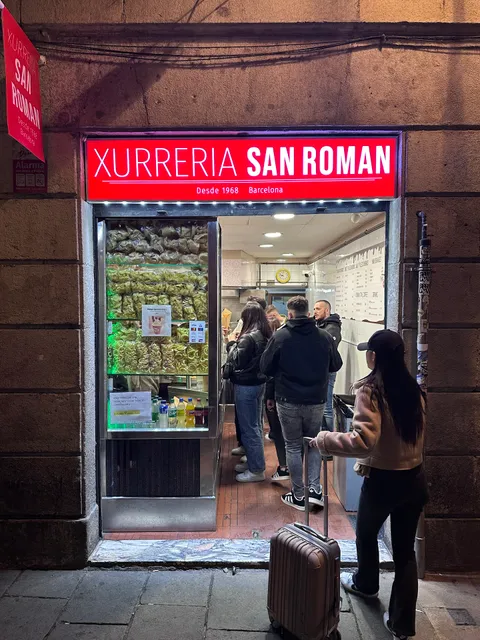
Xurreria
4.4
(840)
Click for details