Museum of the History of Catalonia things to do, attractions, restaurants, events info and trip planning
Basic Info
Museum of the History of Catalonia
Pça. de Pau Vila, 3, Ciutat Vella, 08039 Barcelona, Spain
4.5(2.7K)
Open until 8:00 PM


tickets
Save
spot
spot
Ratings & Description
Info
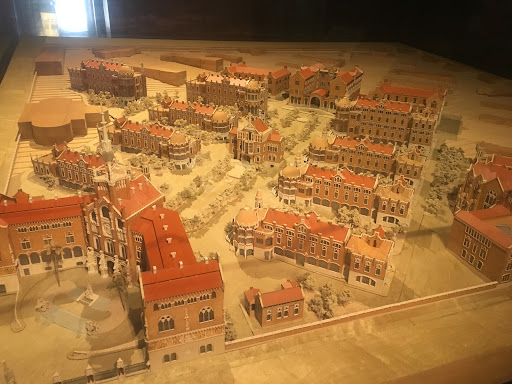
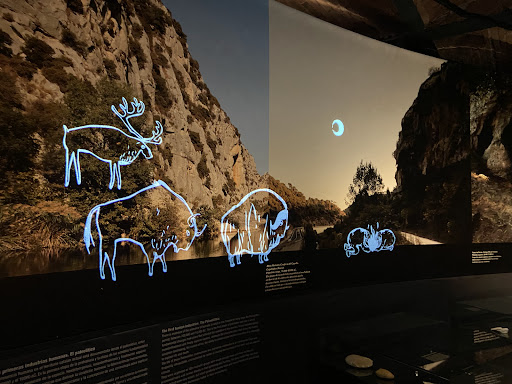
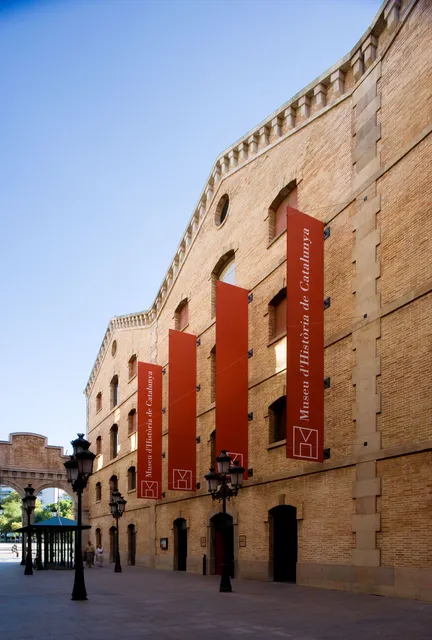
The Museum of the History of Catalonia is a history museum in Barcelona that promotes the awareness and knowledge of the history of Catalonia and its culture. The museum is located in Barcelona's Palau de Mar, the former General Stores, the sole building of Barcelona's old industrial port still standing.
Cultural
Accessibility
attractions: Aquàrium Barcelona, Basilica of Santa Maria del Mar, El Cap de Barcelona, Moll de la Fusta, Plaça Pau Vila, Facultat de Nàutica de Barcelona, Barcelona Zoo, El Born Centre de Cultura i Memòria, La Gamba, Moco Museum Barcelona, restaurants: B-ONE Palau de Mar, 1881 per Sagardi, Restaurante Terrazza Ravello, Cal Pinxo Palau de Mar, La Carioca, La Gavina, SMYRNA by Cem | Tapas Paella Cocktail Bar, Brunch & Cake by the Sea, Restaurant Brisa, MOLO 39 Palau De Mar, local businesses: Mercat de la Barceloneta, SPAR BCN BALUARD, The Sea Garden, Iglesia de San Miguel del Puerto, Moll de la Barceloneta, Estació de França, Mercadillo Artesana Palau del Mar, Muelle de la Barceloneta, El Born Centre de Cultura i Memòria, Pub Crawl Barcelona
 Learn more insights from Wanderboat AI.
Phone
+34 932 25 47 00
Website
mhcat.cat
Open hoursSee all hours
Wed10 AM - 8 PMOpen
Plan your stay

Pet-friendly Hotels in Barcelona
Find a cozy hotel nearby and make it a full experience.

Affordable Hotels in Barcelona
Find a cozy hotel nearby and make it a full experience.

The Coolest Hotels You Haven't Heard Of (Yet)
Find a cozy hotel nearby and make it a full experience.

Trending Stays Worth the Hype in Barcelona
Find a cozy hotel nearby and make it a full experience.
Reviews
Live events
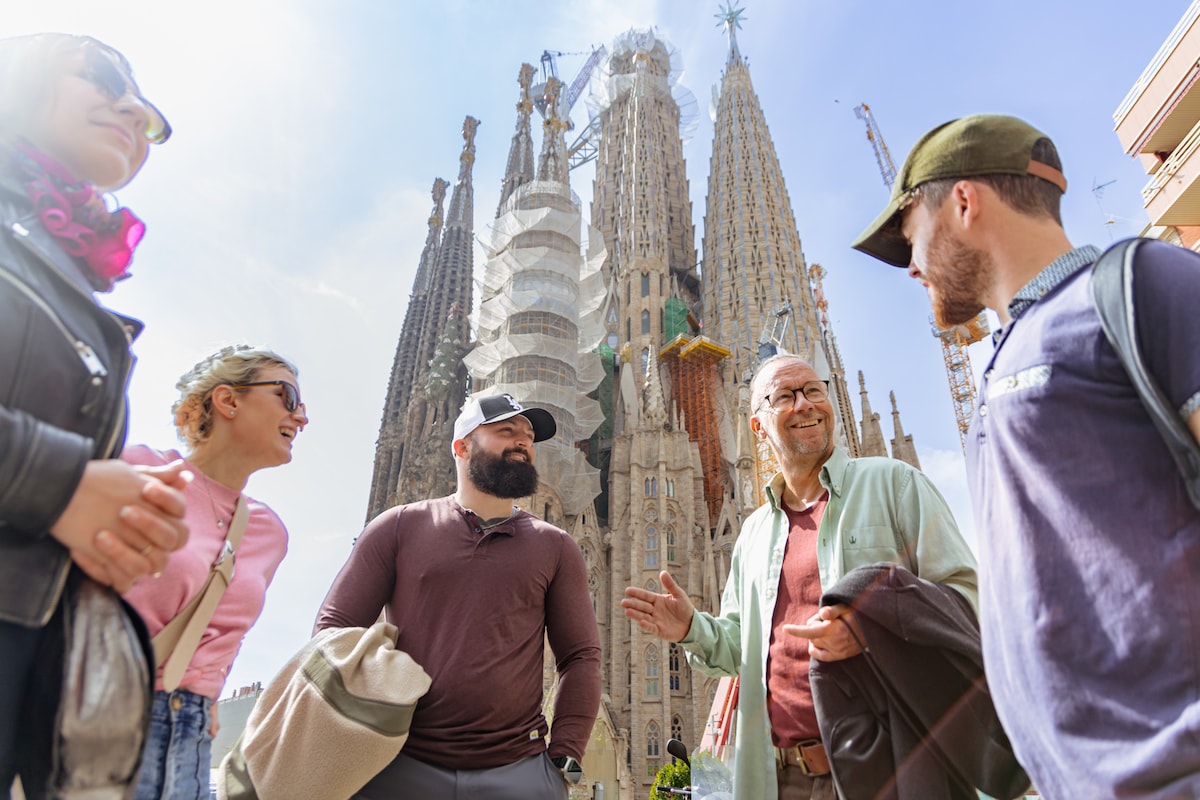
Introduction to Gaudí - Walk to Sagrada Família
Wed, Feb 4 • 10:00 AM
08002, Barcelona, Catalonia, Spain
View details

LEONARDO VERSUS MICHELANGELO
Wed, Feb 4 • 11:45 AM
Carrer del Dr. Trueta, 196, 08005
View details
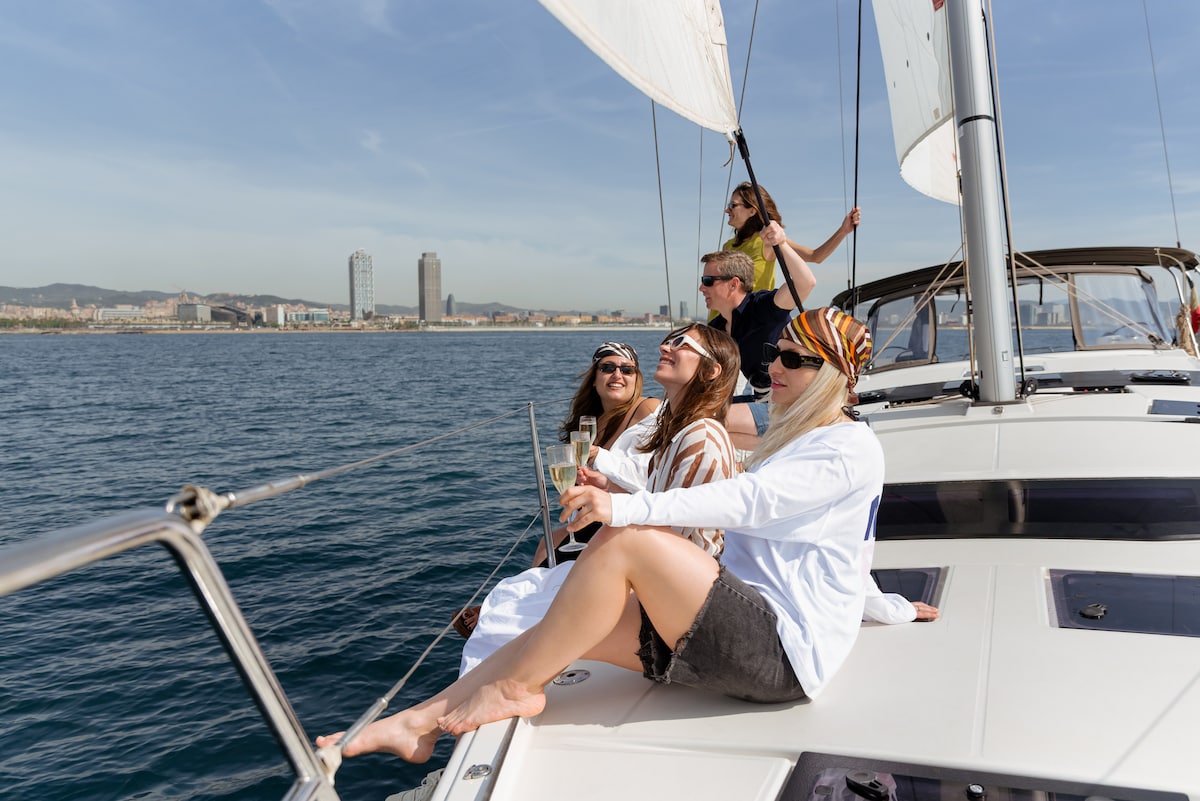
Midday and sunset sailing
Wed, Jan 28 • 4:30 PM
08039, Barcelona, Catalonia, Spain
View details
Nearby attractions of Museum of the History of Catalonia
Aquàrium Barcelona
Basilica of Santa Maria del Mar
El Cap de Barcelona
Moll de la Fusta
Plaça Pau Vila
Facultat de Nàutica de Barcelona
Barcelona Zoo
El Born Centre de Cultura i Memòria
La Gamba
Moco Museum Barcelona
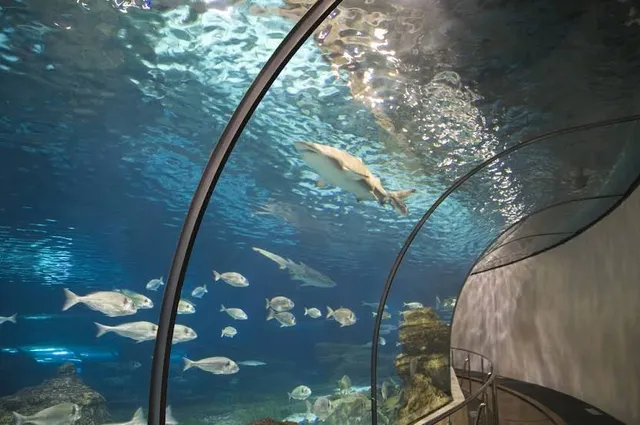
Aquàrium Barcelona
4.1
(23.9K)
Open until 7:00 PM
Click for details
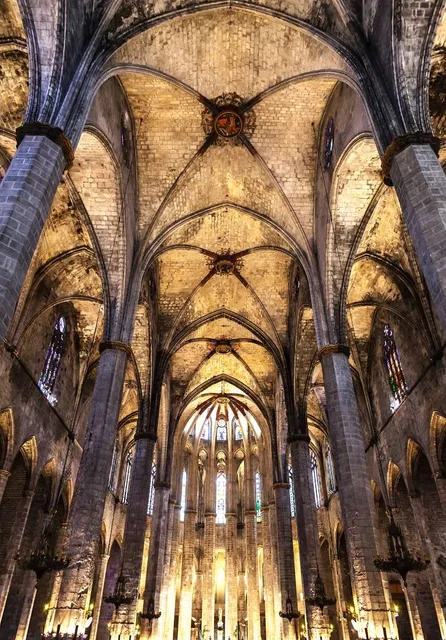
Basilica of Santa Maria del Mar
4.7
(14.9K)
Open until 8:30 PM
Click for details
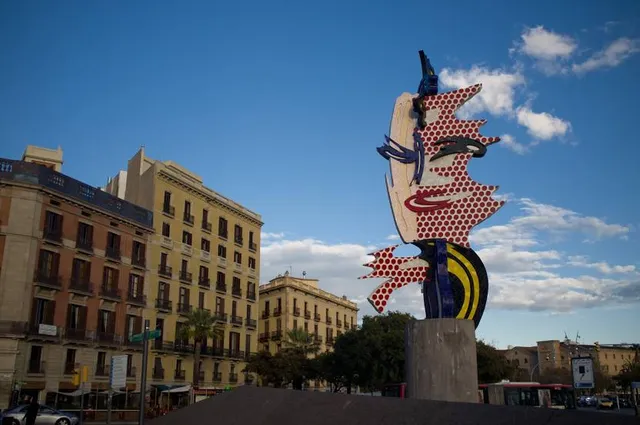
El Cap de Barcelona
4.4
(445)
Open until 12:00 AM
Click for details
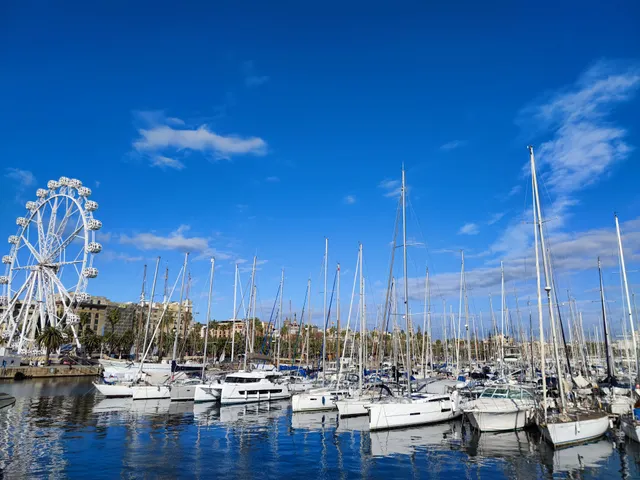
Moll de la Fusta
4.5
(1.1K)
Open until 12:00 AM
Click for details
Nearby restaurants of Museum of the History of Catalonia
B-ONE Palau de Mar
1881 per Sagardi
Restaurante Terrazza Ravello
Cal Pinxo Palau de Mar
La Carioca
La Gavina
SMYRNA by Cem | Tapas Paella Cocktail Bar
Brunch & Cake by the Sea
Restaurant Brisa
MOLO 39 Palau De Mar
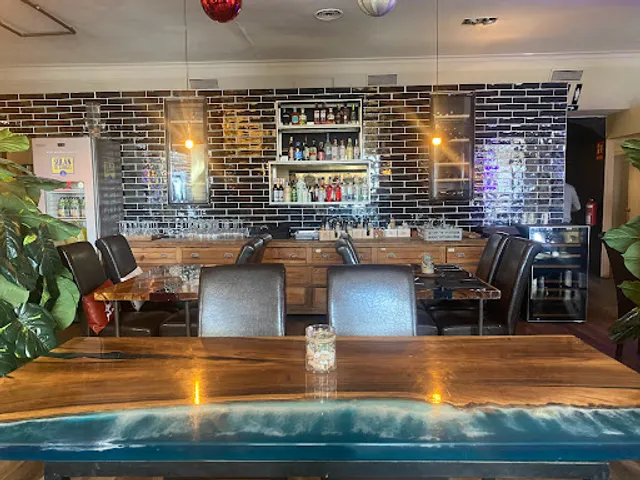
B-ONE Palau de Mar
4.4
(4K)
Open until 1:00 AM
Click for details
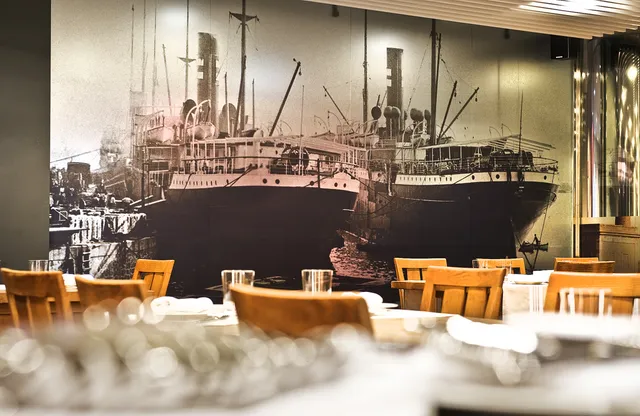
1881 per Sagardi
4.2
(1.8K)
$$$
Open until 12:00 AM
Click for details
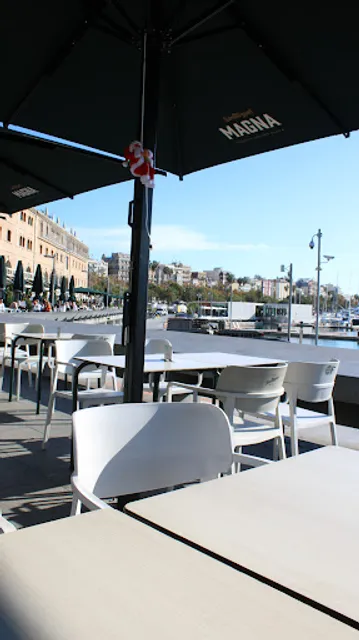
Restaurante Terrazza Ravello
4.8
(3K)
Open until 12:00 AM
Click for details
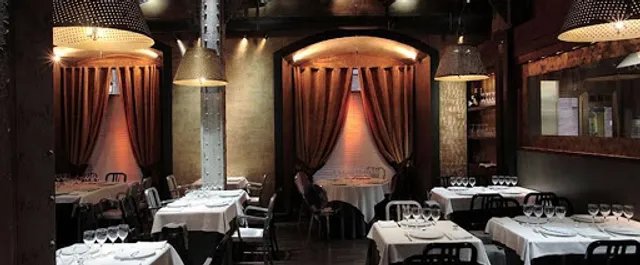
Cal Pinxo Palau de Mar
4.2
(1.5K)
$$$
Open until 12:00 AM
Click for details
Nearby local services of Museum of the History of Catalonia
Mercat de la Barceloneta
SPAR BCN BALUARD
The Sea Garden
Iglesia de San Miguel del Puerto
Moll de la Barceloneta
Estació de França
Mercadillo Artesana Palau del Mar
Muelle de la Barceloneta
El Born Centre de Cultura i Memòria
Pub Crawl Barcelona
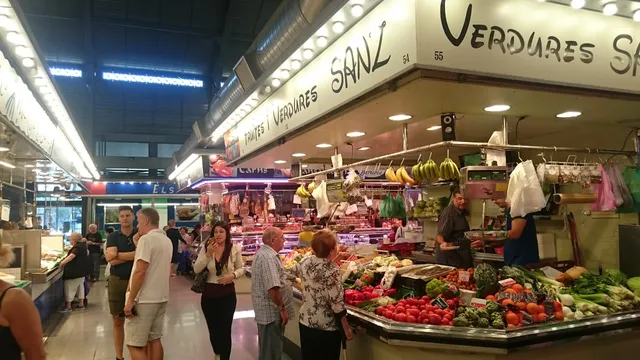
Mercat de la Barceloneta
4.2
(1.2K)
Click for details

SPAR BCN BALUARD
4.0
(281)
Click for details
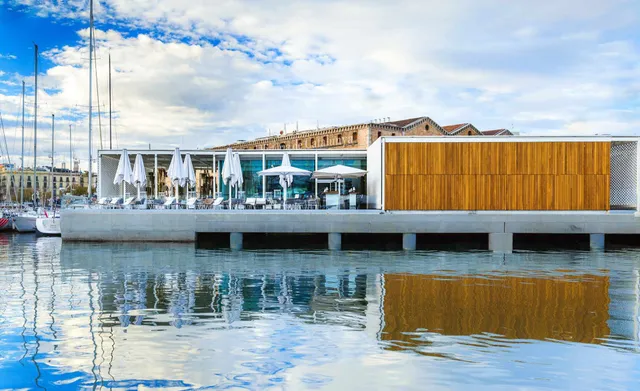
The Sea Garden
4.6
(34)
Click for details
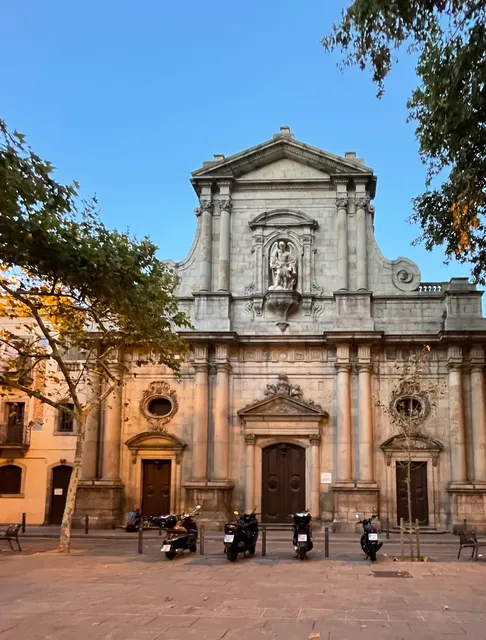
Iglesia de San Miguel del Puerto
4.4
(163)
Click for details