El Born Centre de Cultura i Memòria things to do, attractions, restaurants, events info and trip planning
Basic Info
El Born Centre de Cultura i Memòria
Mercat del Born, Plaça Comercial, 12, Ciutat Vella, 08003 Barcelona, Spain
4.5(6.6K)
Open until 7:00 PM
Save
spot
spot
Ratings & Description
Info
Cultural
Family friendly
Accessibility
attractions: Picasso Museum, Basilica of Santa Maria del Mar, Moco Museum Barcelona, Ciutadella Park, Barcelona Zoo, Museu de la Xocolata, PALAU DALMASES, Museu Etnològic i de Cultures del Món, Arxiu Fotogràfic de Barcelona, Fundació Foto Colectania, restaurants: Restaurant Casa Delfín, Puertecillo Born, GUZZO | Restaurant in Born Barcelona, Chao Pescao Seafood Born, Tlaxcal Cantina & Taquería Gastronómica, Calabrasa, Bormuth Tapas & Vermut in Born | Barcelona, Koku Kitchen | El Born, Ikibana | Born, Buon Appetito, local businesses: El Born Centre de Cultura i Memòria, ALDI, Futbol Emotion, Carhartt WIP Store Barcelona El Born, Diego Vive Barcelona, Floreria Atlantico Barcelona, Atelier Madre - Manuel Dreesmann, OKEYMAS CEM Parc de la Ciutadella, Casa Gispert, Condis Supermarket
 Learn more insights from Wanderboat AI.
Phone
+34 932 56 68 51
Website
barcelona.cat
Open hoursSee all hours
Sat10 AM - 7 PMOpen
Plan your stay

Pet-friendly Hotels in Barcelona
Find a cozy hotel nearby and make it a full experience.

Affordable Hotels in Barcelona
Find a cozy hotel nearby and make it a full experience.

The Coolest Hotels You Haven't Heard Of (Yet)
Find a cozy hotel nearby and make it a full experience.

Trending Stays Worth the Hype in Barcelona
Find a cozy hotel nearby and make it a full experience.
Reviews
Live events
LEONARDO VERSUS MICHELANGELO
Sat, Feb 21 • 1:15 PM
Carrer del Dr. Trueta, 196, 08005
View details
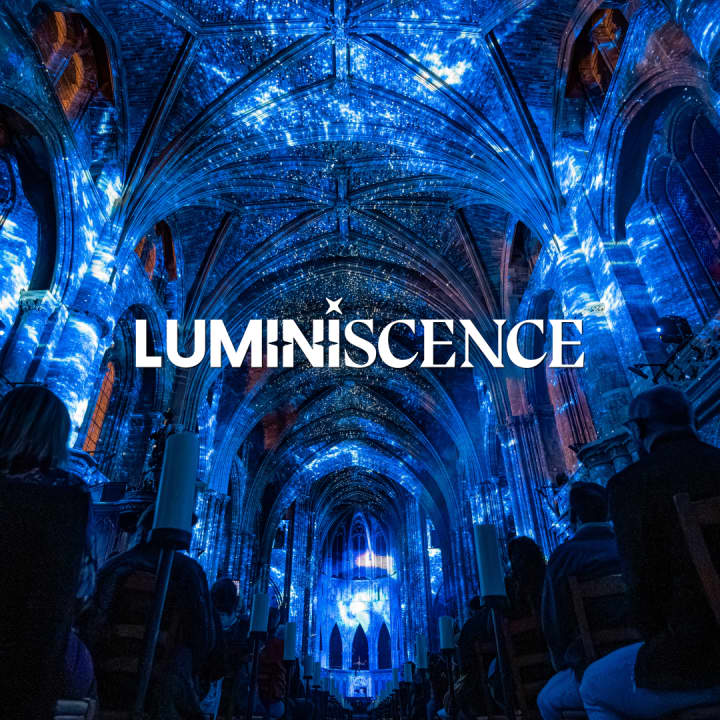
LUMINISCENCE: Sumérgete en los secretos de la Basílica Santa Maria del Pi
Sat, Feb 21 • 7:45 PM
Plaça del Pi, 7, Barcelona, 08002
View details
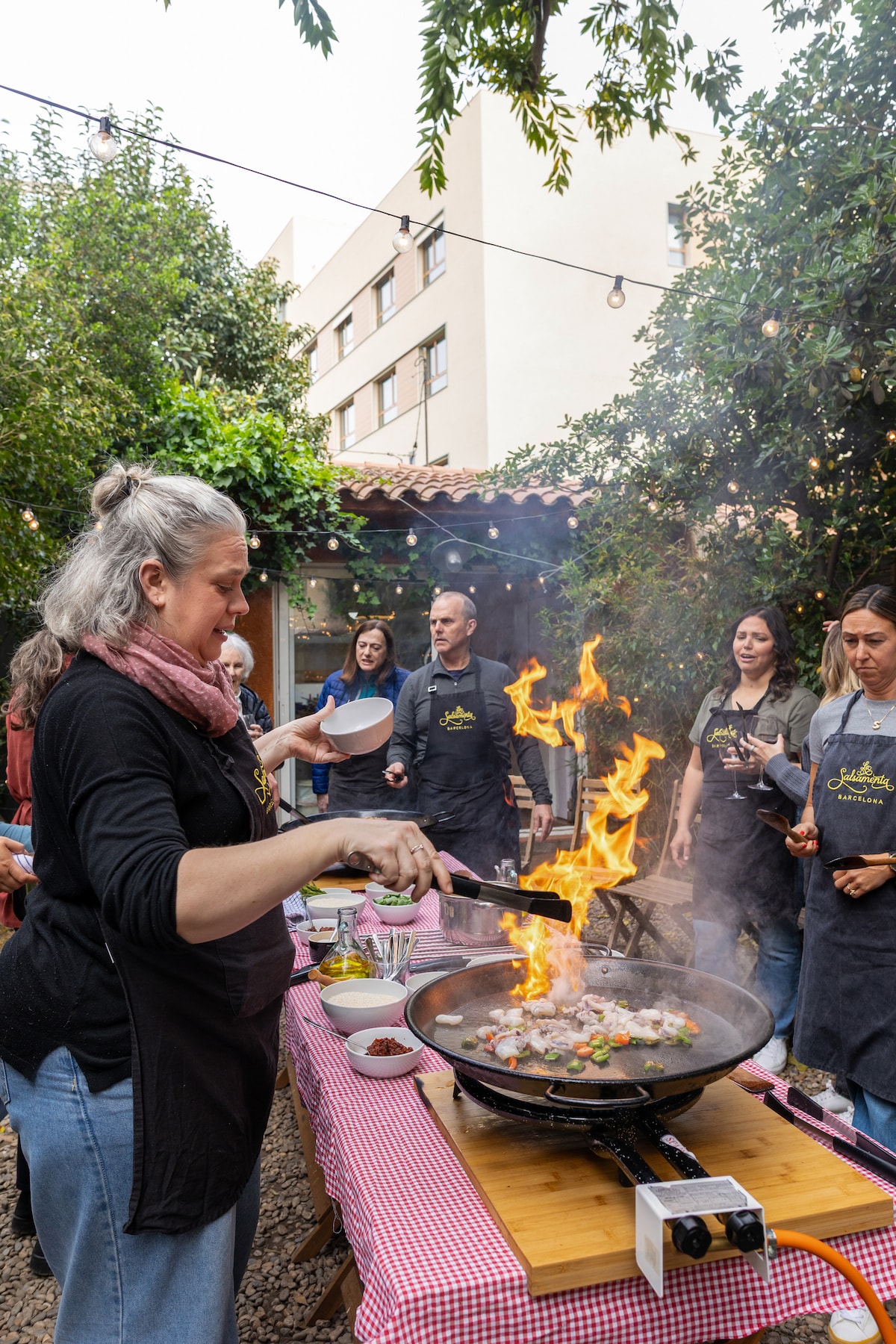
Paella in my secret garden
Sun, Feb 22 • 11:30 AM
08024, Barcelona, Catalonia, Spain
View details
Nearby attractions of El Born Centre de Cultura i Memòria
Picasso Museum
Basilica of Santa Maria del Mar
Moco Museum Barcelona
Ciutadella Park
Barcelona Zoo
Museu de la Xocolata
PALAU DALMASES
Museu Etnològic i de Cultures del Món
Arxiu Fotogràfic de Barcelona
Fundació Foto Colectania
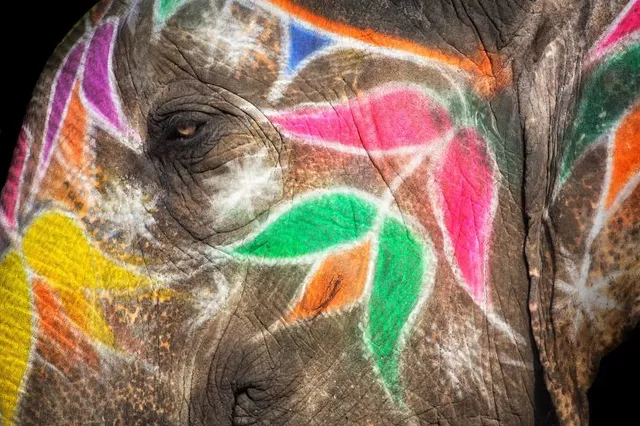
Picasso Museum
4.4
(13.8K)
Open until 7:00 PM
Click for details
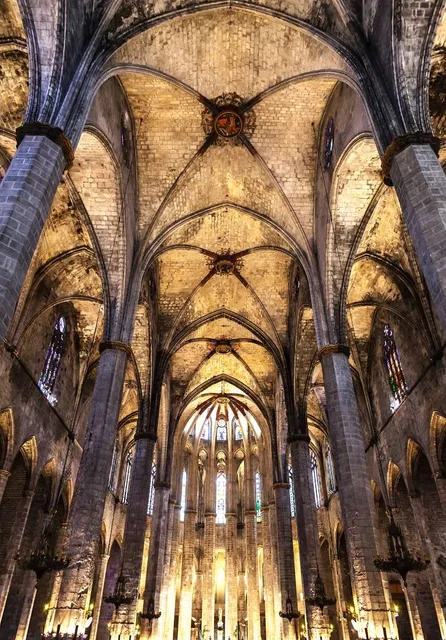
Basilica of Santa Maria del Mar
4.7
(14.9K)
Open until 8:30 PM
Click for details
Moco Museum Barcelona
4.3
(4.9K)
Open until 8:00 PM
Click for details
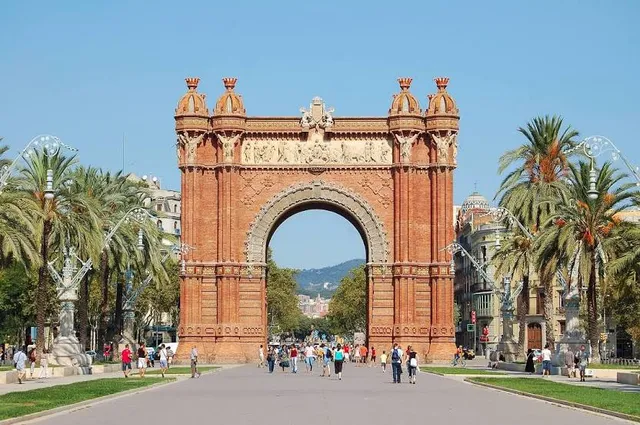
Ciutadella Park
4.6
(25.5K)
Open until 10:30 PM
Click for details
Nearby restaurants of El Born Centre de Cultura i Memòria
Restaurant Casa Delfín
Puertecillo Born
GUZZO | Restaurant in Born Barcelona
Chao Pescao Seafood Born
Tlaxcal Cantina & Taquería Gastronómica
Calabrasa
Bormuth Tapas & Vermut in Born | Barcelona
Koku Kitchen | El Born
Ikibana | Born
Buon Appetito
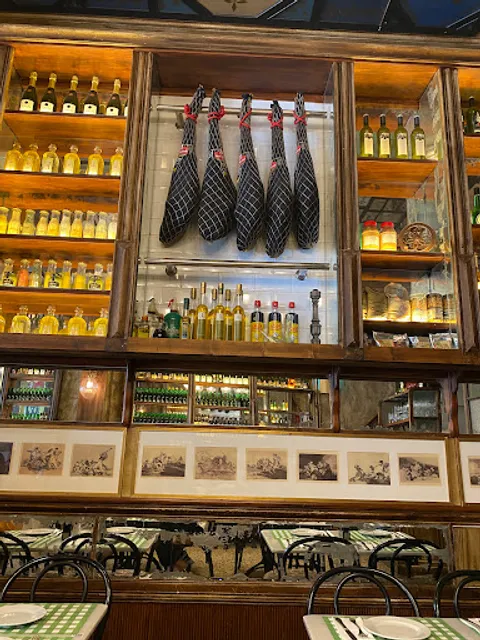
Restaurant Casa Delfín
4.4
(2.5K)
Open until 1:00 AM
Click for details
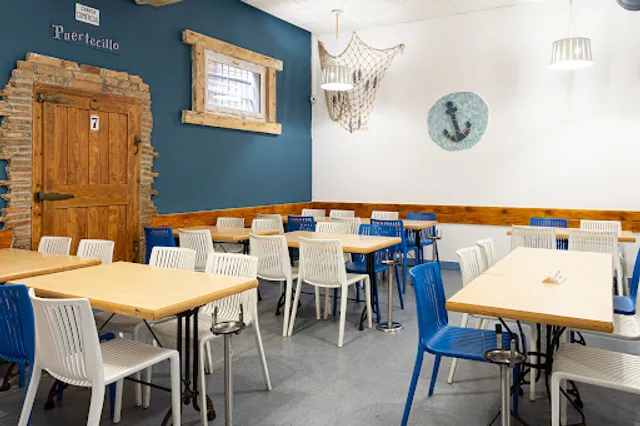
Puertecillo Born
4.5
(2.5K)
Open until 4:00 PM
Click for details
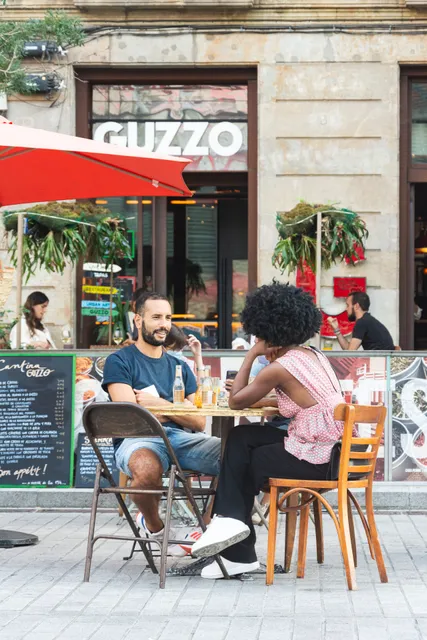
GUZZO | Restaurant in Born Barcelona
4.4
(1.7K)
Open until 1:00 AM
Click for details
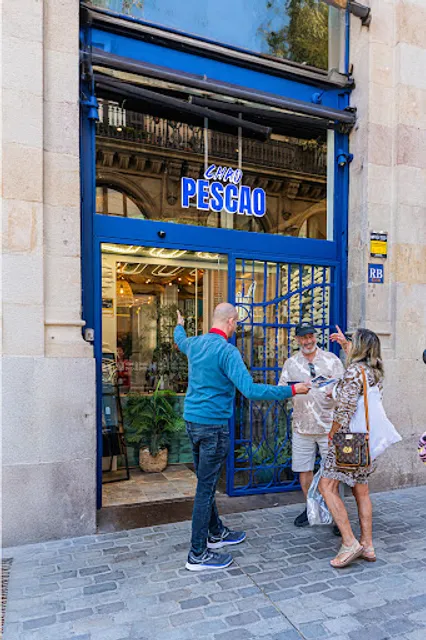
Chao Pescao Seafood Born
4.8
(1.4K)
Open until 4:00 PM
Click for details
Nearby local services of El Born Centre de Cultura i Memòria
El Born Centre de Cultura i Memòria
ALDI
Futbol Emotion
Carhartt WIP Store Barcelona El Born
Diego Vive Barcelona
Floreria Atlantico Barcelona
Atelier Madre - Manuel Dreesmann
OKEYMAS CEM Parc de la Ciutadella
Casa Gispert
Condis Supermarket
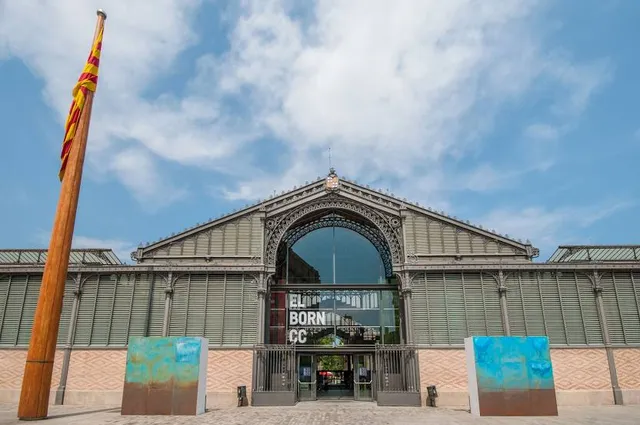
El Born Centre de Cultura i Memòria
4.4
(6.1K)
Click for details

ALDI
4.1
(754)
Click for details
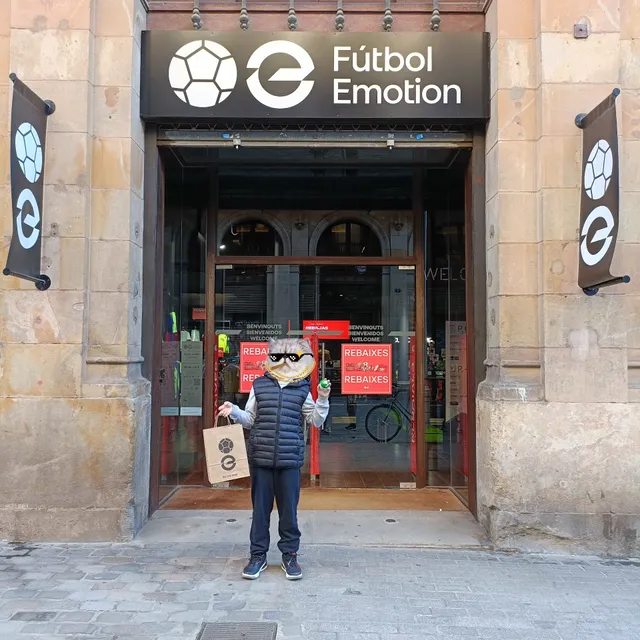
Futbol Emotion
4.2
(547)
Click for details

Carhartt WIP Store Barcelona El Born
4.3
(154)
Click for details