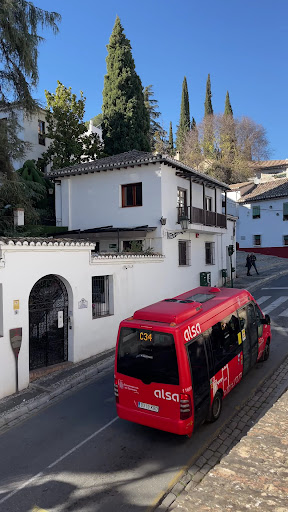
Casa del Chapiz things to do, attractions, restaurants, events info and trip planning
Basic Info
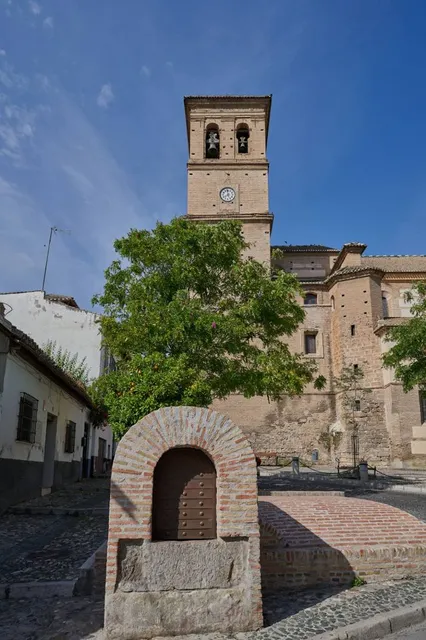
Casa del Chapiz
Cta. del Chapiz, 22, Albaicín, 18010 Granada, Spain
4.2(976)
Open 24 hours
Save
spot
spot
Ratings & Description
Info
Cultural
Accessibility
attractions: Carmen de la Victoria, Albaicín, Granada, Mirador de San Nicolás, Mirador de la Vereda de Enmedio, Peña La Platería, Nasrid Palaces, Fuente del Paseo de los Tristes, Palacio de los Cordova, Alhambra, El Camborio, restaurants: Restaurante Mirador de Morayma, Rincón del Chapiz, El Pozo, Las Tomasas, Café Bar Bocadilleria Pibe, Carmen Mirador De Aixa, Restaurante Ruta del Azafrán Granada, Restaurante Carmen De Aben Humeya, El Huerto de Juan Ranas, La Terraza., Restaurante Casa 1899 - Granada, local businesses: Cuevas Los Tarantos, Casa árabe de Horno del Oro, Cueva flamenca Los Amayas, Nasrid Palaces, Casa de Zafra, Super Kedy, Platónica, Mirador Placeta de Carvajales, Palacio Flamenco Granada, Alcazaba
 Learn more insights from Wanderboat AI.
Phone
+34 958 22 22 90
Website
eea.csic.es
Plan your stay

Pet-friendly Hotels in Granada
Find a cozy hotel nearby and make it a full experience.

Affordable Hotels in Granada
Find a cozy hotel nearby and make it a full experience.

The Coolest Hotels You Haven't Heard Of (Yet)
Find a cozy hotel nearby and make it a full experience.

Trending Stays Worth the Hype in Granada
Find a cozy hotel nearby and make it a full experience.
Reviews
Live events
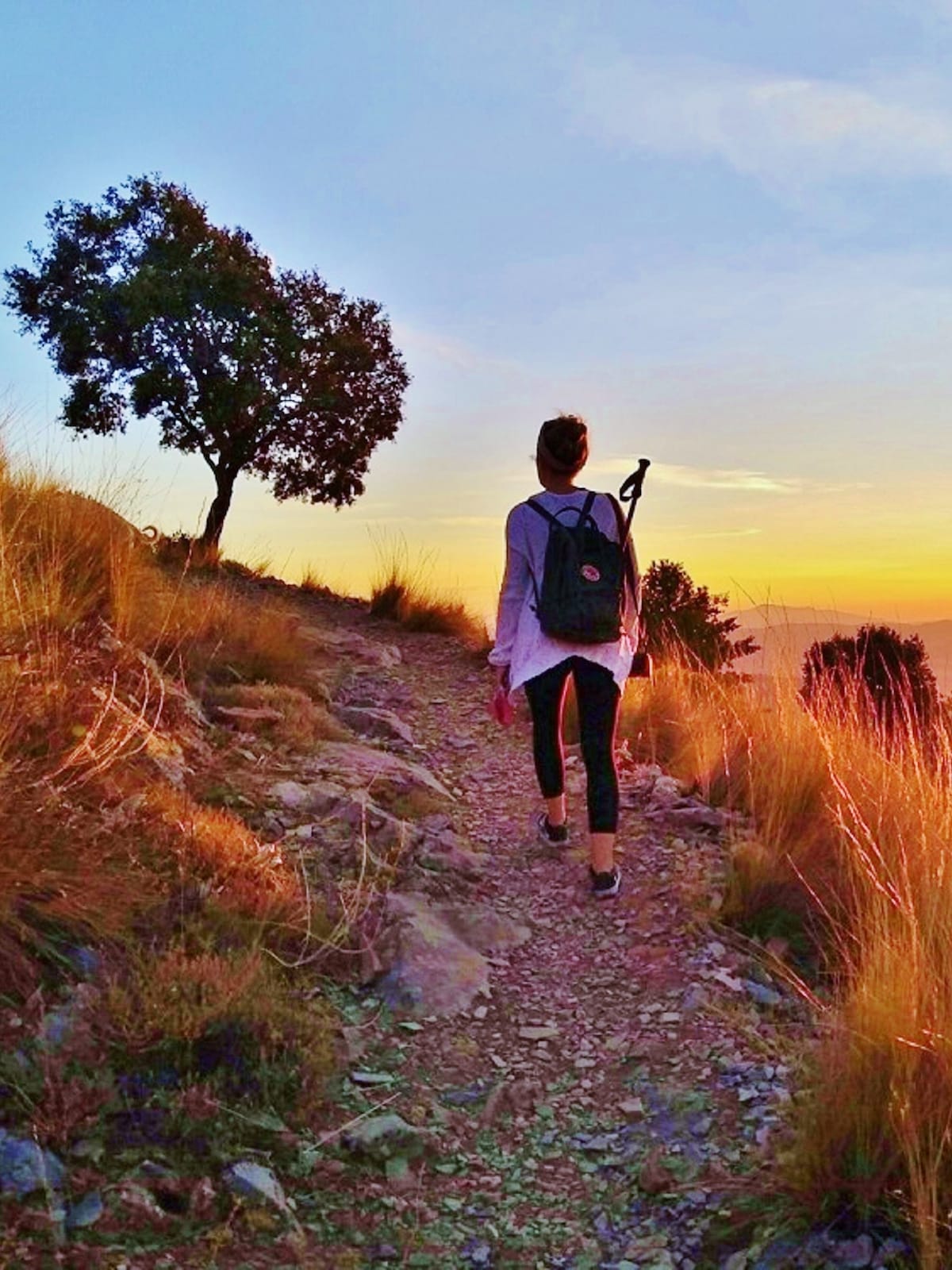
Sunset Hike & Summit Sierra Nevada with pup
Sun, Feb 8 • 4:45 PM
18008, Granada, Andalusia, Spain
View details

Valentine’s cocktail Workshop
Sat, Feb 14 • 5:00 PM
1 Calle Nueva del Santísimo 18001 Granada
View details
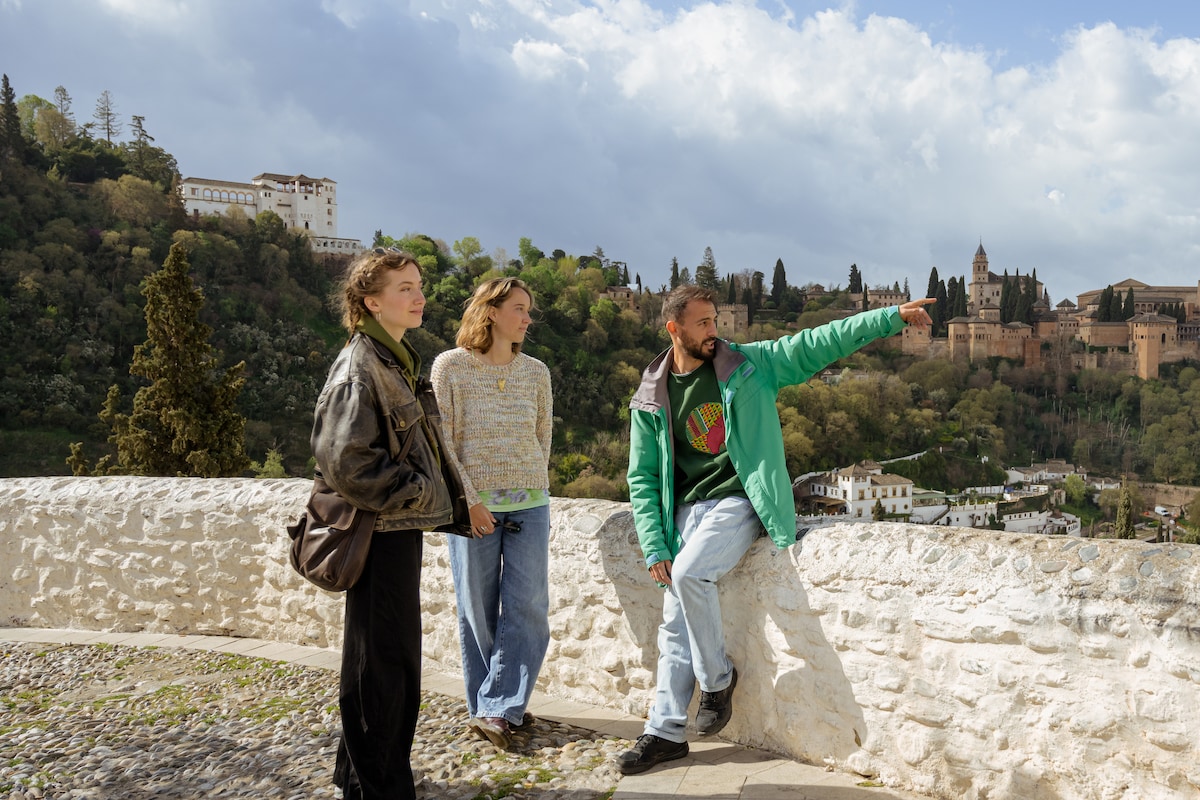
Tour the Albaicín and Sacromonte
Mon, Feb 9 • 9:00 AM
18010, Granada, Andalusia, Spain
View details
Nearby attractions of Casa del Chapiz
Carmen de la Victoria
Albaicín, Granada
Mirador de San Nicolás
Mirador de la Vereda de Enmedio
Peña La Platería
Nasrid Palaces
Fuente del Paseo de los Tristes
Palacio de los Cordova
Alhambra
El Camborio
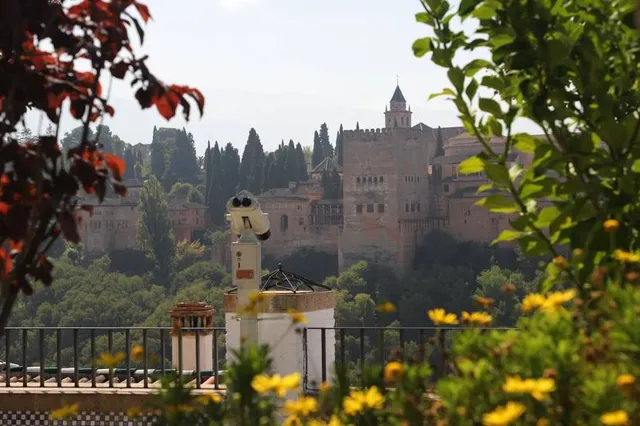
Carmen de la Victoria
4.6
(847)
Open until 12:00 AM
Click for details

Albaicín, Granada
4.8
(379)
Open 24 hours
Click for details

Mirador de San Nicolás
4.7
(26.1K)
Open until 12:00 AM
Click for details
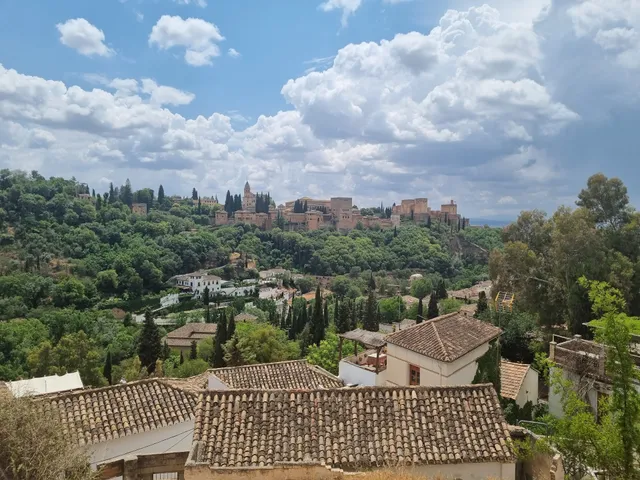
Mirador de la Vereda de Enmedio
4.7
(810)
Open until 12:00 AM
Click for details
Nearby restaurants of Casa del Chapiz
Restaurante Mirador de Morayma
Rincón del Chapiz
El Pozo
Las Tomasas
Café Bar Bocadilleria Pibe
Carmen Mirador De Aixa
Restaurante Ruta del Azafrán Granada
Restaurante Carmen De Aben Humeya
El Huerto de Juan Ranas, La Terraza.
Restaurante Casa 1899 - Granada
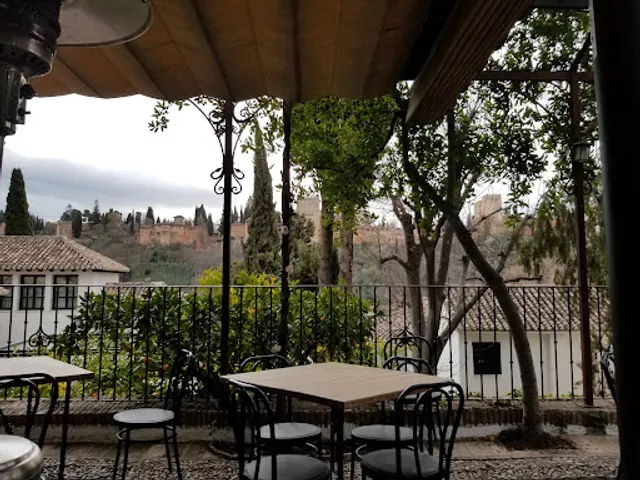
Restaurante Mirador de Morayma
4.4
(956)
$$$
Open until 12:00 AM
Click for details
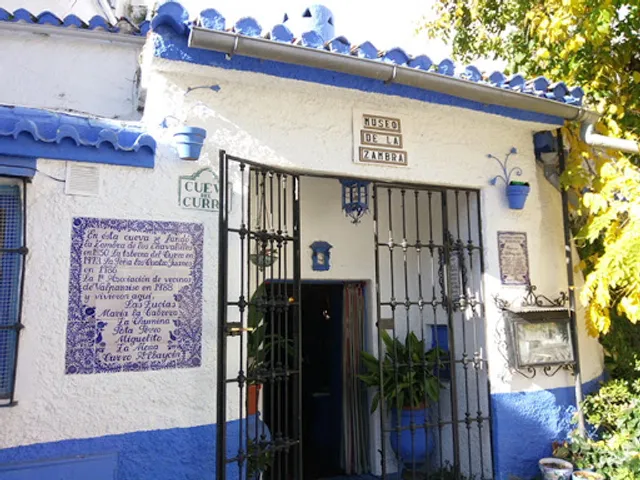
Rincón del Chapiz
3.9
(318)
Closed
Click for details
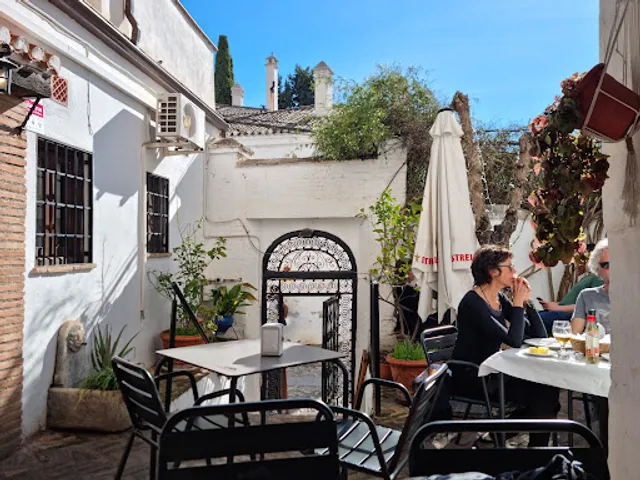
El Pozo
4.2
(516)
Open until 10:00 PM
Click for details
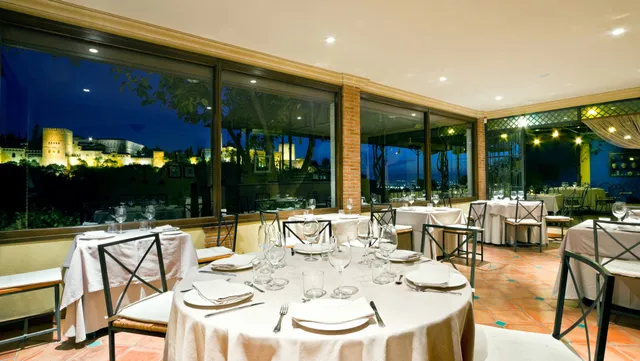
Las Tomasas
4.6
(1.0K)
$$$
Closed
Click for details
Nearby local services of Casa del Chapiz
Cuevas Los Tarantos
Casa árabe de Horno del Oro
Cueva flamenca Los Amayas
Nasrid Palaces
Casa de Zafra
Super Kedy
Platónica
Mirador Placeta de Carvajales
Palacio Flamenco Granada
Alcazaba

Cuevas Los Tarantos
4.3
(919)
Click for details
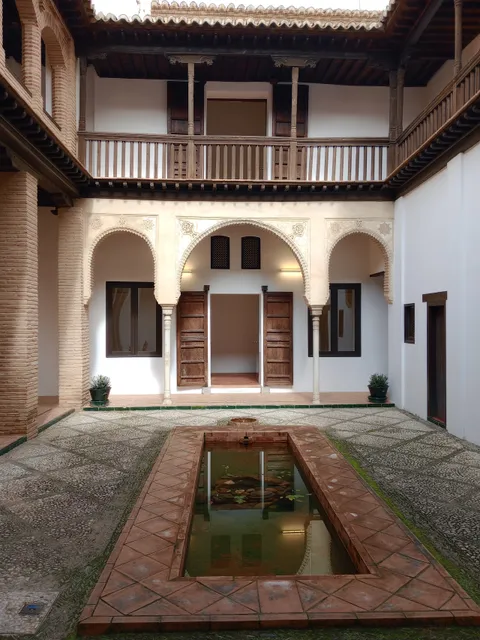
Casa árabe de Horno del Oro
4.1
(405)
Click for details
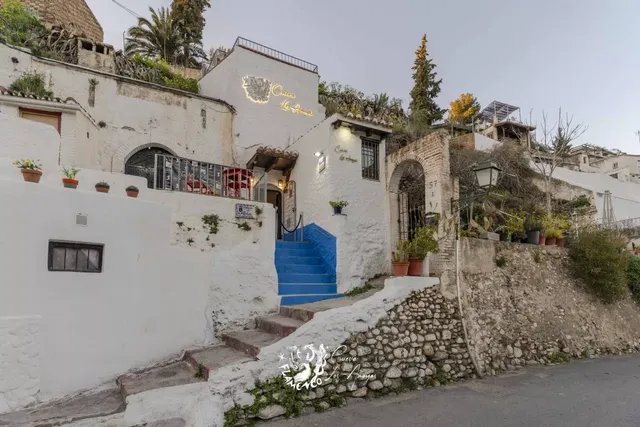
Cueva flamenca Los Amayas
4.8
(720)
Click for details
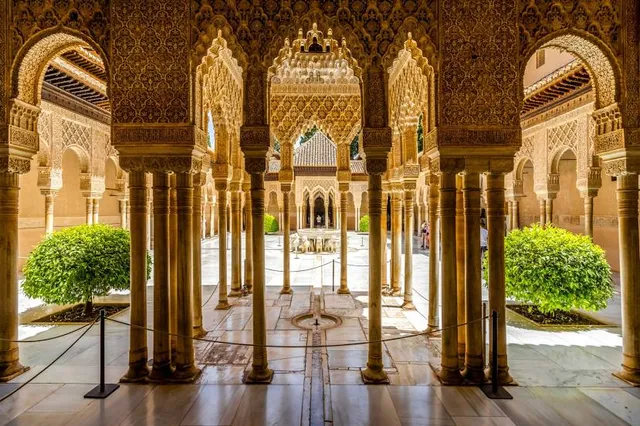
Nasrid Palaces
4.8
(7.9K)
Click for details