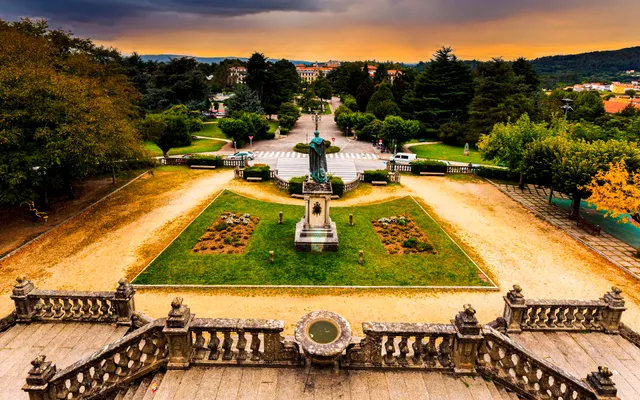
Parque da Alameda things to do, attractions, restaurants, events info and trip planning
Basic Info
Parque da Alameda
Rúa do Campiño da Ferradura, 15705 Santiago de Compostela, A Coruña, Spain
4.6(25)
Closed
Save
spot
spot
Ratings & Description
Info
Cultural
Outdoor
Relaxation
Scenic
Family friendly
Accessibility
attractions: As Duas Marias, Praza de Galicia, Capela do Pilar, Miradoiro da Catedral, Oficina de Información Turística de Santiago de Compostela, Igrexa de Santa Susana, Fonte do Toural, Palace of Fonseca, Fundación Eugenio Granell / Pazo do Marqués de Bendaña, Porch of the Glory, restaurants: A Noiesa Casa de Comidas, Mesón 42, Ferradura, Codex, Restaurante Marie Miner, La Jefatura, Restaurante Marte, Liam brunch, Café Bar Paris, El Papatorio, local businesses: Parque Alameda (Santiago de Compostela), Praza de Galicia, Cathedral of Santiago de Compostela, Aparcadoiro PARKIA - Santo Clemente - Praza do Obradoiro, O Barril Casa de Xantar, Iglesia de Santa Susana, Taberna A Poda, O' galaico, Sindueña, TROPICAL SDC ( Trop!cal )
 Learn more insights from Wanderboat AI.
Website
santiagoturismo.com
Open hoursSee all hours
TueClosed
Plan your stay

Pet-friendly Hotels in Santiago de Compostela
Find a cozy hotel nearby and make it a full experience.

Affordable Hotels in Santiago de Compostela
Find a cozy hotel nearby and make it a full experience.

The Coolest Hotels You Haven't Heard Of (Yet)
Find a cozy hotel nearby and make it a full experience.

Trending Stays Worth the Hype in Santiago de Compostela
Find a cozy hotel nearby and make it a full experience.
Reviews
Live events

Candlelight: Especial de San Valentín
Sat, Feb 28 • 7:00 PM
Campillo de, Costa de San Francisco, 3, Santiago de Compostela, 15705
View details
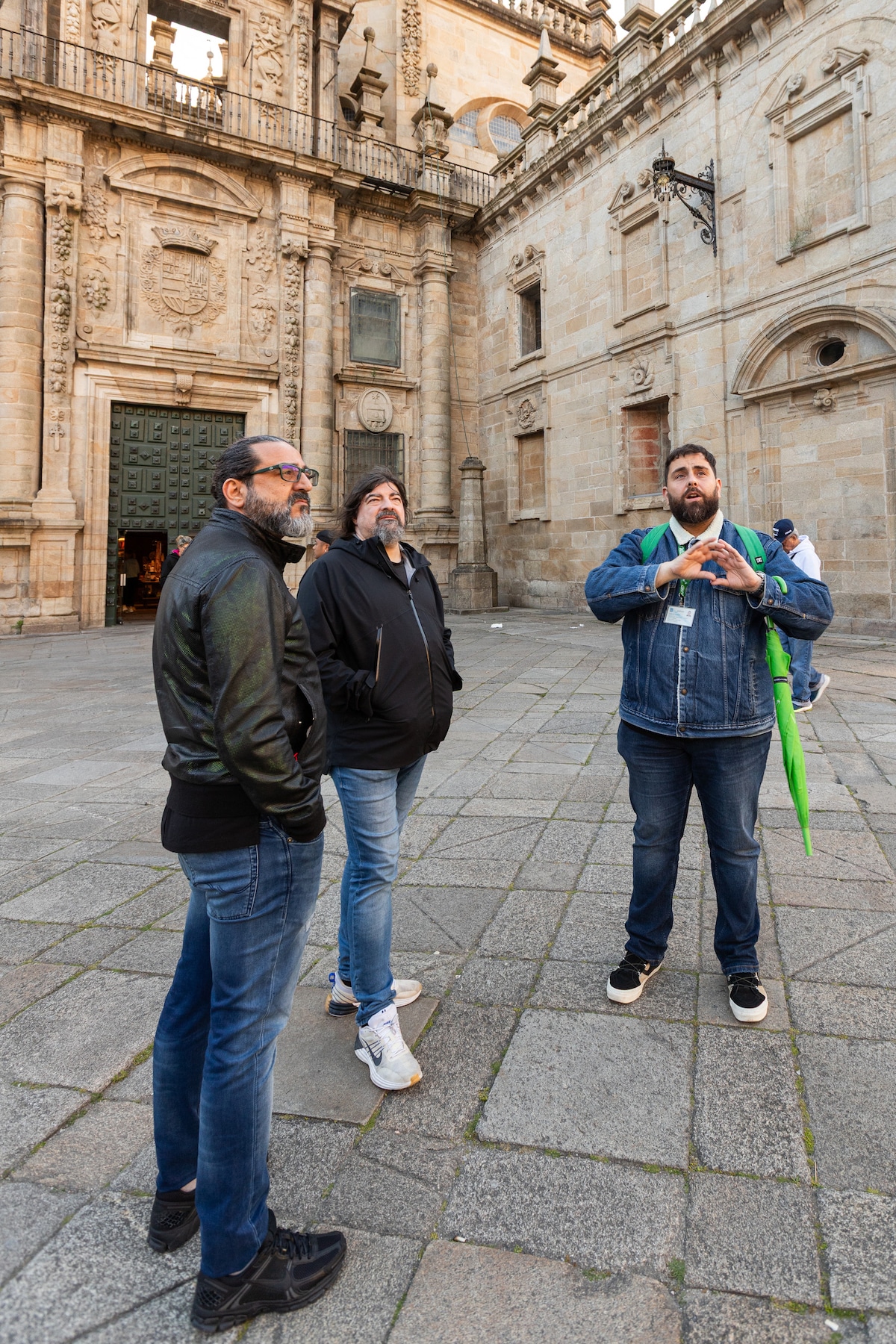
Secrets of Compostela Night Tour
Tue, Feb 24 • 8:00 PM
15704, Santiago de Compostela, ES, Spain
View details
Santiago Outdoor Exploration Game
Sun, Feb 1 • 12:00 AM
Praza da Inmaculada, 2, Santiago de Compostela, 15704
View details
Nearby attractions of Parque da Alameda
As Duas Marias
Praza de Galicia
Capela do Pilar
Miradoiro da Catedral
Oficina de Información Turística de Santiago de Compostela
Igrexa de Santa Susana
Fonte do Toural
Palace of Fonseca
Fundación Eugenio Granell / Pazo do Marqués de Bendaña
Porch of the Glory
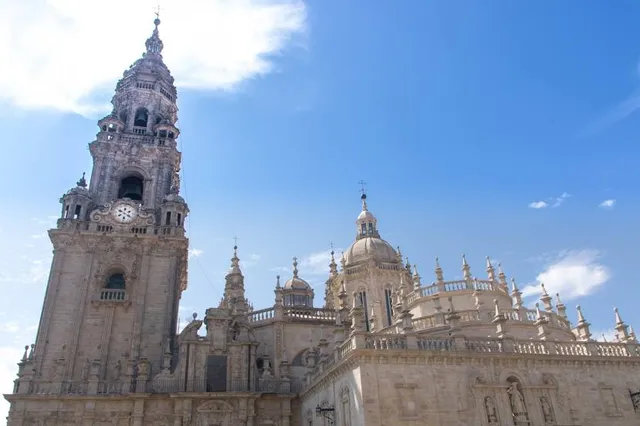
As Duas Marias
4.6
(713)
Open until 12:00 AM
Click for details
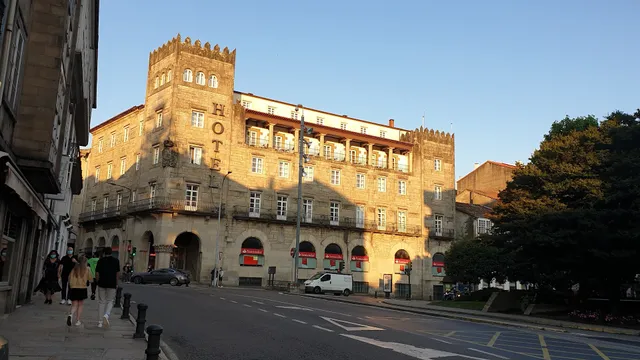
Praza de Galicia
4.3
(5K)
Open until 12:00 AM
Click for details
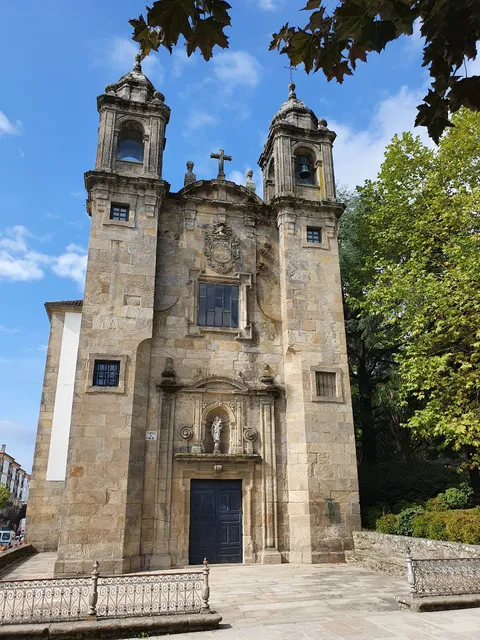
Capela do Pilar
4.5
(146)
Open until 12:00 AM
Click for details
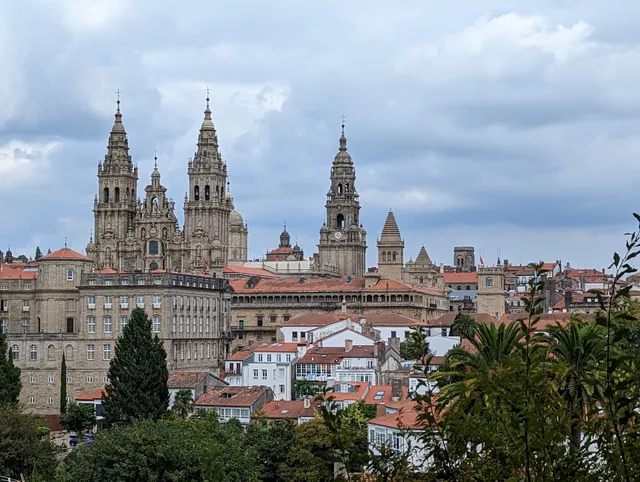
Miradoiro da Catedral
4.8
(526)
Open until 12:00 AM
Click for details
Nearby restaurants of Parque da Alameda
A Noiesa Casa de Comidas
Mesón 42
Ferradura
Codex
Restaurante Marie Miner
La Jefatura
Restaurante Marte
Liam brunch
Café Bar Paris
El Papatorio
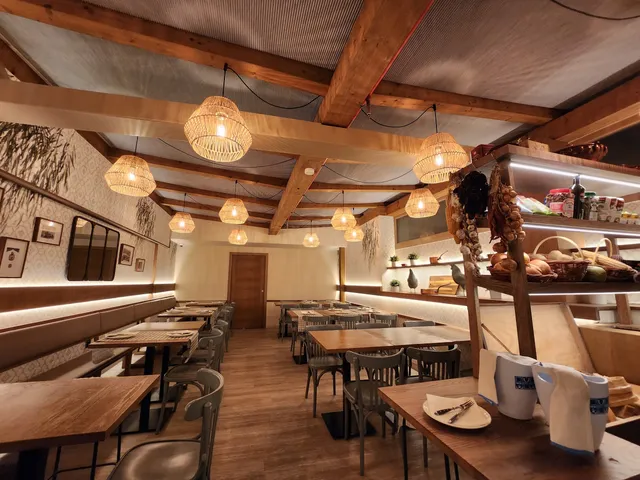
A Noiesa Casa de Comidas
4.8
(2.6K)
$$
Closed
Click for details
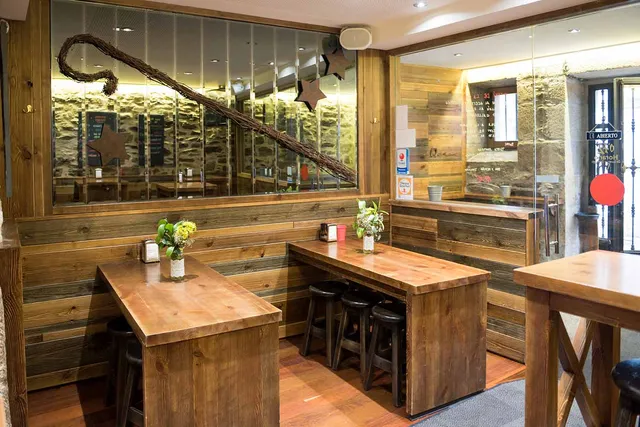
Mesón 42
4.5
(2.3K)
Closed
Click for details
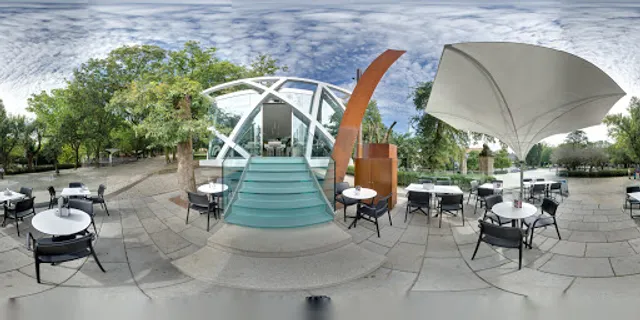
Ferradura
4.2
(237)
Open until 12:00 AM
Click for details
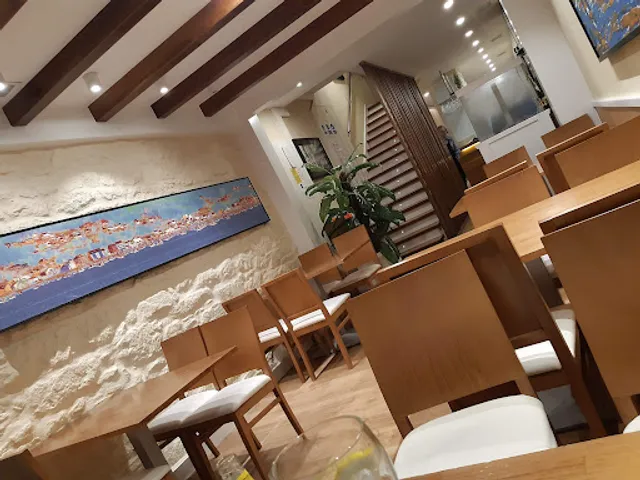
Codex
4.4
(1.1K)
Closed
Click for details
Nearby local services of Parque da Alameda
Parque Alameda (Santiago de Compostela)
Praza de Galicia
Cathedral of Santiago de Compostela
Aparcadoiro PARKIA - Santo Clemente - Praza do Obradoiro
O Barril Casa de Xantar
Iglesia de Santa Susana
Taberna A Poda
O' galaico
Sindueña
TROPICAL SDC ( Trop!cal )
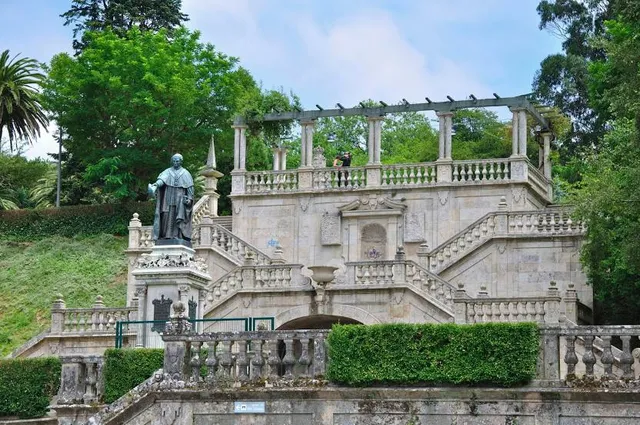
Parque Alameda (Santiago de Compostela)
4.6
(7.4K)
Click for details
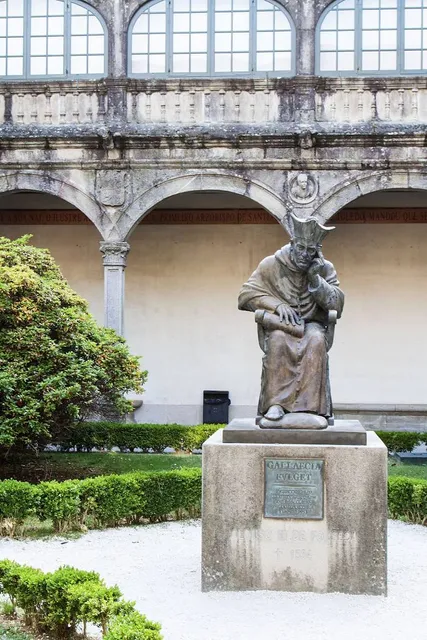
Praza de Galicia
4.2
(4K)
Click for details
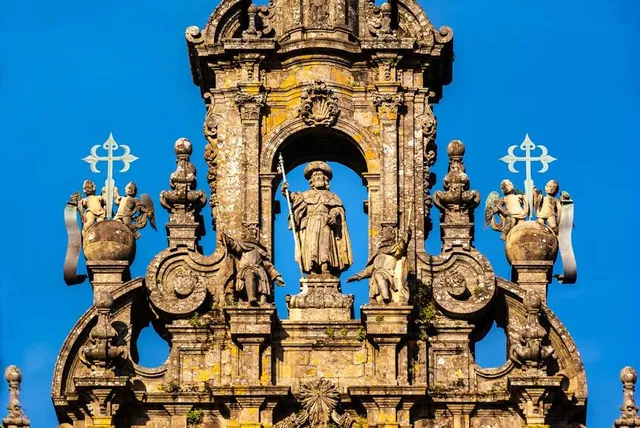
Cathedral of Santiago de Compostela
4.7
(28.6K)
Click for details
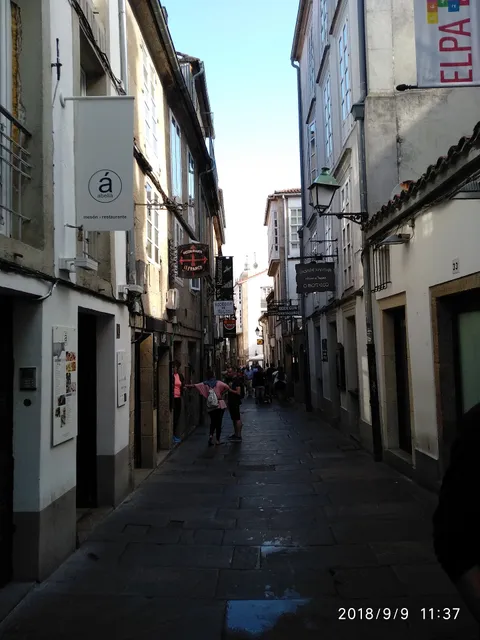
Aparcadoiro PARKIA - Santo Clemente - Praza do Obradoiro
3.7
(558)
Click for details