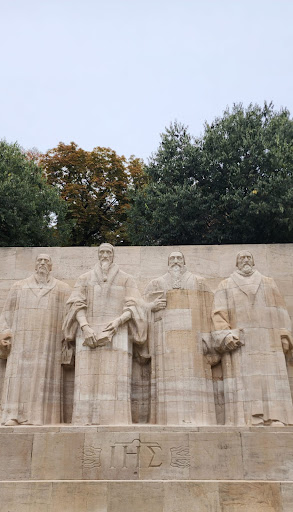
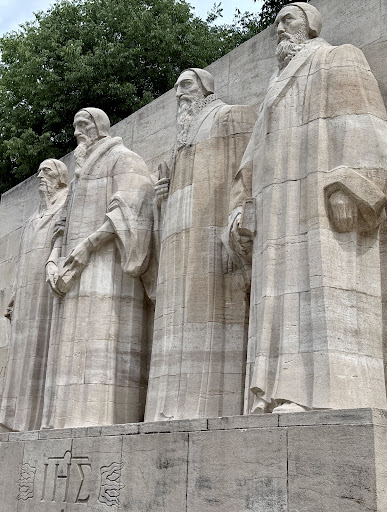
Reformation Wall - Paul Landowski things to do, attractions, restaurants, events info and trip planning
Basic Info
Reformation Wall - Paul Landowski
Prom. des Bastions 1, 1204 Genève, Switzerland
4.5(1.6K)
Open until 12:00 AM
Save
spot
spot
Ratings & Description
Info
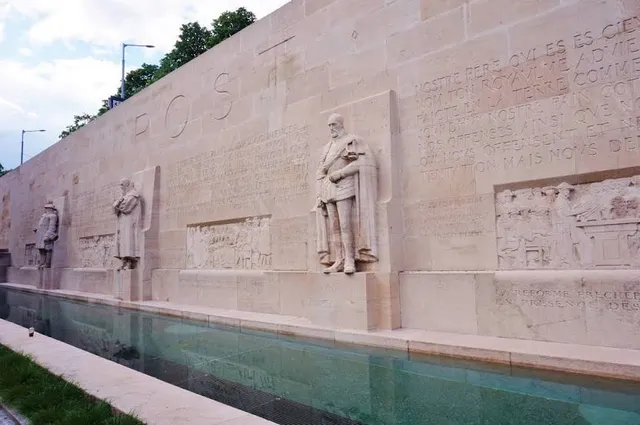
The International Monument to the Reformation, usually known as the Reformation Wall, was inaugurated in 1909 in Geneva, Switzerland. It honours many of the main individuals, events, and documents of the Protestant Reformation by depicting them in statues and bas-reliefs.
Cultural
Outdoor
Accessibility
attractions: Promenade de la Treille, St Pierre Cathedral, Tavel House, University of Geneva, Parc des Bastions, Place du Bourg-de-Four, L'Ancien Arsenal, House of Rousseau and Literature (MRL), International Museum of the Reformation, Musée Rath, restaurants: Kiosque des Bastions, Restaurant Les Armures, Café PAPON, Pages & Sips, Café La Clémence, Au Carnivore, Chez ma cousine Bourg-de-four, Flanagan's, Crêperie du Bourg-de-Four, Visitaly, local businesses: Place du Bourg-de-Four, Alhambra, Geneva City Hall, Site archéologique de la Cathédrale Saint-Pierre de Genève, Municipal property management of the City of Geneva, Gelateria La Gelosa, Confédération Centre, Guillaume Bichet, Chapelle des Macchabées, Sobeauty's Home Institut
 Learn more insights from Wanderboat AI.
Website
ville-geneve.ch
Open hoursSee all hours
TueOpen 24 hoursOpen
Plan your stay

Pet-friendly Hotels in Geneva
Find a cozy hotel nearby and make it a full experience.

Affordable Hotels in Geneva
Find a cozy hotel nearby and make it a full experience.

The Coolest Hotels You Haven't Heard Of (Yet)
Find a cozy hotel nearby and make it a full experience.

Trending Stays Worth the Hype in Geneva
Find a cozy hotel nearby and make it a full experience.
Reviews
Live events
Candlelight : Les Quatre Saisons de Vivaldi
Wed, Feb 25 • 8:30 PM
Quai des Bergues 33, Genève, 1201
View details

Pixel Zoo Jungle - Joue. Apprends. Explore.
Wed, Feb 25 • 9:30 AM
Rue de Berne 49, Genève, 1201
View details

Chocolate Flavours Tours of Geneva
Tue, Feb 24 • 2:30 PM
1201, Geneva, Switzerland
View details
Nearby attractions of Reformation Wall - Paul Landowski
Promenade de la Treille
St Pierre Cathedral
Tavel House
University of Geneva
Parc des Bastions
Place du Bourg-de-Four
L'Ancien Arsenal
House of Rousseau and Literature (MRL)
International Museum of the Reformation
Musée Rath
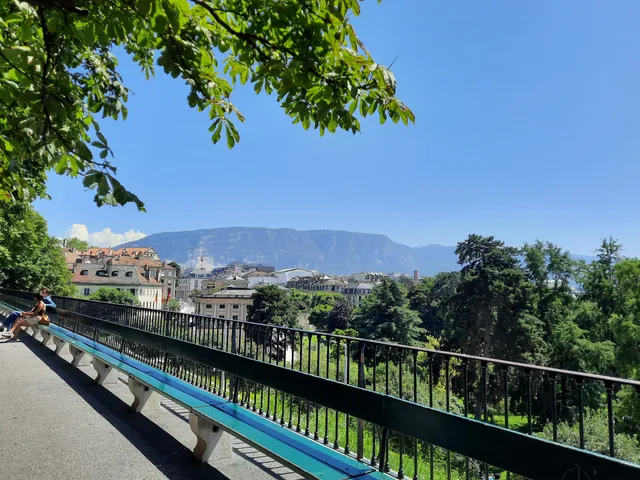
Promenade de la Treille
4.6
(552)
Open until 12:00 AM
Click for details
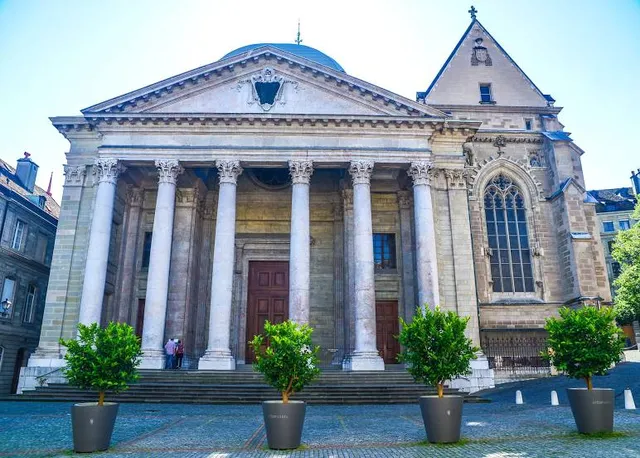
St Pierre Cathedral
4.6
(3.7K)
Open until 5:30 PM
Click for details
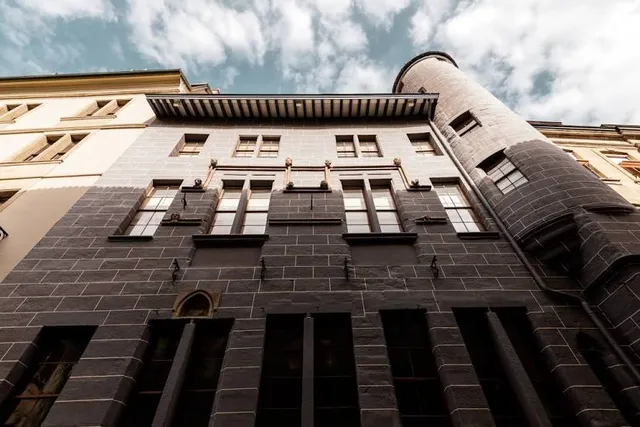
Tavel House
4.5
(529)
Open until 12:00 AM
Click for details
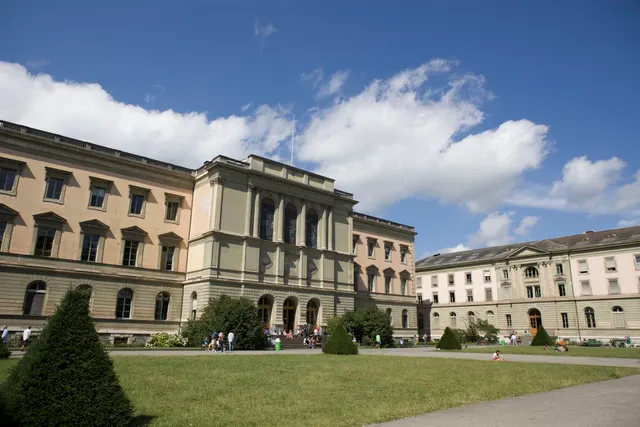
University of Geneva
4.3
(213)
Open 24 hours
Click for details
Nearby restaurants of Reformation Wall - Paul Landowski
Kiosque des Bastions
Restaurant Les Armures
Café PAPON
Pages & Sips
Café La Clémence
Au Carnivore
Chez ma cousine Bourg-de-four
Flanagan's
Crêperie du Bourg-de-Four
Visitaly
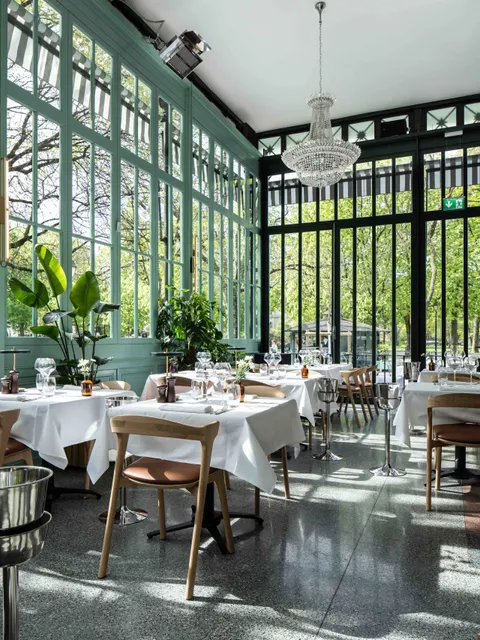
Kiosque des Bastions
4.4
(3.6K)
$$
Open until 12:00 AM
Click for details
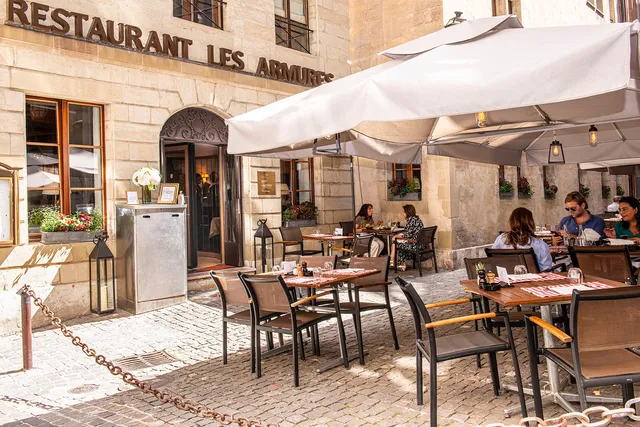
Restaurant Les Armures
4.6
(1.7K)
$$$
Open until 10:30 PM
Click for details
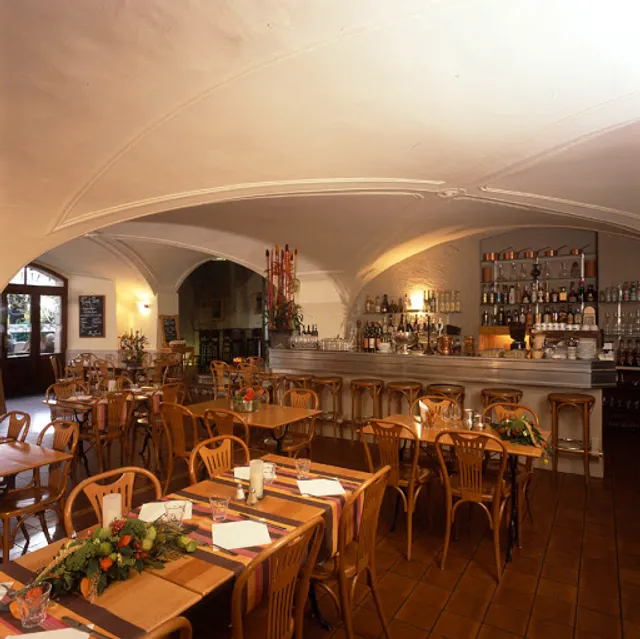
Café PAPON
4.5
(282)
$$$
Open until 11:30 PM
Click for details
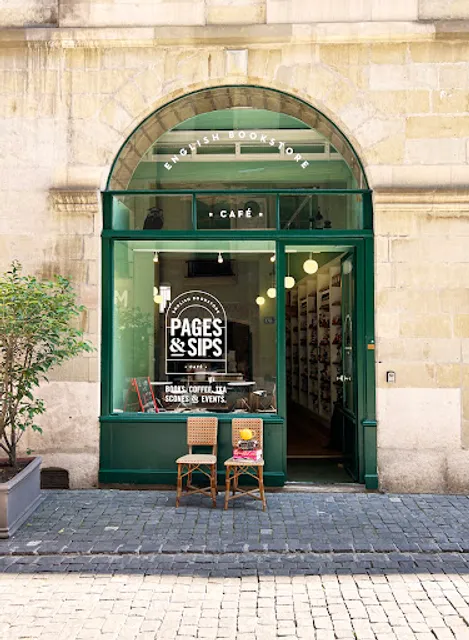
Pages & Sips
4.5
(342)
Open until 6:00 PM
Click for details
Nearby local services of Reformation Wall - Paul Landowski
Place du Bourg-de-Four
Alhambra
Geneva City Hall
Site archéologique de la Cathédrale Saint-Pierre de Genève
Municipal property management of the City of Geneva
Gelateria La Gelosa
Confédération Centre
Guillaume Bichet
Chapelle des Macchabées
Sobeauty's Home Institut
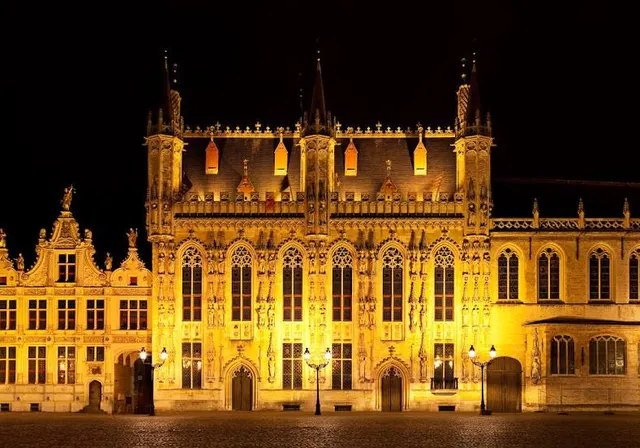
Place du Bourg-de-Four
4.5
(974)
Click for details
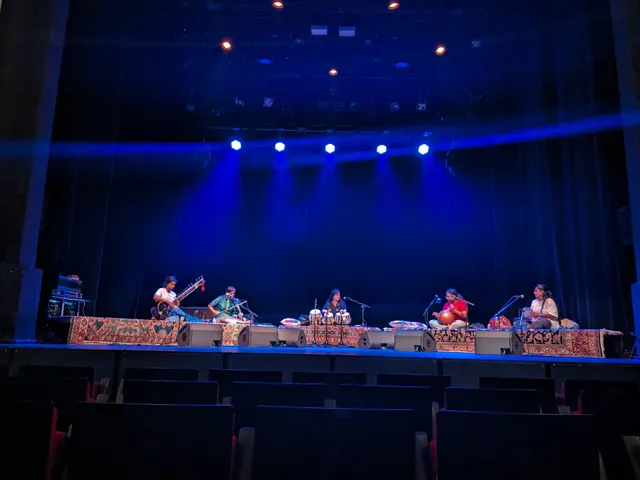
Alhambra
4.6
(397)
Click for details
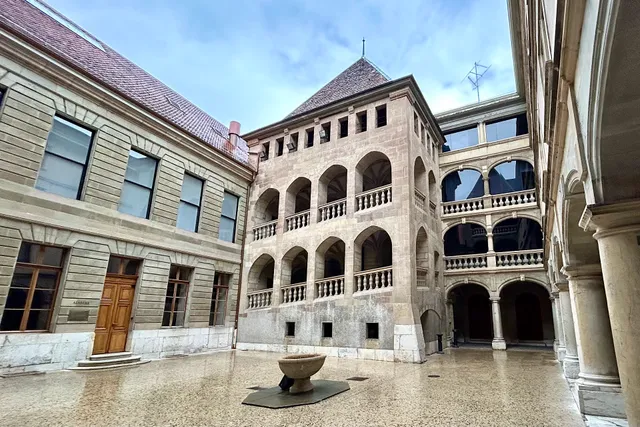
Geneva City Hall
4.8
(29)
Click for details

Site archéologique de la Cathédrale Saint-Pierre de Genève
4.6
(74)
Click for details