Wat Indharaviharn things to do, attractions, restaurants, events info and trip planning
Basic Info
Wat Indharaviharn
144 ถ. วิสุทธิกษัตริย์ Bang Khun Phrom, Phra Nakhon, Bangkok 10200, Thailand
4.6(1.5K)
Closed
Save
spot
spot
Ratings & Description
Info
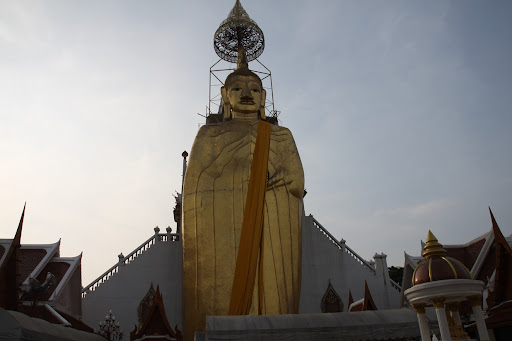
Wat Intharawihan or Wat Intharavihan is a Third Class Royal wat located in the Phra Nakhon District of Bangkok, Thailand. It is noted for its 32 metres high standing Buddha statue known as Luang Pho To or "Phra Si Ariyamettrai" that was erected on the inspiration of the still highly revered abbott Somdej Toh.
Cultural
Accessibility
attractions: Bang Khun Phrom Palace, The Bank of Thailand Museum, Ladawan Palace, Bangkok Local Museum Phra Nakorn District, Prince Vivadhanajaya Library, Rajadamnern Muay Thai Stadium, Office of National Museums, Phra Sumen Fort, Bang Lamphu Museum, Golden Teak Museum, restaurants: 292 Slowbar Cafe - บริการจัดเลี้ยงกาแฟสด นอกสถานที่, Unbranded Cafe, Pranchiwan Cafe, ผัดไทยายแถม, Snooze Coffee House, The Island Restaurant Thai food & Vegetarian And Bar., Chiewchan Panich (Thewet Boiled Rice), Grazie Restaurant, โกปี๊เฮี้ยะไถ่กี่ ณ ประชาธิปไตย ข้างวัดมกุฏฯ KopeHyaTaiKee @Prachathipatai, Culture Café, local businesses: Ruam Yang Market, ThaiThong ThaiThong Massage, Si Sao Thewes Market, SPAYA Massage, Wat Devaraj Kunchon, Wat Bowonniwetwiharn Ratchaworawiharn, Wat Bowonniwetwiharn Ratchaworawiharn, Hello Modern Design (SIM card & luggage shop), Rama 8 Bridge, Thailanta Kaosan Massage
 Learn more insights from Wanderboat AI.
Phone
+66 2 282 3173
Website
facebook.com
Open hoursSee all hours
Tue6 AM - 6 PMClosed
Plan your stay

Pet-friendly Hotels in Bang Khun Phrom Subdistrict
Find a cozy hotel nearby and make it a full experience.

Affordable Hotels in Bang Khun Phrom Subdistrict
Find a cozy hotel nearby and make it a full experience.

The Coolest Hotels You Haven't Heard Of (Yet)
Find a cozy hotel nearby and make it a full experience.

Trending Stays Worth the Hype in Bang Khun Phrom Subdistrict
Find a cozy hotel nearby and make it a full experience.
Reviews
Live events

Must-Try: Hidden Bangkok Bike and Food tour
Wed, Feb 25 • 10:00 AM
Khlong San, Bangkok, 10600, Thailand
View details
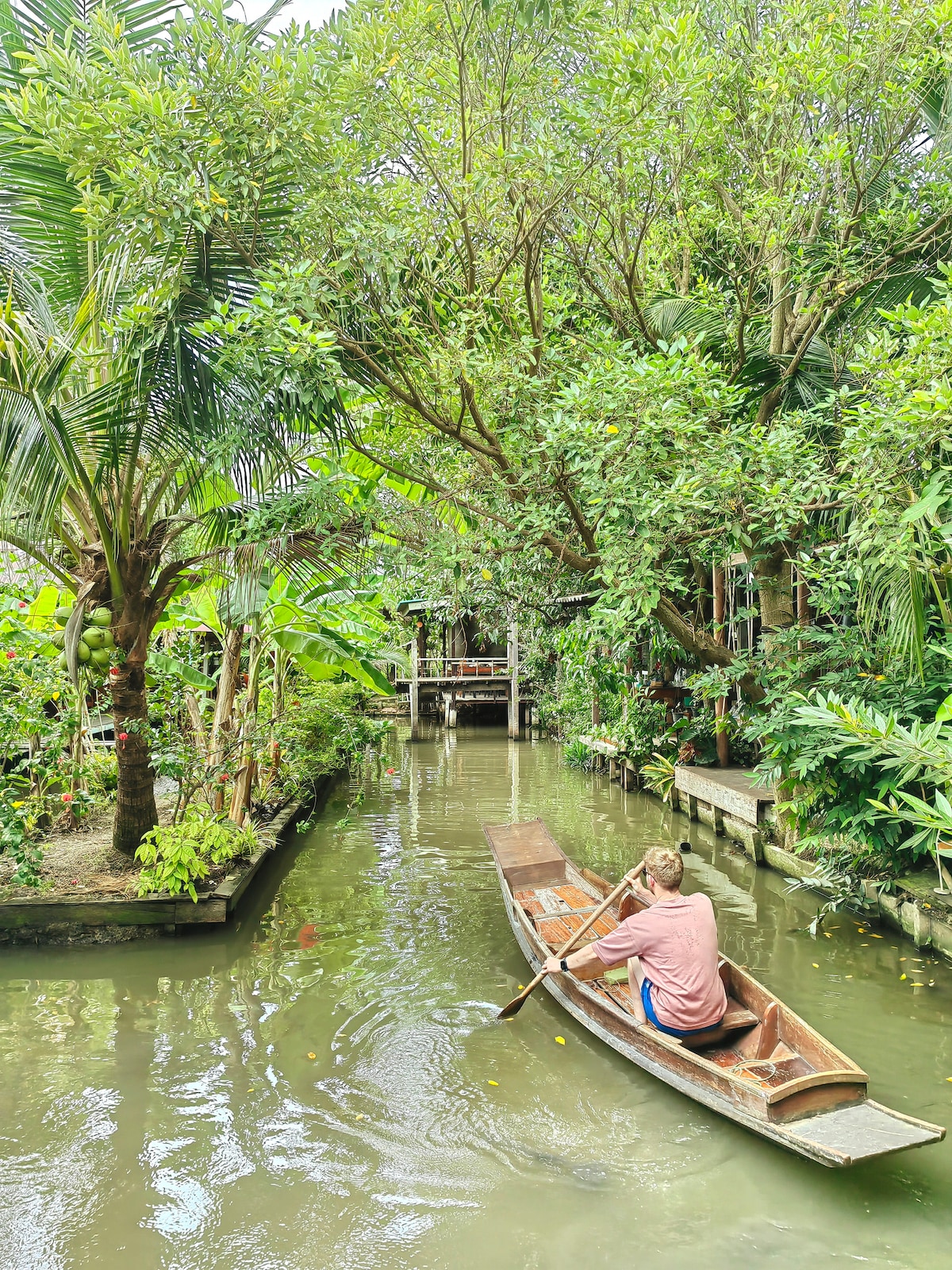
Escape the Crowds-A Peaceful Canal Village Bangkok
Thu, Feb 26 • 12:30 PM
Taling Chan, Bangkok, 10170, Thailand
View details

Homies Thai Cooking Class - Authentic Thai Food
Wed, Feb 25 • 9:00 AM
Khet Huai Khwang, Krung Thep Maha Nakhon, 10310, Thailand
View details
Nearby attractions of Wat Indharaviharn
Bang Khun Phrom Palace
The Bank of Thailand Museum
Ladawan Palace
Bangkok Local Museum Phra Nakorn District
Prince Vivadhanajaya Library
Rajadamnern Muay Thai Stadium
Office of National Museums
Phra Sumen Fort
Bang Lamphu Museum
Golden Teak Museum
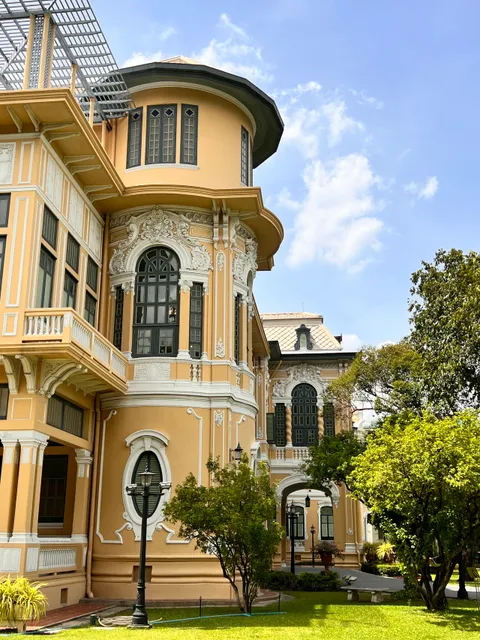
Bang Khun Phrom Palace
4.6
(211)
Open 24 hours
Click for details
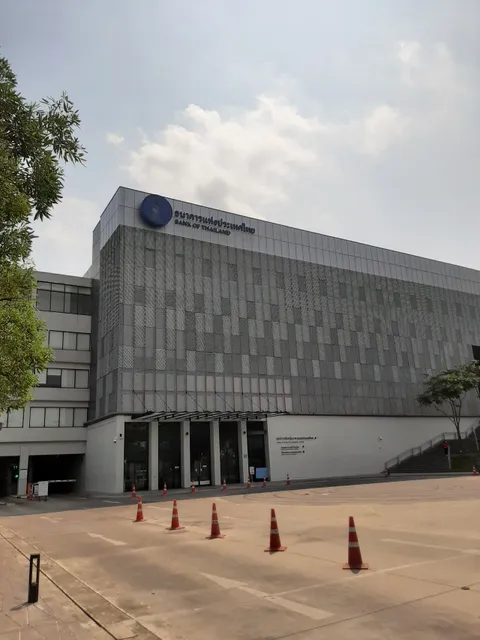
The Bank of Thailand Museum
4.6
(118)
Open until 12:00 AM
Click for details
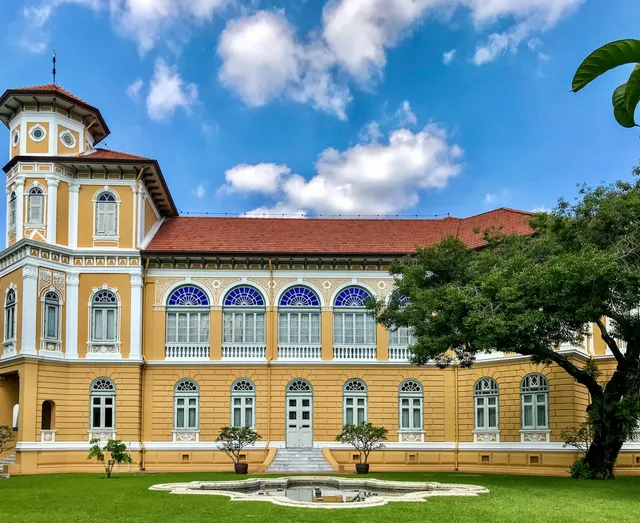
Ladawan Palace
5.0
(17)
Open 24 hours
Click for details
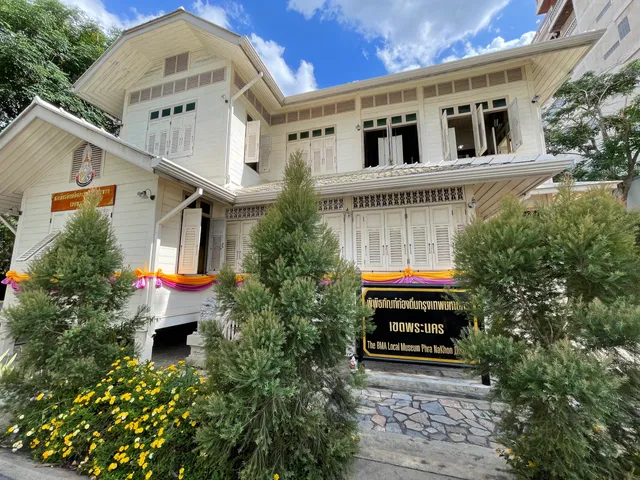
Bangkok Local Museum Phra Nakorn District
4.2
(31)
Closed
Click for details
Nearby restaurants of Wat Indharaviharn
292 Slowbar Cafe - บริการจัดเลี้ยงกาแฟสด นอกสถานที่
Unbranded Cafe
Pranchiwan Cafe
ผัดไทยายแถม
Snooze Coffee House
The Island Restaurant Thai food & Vegetarian And Bar.
Chiewchan Panich (Thewet Boiled Rice)
Grazie Restaurant
โกปี๊เฮี้ยะไถ่กี่ ณ ประชาธิปไตย ข้างวัดมกุฏฯ KopeHyaTaiKee @Prachathipatai
Culture Café
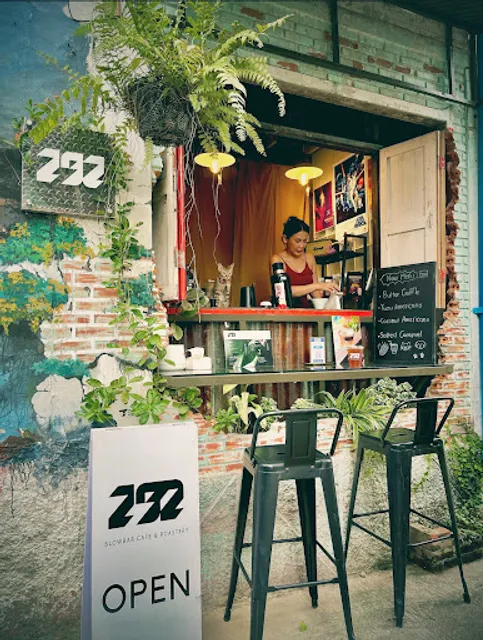
292 Slowbar Cafe - บริการจัดเลี้ยงกาแฟสด นอกสถานที่
5.0
(219)
Closed
Click for details
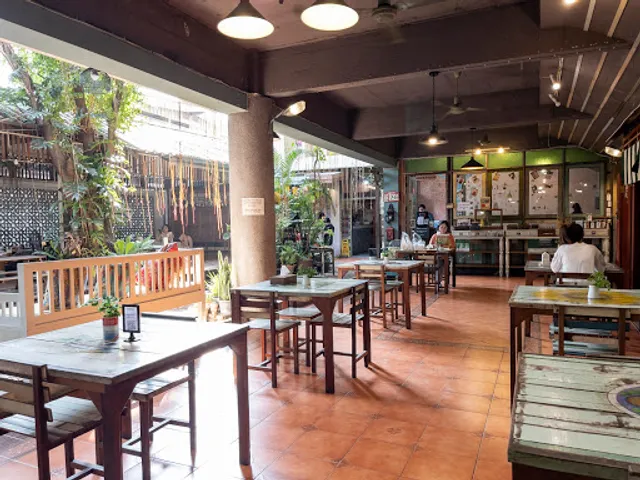
Unbranded Cafe
4.6
(295)
Closed
Click for details
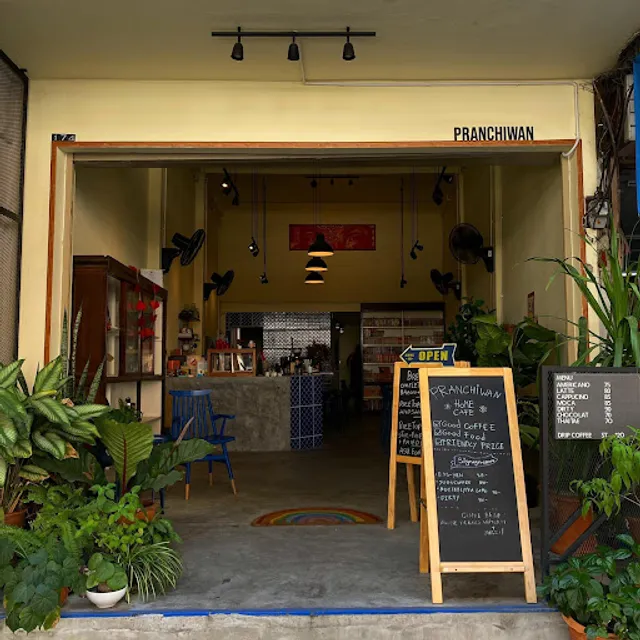
Pranchiwan Cafe
4.9
(90)
Closed
Click for details
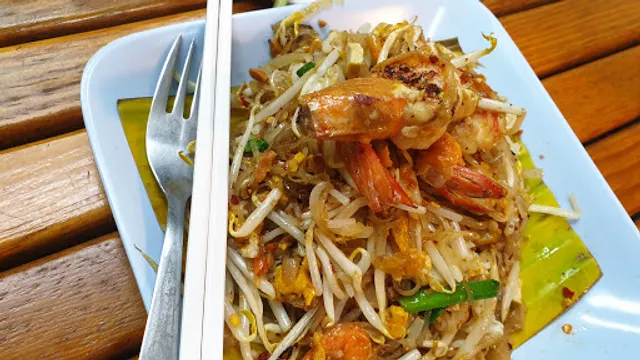
ผัดไทยายแถม
4.7
(111)
Closed
Click for details
Nearby local services of Wat Indharaviharn
Ruam Yang Market
ThaiThong ThaiThong Massage
Si Sao Thewes Market
SPAYA Massage
Wat Devaraj Kunchon
Wat Bowonniwetwiharn Ratchaworawiharn
Wat Bowonniwetwiharn Ratchaworawiharn
Hello Modern Design (SIM card & luggage shop)
Rama 8 Bridge
Thailanta Kaosan Massage
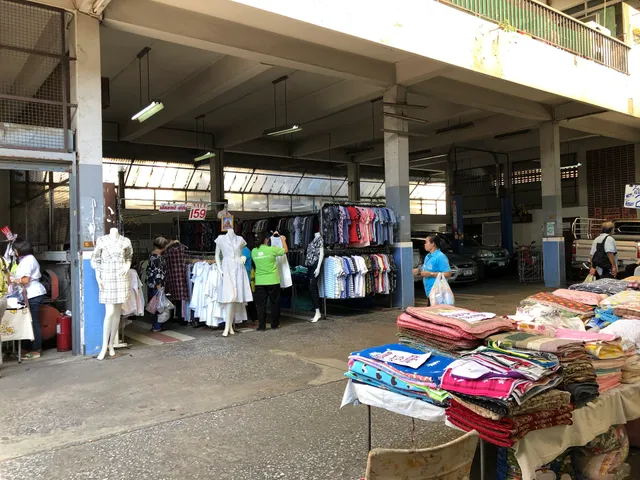
Ruam Yang Market
4.1
(482)
Click for details
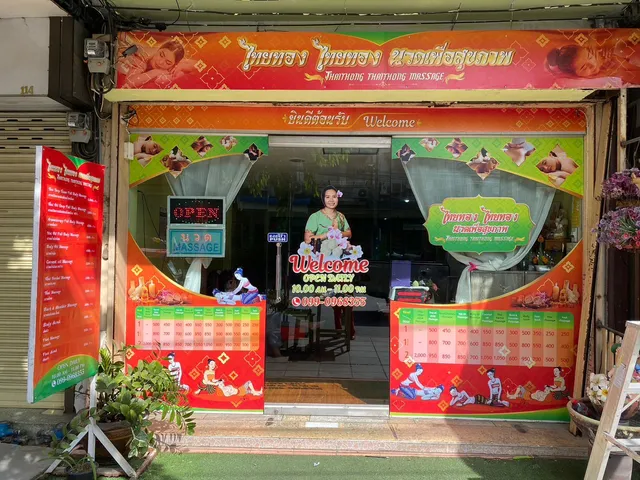
ThaiThong ThaiThong Massage
4.7
(350)
Click for details
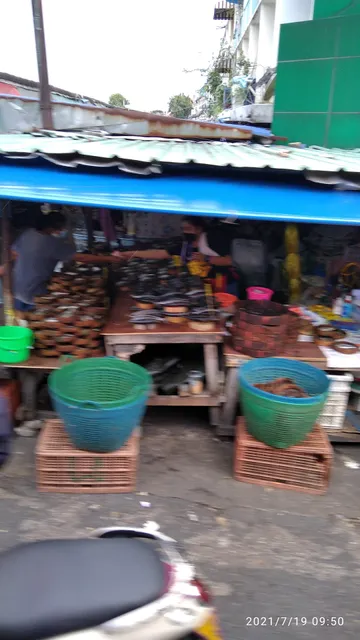
Si Sao Thewes Market
4.3
(162)
Click for details
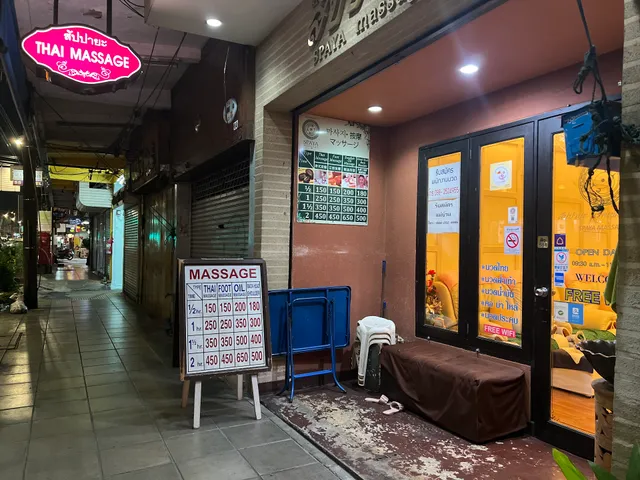
SPAYA Massage
4.3
(143)
Click for details