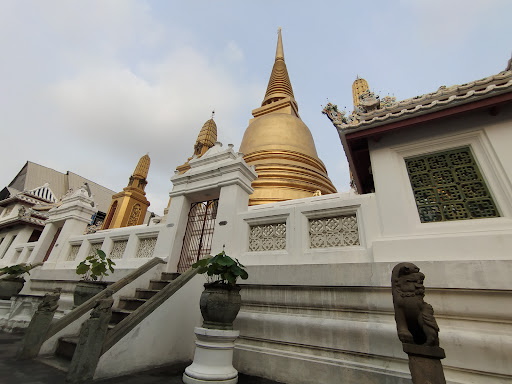
Wat Bowonniwetwiharn Ratchaworawiharn things to do, attractions, restaurants, events info and trip planning
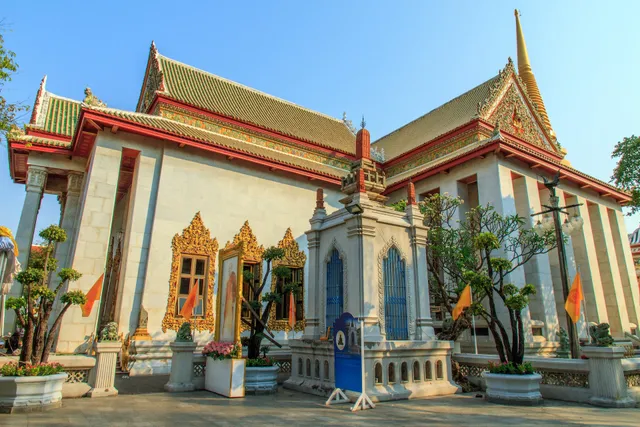
Basic Info
Wat Bowonniwetwiharn Ratchaworawiharn
248 Phra Sumen Rd, Wat Bowon Niwet, Phra Nakhon, Bangkok 10200, Thailand
4.7(1.9K)
Open until 4:00 PM
Save
spot
spot
Ratings & Description
Info
Cultural
Family friendly
Accessibility
attractions: Khao San Market, The Museum & Library of Abbots of Wat Bovoranives Vihara, Bang Lamphu Market, Masjid Ban Tuk Din | مسجد, Bangkok City Library, Democracy Monument, Bang Lamphu Museum, Phra Sumen Fort, Rattanakosin Exhibition Hall, Ratchadamnoen Contemporary Art Center, restaurants: Mango Vegetarian & Vegan, Khao Tom Bowon, Kem-Kon Khaosan, Patonggo Cafe, SWENSEN’S Bang Lamphu, Cafe Mumbai Bangkok, KAYY COFFEE (MATCHA & ORANGE), Ethos Vegetarian & Vegan Restaurant, Duklong Cafe and Eat, Mam Tom Yum Kung, local businesses: Wat Bowonniwetwiharn Ratchaworawiharn, Thailanta Kaosan Massage, Darin Spa, Pai Spa, Thanon Khao San, Khaosan Road, Hello Modern Design (SIM card & luggage shop), URBAN thai massage, Nail Wishes, Yes boss tailor
 Learn more insights from Wanderboat AI.
Phone
+66 2 629 5854
Website
facebook.com
Open hoursSee all hours
Thu6:30 a.m. - 4 p.m.Open
Plan your stay

Pet-friendly Hotels in Bowon Niwet Subdistrict
Find a cozy hotel nearby and make it a full experience.

Affordable Hotels in Bowon Niwet Subdistrict
Find a cozy hotel nearby and make it a full experience.

The Coolest Hotels You Haven't Heard Of (Yet)
Find a cozy hotel nearby and make it a full experience.

Trending Stays Worth the Hype in Bowon Niwet Subdistrict
Find a cozy hotel nearby and make it a full experience.
Reviews
Live events
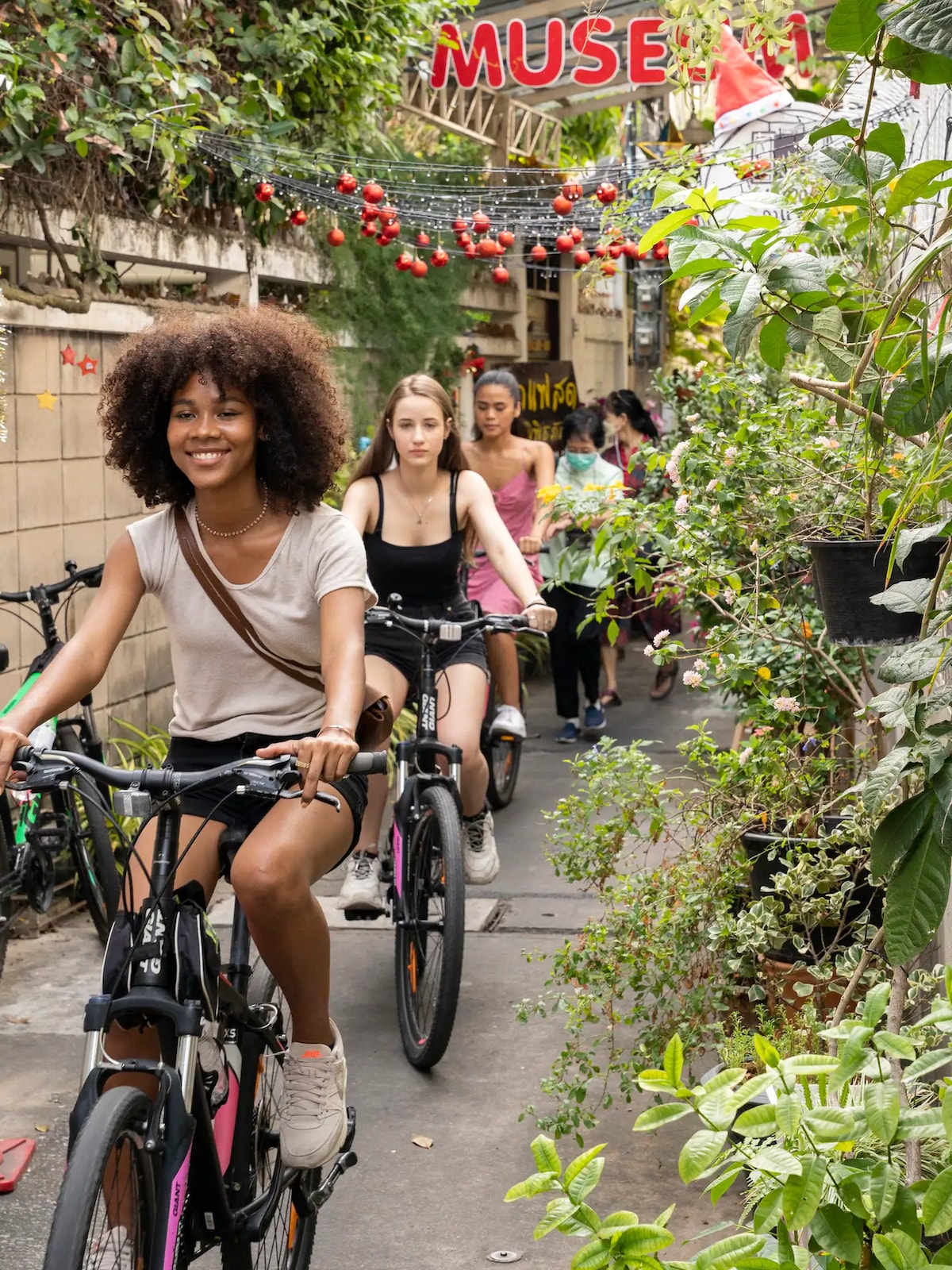
Must-Try: Hidden Bangkok Bike and Food tour
Thu, Feb 12 • 10:00 AM
Khlong San, Bangkok, 10600, Thailand
View details
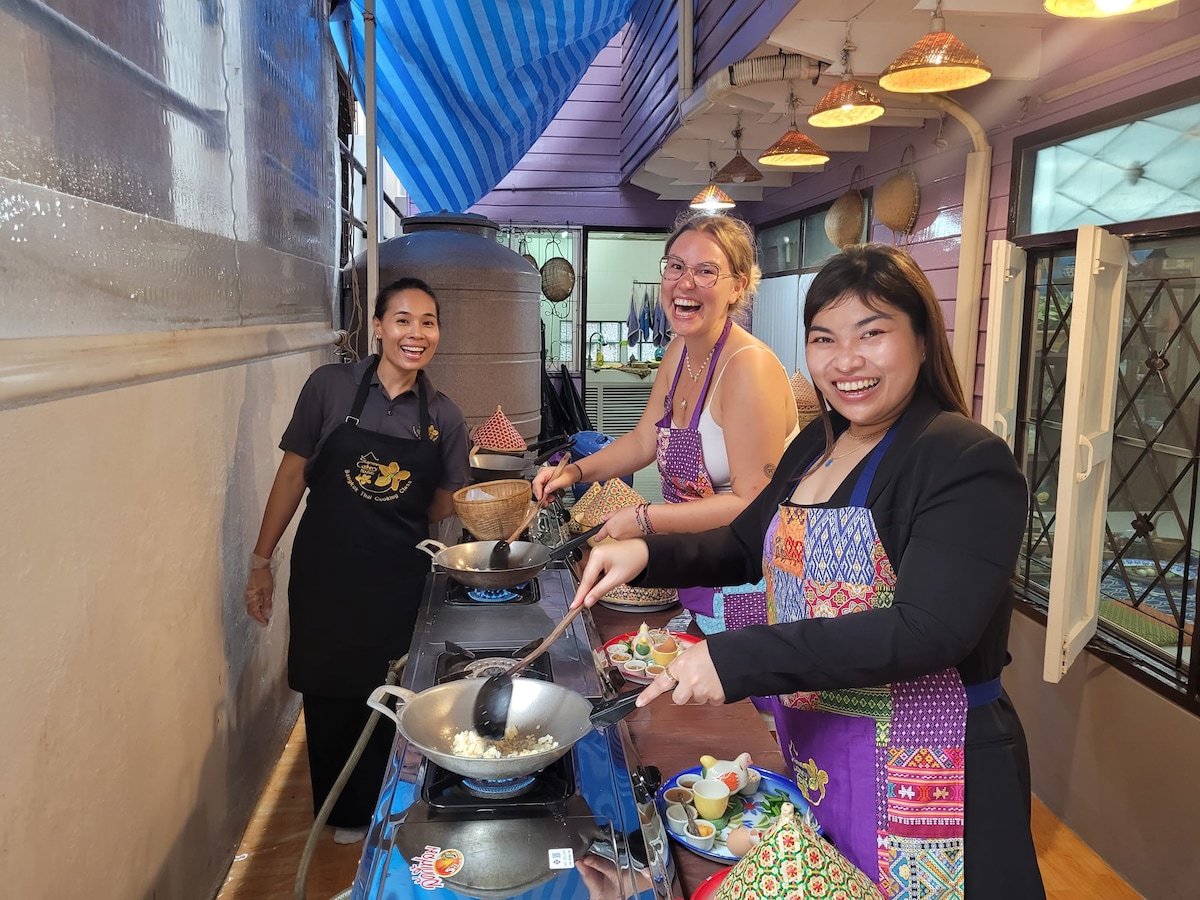
Learn authentic Thai cooking
Thu, Feb 12 • 9:00 AM
Huai Khwang, Bangkok, 10310, Thailand
View details
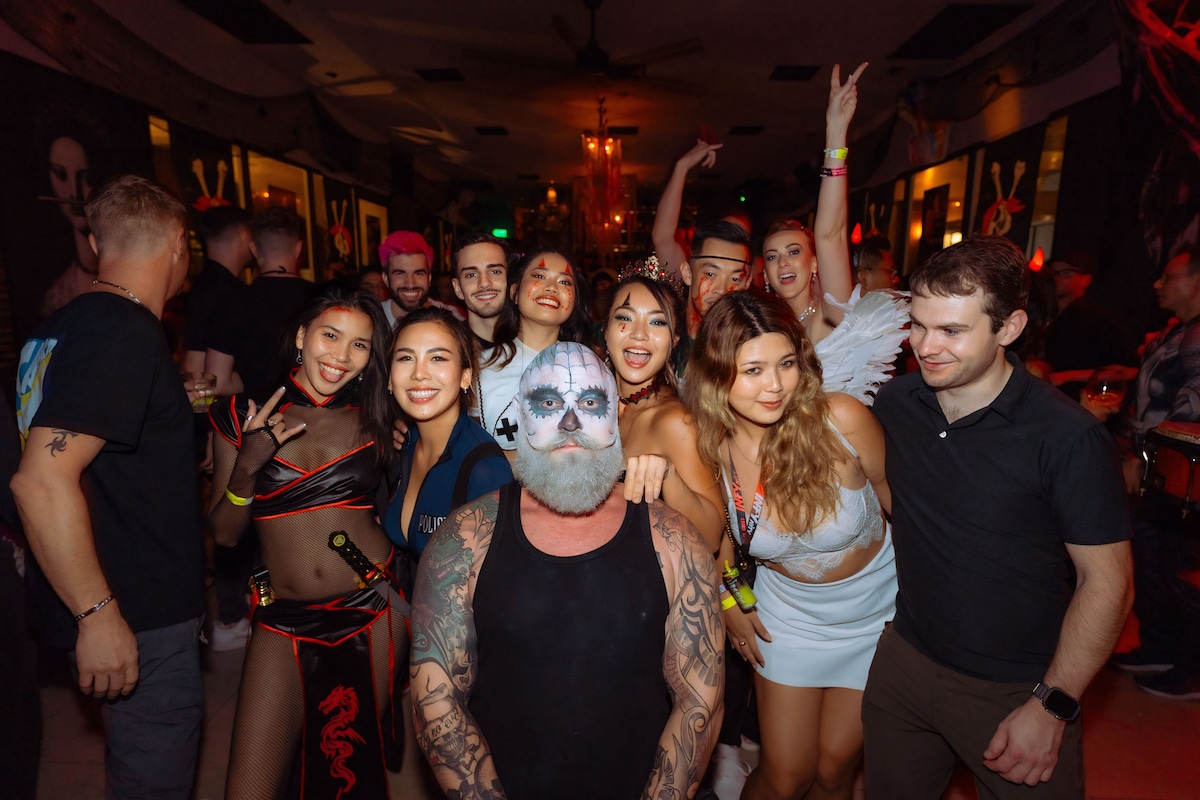
Valentine Club Crawl: Explore, Connect & Party
Thu, Feb 12 • 9:30 PM
Watthana, Bangkok, 10110, Thailand
View details
Nearby attractions of Wat Bowonniwetwiharn Ratchaworawiharn
Khao San Market
The Museum & Library of Abbots of Wat Bovoranives Vihara
Bang Lamphu Market
Masjid Ban Tuk Din | مسجد
Bangkok City Library
Democracy Monument
Bang Lamphu Museum
Phra Sumen Fort
Rattanakosin Exhibition Hall
Ratchadamnoen Contemporary Art Center
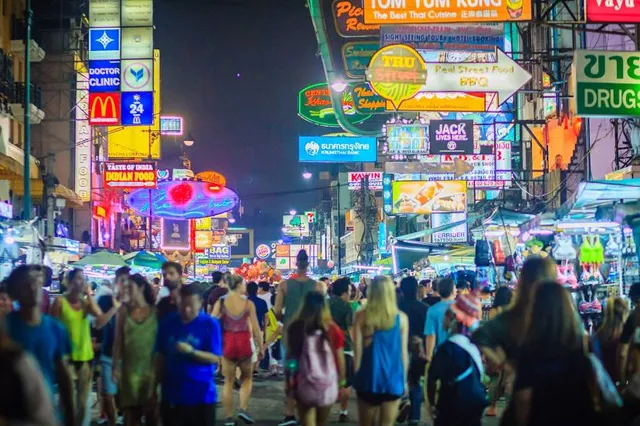
Khao San Market
4.3
(947)
Closed
Click for details
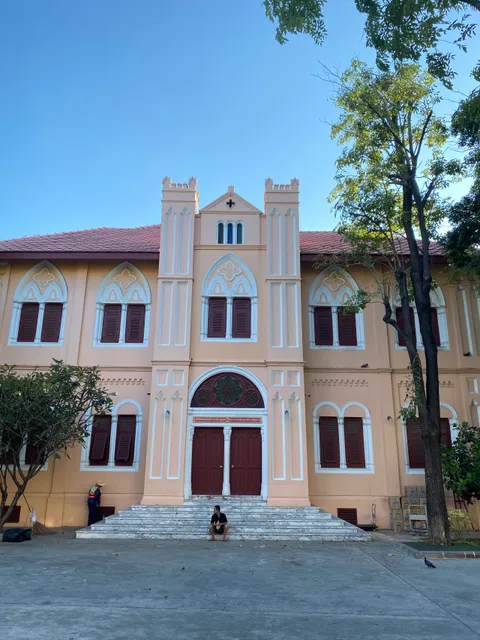
The Museum & Library of Abbots of Wat Bovoranives Vihara
4.8
(86)
Open until 12:00 AM
Click for details
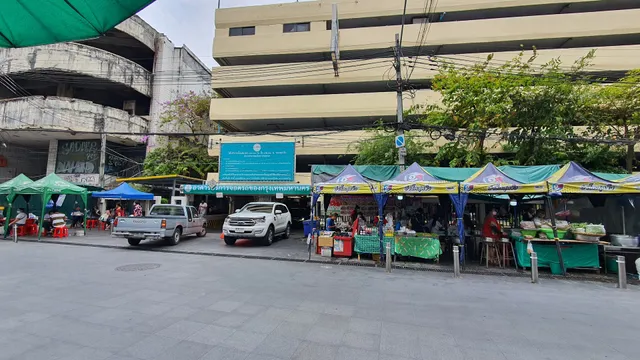
Bang Lamphu Market
4.3
(389)
Closed
Click for details
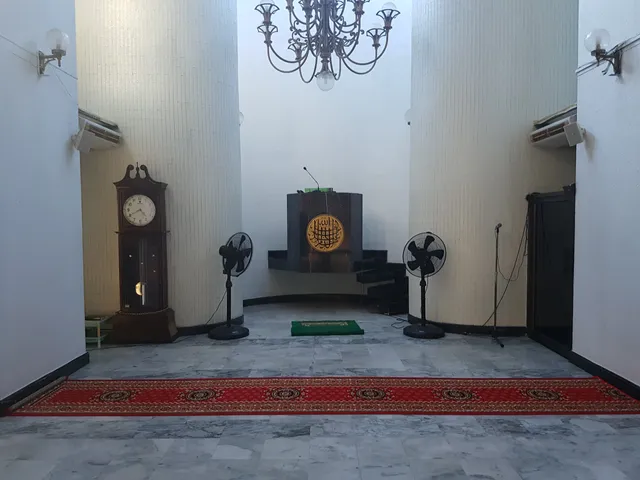
Masjid Ban Tuk Din | مسجد
4.8
(94)
Open until 7:45 PM
Click for details
Nearby restaurants of Wat Bowonniwetwiharn Ratchaworawiharn
Mango Vegetarian & Vegan
Khao Tom Bowon
Kem-Kon Khaosan
Patonggo Cafe
SWENSEN’S Bang Lamphu
Cafe Mumbai Bangkok
KAYY COFFEE (MATCHA & ORANGE)
Ethos Vegetarian & Vegan Restaurant
Duklong Cafe and Eat
Mam Tom Yum Kung
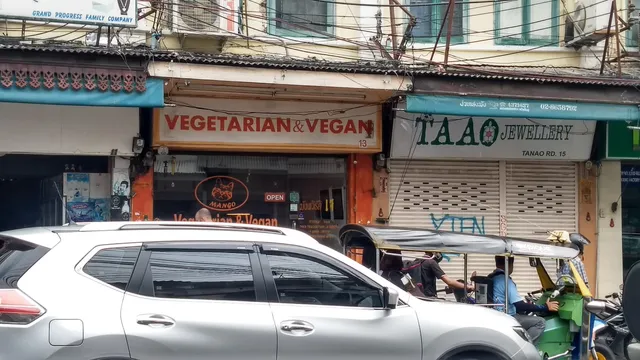
Mango Vegetarian & Vegan
4.7
(1.0K)
Open until 12:00 AM
Click for details
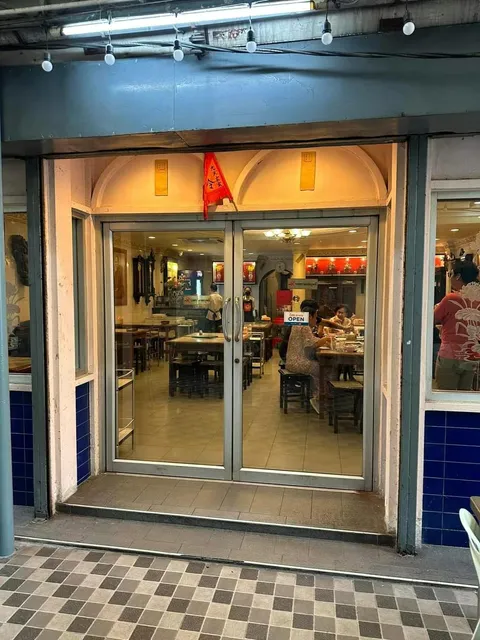
Khao Tom Bowon
4.3
(744)
Closed
Click for details
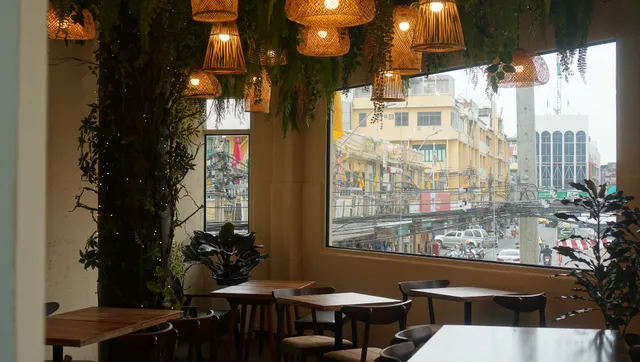
Kem-Kon Khaosan
4.9
(802)
Closed
Click for details
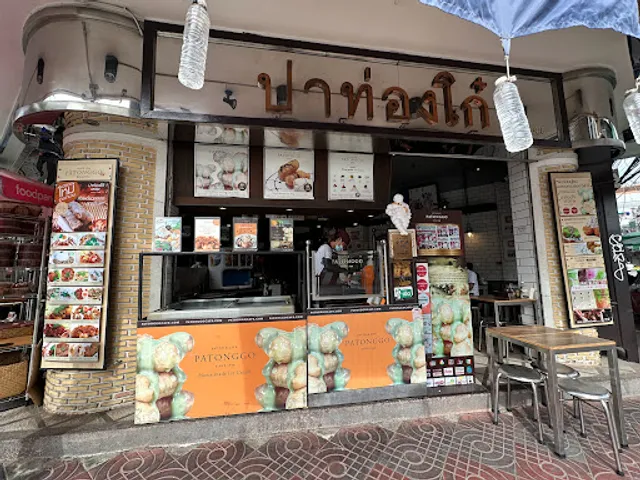
Patonggo Cafe
4.4
(603)
Open until 6:00 PM
Click for details
Nearby local services of Wat Bowonniwetwiharn Ratchaworawiharn
Wat Bowonniwetwiharn Ratchaworawiharn
Thailanta Kaosan Massage
Darin Spa
Pai Spa
Thanon Khao San
Khaosan Road
Hello Modern Design (SIM card & luggage shop)
URBAN thai massage
Nail Wishes
Yes boss tailor
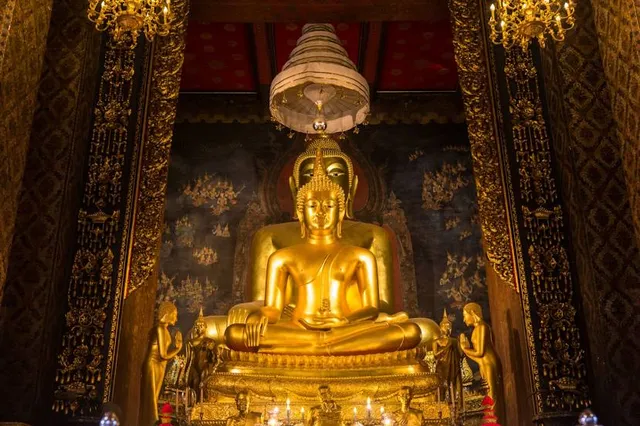
Wat Bowonniwetwiharn Ratchaworawiharn
4.7
(1.5K)
Click for details
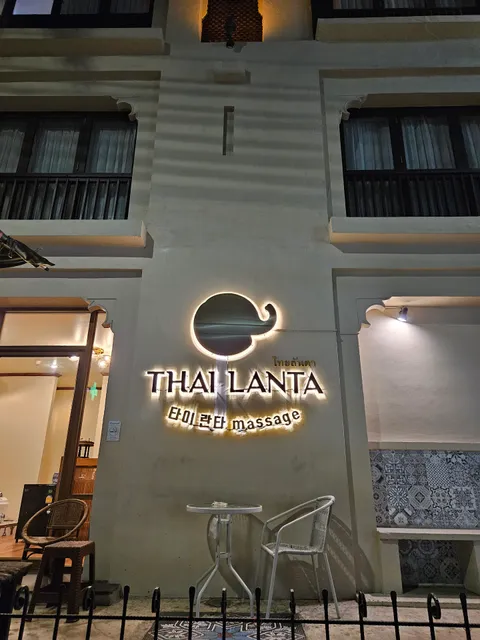
Thailanta Kaosan Massage
4.6
(1.1K)
Click for details

Darin Spa
4.6
(1.1K)
Click for details
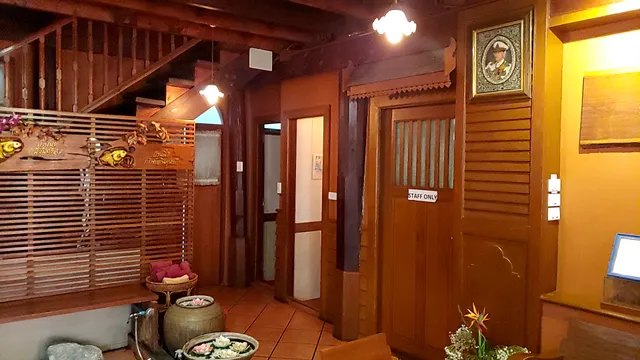
Pai Spa
4.4
(194)
Click for details