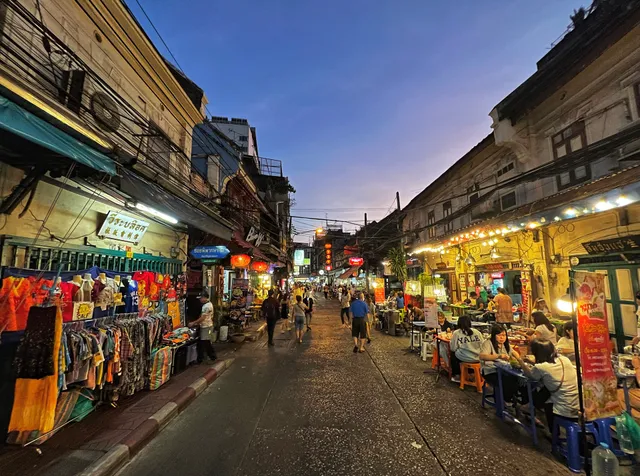
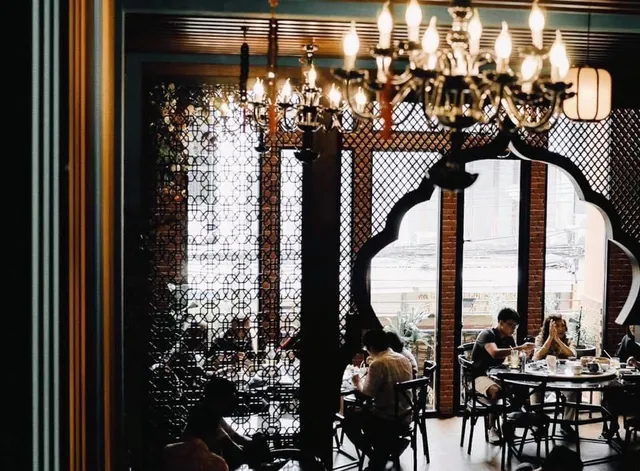
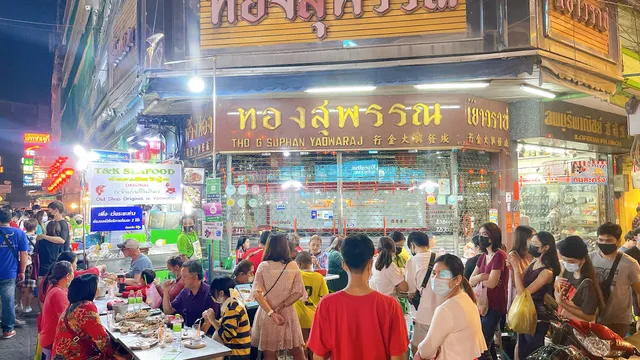
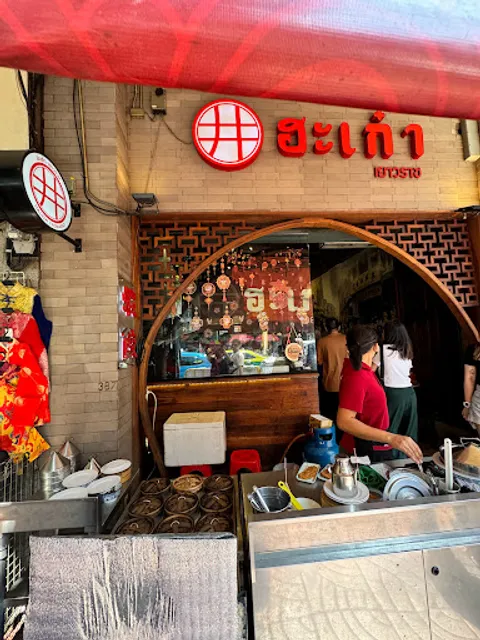
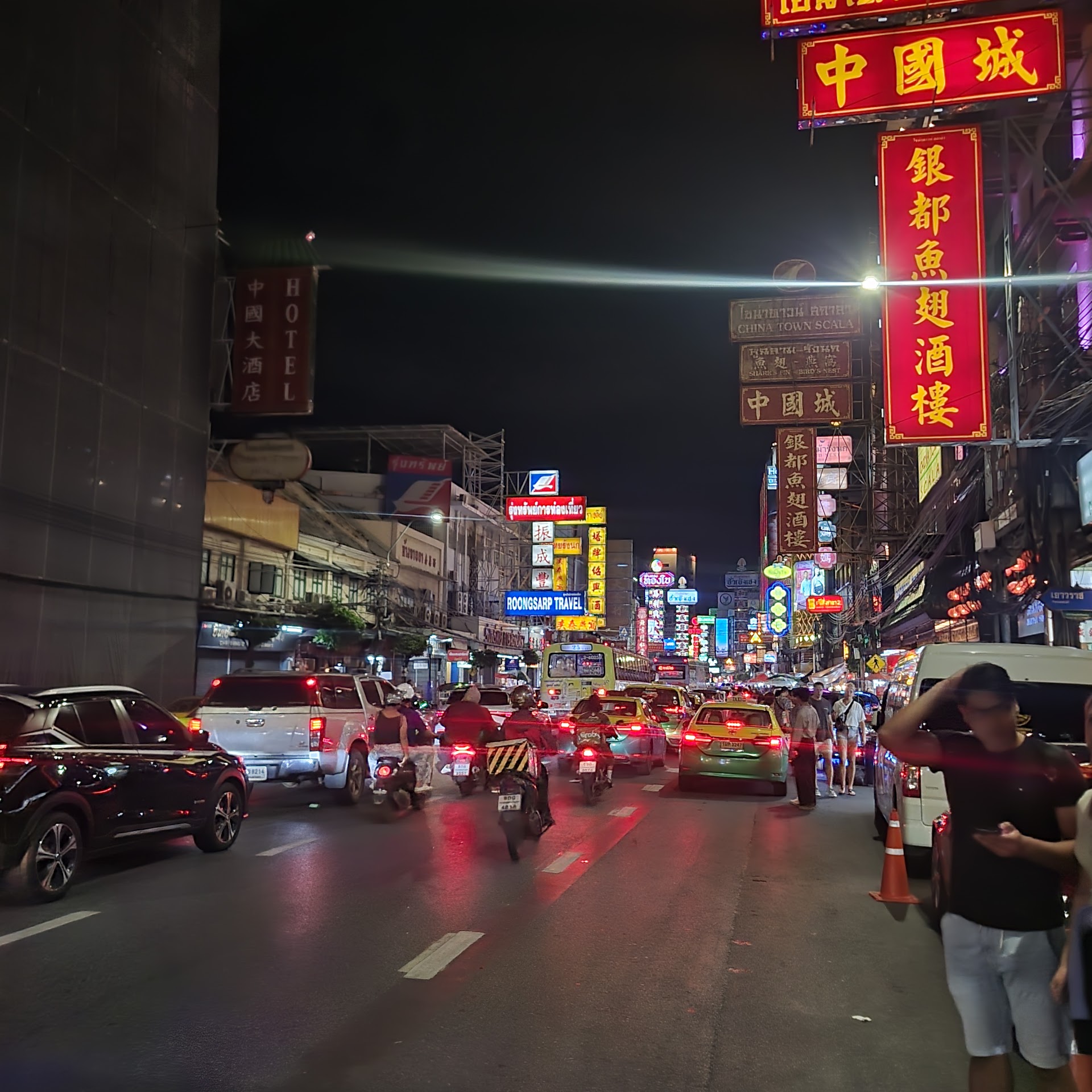
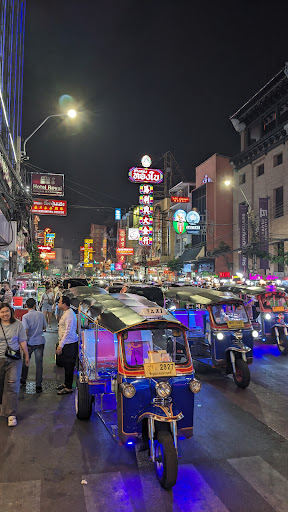
Stepping onto Yaowarat Road, the main artery of Chinatown Bangkok, is like plunging headfirst into a kinetic, glowing, and utterly delicious world. This isn't just a district; it's a sensory overload—in the best possible way. The air is thick with the competing aromas of roasting chestnuts, sizzling seafood, slow-cooked medicinal herbs, and sweet, sticky desserts. The towering, kaleidoscopic neon lights and the constant buzz of activity, which only intensifies during the spectacle of Chinese New Year, create an atmosphere unlike any other. For any traveler to Bangkok, especially one whose heart beats for food and authentic cultural immersion, a visit to this vibrant, 24-hour neighborhood is absolutely essential. The area is famous for its status as a culinary Mecca, particularly after dark. As the sun sets, the narrow sidewalks transform into an electric tapestry of street food stalls. The sheer variety on offer is astounding and can be overwhelming, yet that is part of the fun. From giant river prawns grilled to perfection and smoky, tender skewers of satay, to exotic fruits and traditional Thai-Chinese delicacies—you could spend a week here and still not taste everything. Many of the most famous vendors, some even having achieved Michelin recognition, offer classic Chinese dishes like bird's nest soup and sharkfinsoup. The prices are incredibly reasonable, making it easy to sample widely and often. Don’t be afraid to try some of the more unique finds, like crispy scorpions or stir-fried insects, though plenty of world-class, familiar dishes are available too. Beyond the food, Chinatown offers a rich, historical depth that sets it apart. The streets are a fascinating tangle of old gold shops, temples (Wat Traimit, home to the Golden Buddha, is nearby), and traditional medicine storefronts. It’s the perfect place to get delightfully lost, wandering down small side alleys packed with curious goods and colorful, traditional signage. There is a tangible sense of community here, reflected in the friendly, welcoming nature of the local shop owners. The neighborhood truly embodies a "good mixity of options and functions," where commerce, history, and community intertwine seamlessly. However, be prepared for the chaos. This is not a tranquil or manicured experience. The streets are often packed, noisy, and challenging to navigate. While tuktuk drivers will happily take you right into the thick of the action, getting there by public transport (the MRT stops nearby at Wat Mangkon Station) is highly recommended to avoid traffic headaches. While modern payment options like debit cards and NFC are accepted in some places, you’ll want to have plenty of Thai Baht in cash on hand for the smaller, must-try street food vendors. In conclusion, the energy, the history, and most importantly, the unbelievable street food make Chinatown Bangkok a powerhouse destination. It is a loud, crowded, unforgettable adventure that you should prioritize for a truly authentic...
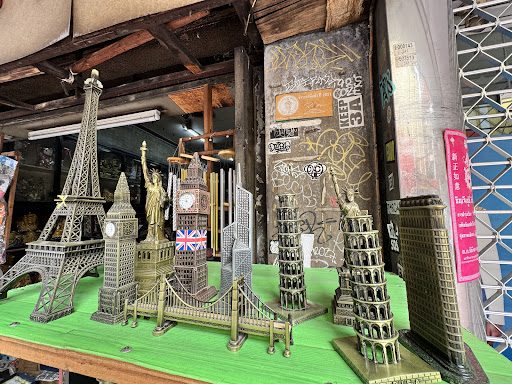
Read moreColours, feelings and best vibes! I visited China Town in Bangkok during my trip in February and was thoroughly impressed with the vibrant atmosphere and cultural experience it offered. China Town, also known as Yaowarat, is a bustling neighborhood located in the heart of Bangkok. As soon as I stepped foot in this vibrant area, I was greeted by a maze of narrow streets filled with vibrant storefronts, traditional Chinese architecture, and an overwhelming plethora of dining options. The sights and sounds of China Town are truly awe-inspiring. Brightly lit street markets filled with vendors selling everything from traditional Chinese herbs and goldsmiths crafting exquisite jewelry to sizzling street food stalls offering delectable delicacies. The air was filled with fragrant aromas of barbequed pork, steamy noodle soups, and enticing dim sum treats. Exploring the market stalls was truly an adventure, discovering unique souvenirs, vibrant fabrics, and traditional Chinese medicines. One of the highlights of my visit was indulging in the local food scene. China Town is a gastronomic paradise with countless eateries offering authentic Chinese cuisine. From hidden alleyway restaurants to bustling street-side stalls, there was no shortage of options to satisfy my taste buds. I couldn't resist trying their famous crispy pork belly, mouthwatering noodles, and delectable dumplings, all of which exceeded my expectations in terms of flavor and authenticity. In addition to the vibrant street life, China Town also houses some beautiful temples and cultural landmarks. The grand Wat Traimit and its golden Buddha statue were particularly stunning, offering a serene escape from the bustling streets. I spent some time soaking up the rich history and admiring the intricate architecture. The only downside of visiting China Town in February was the high number of tourists, which made it a bit crowded at times. However, this did not hinder my overall experience and did not deter me from exploring and indulging in the cultural wealth it had to offer. All in all, China Town in Bangkok is a must-visit destination for anyone seeking an immersive cultural experience. Whether you're a food lover, history enthusiast, or simply looking to dive into vibrant markets, this neighborhood has it all. I highly recommend allocating ample time to explore its hidden gems, taste the mouthwatering street food, and embrace the vibrant energy that fills the air in this...
Read moreA Must-Visit Destination in Bangkok: Chinatown (Yaowarat Road)
Chinatown in Bangkok, also known as Yaowarat, is a vibrant, colorful, and energetic district that captures the heart of Thai-Chinese culture in the city. I recently spent an evening wandering through its lively streets and can confidently say that it's one of the most exciting and flavorful experiences you can have in Bangkok.
From the moment you arrive, you’re hit with an explosion of sights, sounds, and smells. The street is always buzzing—glowing neon signs in Chinese characters, the sounds of sizzling woks and vendors calling out to passersby, and the aroma of grilled meats, herbs, and spices wafting through the air. It’s a sensory overload in the best possible way.
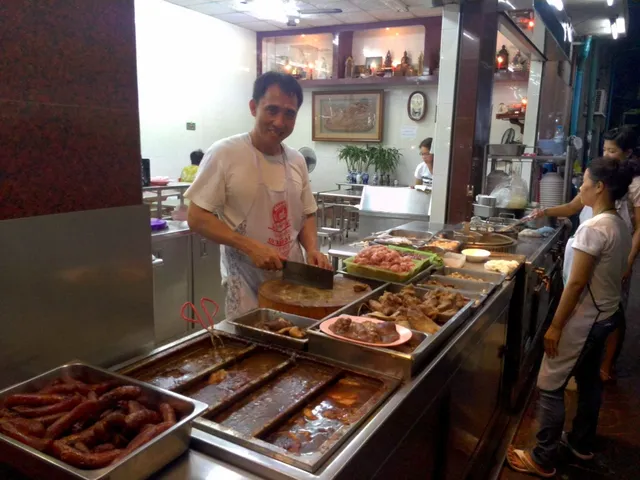
The food scene here is legendary. Whether you're trying crispy pork belly, pad Thai, fresh seafood, bird’s nest soup, or exotic fruits like durian and longan, there's something for every taste and budget. Some of my favorite spots included the famous Nai Ek Roll Noodle, which had a queue but was absolutely worth the wait, and a tucked-away vendor selling fresh mango sticky rice that was to die for.
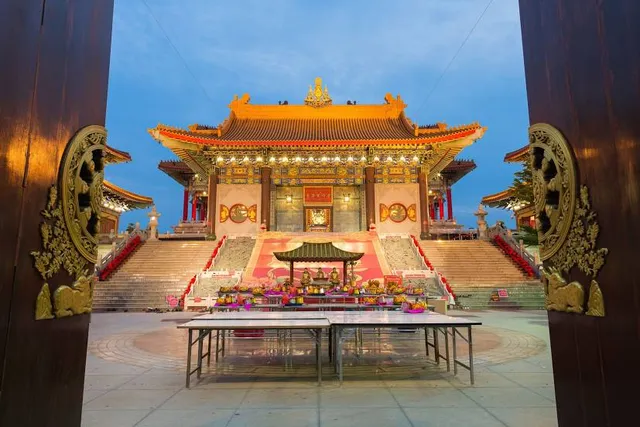
Beyond the food, Chinatown has a rich cultural heritage. There are temples like Wat Mangkon Kamalawat—a beautiful Chinese Buddhist temple tucked between alleys—and countless gold shops, herb stores, and traditional medicine shops that reflect the district’s long history. You can feel the deep cultural fusion between Thai and Chinese traditions everywhere you turn.
Getting around is relatively easy, especially now that the MRT (subway) station Wat Mangkon drops you right at the edge of Chinatown. I recommend visiting in the late afternoon or early evening. That way, you can explore both the traditional shops and markets during the day, and then enjoy the night market when it truly comes alive after sunset.
A few tips for visitors: Wear comfortable shoes, bring cash (many street vendors don’t take cards), and be prepared for crowds. If you're a foodie, it helps to do a little research ahead of time or join a guided food tour—you’ll get to try more dishes and learn the stories behind them.
Chinatown is also a great place for photography lovers. The blend of old shophouses, red lanterns, and bustling alleys offers so many photogenic moments. It’s one of the few places in Bangkok where modern chaos and deep tradition coexist...
Read more