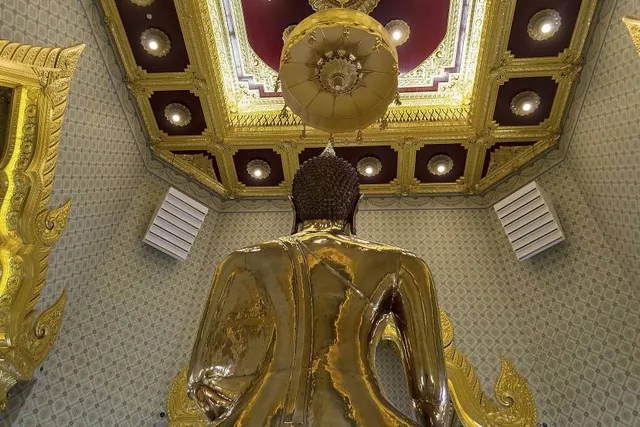
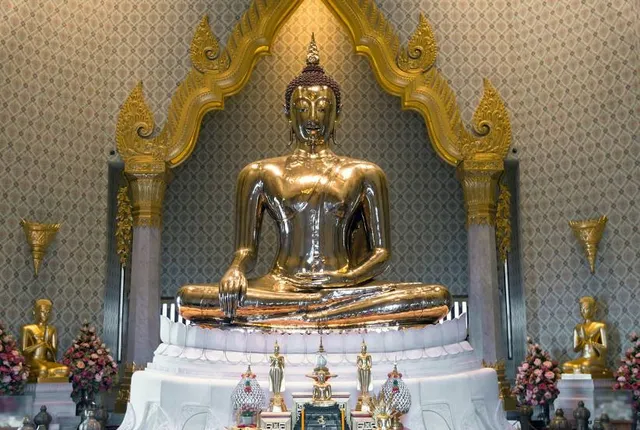
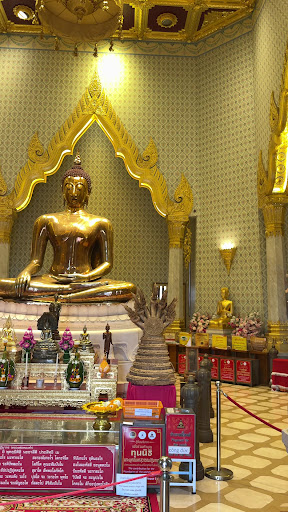
The Golden Buddha, officially titled Phra Phuttha Maha Suwana Patimakon (Thai: พระพุทธมหาสุวรรณปฏิมากร), is a gold statue, with a weight of 5.5 tons (5,500 kilograms). It is located in the temple of Wat Traimit, Bangkok, ThailandThe origins of this statue are uncertain. It is made in the Sukhothai Dynasty style of the 13th-14th centuries, though it could have been made after that time. The head of the statue is egg-shaped, which indicates its origin in the Sukothai period. Given that Sukothai art had Indian influences[1] and metal figures of the Buddha made in India used to be taken to various countries for installation, this suggests the Golden Buddha statue may have been cast in parts in India.[Later, the statue was probably moved from Sukhothai to Ayutthaya, about 1403.[3]
Some scholars believe the statue is mentioned in the somewhat controversial Ram Khamhaeng stele. In lines 23-27 of the first stone slab of the stele, "a gold Buddha image" is mentioned as being located "in the middle of Sukhothai City," interpreted as being a reference to the Wat Traimit Golden Buddha.[4]
At some point, the statue was completely plastered over to prevent it from being stolen. The statue was covered with a thick layer of stucco, which was painted and inlaid with bits of coloured glass.[1] It is believed that this plastering over took place before the destruction of Ayutthaya kingdom by Burmese invaders in 1767. The statue remained among the ruins of Ayutthaya without attracting much attention.
In 1801, Thai King Buddha Yodfa Chulaloke(Rama I), after establishing Bangkok as a new capital city of the Kingdom, and after commissioning the construction of many temples in Bangkok, ordered that various old Buddha images should be brought to Bangkok from the ruined temples around the country.[3]
At the time of King Rama III (1824-1851), the statue, still covered with stucco, was installed as the principal Buddha image in the main temple building of Wat Chotanaram in Bangkok.[5]
When Wat Chotanaram, located near Chinatown, fell into disrepair and was closed, the statue was moved to its present location at the nearby Wat Traimit in 1935.[4] At the time, Wat Traimit was a pagoda of minor significance (like hundreds of other Buddhist temples that exist in Bangkok). Since the temple didn't have a building big enough to house the statue, it was kept for 20 years under a simple tin roof. The true identity of this statue had been forgotten for almost 200 years.[6]
Discovery of the golden statueEdit
In 1954, a new Viharn building was built at the temple to house the statue. It was being moved to its new location on 25 May 1955 and there are a variety of accounts of what exactly happened next, but it is clear that during the final attempt to lift the statue from its pedestal, the ropes broke, and the statue fell hard on the ground. At that moment, some of the plaster coating chipped off, allowing the gold surface underneath to be seen. Work was immediately stopped so that an evaluation could be made.[3]
All the plaster was carefully removed and during the process, photos were taken, and are now displayed in the Temple for visitors. Pieces of the actual plaster are also on public display. When all the plaster was removed, it was found that the gold statue actually consisted of nine parts that fit smoothly together. A key was also found encased in plaster at its base, which can be used to disassemble the statue, allowing for easier transportation.[4]
The golden statue was discovered very close to the commemoration of the twenty-fifth Buddhist Era (2500 years since Gautama Buddha's passing) so the Thai news media was full of reports and many Buddhists regarded the occurrence...
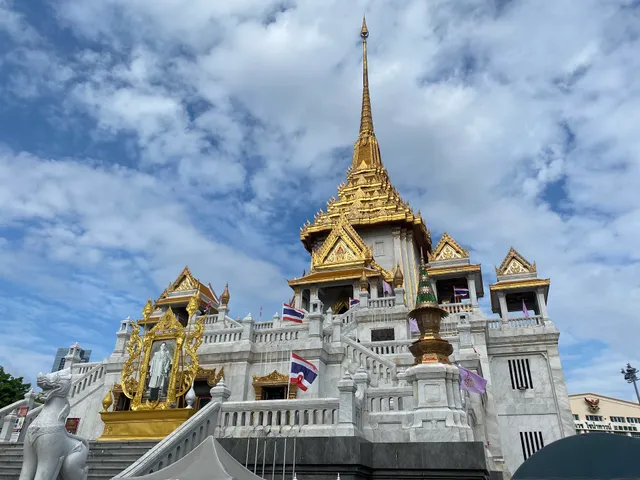
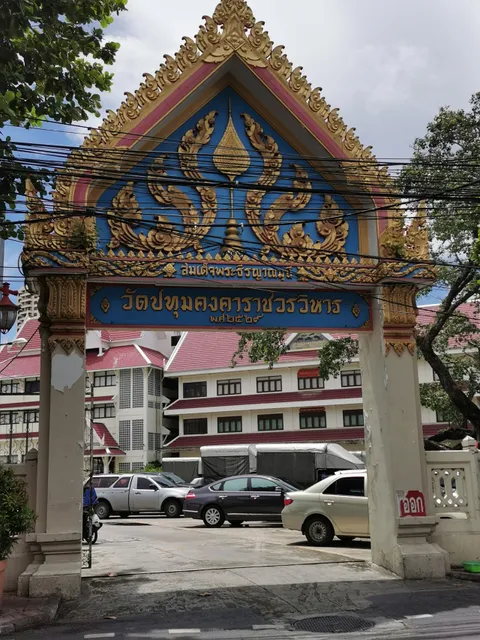
Read moreDiscover the cultural and architectural marvels of Wat Traimit Wittayaram Worawihan, a significant temple in Bangkok. Immerse yourself in the rich history and stunning design of the temple. Explore the nearby attractions that add to the charm of the area. Uncover the fascinating history and intricate architectural details of Wat Traimit Wittayaram Worawihan. Marvel at the stunning exterior and intricate craftsmanship that make this temple truly remarkable. Explore the main attractions and highlights within the temple, including the sacred golden Buddha statue. Immerse yourself in the spiritual atmosphere and appreciate the artistry on display.
History and Significance Wat Traimit Wittayaram Worawihan has stood as a symbol of Thailand's cultural heritage for centuries. Founded in the Ayutthaya period, this revered temple has witnessed the country's rich history unfold. Discover the significance of this revered temple and its role in Thai Buddhism. Learn about the notable events and stories that have shaped its legacy. From royal patronage to cultural celebrations, this temple holds a special place in the hearts of the Thai people.
Architectural Marvels Awe-Inspiring Design Be captivated by the temple's architectural features, reflecting a harmonious blend of Thai and Chinese influences. Admire the ornate rooflines, intricate carvings, and vibrant colors that adorn this majestic structure.
The Golden Splendor The highlight of the temple is the awe-inspiring golden Buddha statue, known as Phra Phuttha Maha Suwanna Patimakon. Standing at an impressive height, this sacred icon is a sight to behold and serves as a symbol of enlightenment and devotion.
Tips for Visiting Make the most of your visit to Wat Traimit Wittayaram Worawihan with these helpful tips. Learn about the best time to visit to avoid crowds and fully experience the temple's tranquility. Familiarize yourself with the dress code and etiquette to show respect to the sacred site. Find important information for tourists planning a visit, including entrance fees, tour options, and nearby amenities. Prepare for an enriching and seamless visit.
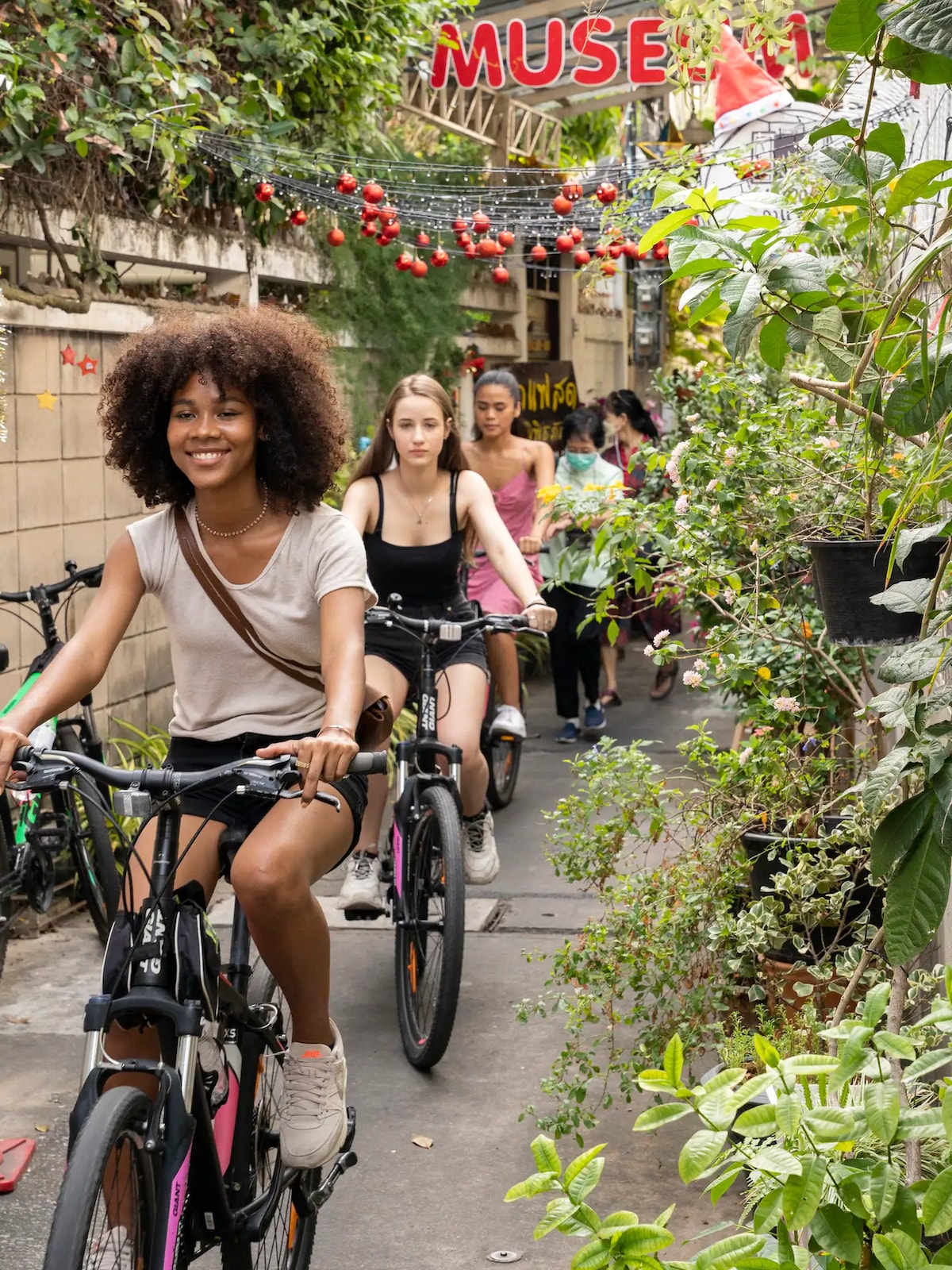
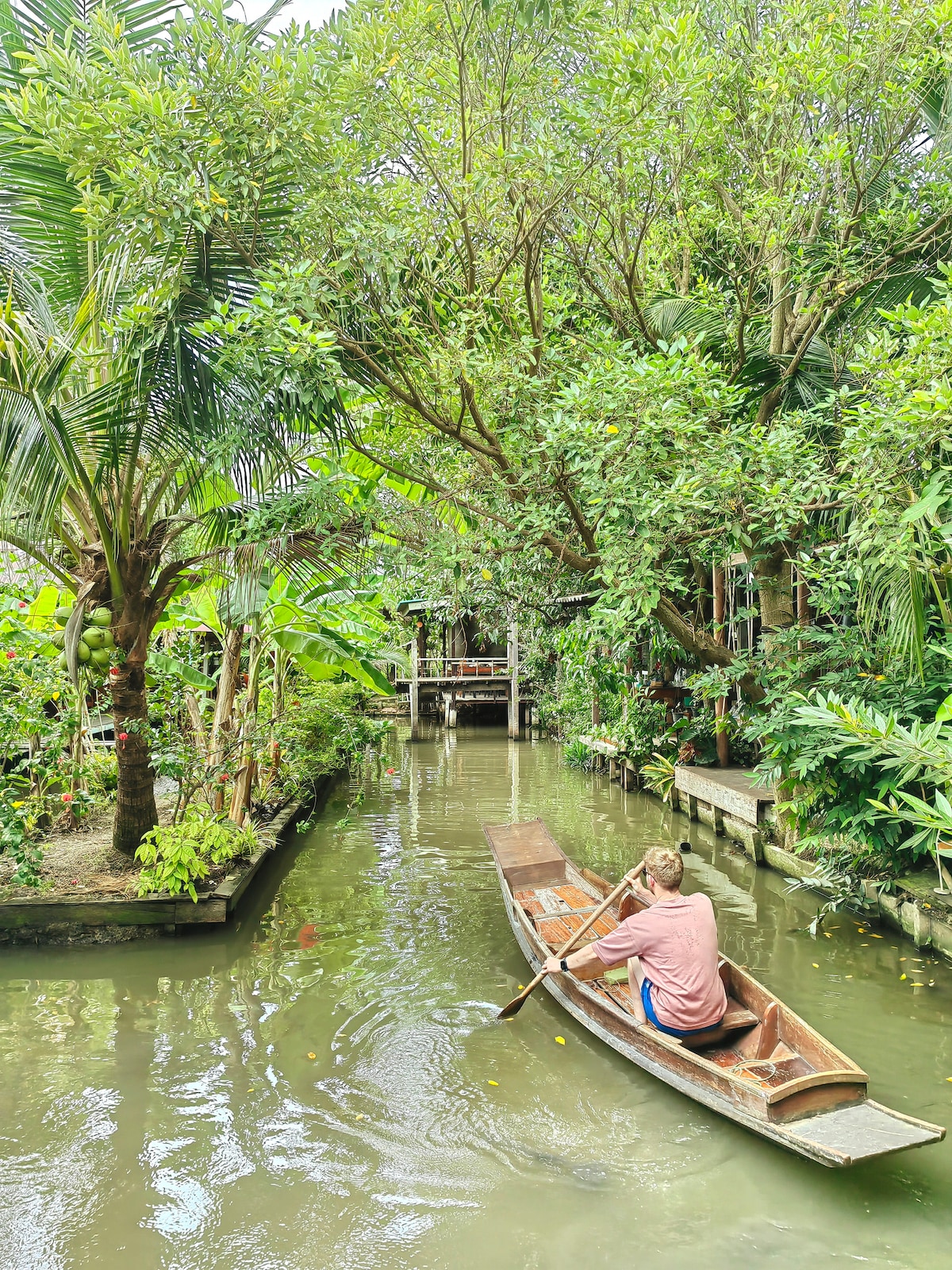
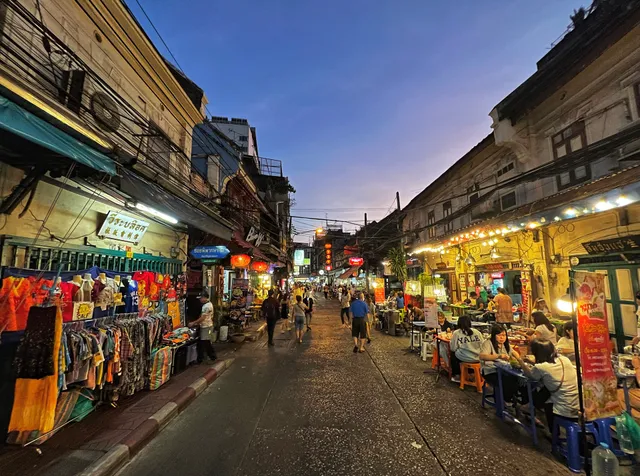
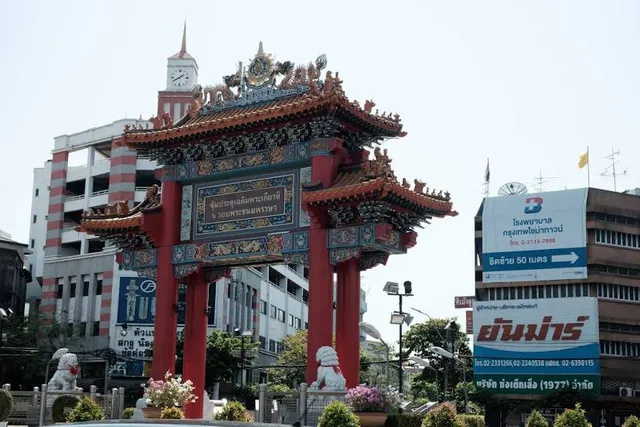
Nearby Points of Interest Discover the nearby attractions that complement the splendor of Wat Traimit Wittayaram Worawihan. Delve into the descriptions and significance of these attractions, such as the bustling Chinatown, the vibrant Saphan Han Market, and the historic Wat Mangkon Kamalawat. Find recommendations for exploring these places, and learn about the accessibility and transportation options available to enhance your visit.
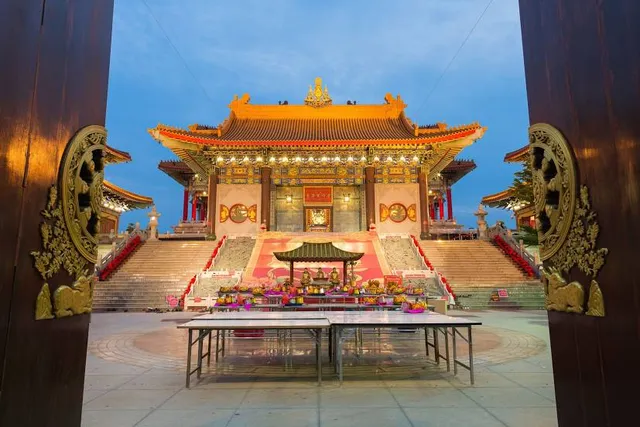
Wat Mangkon Kamalawat Uncover the mystique of Wat Mangkon Kamalawat, one of Bangkok's largest and most prominent Chinese Buddhist temples. Admire the stunning architectural details and intricate artwork that adorn this spiritual haven.
Wat Saket Ascend the 344 steps to Wat Saket, also known as the Golden Mount, and be rewarded with breathtaking panoramic views of Bangkok. Explore the temple grounds and witness the ornate architecture and serene atmosphere.
Embrace the beauty and spirituality of Wat Traimit Wittayaram Worawihan and immerse yourself in the cultural richness of Bangkok's surrounding attractions. Reflect on the historical significance of the temple, appreciate its awe-inspiring architecture, and explore nearby gems that add depth to your journey. Plan your visit today and embark on an unforgettable adventure in the heart of Bangkok's...
Read moreThe Golden Buddha, officially titled Phra Phuttha Maha Suwanna Patimakon (Thai: พระพุทธมหาสุวรรณปฏิมากร; Sanskrit: Buddhamahāsuvarṇapaṭimākara), commonly known in Thai as Phra Sukhothai Traimit (Thai: พระสุโขทัยไตรมิตร), is a gold Maravijaya Attitude seated Buddharupa statue, with a weight of 5.5 tonnes (5,500 kilograms). It is located in the temple of Wat Traimit, Bangkok, Thailand. At one point in its history, the statue was covered with a layer of stucco and coloured glass to conceal its true value, and it remained in this condition for almost 200 years, ending up as what was then a pagoda of minor significance. During relocation of the statue in 1955, the plaster was chipped off and the gold revealed.
The origins of this statue are uncertain. It is made in the Sukhothai Dynasty style of the 13th–14th centuries, though it could have been made after that time. The head of the statue is egg-shaped, which indicates its origin in the Sukhothai period. Given that Sukothai art had Indian influences and metal figures of the Buddha made in India used to be taken to various countries mostly during the Pala period.
Later, the statue was probably moved from Sukhothai to Ayutthaya, about 1403.
Some scholars believe the statue is mentioned in the somewhat controversial Ram Khamhaeng stele. In lines 23–27 of the first stone slab of the stele, "a gold Buddha image" is mentioned as being located "in the middle of Sukhothai City," interpreted as being a reference to the Wat Traimit Golden Buddha.
At some point, the statue was completely plastered over to prevent it from being stolen. The statue was covered with a thick layer of stucco, which was painted and inlaid with bits of coloured glass. It is believed that this plastering-over took place before the destruction of Ayutthaya kingdom by Burmese invaders in 1767. The statue remained among the ruins of Ayutthaya without attracting much attention.
In 1801, King Buddha Yodfa Chulaloke (Rama I) of Siam, after establishing Bangkok as a new capital city of the Kingdom, and after commissioning the construction of many temples in Bangkok, ordered that various old Buddha images should be brought to Bangkok from the ruined temples around the country.
At the time of King Rama III (1824–1851), the statue, still covered with stucco, was installed as the principal Buddha image in the main temple building of Wat Chotanaram (Wat Phraya Krai) in Bangkok.
When Wat Chotanaram, located near Chinatown on the site of modern-day Asiatique, fell into disrepair and was closed, the statue was moved to its present location at the nearby Wat Traimit in 1935. At the time, Wat Traimit was a pagoda of minor significance (like hundreds of other Buddhist temples that exist in Bangkok). Since the temple didn't have a building big enough to house the statue, it was kept for 20 years under a simple tin roof. The true identity of this statue had been forgotten for...
Read more