Dar Othman things to do, attractions, restaurants, events info and trip planning
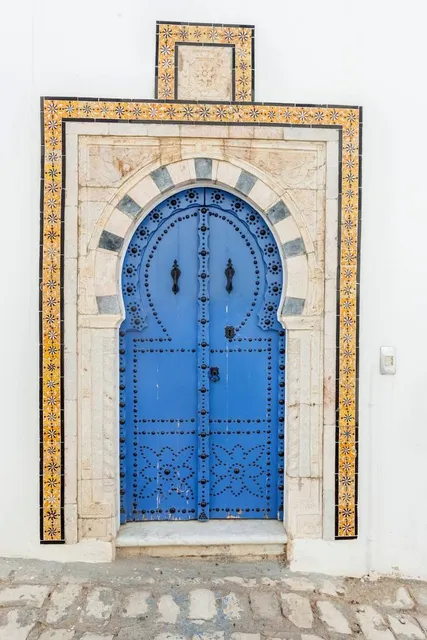
Basic Info
Dar Othman
47 Rue d'Iran, Tunis 1002, Tunisia
3.8(33)
Open 24 hours
Save
spot
spot
Ratings & Description
Info
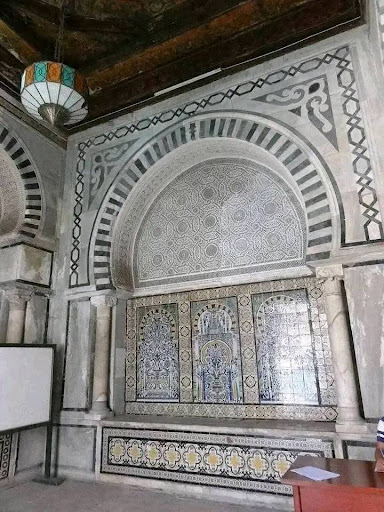
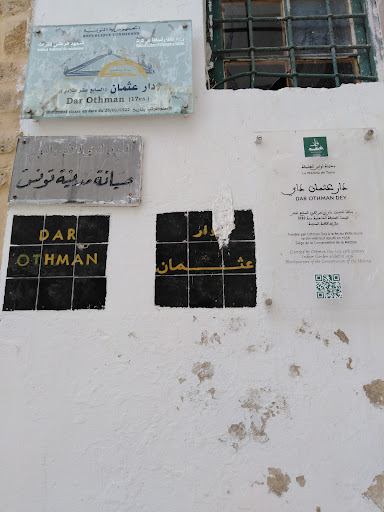
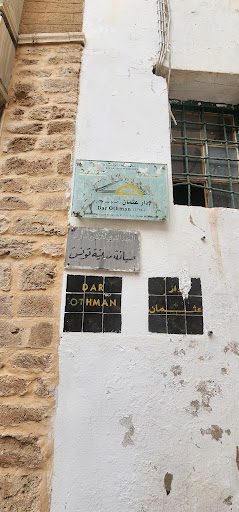
Dar Othman is one of the palaces of the medina of Tunis. The residence is located in the south of the medina, 16 El Mebazaâ Street.
Cultural
Accessibility
attractions: Ez-Zitouna Mosque, Royal Mausoleum of Tourbet el Bey, Dar Ben Abdallah, Dar Bach Hamba, Madrasa Slimania, Chateau de la Medina, Hammouda Pacha Mosque, Sidi Youssef Dey Mosque, Medina of Tunis, Episcopal Library, restaurants: El Ali Restaurant & Cafe, Fondouk El Attarine, Café Slimania (قهوة فتحية), Restaurant set al habayeb, Dar ben salem, El Mrabet Cafe, Caféteria BEN YEDDER, Souk Cafe, Doken, Dar Belhadj, local businesses: Souk El Attarine, The Ancient Church Sainte-Croix, Rais store, Library De La Khaldounia, Saint Vincent de Paul Cathedral, Monument Place de la Kasbah, Pâtisserie Pur Beurre Le Parnasse, Strasbourg Restaurant Tunis, 15 Rue Sidi Saber
 Learn more insights from Wanderboat AI.
Website
commune-tunis.gov.tn
Plan your stay

Pet-friendly Hotels in Tunis
Find a cozy hotel nearby and make it a full experience.

Affordable Hotels in Tunis
Find a cozy hotel nearby and make it a full experience.

The Coolest Hotels You Haven't Heard Of (Yet)
Find a cozy hotel nearby and make it a full experience.

Trending Stays Worth the Hype in Tunis
Find a cozy hotel nearby and make it a full experience.
Reviews
Nearby attractions of Dar Othman
Ez-Zitouna Mosque
Royal Mausoleum of Tourbet el Bey
Dar Ben Abdallah
Dar Bach Hamba
Madrasa Slimania
Chateau de la Medina
Hammouda Pacha Mosque
Sidi Youssef Dey Mosque
Medina of Tunis
Episcopal Library
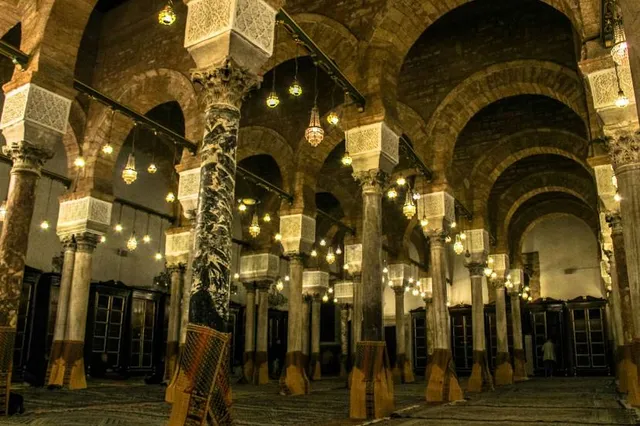
Ez-Zitouna Mosque
4.6
(1.4K)
Open until 5:30 PM
Click for details
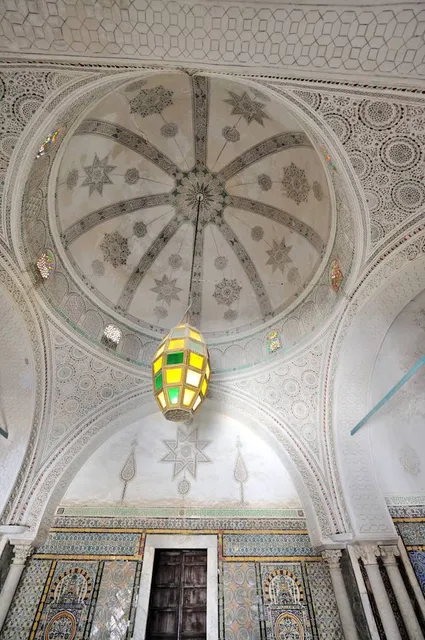
Royal Mausoleum of Tourbet el Bey
4.4
(124)
Closed
Click for details
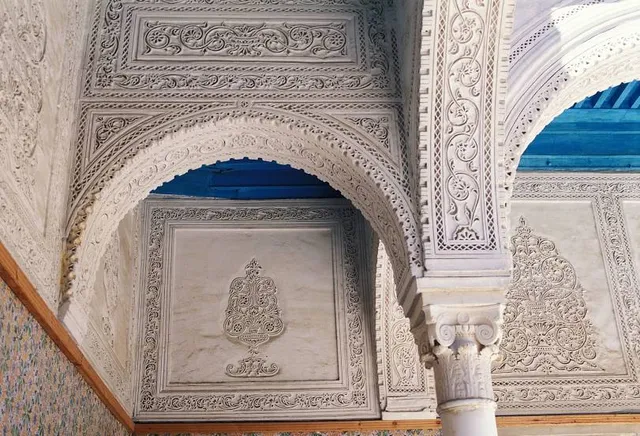
Dar Ben Abdallah
3.4
(29)
Closed
Click for details
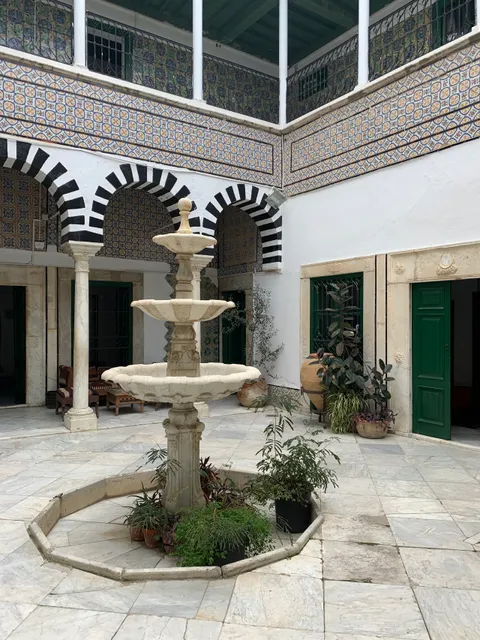
Dar Bach Hamba
4.5
(42)
Open 24 hours
Click for details
Nearby restaurants of Dar Othman
El Ali Restaurant & Cafe
Fondouk El Attarine
Café Slimania (قهوة فتحية)
Restaurant set al habayeb
Dar ben salem
El Mrabet Cafe
Caféteria BEN YEDDER
Souk Cafe
Doken
Dar Belhadj
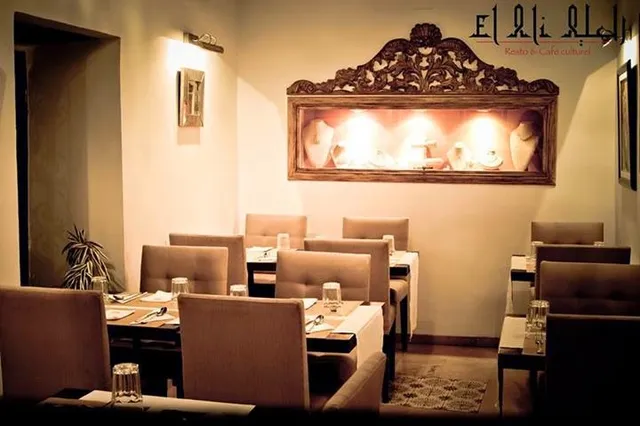
El Ali Restaurant & Cafe
4.1
(415)
Open until 5:00 PM
Click for details
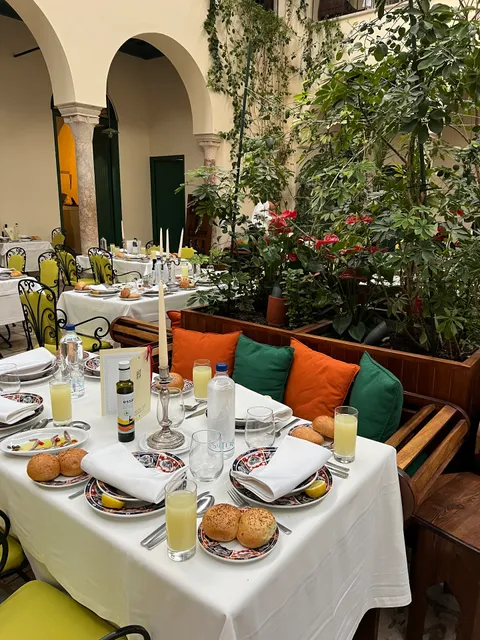
Fondouk El Attarine
4.2
(494)
Open until 5:00 PM
Click for details
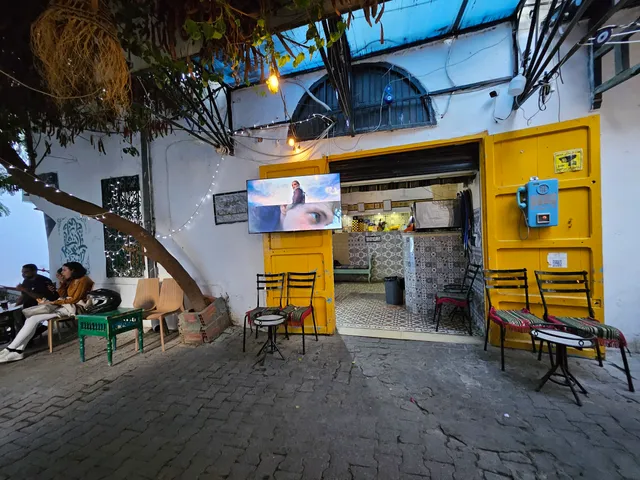
Café Slimania (قهوة فتحية)
4.5
(62)
Open until 1:00 AM
Click for details
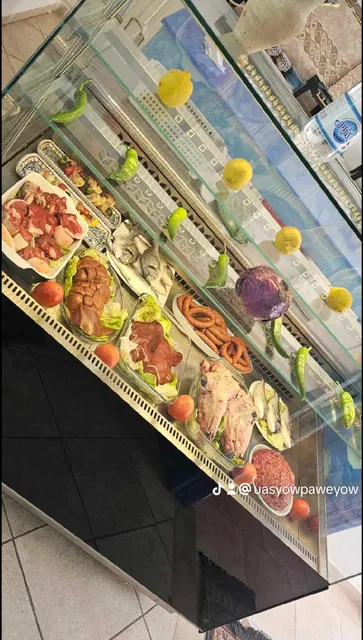
Restaurant set al habayeb
4.9
(379)
Open until 9:00 PM
Click for details
Nearby local services of Dar Othman
Souk El Attarine
The Ancient Church Sainte-Croix
Rais store
Library De La Khaldounia
Saint Vincent de Paul Cathedral
Monument Place de la Kasbah
Pâtisserie Pur Beurre Le Parnasse
Strasbourg Restaurant Tunis
15 Rue Sidi Saber
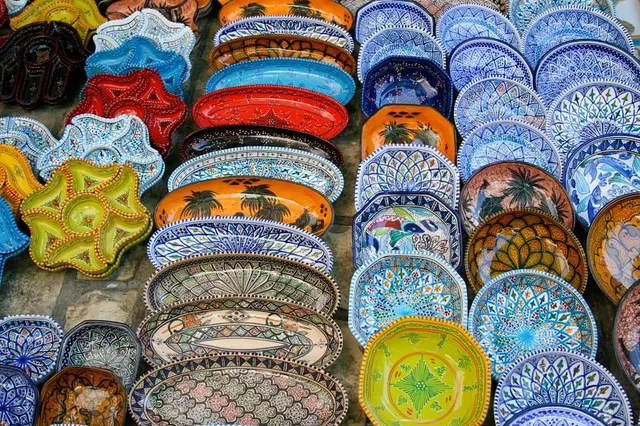
Souk El Attarine
4.3
(84)
Click for details
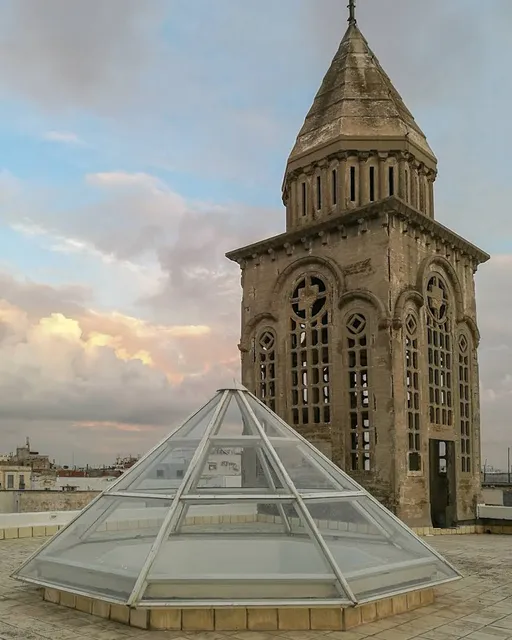
The Ancient Church Sainte-Croix
4.3
(24)
Click for details
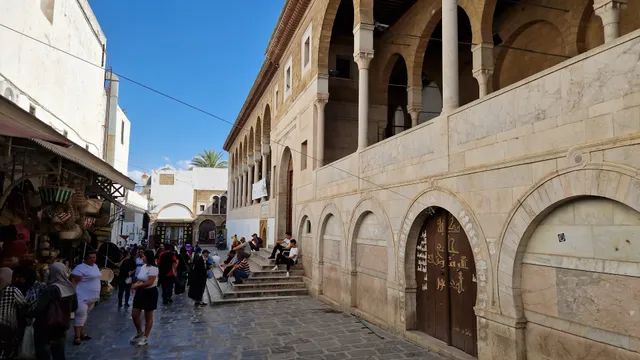
Rais store
4.5
(36)
Click for details
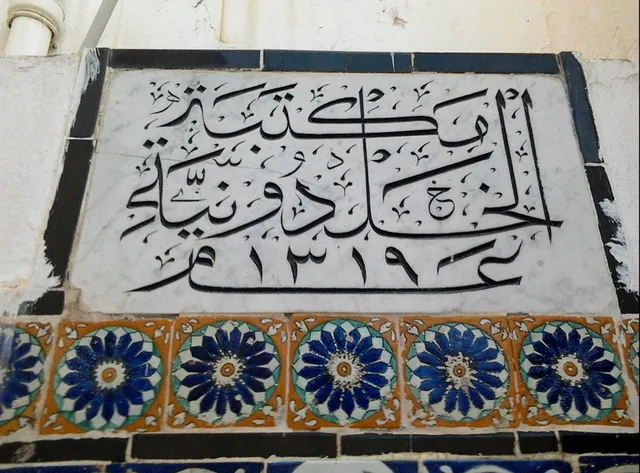
Library De La Khaldounia
4.1
(9)
Click for details