Fethiye Müzesi things to do, attractions, restaurants, events info and trip planning
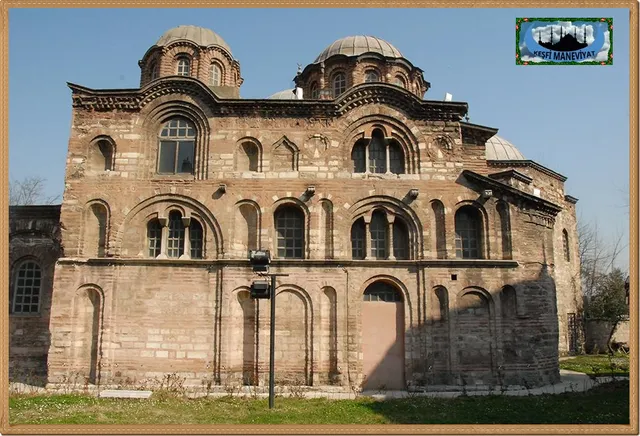
Basic Info
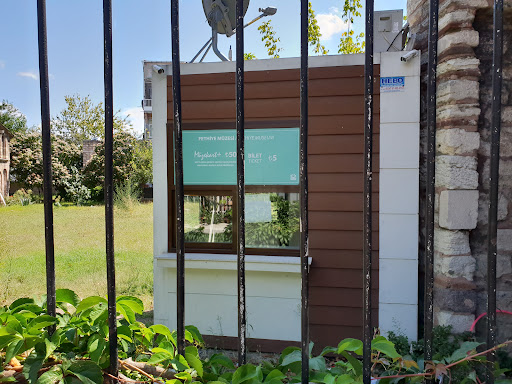
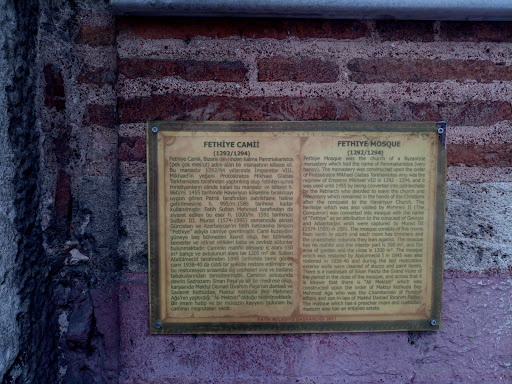
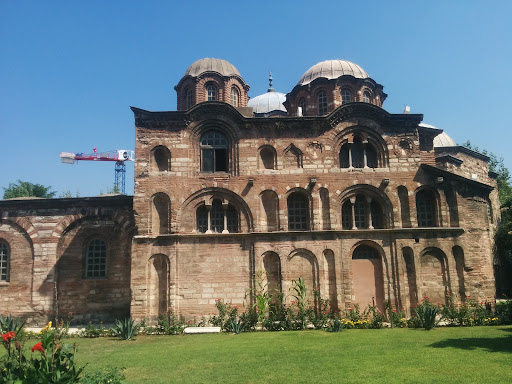
Fethiye Müzesi
Fethiye Caddesi, Balat, Draman Cd., 34087 Fatih/İstanbul, Türkiye
3.9(147)
Open 24 hours
Save
spot
spot
Ratings & Description
Info
Cultural
Family friendly
Accessibility
attractions: Coloured Houses of Balat, Fethiye Mosque, Ismail Aga Mosque, Hirâmi Ahmed Paşa Camii, Çarşamba Çukurbostan Parkı, Kariye Mosque, Tarihi Çeşme, Monologlar Müzesi, Palace of the Porphyrogenitus, Aspar Sarnıcı, Çukurbostan, restaurants: Gold Balat Restaurant, Old Balat Cafe & kitchen, New Balat Cafe Restaurant, Velvet Cafe, Balat Breakfast • Brunch • Coffee, Forno Balat, İstanbul 'un En İyi Kahvaltı, Lahmacun ve Pizza & Pide Mekanları, Sizinle!, Cafe Dora, Cafe Naftalin K, Balatkapı Restaurant, Pier Cafe Restaurant, Öz Karadeniz pide kebap, local businesses: Virgin Mary Greek Orthodox Church, Venerable Patriarchal Church of Saint George, Saint Stephen’s Orthodox Church, Scala colorata, Balat Çini Atölyesi, Göç Antik, Apopedia Travel, Backstage Vintage, Balat Bazaar, Lighthouse Antique Auctions
 Learn more insights from Wanderboat AI.
Plan your stay

Pet-friendly Hotels in Fatih
Find a cozy hotel nearby and make it a full experience.

Affordable Hotels in Fatih
Find a cozy hotel nearby and make it a full experience.

The Coolest Hotels You Haven't Heard Of (Yet)
Find a cozy hotel nearby and make it a full experience.

Trending Stays Worth the Hype in Fatih
Find a cozy hotel nearby and make it a full experience.
Reviews
Live events
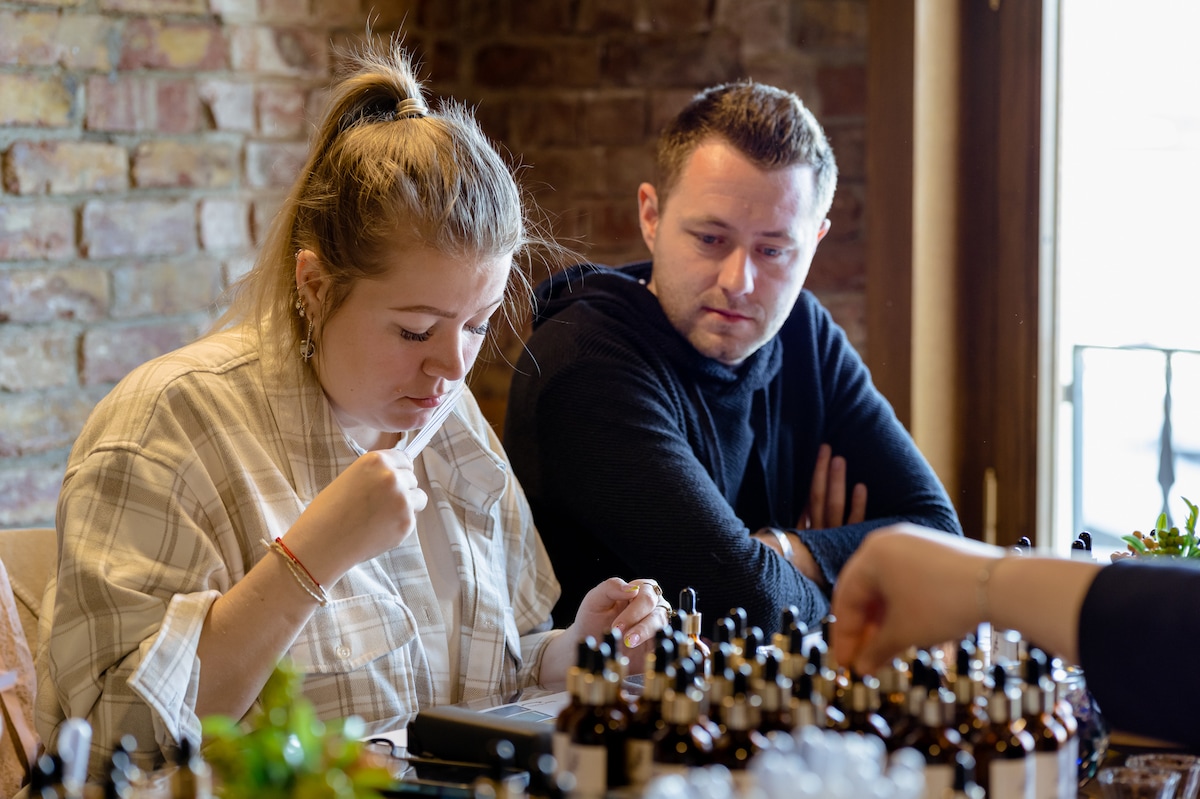
Perfume Making Workshop with Bosphorus View
Mon, Feb 23 • 10:00 AM
34425, Beyoğlu, İstanbul, Turkey
View details
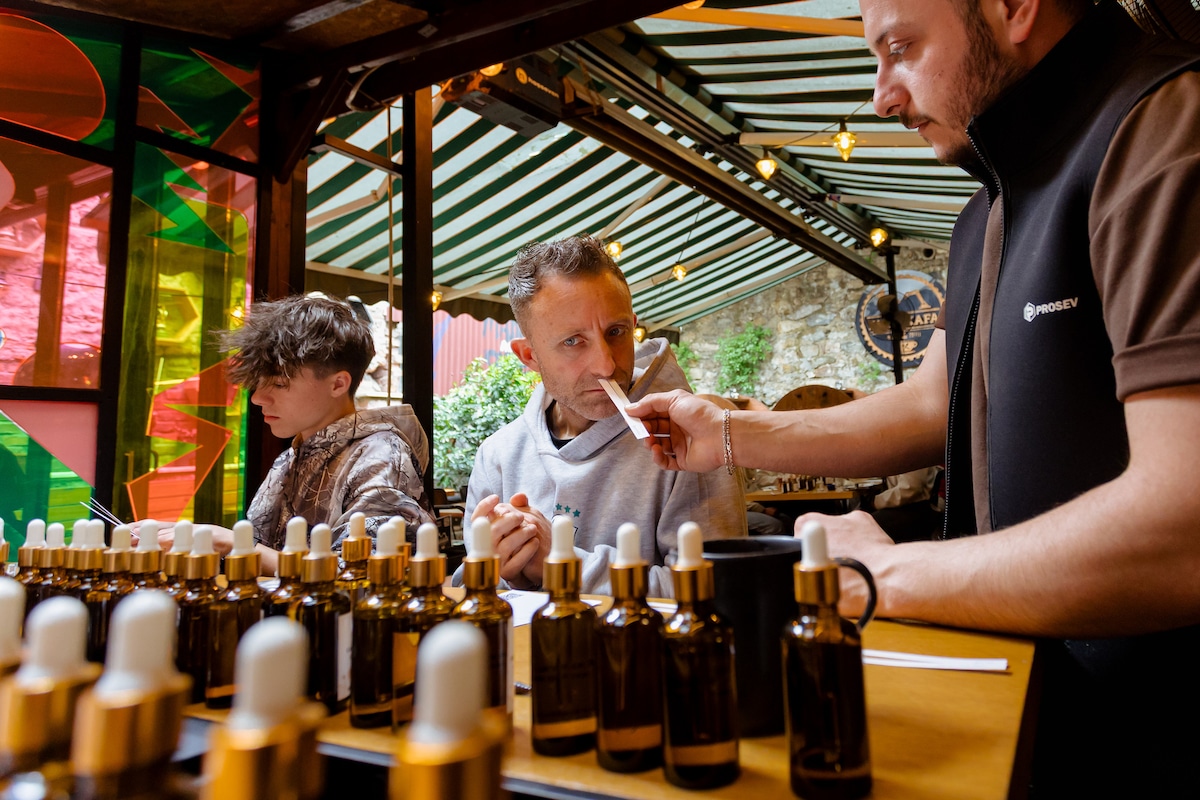
Create a signature scent in Istanbul
Mon, Feb 23 • 10:00 AM
34110, Fatih, İstanbul, Turkey
View details

Small Group Yacht Tour, Unlimited Wine & Fruits
Mon, Feb 23 • 5:00 PM
34421, Beyoğlu, İstanbul, Turkey
View details
Nearby attractions of Fethiye Müzesi
Coloured Houses of Balat
Fethiye Mosque
Ismail Aga Mosque
Hirâmi Ahmed Paşa Camii
Çarşamba Çukurbostan Parkı
Kariye Mosque
Tarihi Çeşme
Monologlar Müzesi
Palace of the Porphyrogenitus
Aspar Sarnıcı, Çukurbostan
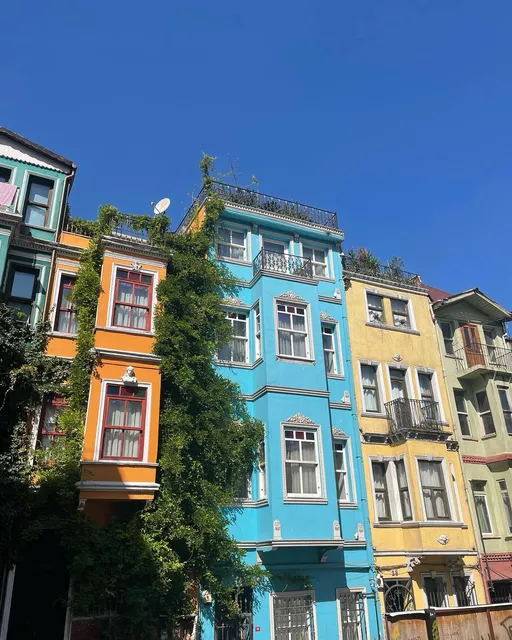
Coloured Houses of Balat
4.3
(3.2K)
Open until 12:00 AM
Click for details
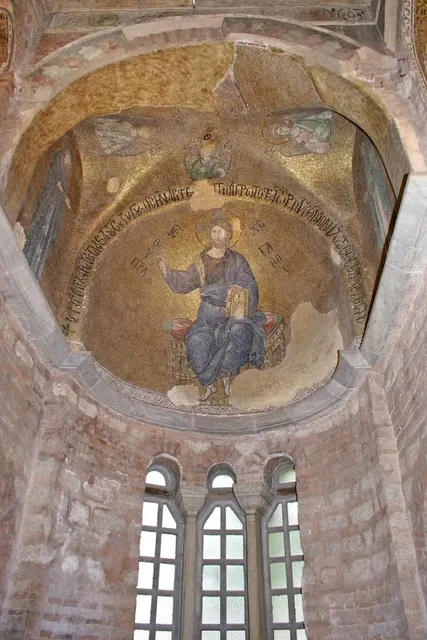
Fethiye Mosque
4.3
(592)
Open 24 hours
Click for details
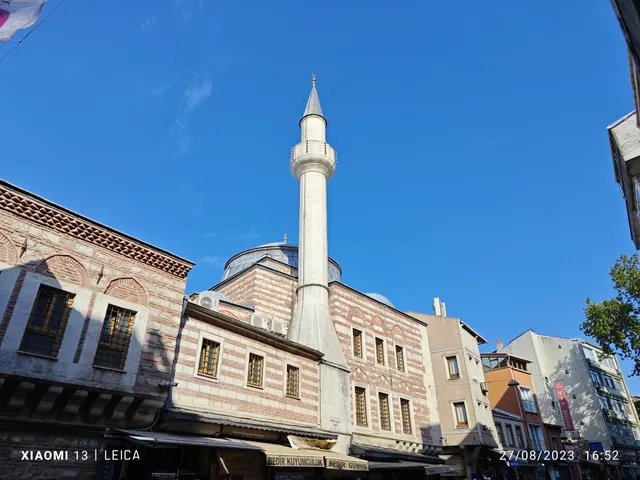
Ismail Aga Mosque
4.8
(3.9K)
Closed
Click for details
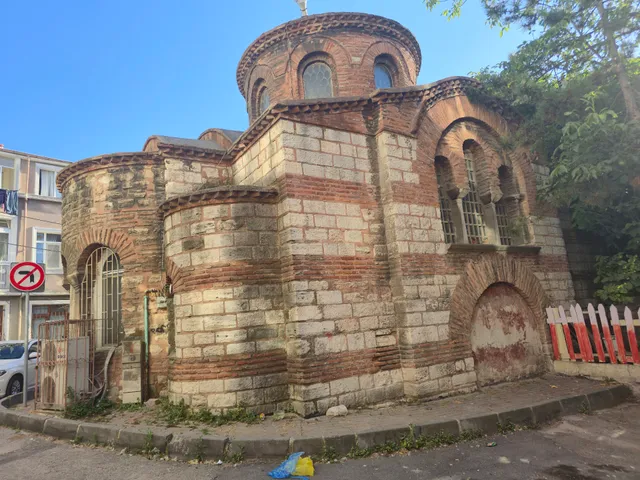
Hirâmi Ahmed Paşa Camii
4.7
(100)
Open 24 hours
Click for details
Nearby restaurants of Fethiye Müzesi
Gold Balat Restaurant
Old Balat Cafe & kitchen
New Balat Cafe Restaurant
Velvet Cafe, Balat Breakfast • Brunch • Coffee
Forno Balat, İstanbul 'un En İyi Kahvaltı, Lahmacun ve Pizza & Pide Mekanları, Sizinle!
Cafe Dora
Cafe Naftalin K
Balatkapı Restaurant
Pier Cafe Restaurant
Öz Karadeniz pide kebap
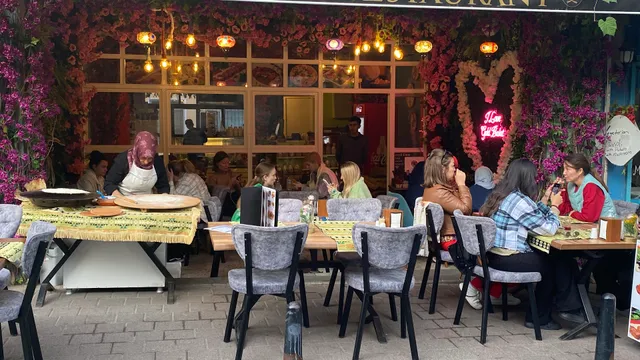
Gold Balat Restaurant
4.9
(2.3K)
Closed
Click for details
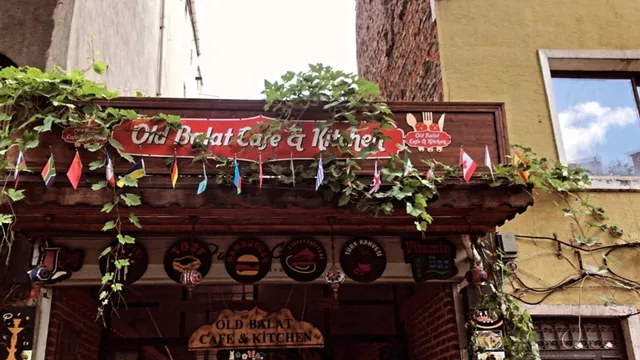
Old Balat Cafe & kitchen
4.9
(1.9K)
$$
Closed
Click for details
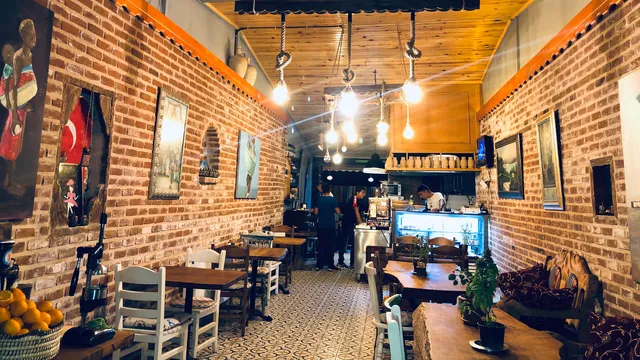
New Balat Cafe Restaurant
4.9
(2.2K)
Closed
Click for details
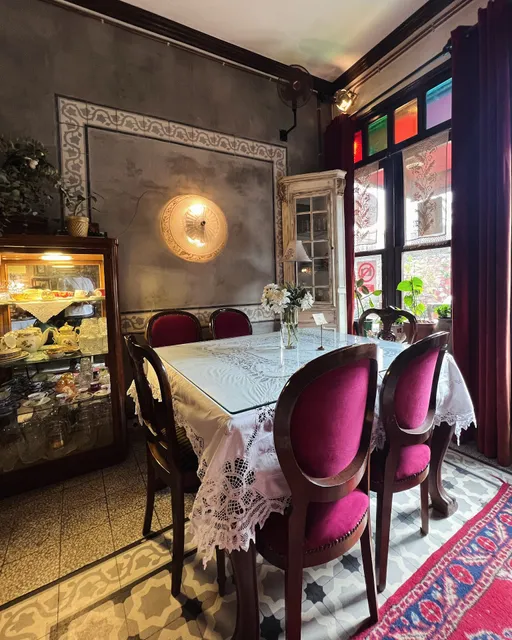
Velvet Cafe, Balat Breakfast • Brunch • Coffee
4.4
(1.1K)
$$
Open until 12:00 AM
Click for details
Nearby local services of Fethiye Müzesi
Virgin Mary Greek Orthodox Church
Venerable Patriarchal Church of Saint George
Saint Stephen’s Orthodox Church
Scala colorata
Balat Çini Atölyesi
Göç Antik
Apopedia Travel
Backstage Vintage
Balat Bazaar
Lighthouse Antique Auctions
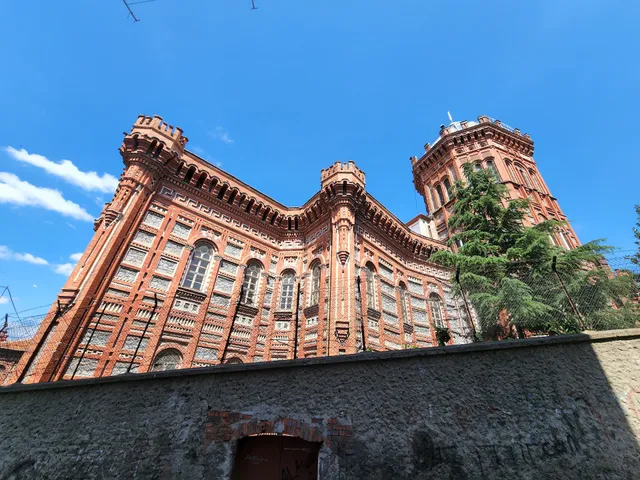
Virgin Mary Greek Orthodox Church
4.4
(710)
Click for details
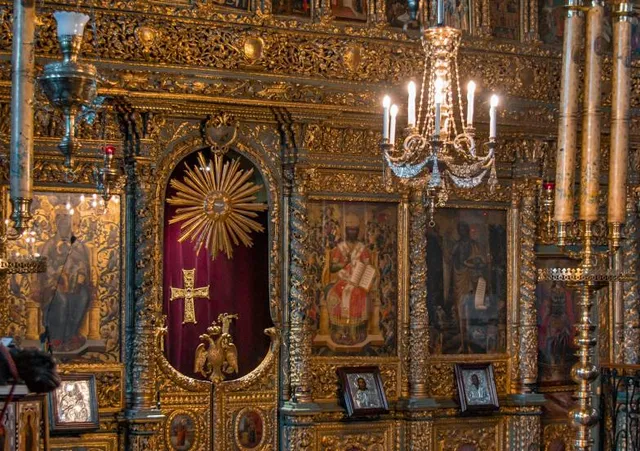
Venerable Patriarchal Church of Saint George
4.7
(2.7K)
Click for details
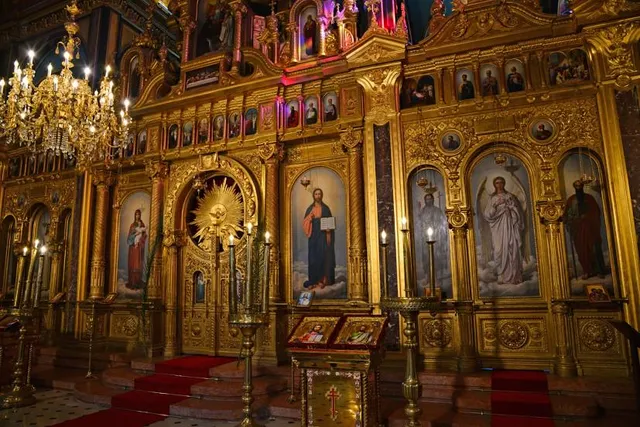
Saint Stephen’s Orthodox Church
4.8
(1.4K)
Click for details

Scala colorata
4.0
(163)
Click for details