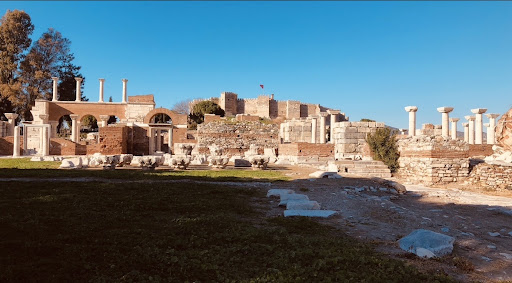
Ayasuluk Castle in Selçuk, is an extraordinary destination for history lovers and those fascinated by ancient architecture and culture. Perched atop Ayasuluk Hill, the castle offers panoramic views of the surrounding region, including the ruins of ancient Ephesus, the Basilica of St. John, and the picturesque town of Selçuk. More than just a fortress, Ayasuluk Castle is a monument to the layered histories and cultures that once flourished here, making it a vital link in the story of the ancient Mediterranean and a captivating place for visitors from around the world.
Dating back to the Byzantine era, Ayasuluk Castle was a critical stronghold strategically built to protect the region. It continued to play an essential role throughout the centuries, with expansions and reinforcements by the Seljuks, the Aydinids, and later the Ottomans, who left their distinct marks on its architecture. Its history reflects the dynamic shifts in power and culture in this region, as it served as both a military base and a center of regional governance. Walking through the castle’s gates, you can almost feel the presence of the warriors, traders, and dignitaries who once called this place home.
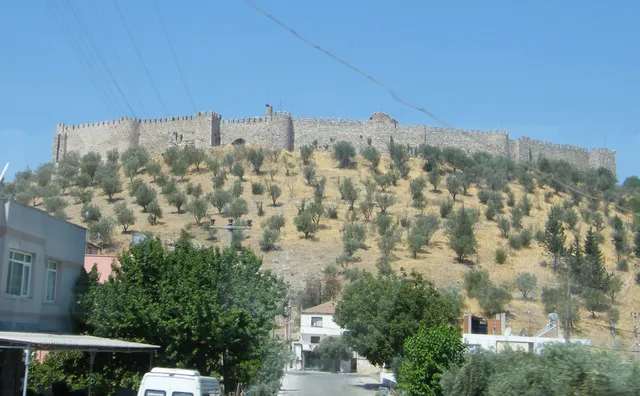
The castle’s walls, towers, and gates are a marvel of ancient engineering. Built with massive stone blocks, the walls provide insight into the defensive strategies of past civilizations. Each layer of stone tells a story, revealing techniques and materials used by Byzantine, Seljuk, and Ottoman builders. The bastions and lookout points not only protected those within but also offered strategic views of the valley and the Aegean Sea, reminding visitors of the castle’s critical role in safeguarding trade routes and the nearby city of Ephesus.
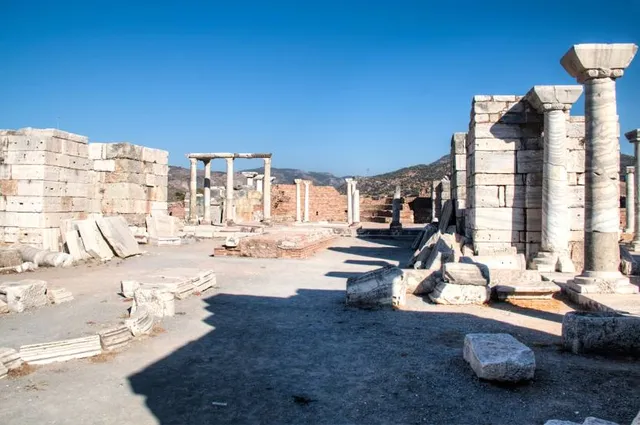
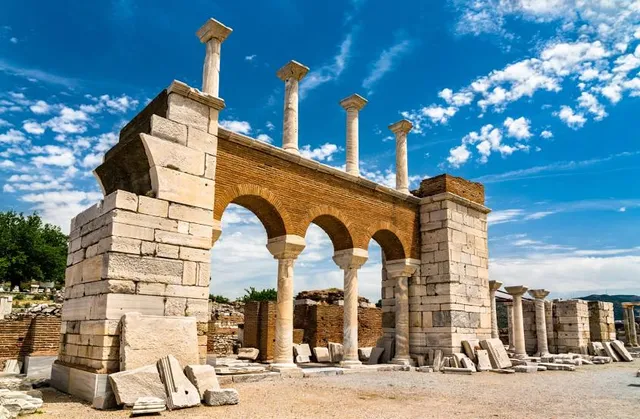
Inside the castle walls, you’ll find remains of a Byzantine church, cisterns, and storage rooms, highlighting its role as a self-sustaining fortress. The Byzantine church, with its surviving frescoes and stone walls, is an especially moving sight, offering a glimpse into the spiritual life of the castle’s inhabitants. These structures, now worn by time, still convey the resourcefulness of the people who lived here, who adapted the space for both defense and daily life in the face of constant change.
One of the highlights of visiting Ayasuluk Castle is the commanding view from the top. The sight of the ancient city of Ephesus, the Basilica of St. John, and the lush valley below is absolutely breathtaking, making you feel like you’re gazing through time itself. This vantage point allows visitors to appreciate the interconnected histories of the ancient civilizations that once flourished here, all while taking in the beauty of the Turkish landscape.
Ayasuluk Castle is a remarkable destination because it embodies the essence of resilience and adaptation. It’s a place where diverse cultures left their mark, creating a structure that evolved with each new generation, each ruler, and each religion that came to power in the region. Visiting this site is not only an opportunity to explore an ancient fortress but to connect with the complex tapestry of history that shaped the Mediterranean.
For anyone visiting Turkiye, Ayasuluk Castle is a must-see. It’s an immersive experience that transports you back in time and deepens your appreciation for the rich history of this region. Standing atop its walls, you’re reminded of the human ingenuity and cultural exchange that defines the past and continues to shape our...
Read moreİzmir’in tarihi ilçesi Selçuk’a hakim bir tepe üzerinde yer alan Selçuk Kalesi, Ayasuluk Kalesi olarak da biliniyor. Hıristiyanlar’ın dini anlamda çok önem verdikleri kilisenin ardındaki kale, tarihin birçok dönemine tanıklık etmiş.
Selçuk Kalesi hakkında bilgi:
Kale tarihinin eski dönemlerine doğru gidersek, özellikle MÖ 1000’li yıllarda Efes Antik Kenti‘nin ilk yerleşim yerlerinden biri olduğu anlaşılmış. Lidya kralı Kroisos’un kenti almasıyla Artemis Tapınağı çevresinde düzlük bir alana taşınmış kent.
Selçuk kentinin tacı olarak anılan Selçuk Kalesi, Selçuklu ve Osmanlı dönemlerine ait bir kale. Moloz taş, devşirme malzeme ve tuğla kullanılarak inşa edilen yapı, 17 kuleyle güçlendirilmiş. Doğu ve batı yönünde iki ana girişi bulunan Selçuk Kalesi‘nin içinde bulunan yapılar depremler ve savaşlar yüzünden yıkılmış. Hatta kale duvarları bile taş yığını haline gelmiş. Ancak yapılan restorasyonlar sonucu günümüzdeki halini almış. Kalenin girişindeki fotoğraflara baktığınızda kalenin eski halinin zamana ne kadar yenik düştüğünü görebilirsiniz.
Kale Türklerin eline geçtikten sonra Ayasuluk ismini almış ve tepede bulunan kent Aydınoğulları Beyliği döneminde bir süre başkentlik yapmış. 14. yüzyılda Osmanlı topraklarına katılmış. Kalenin içinde de ayakta kalabilmiş ya da restore edilmiş pek yapı olduğu söylenemez. Ayasuluk Kalesi‘nin en üst noktasında yer alan sarnıç, Bizans Dönemi’nde bir bazilikanın doğu bölümüymüş. Yağmur sularıyla beslenen sarnıç, çevresindeki hamamın ve çeşmenin su ihtiyacını karşılıyormuş.
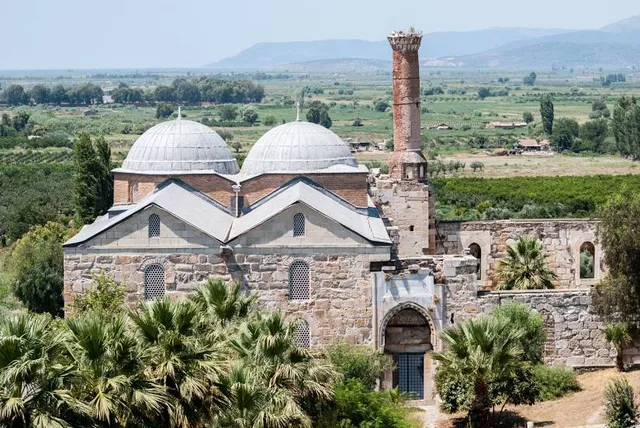
Sarnıçla beraber içine giriş mümkün olmayan, üflense yıkılacak gibi duran Kale Cami’den başka bir şey görmek mümkün değil. Kalenin içinde bulunan caminin inşa edildiği tarih tam olarak bilinmiyor. Çünkü, üzerinde veya çevresinde herhangi bir kitabe yok, fakat arkeologlar tarafından Aydınoğulları Beyliği’nin Ayasuluk’u aldığı yıllarda inşa edildiği düşünülüyor.
Kalenin içinde eskiden kullanılan evlerin sınırları görülebiliyor.
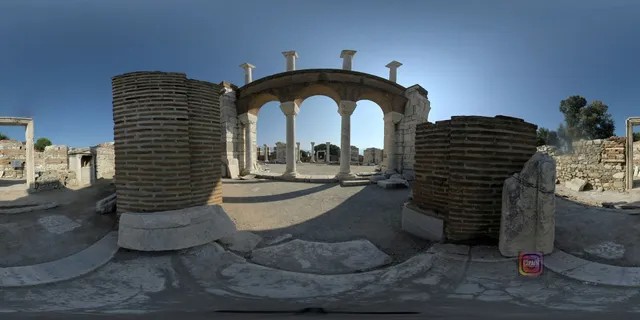
St. Jean Kilisesi'nden Selçuk Kalesi'ne ulaşmak için bu yolu yürümek gerekiyor.
Aziz Yuhanna‘nın, 90 yaşındayken, İncil‘ini burada yazdığı inancının yaygın olduğu Kale İçi’nde bulunan caminin yanındaki evlerin temelleri kazılar sonucu ortaya çıkarılmış. Evlerin sınırlarını görmek mümkün olabiliyor. Aydınoğulları ve Osmanlı dönemlerinde kullanılan evlerin tarihi Bizans dönemine kadar iniyormuş. Birbirlerine bitişik olarak inşa edilen ve alt katları ahır olarak kullanılan evlerin üst katı yaşam alanı olarak kullanılıyormuş.
Selçuk Kalesi nerede ve nasıl gidilir?
Selçuk Kalesi’ne ulaşmak için öncelikle İzmir’in Selçuk ilçesine varmalısınız. Kale, St. Jean Kilisesi‘nin içinden geçerek, yaklaşık 150 metre yürüme ile ulaşabileceğiniz bir konumda. Aracınızla geliyorsanız her yerde kilisenin ve kalenin tabelalarını görmek mümkün. Aracınızını da kilise kapısının önünde bir yerlere park...
Read moreIt's a shame we traveled so far to visit this place but didn't get to see it. Beware! The fortress is on the same premises as the Basilica of St. John. We used the Museum Pass (for the whole of Turkey) to get in and visited the Basilica. But as we didn't see any sign for the Ayasuluk Fortress, we exited St. John and tried to find a way to visit the Fortress. After wandering for about 40 minutes just seeing the walls and towers of the Fortress afar but not able to gain entry, we finally realized the two sights were connected. We went back to the Basilica entrance again and explained the situation to the lady in charge of ticketing. She held the official line: one pass for one sight ONCE. Well, we knew that. But, dare I ask for better signage for directions? Or a brochure? Or a map, even if...
Read more