Our recent visit to the Birmingham Museum & Art Gallery (BMAG) was a delightful and enriching experience for my family. Located in the heart of Birmingham, this museum offers a diverse range of exhibits, from fine art to ancient artefacts. Here’s a detailed review of our visit:
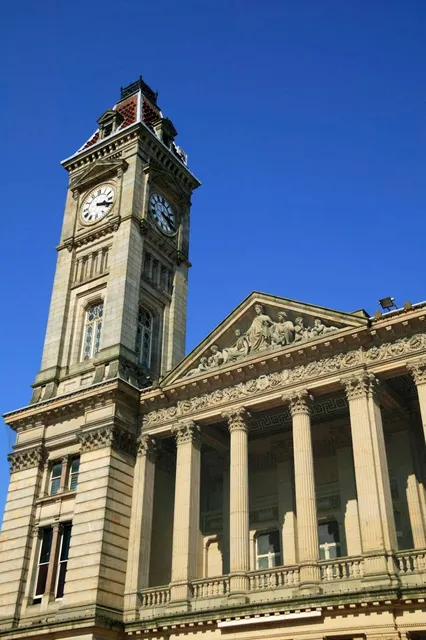
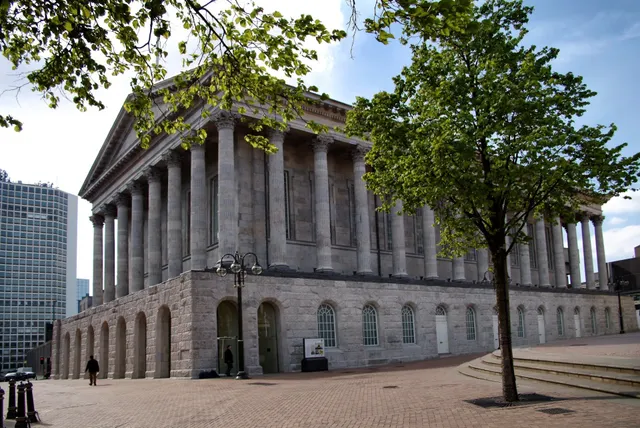
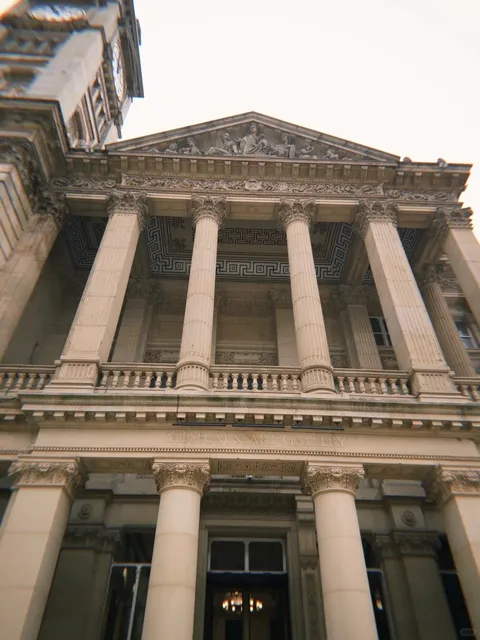
Arrival and First Impressions Upon arriving at the Birmingham Museum & Art Gallery, the impressive neoclassical facade of the building set a grand tone for our visit. The museum is conveniently located in the city center, making it easy to access and a prominent landmark in Birmingham’s cultural landscape.
Exploring the Museum Entrance and Initial Impressions
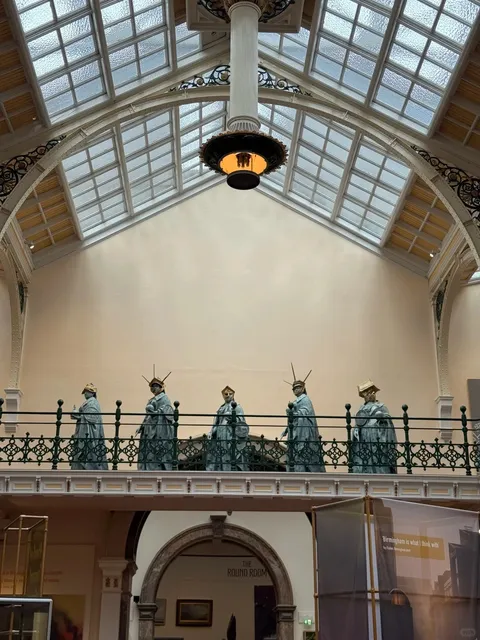
The museum’s entrance is welcoming, and the grand interior with its high ceilings and ornate architecture immediately captures your attention. The main atrium provides a spacious and airy feel, setting the stage for our exploration.
Art Collections
The art galleries were a highlight of our visit. BMAG houses an extensive collection of paintings, including works by renowned artists such as Edward Burne-Jones and Pre-Raphaelite masters. The artwork is well-displayed, and the museum’s layout allows for a leisurely and immersive experience. We particularly enjoyed the variety of styles and periods represented, from classical to modern art.
Ancient Artefacts
The museum’s collection of ancient artefacts, including Egyptian mummies and Roman relics, provided a fascinating glimpse into the past. The exhibits are well-curated and informative, with detailed descriptions that helped us understand the historical context and significance of the artefacts.
Historical Exhibits
BMAG offers a diverse range of historical exhibits, including local history and industrial heritage. The displays on Birmingham’s development during the Industrial Revolution were particularly interesting, offering insights into the city’s evolution and its role in shaping modern industry.
Interactive and Family-Friendly Features
The museum is well-suited for families, with interactive exhibits and activities designed to engage children. The hands-on activities and educational displays were a hit with our kids, making the visit both fun and informative. The museum’s layout is easy to navigate, and the various exhibits cater to different interests and age groups.
Visitor Experience Facilities
The museum offers excellent facilities, including clean restrooms, a café, and a gift shop. The café provided a nice break during our visit, offering a range of snacks and refreshments. The gift shop had a selection of souvenirs and educational materials that our children enjoyed exploring.
Staff and Services
The staff at BMAG were friendly and knowledgeable, providing helpful information about the exhibits and ensuring a smooth visitor experience. The museum also offers guided tours and educational programs, which we found to be valuable additions to our visit.
Accessibility
The museum is accessible, with ramps and elevators available for those with mobility issues. The layout is spacious, making it easy to move around and explore the exhibits comfortably.
Family-Friendly Aspects Visiting BMAG was a rewarding experience for our entire family. The diverse range of exhibits kept everyone engaged, and the interactive elements ensured that the kids were entertained. The museum’s focus on education and engagement made it an enriching experience for all of us.
Educational Value: The museum offered a wealth of knowledge about art, history, and culture. The informative exhibits and interactive features provided a valuable learning experience for our children, sparking their curiosity and interest.
Conclusion Whether you’re an art enthusiast, history buff, or simply looking for a fun and educational outing, BMAG is a fantastic destination. It left a lasting impression on our family, providing both cultural enrichment and enjoyable...
Read moreTitle: A Disappointing Return to What Was Once a Proud Institution
I visited Birmingham Museum and Art Gallery this weekend with my two boys, eager to show them around a place that once stood as a cultural landmark in the city. After being closed for almost four and a half years for what was billed as a major refurbishment, we were all deeply disappointed by what we found.
First, the positive: the building itself has had a good refresh, with nicely painted walls and beautifully polished glass panels that show someone truly cares about the structure. But that’s where the positives end.
Only around 20% of the gallery is currently open, with most of Birmingham’s renowned collections nowhere to be seen. The worst part? The staff openly admitted that much of the artwork is still in storage and, even more frustratingly, the Birmingham Post announced that full reopening isn't expected until 2030—a staggering 10-year wait. How can it take that long in what is supposed to be England’s second city?
In terms of what’s on display, the collections felt rushed and half-hearted, even after nearly half a decade to curate them. The curation was poor, the selection sparse, and frankly, too many prints and posters where we expected to see original works. My young son, bewildered, even asked where all the "real art" was. Surely, for such a long-awaited reopening, there could have been better planning to at least showcase the Museum's most iconic pieces. Yet, those appear to have been relocated to Gaff Creek Hall, where they charge £11 per person. Art in Birmingham is no longer truly accessible to all.
To make matters worse, we entered the tea room at 4:15 PM (with the gallery closing at 5), only to be told it was already closed. Again, this gave off the impression that staff were eager to cut their day short. The shop, while small, did little to redeem the visit either. You won't need more than 30 minutes to see the limited displays—what once could have been a full day’s visit, has now shrunk to barely a passing hour.
In short, it was notably clear that the work-from-home culture seeped into every aspect of the institution, and this gallery holds a mirror up to the city it represents. The entire experience left us saddened and disillusioned. More than ever, it either needs someone new at the helm or a drastic review of how Birmingham’s rich cultural assets are being managed.
Poem:
From grand halls to empty walls, A gallery lost, behind locked doors.
Four years gone, ten more to wait, For art to return, but we fear it's too late.
My son asked why the walls were bare, Where are the paintings?"—he said with a stare.
Refurbished walls, polished glass, sure, But culture's been lost—we see this for sure.
A brew denied, at quarter past four, It’s clear they don’t want guests anymore.
In storage sits, what we came to see, And charges make art far from free.
This gallery once held treasures untold, Now it's a shadow, grey and cold.
England’s second city, they claim with pride, But what good’s a city, whose art’s...
Read more🌻 Museums are those curious places where time seems to stand still, and you get not just to look at old things, but to rest and breathe in the history of the city — and who knows, maybe even find a spark of your own inspiration there.
The Birmingham Museum, renovated since 2019, is like a wise old friend slowly revealing its secrets: first the key spaces — Industrial Gallery, Round Room, Bridge Gallery — and then the galleries filled with history that smells of real life.
The exhibitions here are a cocktail of permanent collections of art, science, and history, mixed with sharp, shrapnel-like temporary projects: “Shrapnel Boys,” “Watch Us Lead,” even “Ozzy Osbourne” and “GIANTS” — so that every visitor, even the most demanding, can find something close to their heart.
The museum listens to the city — adding important themes about wars, colonial heritage, and inclusivity, opening those pages of history that usually remain unnoticed. The exhibition “Watch Us Lead,” opened on June 5th, looks into those parts of history that have yet to find peace.
Collaboration here is more than just a word. The museum works with local communities, archives, and organizations caring for children and culture to create something more than just exhibitions — true educational programs that feed the mind and soul.
Public dialogue is one of the museum’s key traits. Galleries like “The Elephant…” raise difficult questions about empire, conflict, and repatriation — not hiding them away in separate rooms, but weaving them into the fabric of the museum space. Just like life — everything is intertwined, not separated.
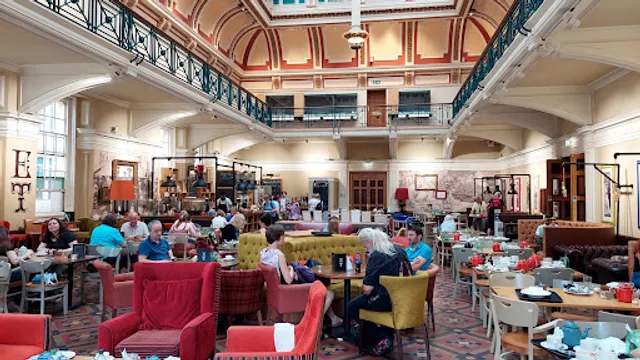
And, of course, after all these journeys through time and thought, there is a cozy tea room. Here, you’ll find tea and coffee, comfy chairs to rest in, and even vegan or gluten-free treats if you wish.
The café is an oasis for those who love to chat, hold small meetings, or just reflect in a warm atmosphere.
For parents with children, it’s an easy, unhurried chance to continue their journey through Birmingham’s streets after the museum, as nearby opens a world of cuisines from different nations — allowing you to taste the world right after tasting history.
And a big thank you to Birmingham City Council and the whole city community for preserving and developing this cultural corner, where past and present meet with a smile and...
Read more