Birmingham Cathedral things to do, attractions, restaurants, events info and trip planning
Basic Info
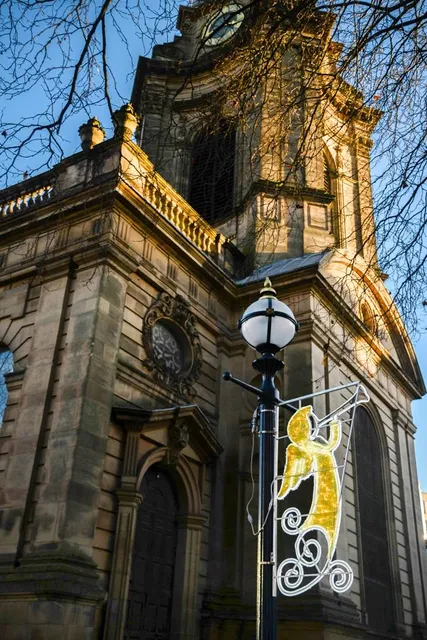
Birmingham Cathedral
Cathedral Square, Colmore Row, Birmingham B3 2QB, United Kingdom
4.6(1.3K)
Closed
Save
spot
spot
Ratings & Description
Info
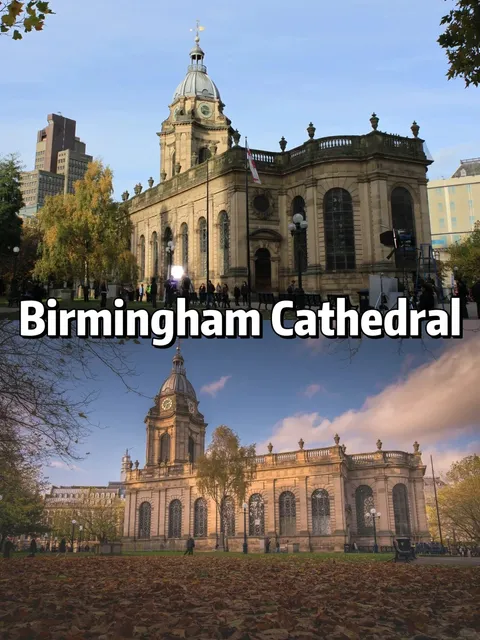
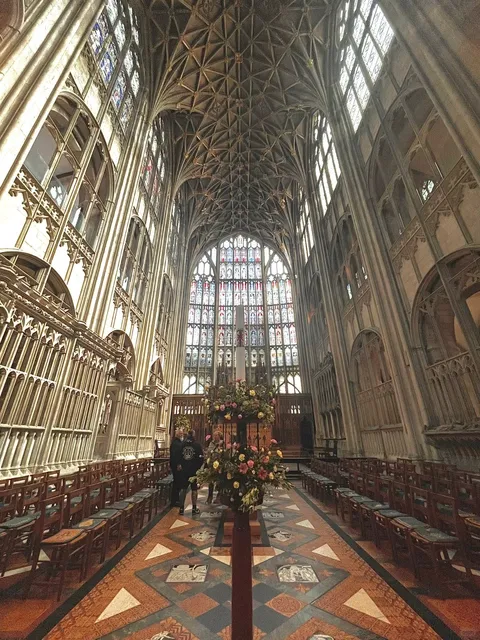
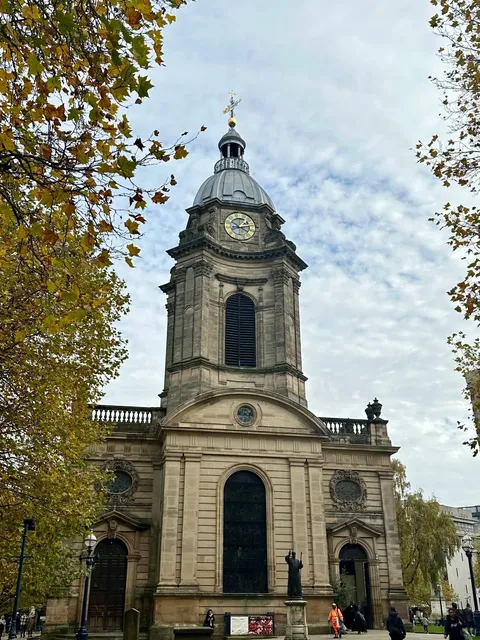
The Cathedral Church of Saint Philip is a Church of England cathedral and the seat of the Bishop of Birmingham. Built as a parish church in the Baroque style by Thomas Archer, it was consecrated in 1715.
Cultural
Family friendly
attractions: Birmingham Museum & Art Gallery, Cathedral Square (Pigeon Park), QA Higher Education Birmingham Campus, Clarendon Fine Art Birmingham, Attraction Tix, Forward Gallery, Birmingham Town Hall, Ozzy the Bull, The Alexandra, Clue HQ Birmingham - The Live Escape Game, restaurants: The Old Joint Stock Pub & Theatre, Birmingham, Damascena Coffee House Birmingham City Centre, The Ivy Temple Row, Gusto Italian - Birmingham, The Alchemist Colmore Row, Tattu Birmingham, Las Iguanas - Birmingham - Temple Street, Fumo by San Carlo - Birmingham Waterloo St, Fazenda Rodizio Bar & Grill Birmingham, Revolución de Cuba Birmingham, local businesses: Great Western Arcade, Martineau Place, Slater Menswear Birmingham, Apple Birmingham, The Barber House, Frankfurt Christmas Market Birmingham, Benjamin Ryan Hair, Cora Hair, Blue Banana Birmingham, Colmore Business District
 Learn more insights from Wanderboat AI.
Phone
+44 121 262 1840
Website
birminghamcathedral.com
Open hoursSee all hours
Wed7:20 AM - 6 PMClosed
Plan your stay

Pet-friendly Hotels in Birmingham
Find a cozy hotel nearby and make it a full experience.

Affordable Hotels in Birmingham
Find a cozy hotel nearby and make it a full experience.

The Coolest Hotels You Haven't Heard Of (Yet)
Find a cozy hotel nearby and make it a full experience.

Trending Stays Worth the Hype in Birmingham
Find a cozy hotel nearby and make it a full experience.
Reviews
Live events
Candlelight: Tribute to Linkin Park
Fri, Feb 27 • 6:30 PM
St Paul's Church, St Paul's Square, Birmingham B3 1QZ, United Kingdom, B3 1QZ
View details

The Jury Experience: Diamonds, Lies, and a Dead Man
Thu, Feb 26 • 6:00 PM
20 Sheepcote Street, Birmingham, B16 8AE
View details
Coventry Murder Mystery: Death in the Shadows
Sun, Feb 1 • 12:00 AM
54 Broadgate, Coventry, CV1 1NF
View details
Nearby attractions of Birmingham Cathedral
Birmingham Museum & Art Gallery
Cathedral Square (Pigeon Park)
QA Higher Education Birmingham Campus
Clarendon Fine Art Birmingham
Attraction Tix
Forward Gallery
Birmingham Town Hall
Ozzy the Bull
The Alexandra
Clue HQ Birmingham - The Live Escape Game
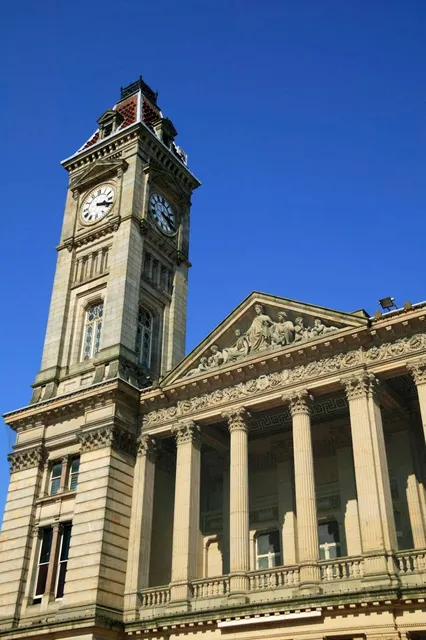
Birmingham Museum & Art Gallery
4.5
(4.2K)
Open until 12:00 AM
Click for details
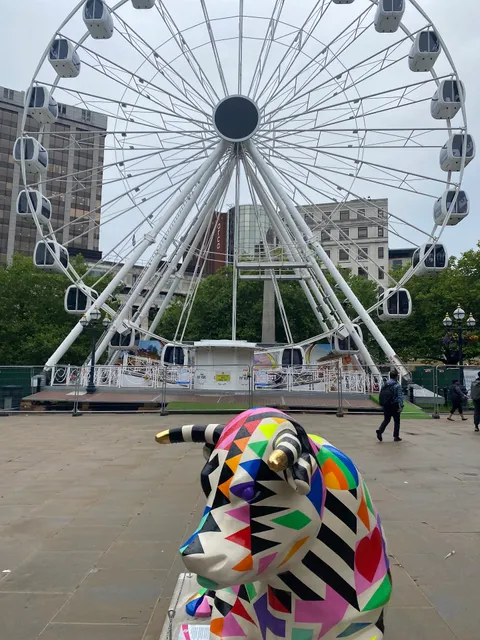
Cathedral Square (Pigeon Park)
4.5
(43)
Open 24 hours
Click for details

QA Higher Education Birmingham Campus
3.9
(102)
Closed
Click for details

Clarendon Fine Art Birmingham
4.4
(27)
Closed
Click for details
Nearby restaurants of Birmingham Cathedral
The Old Joint Stock Pub & Theatre, Birmingham
Damascena Coffee House Birmingham City Centre
The Ivy Temple Row
Gusto Italian - Birmingham
The Alchemist Colmore Row
Tattu Birmingham
Las Iguanas - Birmingham - Temple Street
Fumo by San Carlo - Birmingham Waterloo St
Fazenda Rodizio Bar & Grill Birmingham
Revolución de Cuba Birmingham
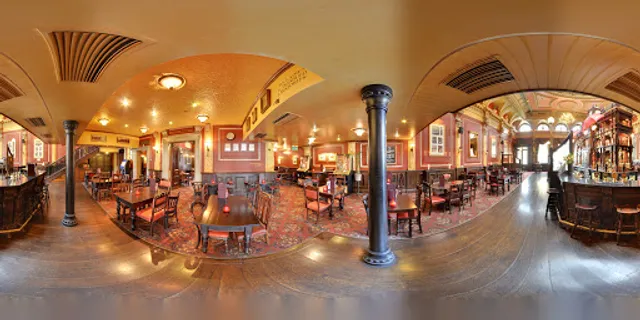
The Old Joint Stock Pub & Theatre, Birmingham
4.4
(2.2K)
$$
Closed
Click for details
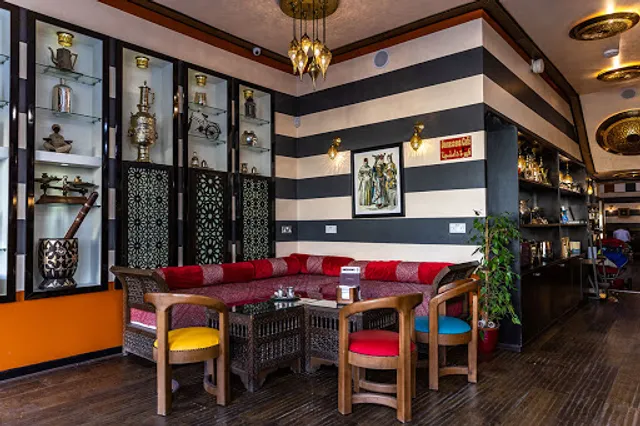
Damascena Coffee House Birmingham City Centre
4.5
(1.5K)
$
Closed
Click for details
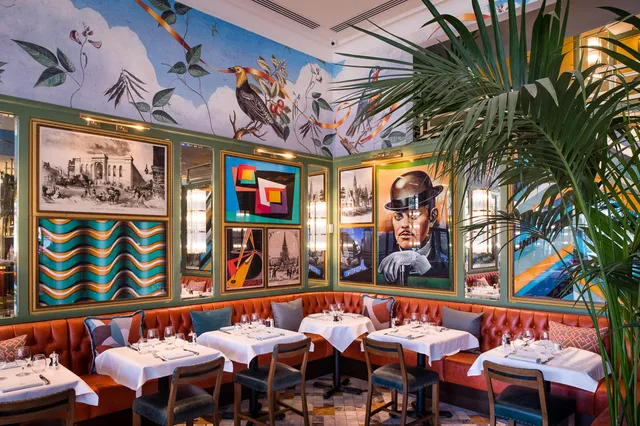
The Ivy Temple Row
4.5
(1.7K)
$$$
Closed
Click for details
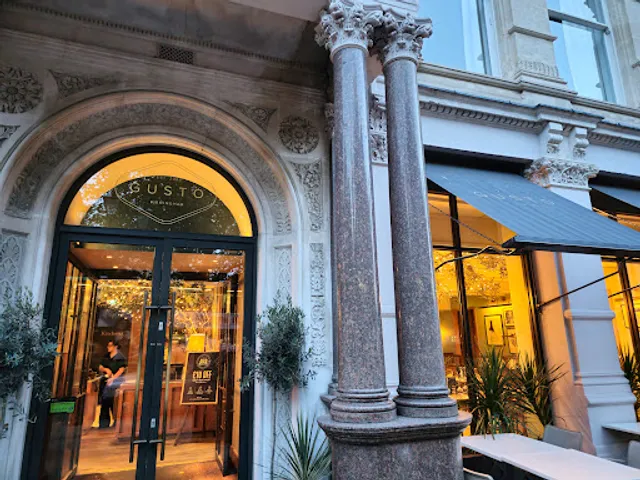
Gusto Italian - Birmingham
4.4
(1.3K)
$$
Closed
Click for details
Nearby local services of Birmingham Cathedral
Great Western Arcade
Martineau Place
Slater Menswear Birmingham
Apple Birmingham
The Barber House
Frankfurt Christmas Market Birmingham
Benjamin Ryan Hair
Cora Hair
Blue Banana Birmingham
Colmore Business District
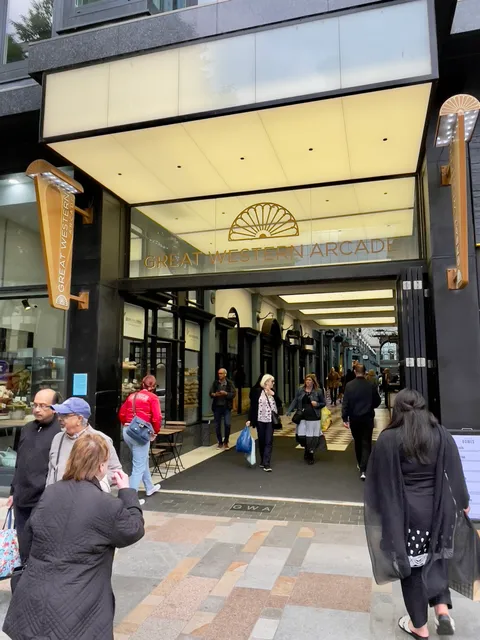
Great Western Arcade
4.4
(901)
Click for details
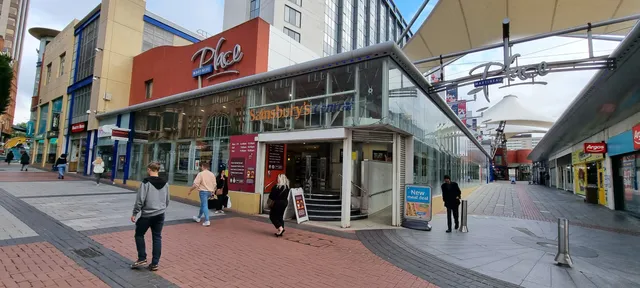
Martineau Place
4.0
(1.9K)
Click for details

Slater Menswear Birmingham
4.6
(735)
Click for details

Apple Birmingham
4.0
(1.4K)
Click for details