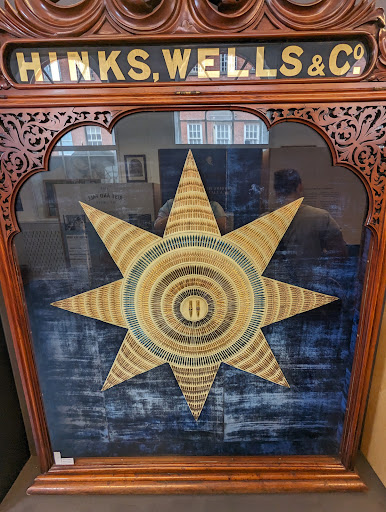
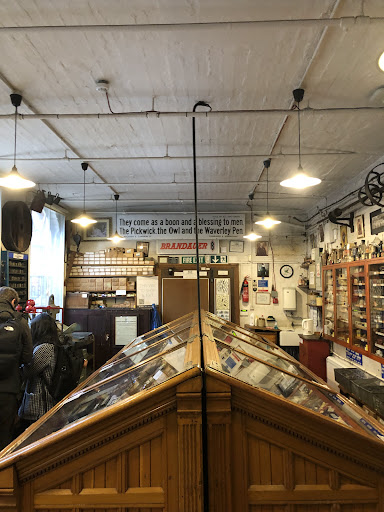
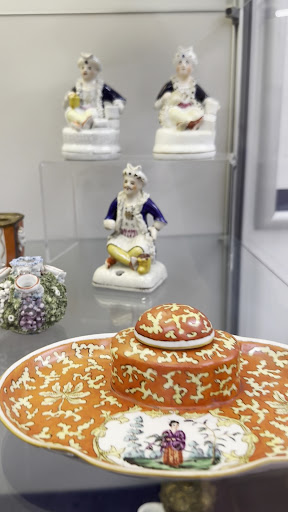
Pen Museum things to do, attractions, restaurants, events info and trip planning

Basic Info
Pen Museum
The Argent Centre, 60 Frederick St, Birmingham B1 3HS, United Kingdom
4.7(311)
Open until 12:00 AM

tickets
Save
spot
spot
Ratings & Description
Info
Penn Museum, formerly known as The University of Pennsylvania Museum of Archaeology and Anthropology, is an archaeology and anthropology museum at the University of Pennsylvania. It is located on Penn's campus in the University City neighborhood of Philadelphia, at the intersection of 33rd and South Streets.
Cultural
Accessibility
Family friendly
attractions: Escape Brum, Greek Orthodox Cathedral of the Dormition of Theotokos and Saint Andrew, RBSA Gallery, Utilita Arena Birmingham, The Coffin Works, Moss House (University College Birmingham), St. Paul's Church, St Pauls Online Gallery, McIntyre House (University College Birmingham), National SEA LIFE Centre Birmingham, restaurants: 1000 Trades Jewellery Quarter, The Button Factory, Bhancha Nepalese & Indian Cuisine, Lucky7, The Hive Café and Bakery, Acapella, Temper and Brown, Txikiteo, El Azteca @ The Loft 1000 Trades, Tabu Bar & Restaurant, local businesses: Hair City One, The Mansion Spa, Chapters Tattoo Studio, Indigo Hair & Beauty, The Pit Gym JQ Birmingham, Atlantic Shopping, Ke.Skin Aesthetic, No Regrets Studios Birmingham, LBS Salon & Academy, JQ Barbers
 Learn more insights from Wanderboat AI.
Phone
+44 121 236 9834
Website
penmuseum.org.uk
Open hoursSee all hours
MonClosedOpen
Plan your stay

Pet-friendly Hotels in Birmingham
Find a cozy hotel nearby and make it a full experience.

Affordable Hotels in Birmingham
Find a cozy hotel nearby and make it a full experience.

The Coolest Hotels You Haven't Heard Of (Yet)
Find a cozy hotel nearby and make it a full experience.

Trending Stays Worth the Hype in Birmingham
Find a cozy hotel nearby and make it a full experience.
Reviews
Live events
Candlelight: Tribute to Linkin Park
Fri, Feb 27 • 6:30 PM
St Paul's Church, St Paul's Square, Birmingham B3 1QZ, United Kingdom, B3 1QZ
View details

The Jury Experience: Diamonds, Lies, and a Dead Man
Thu, Feb 26 • 6:00 PM
20 Sheepcote Street, Birmingham, B16 8AE
View details
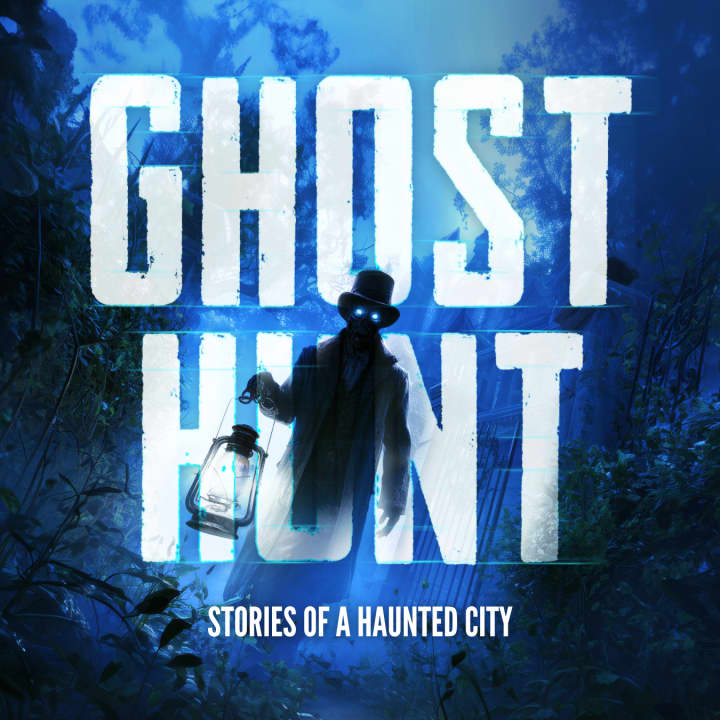
Birmingham Ghost Hunt Game: Stories of a Haunted City!
Sun, Feb 1 • 12:00 AM
80 New St, Birmingham, B2 4BA
View details
Nearby attractions of Pen Museum
Escape Brum
Greek Orthodox Cathedral of the Dormition of Theotokos and Saint Andrew
RBSA Gallery
Utilita Arena Birmingham
The Coffin Works
Moss House (University College Birmingham)
St. Paul's Church
St Pauls Online Gallery
McIntyre House (University College Birmingham)
National SEA LIFE Centre Birmingham

Escape Brum
5.0
(178)
Closed
Click for details
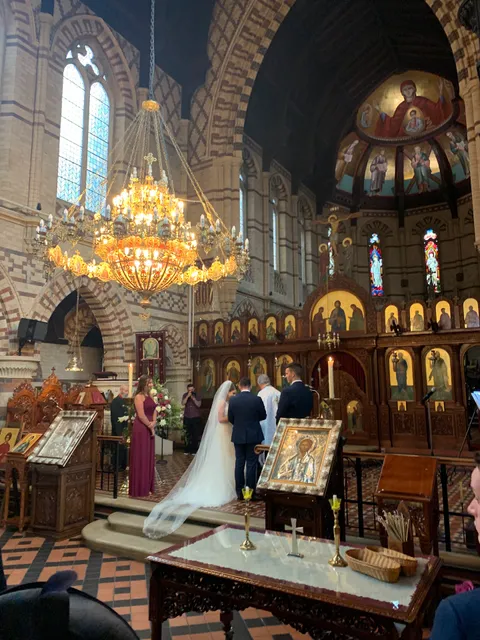
Greek Orthodox Cathedral of the Dormition of Theotokos and Saint Andrew
4.9
(59)
Open until 12:00 AM
Click for details
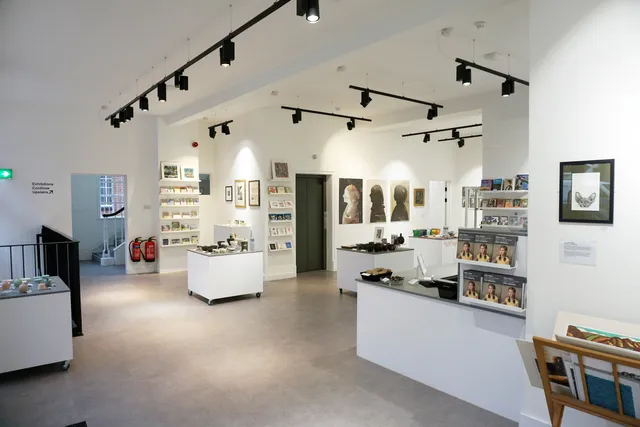
RBSA Gallery
4.6
(93)
Open until 12:00 AM
Click for details
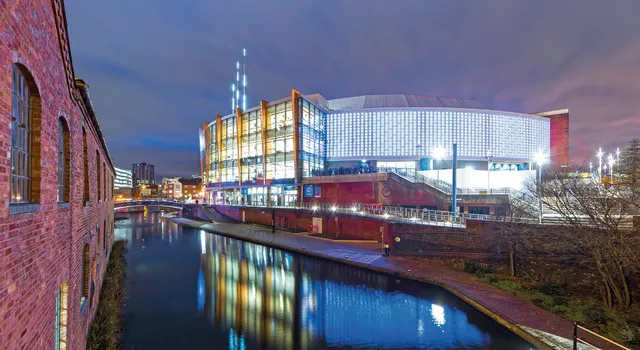
Utilita Arena Birmingham
4.3
(6.3K)
Open 24 hours
Click for details
Nearby restaurants of Pen Museum
1000 Trades Jewellery Quarter
The Button Factory
Bhancha Nepalese & Indian Cuisine
Lucky7
The Hive Café and Bakery
Acapella
Temper and Brown
Txikiteo
El Azteca @ The Loft 1000 Trades
Tabu Bar & Restaurant
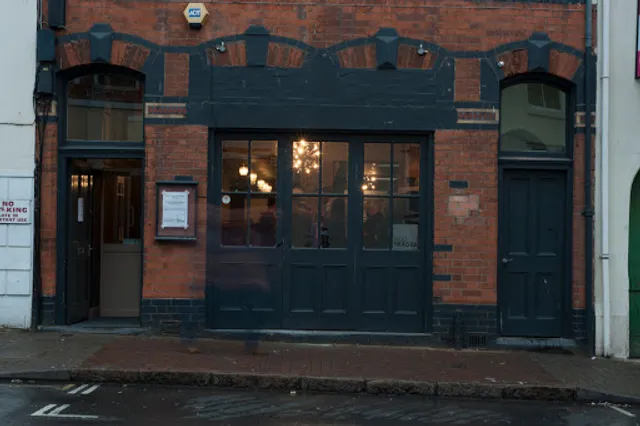
1000 Trades Jewellery Quarter
4.5
(519)
$
Closed
Click for details
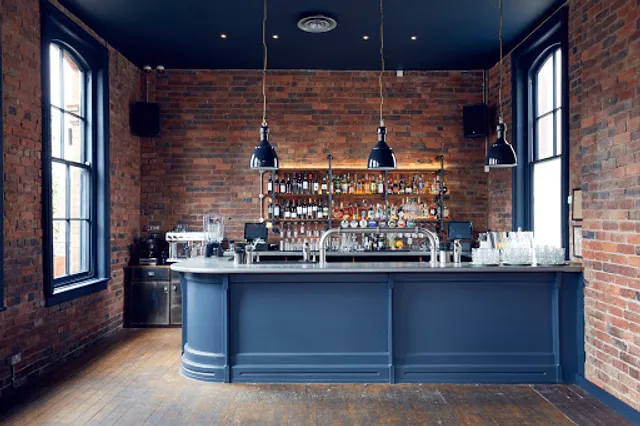
The Button Factory
4.2
(944)
Closed
Click for details

Bhancha Nepalese & Indian Cuisine
4.9
(128)
Open until 12:00 AM
Click for details
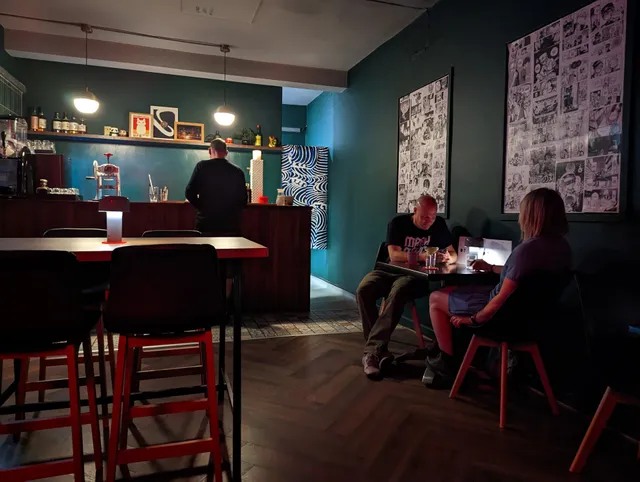
Lucky7
5.0
(81)
Open until 12:00 AM
Click for details
Nearby local services of Pen Museum
Hair City One
The Mansion Spa
Chapters Tattoo Studio
Indigo Hair & Beauty
The Pit Gym JQ Birmingham
Atlantic Shopping
Ke.Skin Aesthetic
No Regrets Studios Birmingham
LBS Salon & Academy
JQ Barbers

Hair City One
4.9
(64)
Click for details
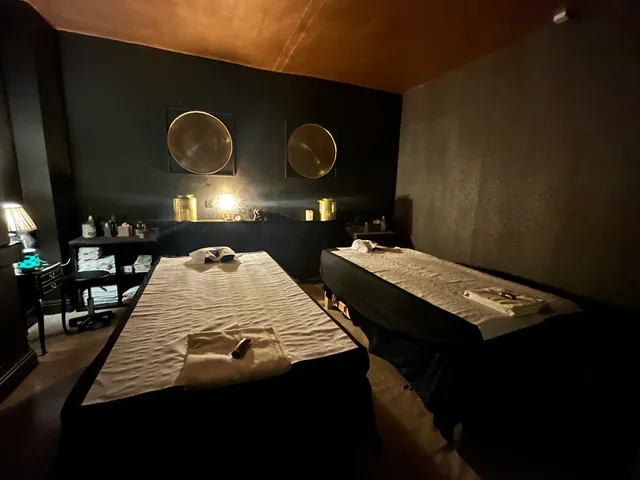
The Mansion Spa
4.9
(303)
Click for details

Chapters Tattoo Studio
5.0
(222)
Click for details

Indigo Hair & Beauty
4.9
(61)
Click for details