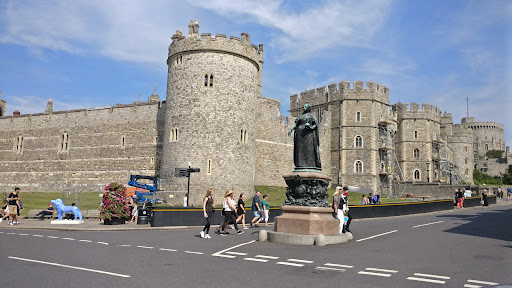
Queen Victoria Statue things to do, attractions, restaurants, events info and trip planning
Basic Info
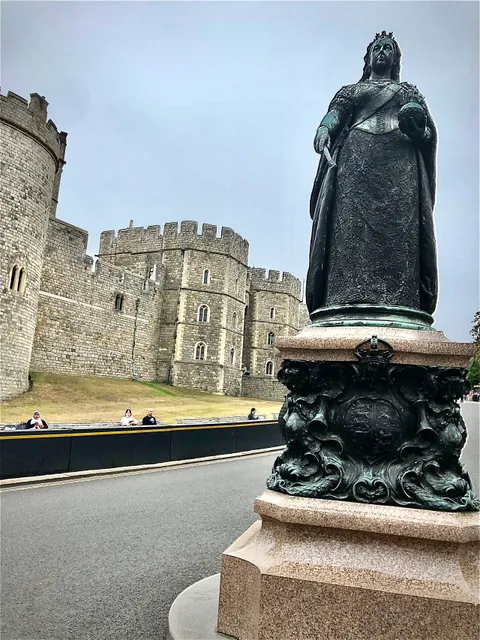
Queen Victoria Statue
Castle Hill, Windsor SL4 1PD, United Kingdom
4.6(158)
Open until 12:00 AM
Save
spot
spot
Ratings & Description
Info
Cultural
Scenic
Accessibility
Family friendly
attractions: Windsor Castle, St George's Chapel, Visitor Information Point, The Crooked House of Windsor, Theatre Royal Windsor, Windsor & Royal Borough Museum, Windsor Parish Church of St John the Baptist, Windsor Guildhall, King Henry VIII Gateway, Queen Charlotte Street, restaurants: The Ivy Windsor, Sebastian's, The King & Castle - JD Wetherspoon, Duchess of Cambridge, wagamama windsor, Banana Tree Windsor, Franco Manca Windsor, Nando's Windsor, The Horse & Groom, Brown Rice @ Windsor, local businesses: Windsor On Ice, Windsor Royal, Havana House, Daniel of Windsor, Windsor & Eton Central, Seasalt Cornwall, Escape Experience, Bachelor's Acre, House Of Gifts, River St Car Park
 Learn more insights from Wanderboat AI.
Phone
+44 1985 850257
Open hoursSee all hours
SatOpen 24 hoursOpen
Plan your stay

Pet-friendly Hotels in Great Britain
Find a cozy hotel nearby and make it a full experience.

Affordable Hotels in Great Britain
Find a cozy hotel nearby and make it a full experience.

The Coolest Hotels You Haven't Heard Of (Yet)
Find a cozy hotel nearby and make it a full experience.

Trending Stays Worth the Hype in Great Britain
Find a cozy hotel nearby and make it a full experience.
Reviews
Live events

London Pottery Workshop
Sat, Feb 21 • 11:00 AM
Greater London, HA0 1RQ, United Kingdom
View details
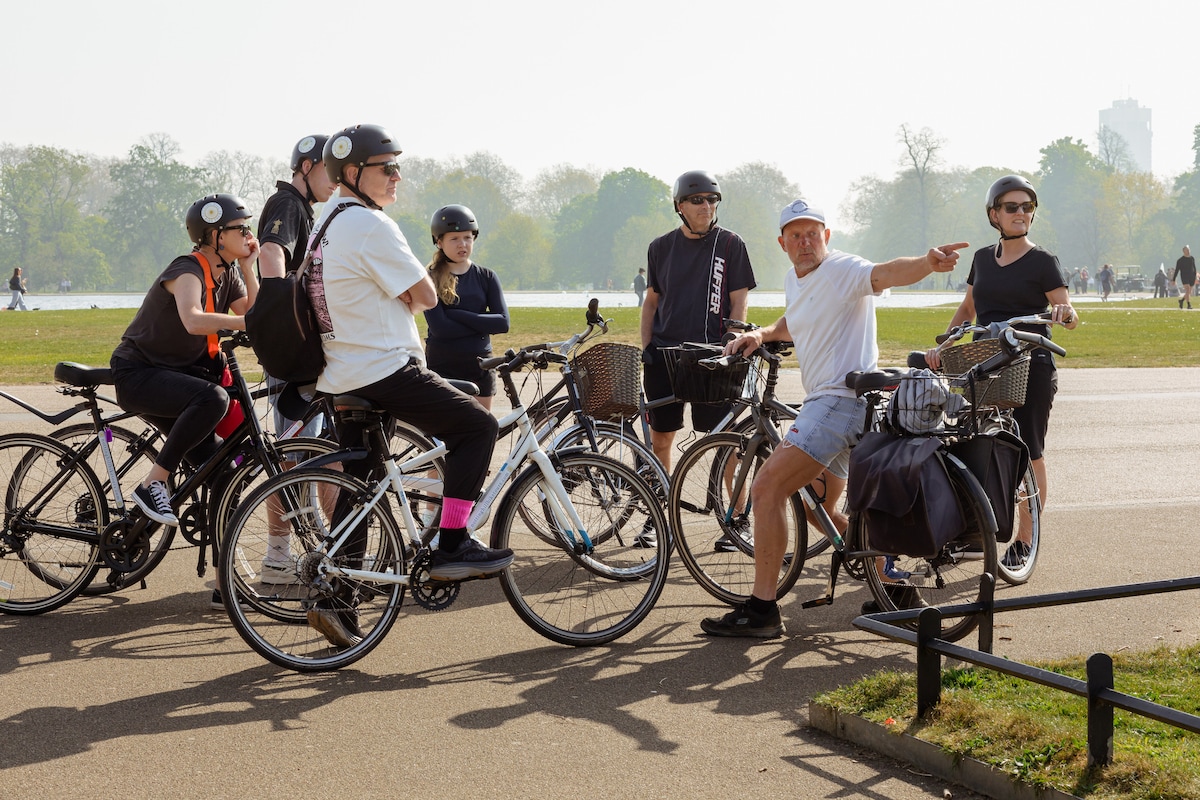
Visit London landmarks and royal parks
Sun, Feb 22 • 10:00 AM
Greater London, W2 4RJ, United Kingdom
View details

Bubble Planet: An Immersive Experience in London
Sat, Feb 21 • 10:00 AM
Fulton Road Industrial Units 22-28, Wembley Park, Wembley, HA9 0NP, HA9 0NP
View details
Nearby attractions of Queen Victoria Statue
Windsor Castle
St George's Chapel
Visitor Information Point
The Crooked House of Windsor
Theatre Royal Windsor
Windsor & Royal Borough Museum
Windsor Parish Church of St John the Baptist
Windsor Guildhall
King Henry VIII Gateway
Queen Charlotte Street
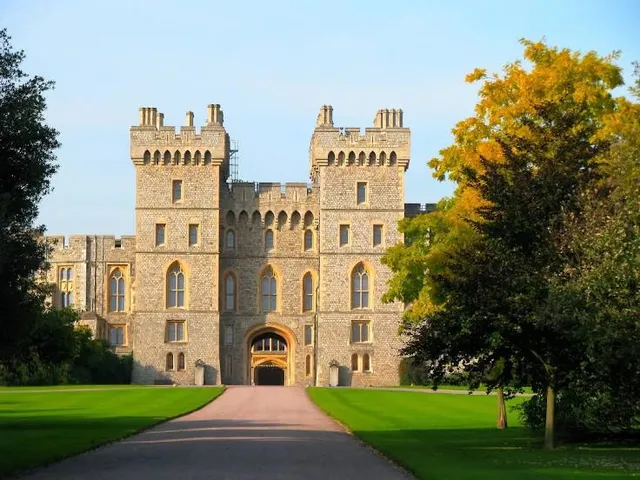
Windsor Castle
4.7
(21.4K)
Closed
Click for details
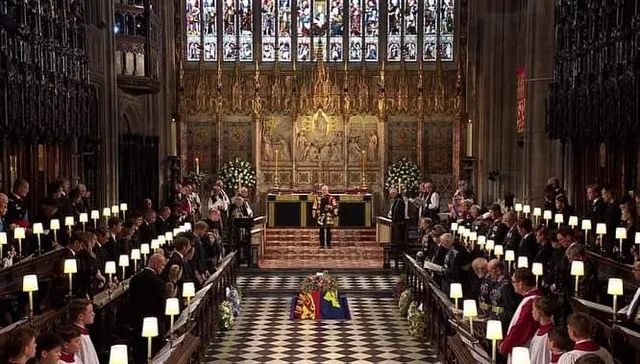
St George's Chapel
4.8
(2.5K)
Closed
Click for details

Visitor Information Point
5.0
(129)
Closed
Click for details
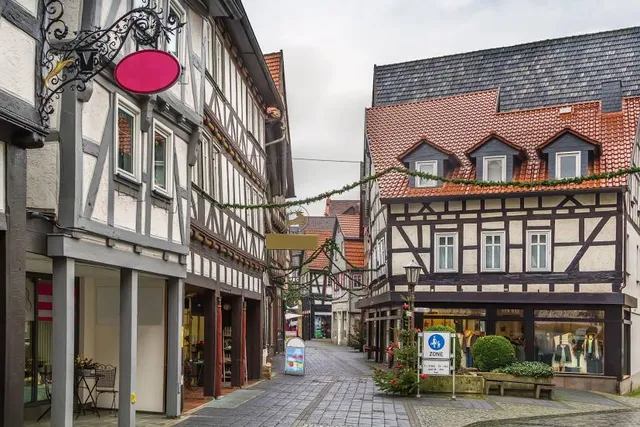
The Crooked House of Windsor
4.2
(140)
Open 24 hours
Click for details
Nearby restaurants of Queen Victoria Statue
The Ivy Windsor
Sebastian's
The King & Castle - JD Wetherspoon
Duchess of Cambridge
wagamama windsor
Banana Tree Windsor
Franco Manca Windsor
Nando's Windsor
The Horse & Groom
Brown Rice @ Windsor
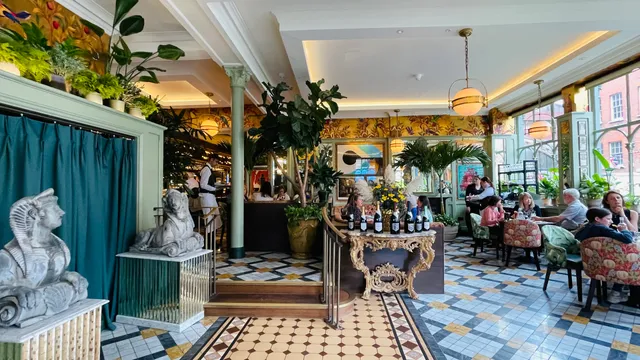
The Ivy Windsor
4.3
(661)
Closed
Click for details
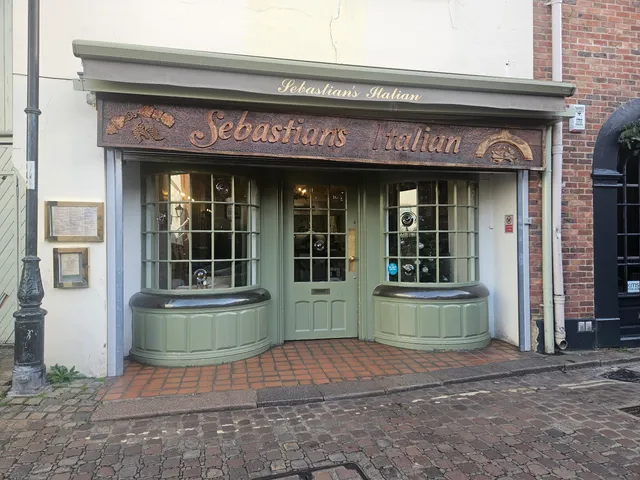
Sebastian's
4.6
(920)
$$
Closed
Click for details
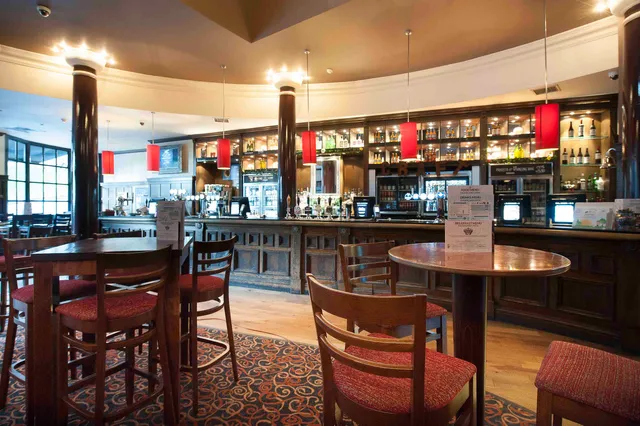
The King & Castle - JD Wetherspoon
4.1
(2.4K)
Closed
Click for details
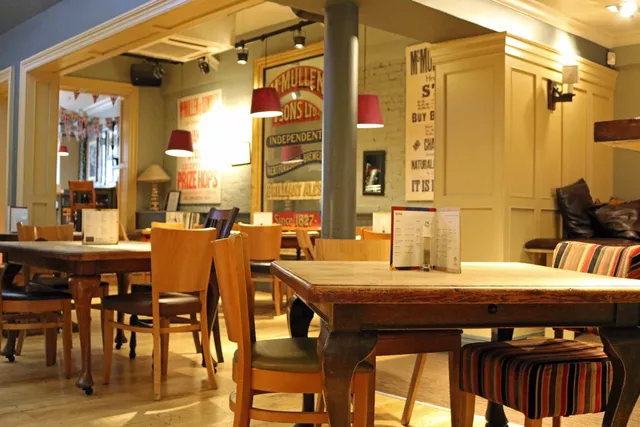
Duchess of Cambridge
4.3
(845)
$$
Closed
Click for details
Nearby local services of Queen Victoria Statue
Windsor On Ice
Windsor Royal
Havana House
Daniel of Windsor
Windsor & Eton Central
Seasalt Cornwall
Escape Experience
Bachelor's Acre
House Of Gifts
River St Car Park

Windsor On Ice
4.1
(227)
Click for details
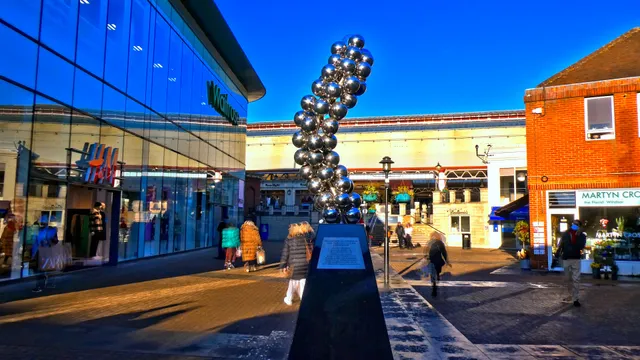
Windsor Royal
4.4
(1.5K)
Click for details

Havana House
4.5
(91)
Click for details
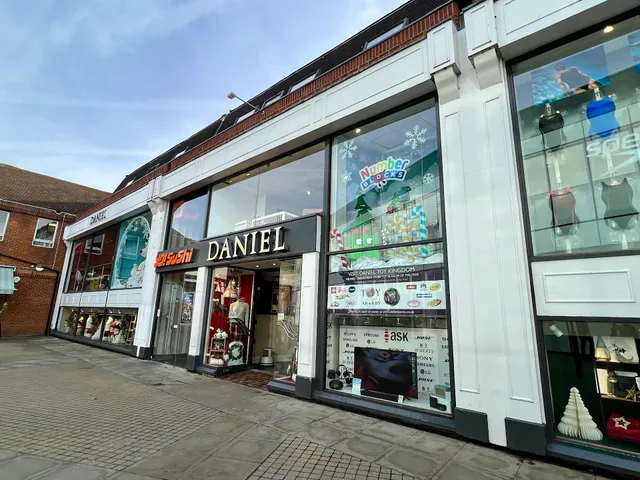
Daniel of Windsor
4.4
(290)
Click for details