London Troops War Memorial things to do, attractions, restaurants, events info and trip planning
Basic Info
London Troops War Memorial
1 Cornhill, London EC3V 3LN, United Kingdom
4.6(101)
Open until 12:00 AM
Save
spot
spot
Ratings & Description
Info
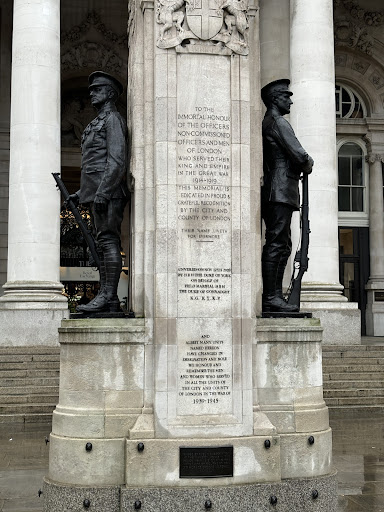
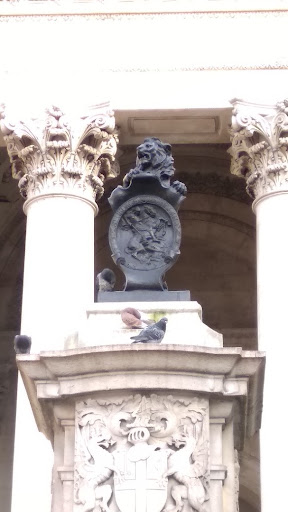
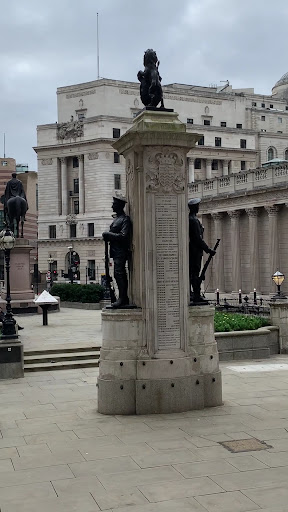
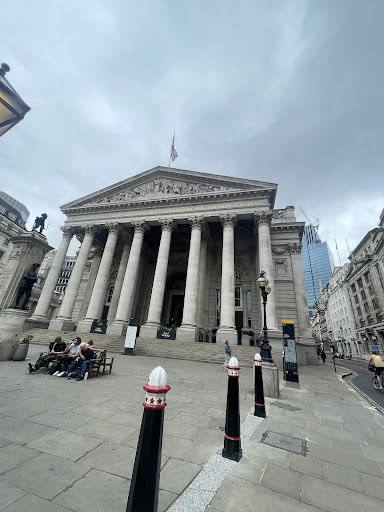
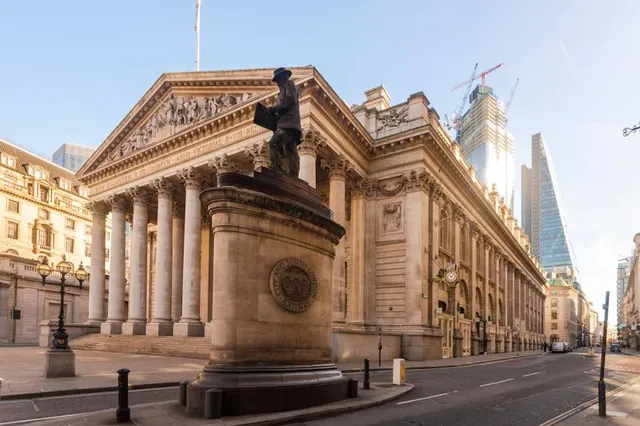
The London Troops War Memorial, located in front of the Royal Exchange in the City of London, commemorates the men of London who fought in World War I and World War II.
Cultural
Scenic
Accessibility
attractions: Bank of England Museum, Equestrian Statue of the Duke of Wellington, London Mithraeum Bloomberg SPACE, Escape Entertainment London, Mansion House, IMPRINT Church London: St Mary Woolnoth, Monument to the Great Fire of London, The Fenchurch Building (The Walkie-Talkie), Statue of James Henry Greathead, St Stephen Walbrook, restaurants: The Libertine Restaurant & Bar, 1 Lombard Street Bar & Restaurant, Forge, Honest Burgers Bank, Pitcher & Piano Cornhill, Simmons Bar | Bank, Hispania, The Fortnum’s Bar & Restaurant at Royal Exchange, Burger & Lobster Threadneedle Street, Lasagneria Italiana, local businesses: Bank of England, The Royal Exchange, Royal Exchange Jewellers, Leadenhall Market, Puttshack Bank, TK Maxx, The TokenHouse, Jo Malone London, Chinese Visa Application Service Centre, London Alternative Market
 Learn more insights from Wanderboat AI.
Website
iwm.org.uk
Open hoursSee all hours
ThuOpen 24 hoursOpen
Plan your stay

Pet-friendly Hotels in London
Find a cozy hotel nearby and make it a full experience.

Affordable Hotels in London
Find a cozy hotel nearby and make it a full experience.

The Coolest Hotels You Haven't Heard Of (Yet)
Find a cozy hotel nearby and make it a full experience.

Trending Stays Worth the Hype in London
Find a cozy hotel nearby and make it a full experience.
Reviews
Live events
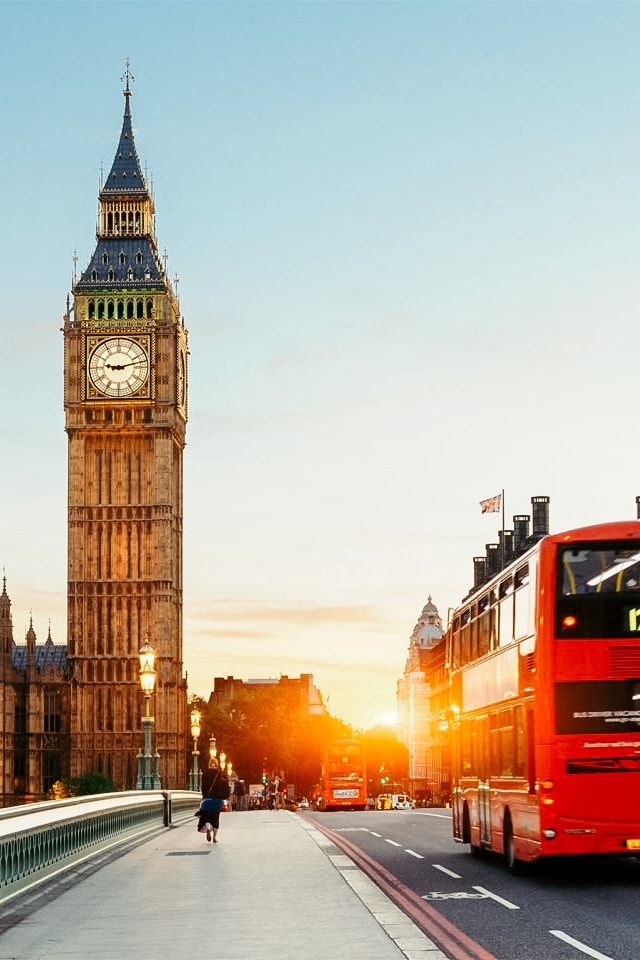
Explore 30+ London sights
Thu, Feb 12 • 10:00 AM
Greater London, W1J 9BR, United Kingdom
View details
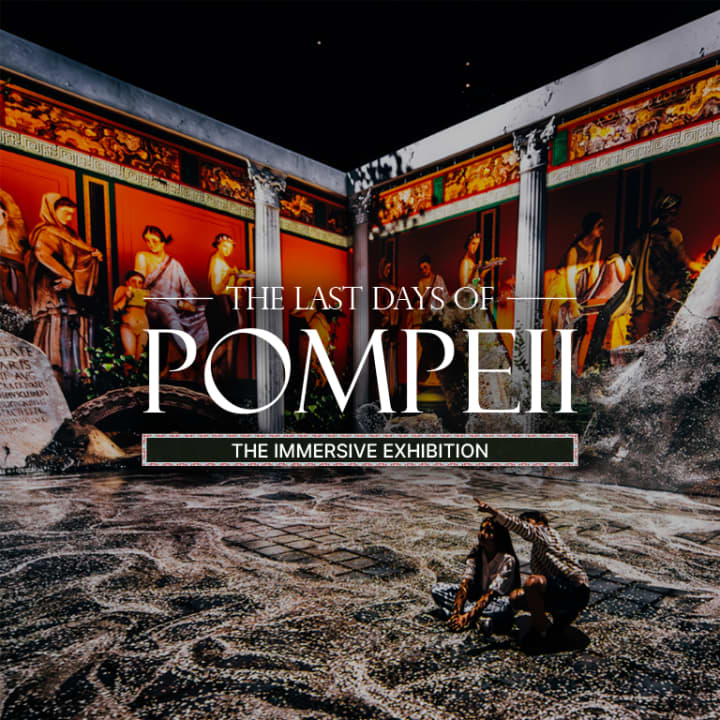
The Last Days of Pompeii: The Immersive Exhibition
Thu, Feb 12 • 10:00 AM
Royal Victoria Dock 1 Western Gateway, E16 1XL
View details
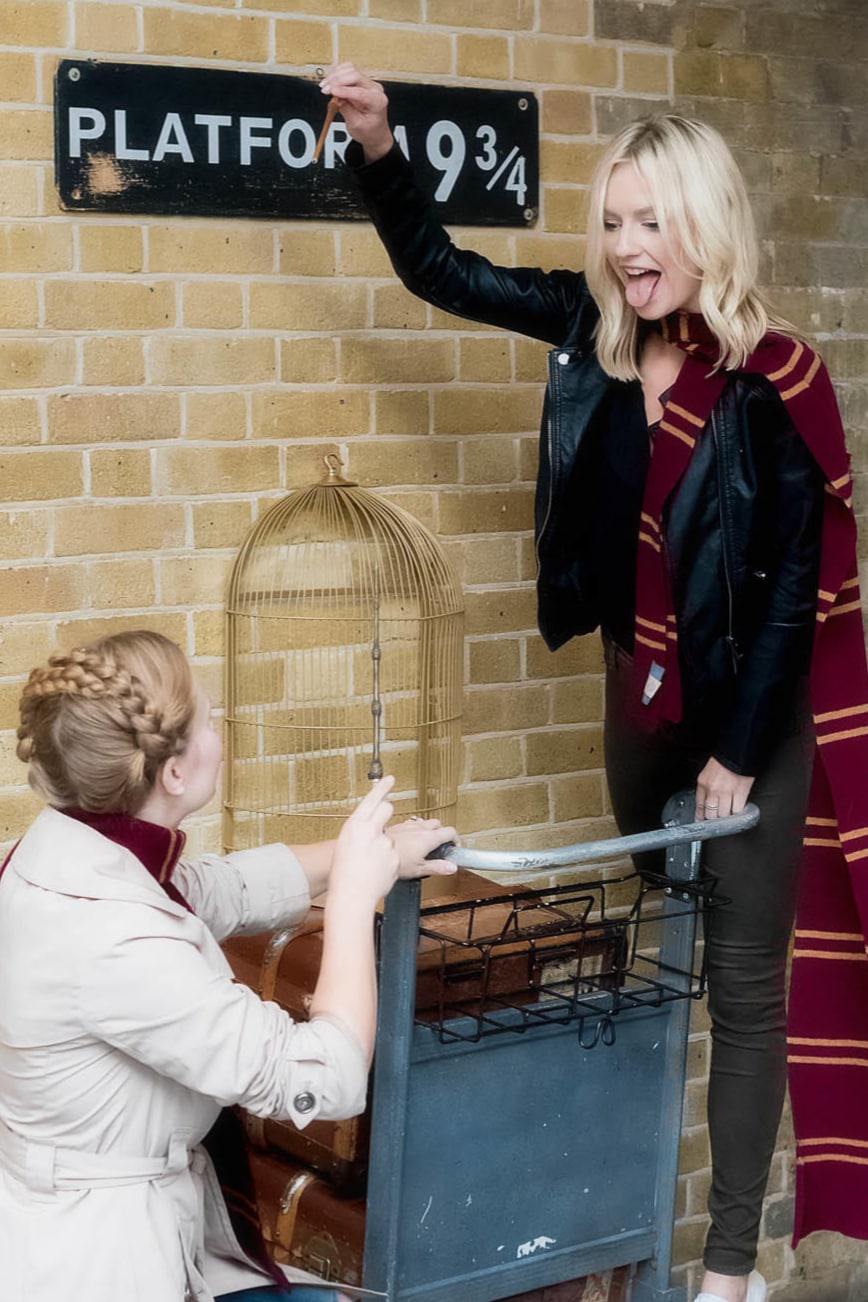
Top-Rated London Harry Potter Tour—Family Friendly
Thu, Feb 12 • 9:30 AM
Greater London, N1 9AP, United Kingdom
View details
Nearby attractions of London Troops War Memorial
Bank of England Museum
Equestrian Statue of the Duke of Wellington
London Mithraeum Bloomberg SPACE
Escape Entertainment London
Mansion House
IMPRINT Church London: St Mary Woolnoth
Monument to the Great Fire of London
The Fenchurch Building (The Walkie-Talkie)
Statue of James Henry Greathead
St Stephen Walbrook
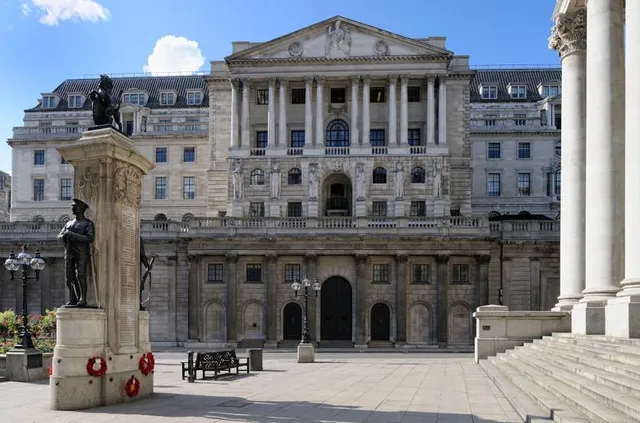
Bank of England Museum
4.5
(1.2K)
Closed
Click for details
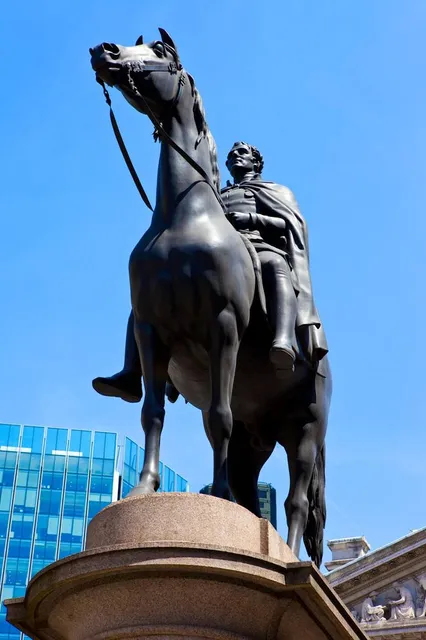
Equestrian Statue of the Duke of Wellington
4.5
(112)
Open until 12:00 AM
Click for details
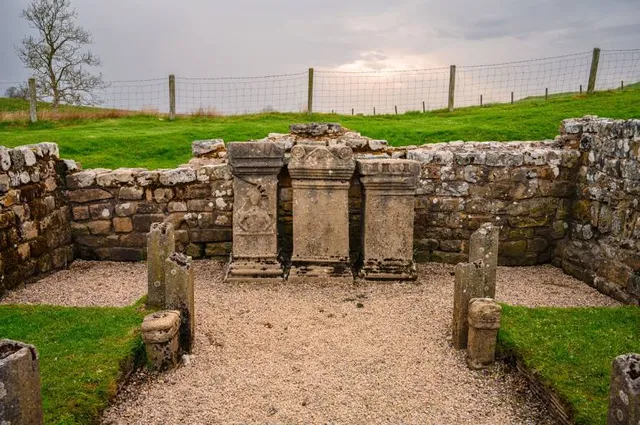
London Mithraeum Bloomberg SPACE
4.5
(1.5K)
Closed
Click for details

Escape Entertainment London
4.4
(327)
Closed
Click for details
Nearby restaurants of London Troops War Memorial
The Libertine Restaurant & Bar
1 Lombard Street Bar & Restaurant
Forge
Honest Burgers Bank
Pitcher & Piano Cornhill
Simmons Bar | Bank
Hispania
The Fortnum’s Bar & Restaurant at Royal Exchange
Burger & Lobster Threadneedle Street
Lasagneria Italiana
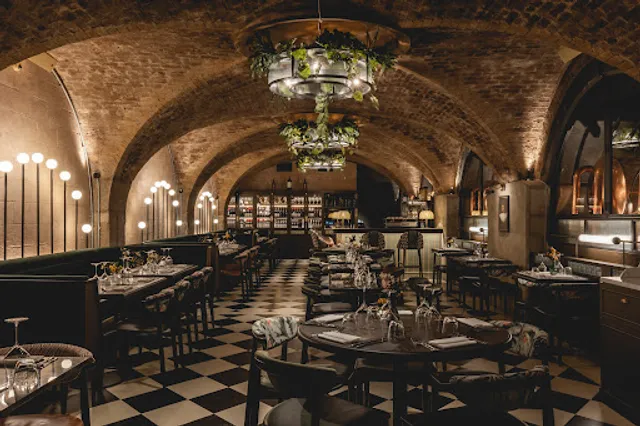
The Libertine Restaurant & Bar
4.7
(655)
Closed
Click for details
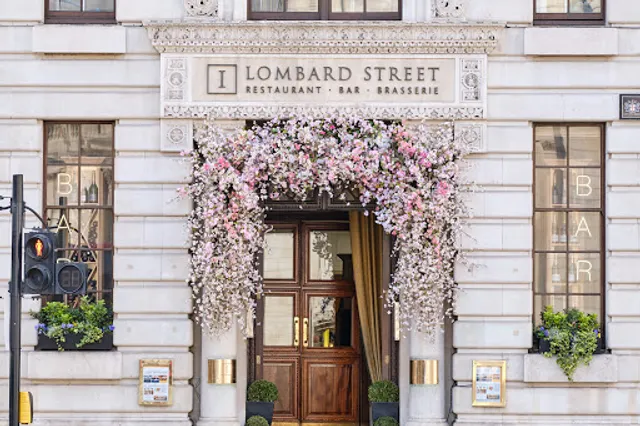
1 Lombard Street Bar & Restaurant
4.6
(1.1K)
$$$$
Closed
Click for details
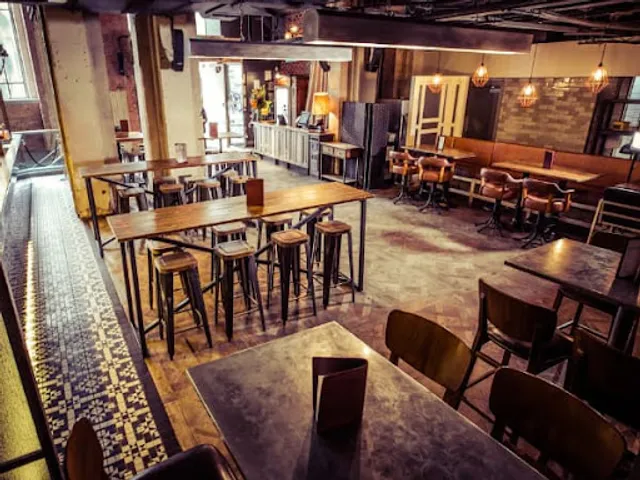
Forge
3.9
(869)
$$
Closed
Click for details
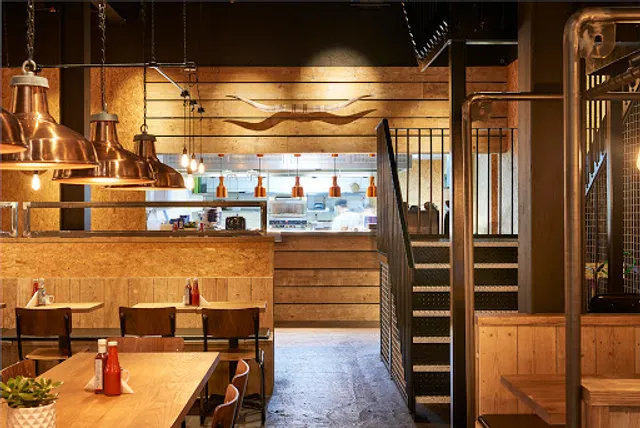
Honest Burgers Bank
4.4
(1.2K)
Closed
Click for details
Nearby local services of London Troops War Memorial
Bank of England
The Royal Exchange
Royal Exchange Jewellers
Leadenhall Market
Puttshack Bank
TK Maxx
The TokenHouse
Jo Malone London
Chinese Visa Application Service Centre
London Alternative Market
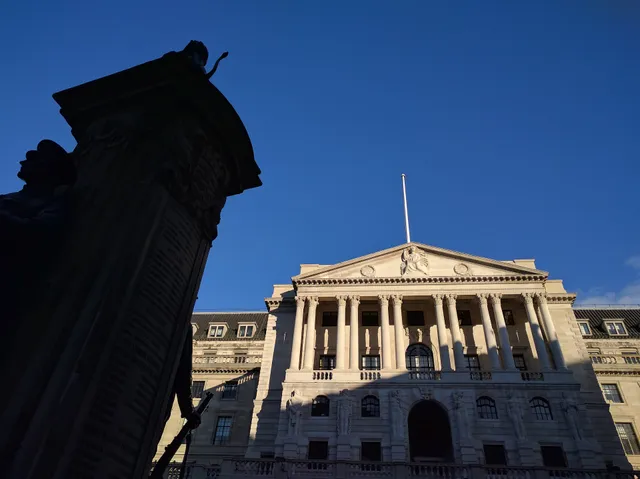
Bank of England
4.0
(1.1K)
Click for details
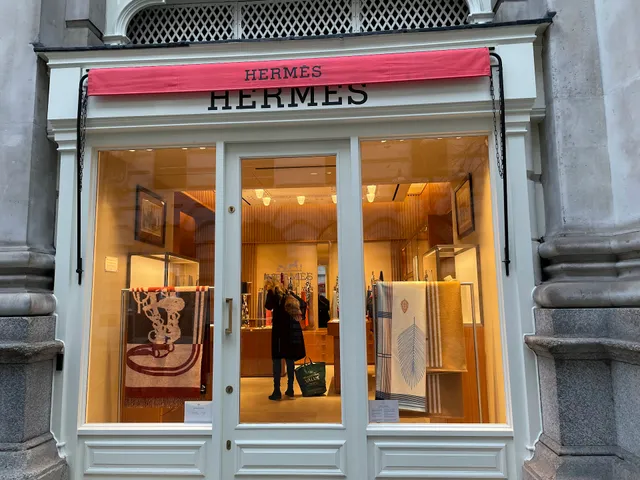
The Royal Exchange
4.5
(912)
Click for details
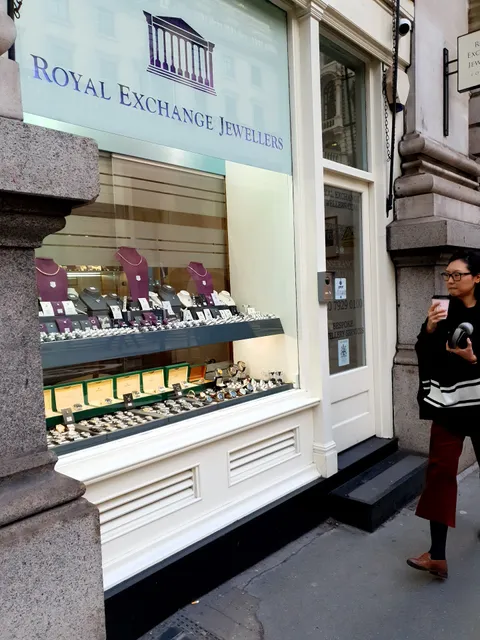
Royal Exchange Jewellers
4.4
(138)
Click for details
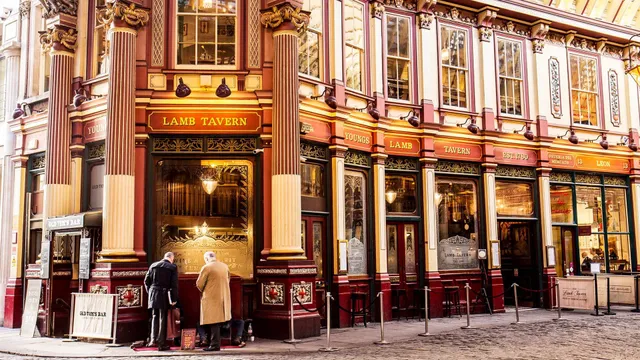
Leadenhall Market
4.4
(8.8K)
Click for details


The hit list

Plan your trip with Wanderboat
Welcome to Wanderboat AI, your AI search for local Eats and Fun, designed to help you explore your city and the world with ease.
Powered by Wanderboat AI trip planner.