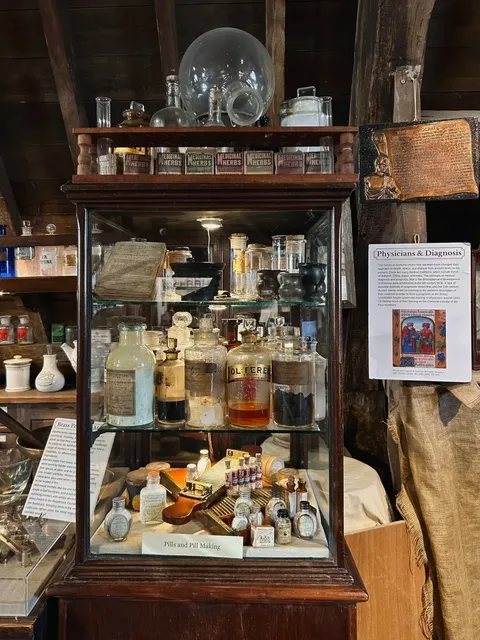
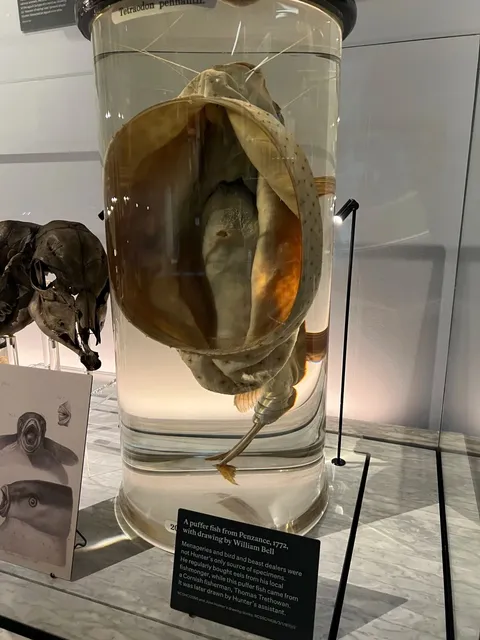
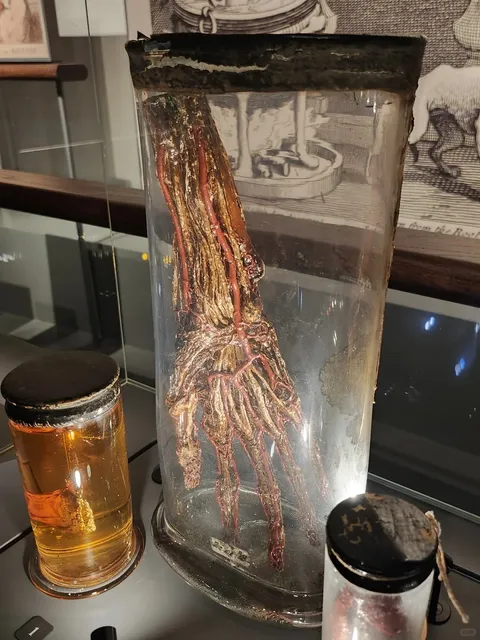
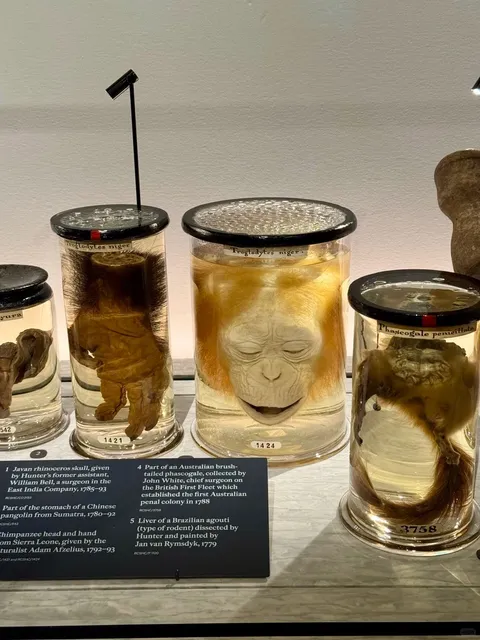
Hunterian Museum things to do, attractions, restaurants, events info and trip planning
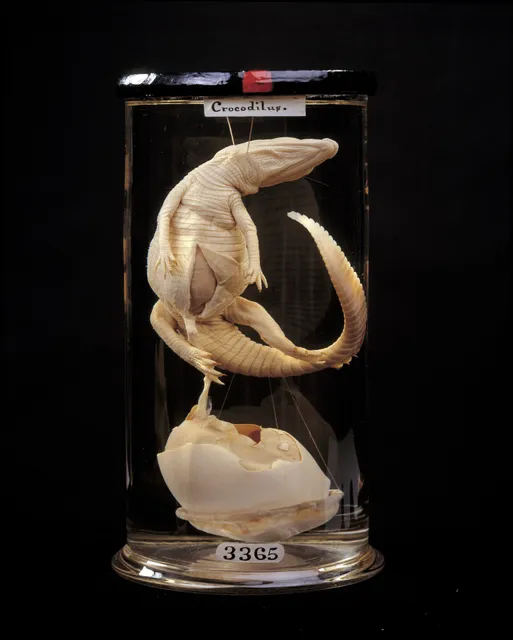
Basic Info
Hunterian Museum
The Royal College of Surgeons of England 38, 43 Lincoln's Inn Fields, London WC2A 3PE, United Kingdom
4.8(868)
Open until 12:00 AM
Save
spot
spot
Ratings & Description
Info
Cultural
Accessibility
attractions: Peacock Theatre, Sir John Soane's Museum, Aldwych Theatre, Theatre Royal Drury Lane, Novello Theatre, 180 Studios, Royal Courts of Justice, Lyceum Theatre, Freemasons Hall, London, Gillian Lynne Theatre, restaurants: ROKA Aldwych, Shakespeare's Head - JD Wetherspoon, Ye Old White Horse, George IV, Penderel's Oak - JD Wetherspoon, The Seven Stars, All Bar One Holborn, Coopers, Viet Eat Vietnamese Street Food Restaurant, The Ship Tavern, local businesses: Hunterian Museum, Museum of London, London School of Economics and Political Science, Royal College of Surgeons of England, Salsatropical Dance Company Ltd.- Salsa & Bachata Classes and Workshops, Ena Salon, The Old Curiosity Shop, Lincoln Square, Head Office Men's Grooming Holborn, 180 Strand
 Learn more insights from Wanderboat AI.
Phone
+44 20 7869 6560
Website
hunterianmuseum.org
Open hoursSee all hours
Tue10 AM - 5 PMOpen
Plan your stay

Pet-friendly Hotels in London
Find a cozy hotel nearby and make it a full experience.

Affordable Hotels in London
Find a cozy hotel nearby and make it a full experience.

The Coolest Hotels You Haven't Heard Of (Yet)
Find a cozy hotel nearby and make it a full experience.

Trending Stays Worth the Hype in London
Find a cozy hotel nearby and make it a full experience.
Reviews
Live events
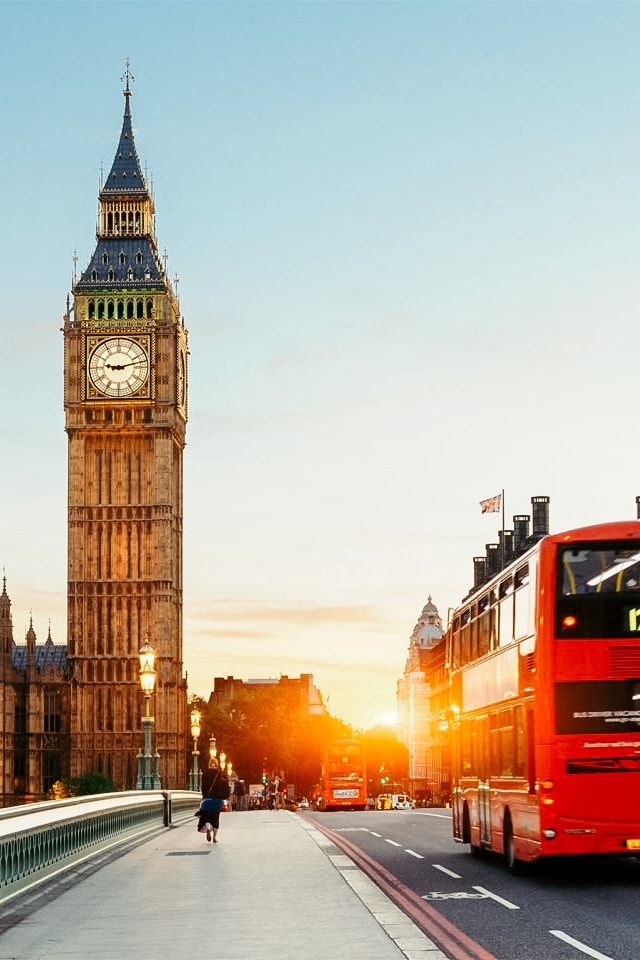
Explore 30+ London sights
Tue, Feb 10 • 10:00 AM
Greater London, W1J 9BR, United Kingdom
View details
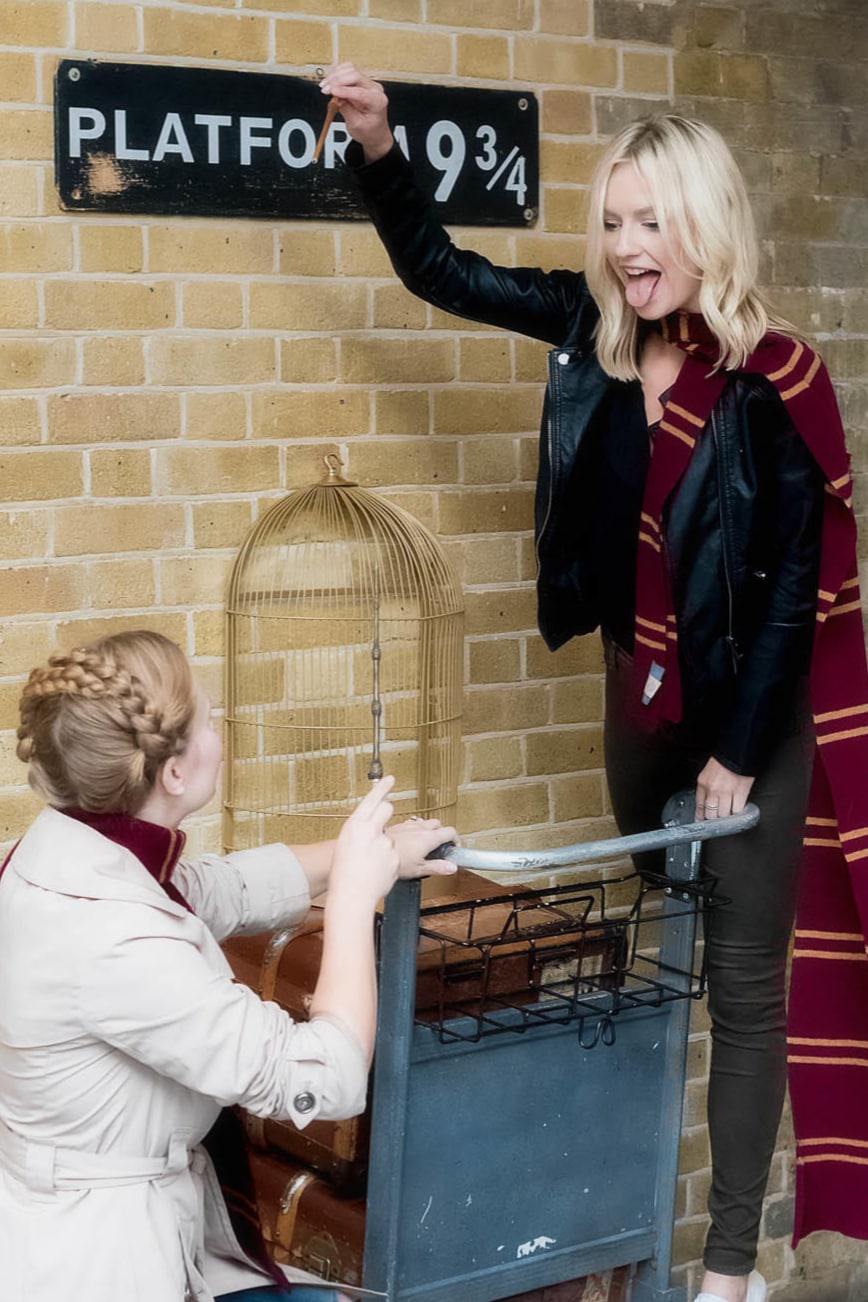
Top-Rated London Harry Potter Tour—Family Friendly
Tue, Feb 10 • 9:30 AM
Greater London, N1 9AP, United Kingdom
View details
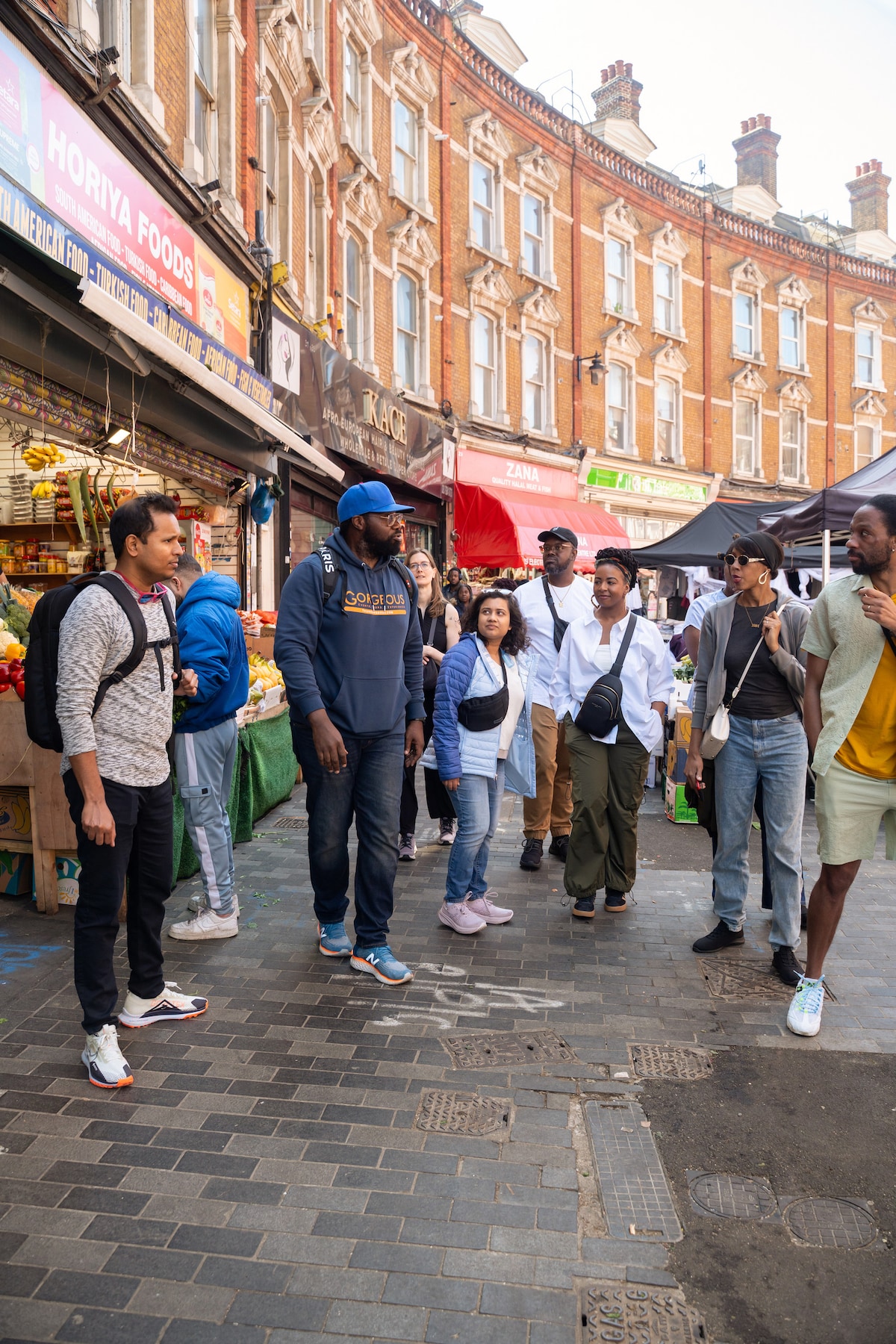
Obis African and Caribbean Food Tour in Brixton
Wed, Feb 11 • 12:00 PM
Greater London, SW9 8EA, United Kingdom
View details
Nearby attractions of Hunterian Museum
Peacock Theatre
Sir John Soane's Museum
Aldwych Theatre
Theatre Royal Drury Lane
Novello Theatre
180 Studios
Royal Courts of Justice
Lyceum Theatre
Freemasons Hall, London
Gillian Lynne Theatre
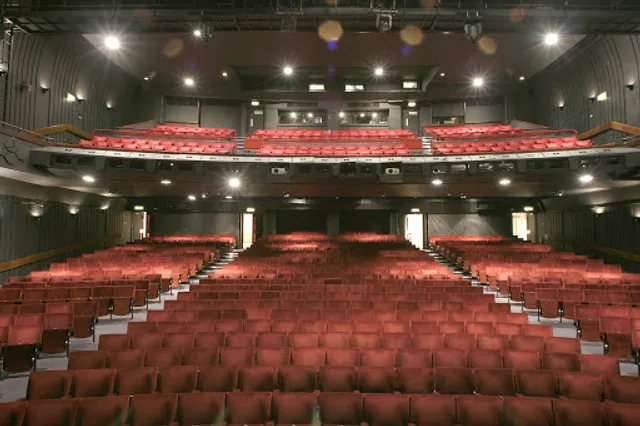
Peacock Theatre
4.5
(1.5K)
Open 24 hours
Click for details
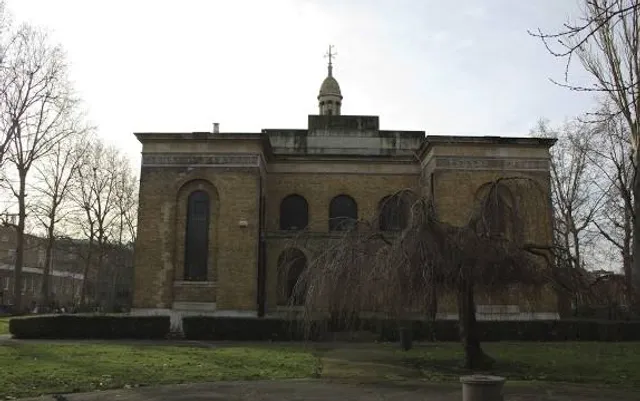
Sir John Soane's Museum
4.7
(2.3K)
Open until 12:00 AM
Click for details
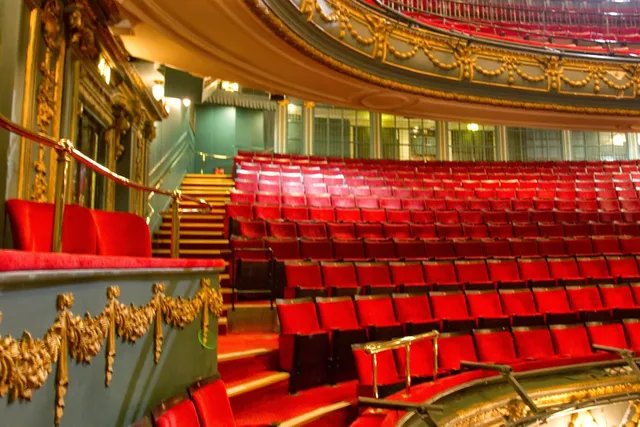
Aldwych Theatre
4.6
(3.8K)
Open 24 hours
Click for details
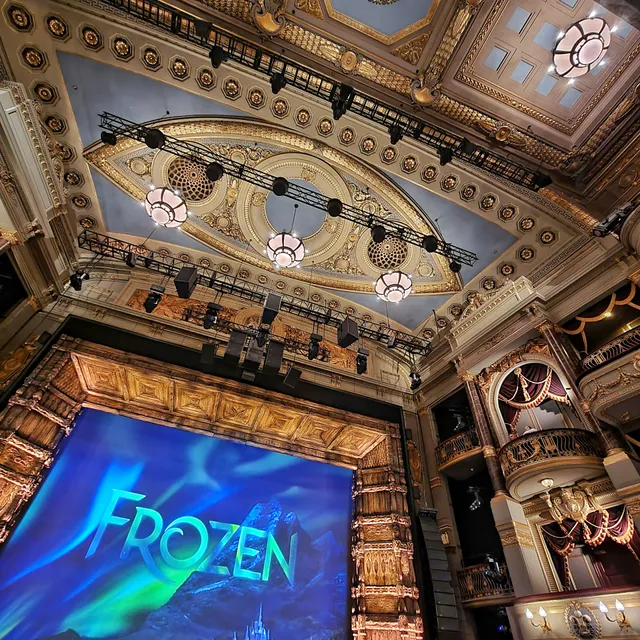
Theatre Royal Drury Lane
4.7
(4.4K)
Open 24 hours
Click for details
Nearby restaurants of Hunterian Museum
ROKA Aldwych
Shakespeare's Head - JD Wetherspoon
Ye Old White Horse
George IV
Penderel's Oak - JD Wetherspoon
The Seven Stars
All Bar One Holborn
Coopers
Viet Eat Vietnamese Street Food Restaurant
The Ship Tavern
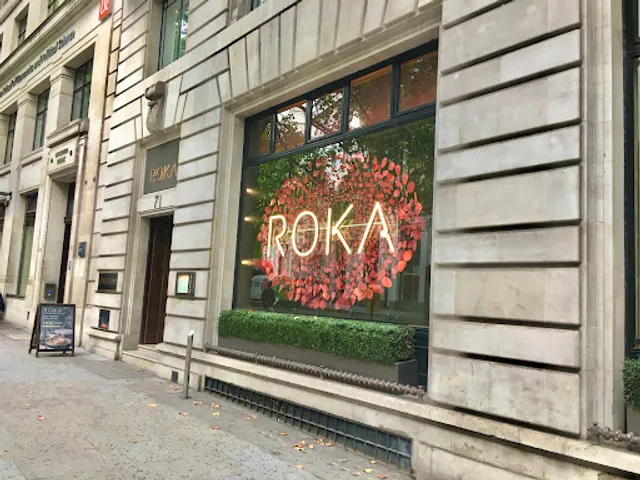
ROKA Aldwych
4.4
(899)
$$$
Open until 12:00 AM
Click for details
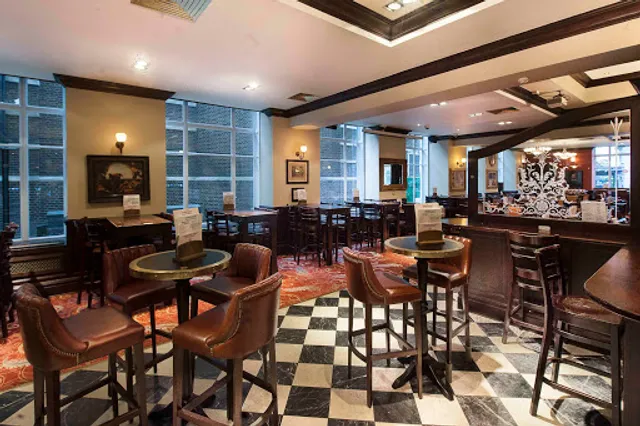
Shakespeare's Head - JD Wetherspoon
4.2
(3.4K)
Closed
Click for details
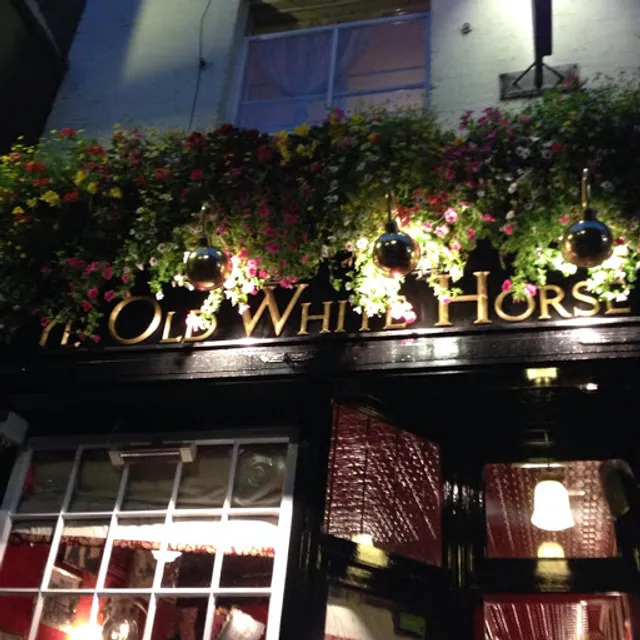
Ye Old White Horse
4.4
(218)
Closed
Click for details
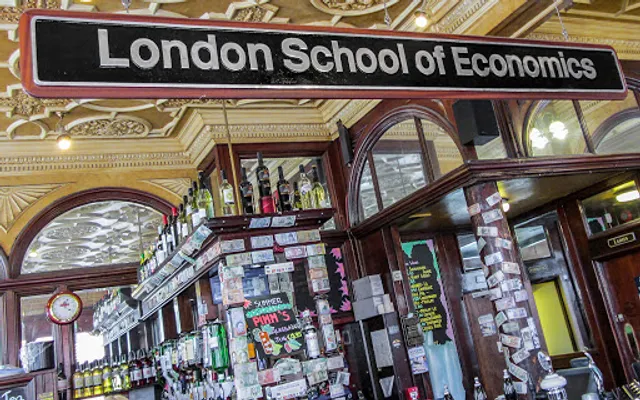
George IV
4.3
(126)
Closed
Click for details
Nearby local services of Hunterian Museum
Hunterian Museum
Museum of London
London School of Economics and Political Science
Royal College of Surgeons of England
Salsatropical Dance Company Ltd.- Salsa & Bachata Classes and Workshops
Ena Salon
The Old Curiosity Shop
Lincoln Square
Head Office Men's Grooming Holborn
180 Strand
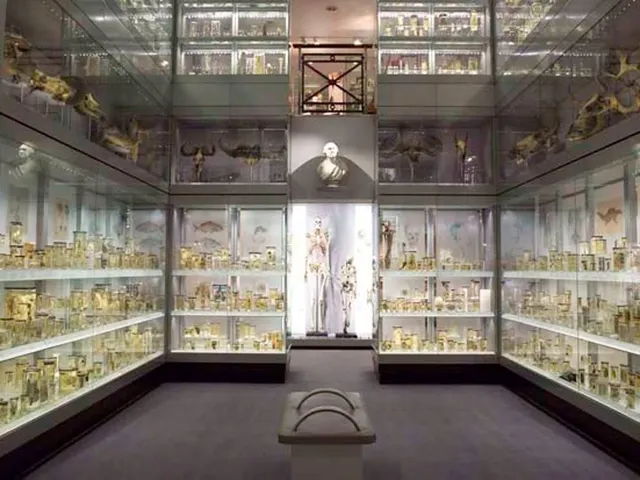
Hunterian Museum
4.7
(347)
Click for details
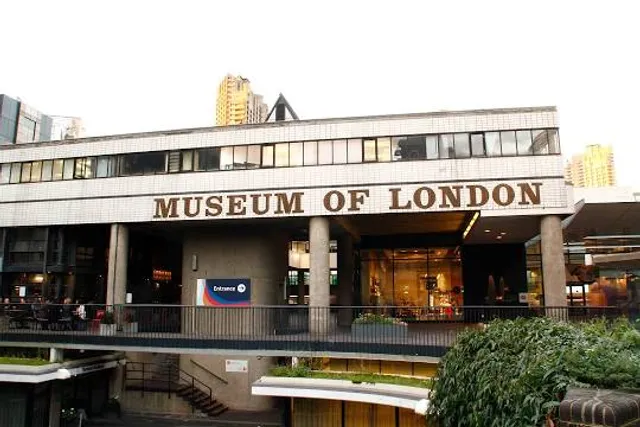
Museum of London
4.6
(6.2K)
Click for details
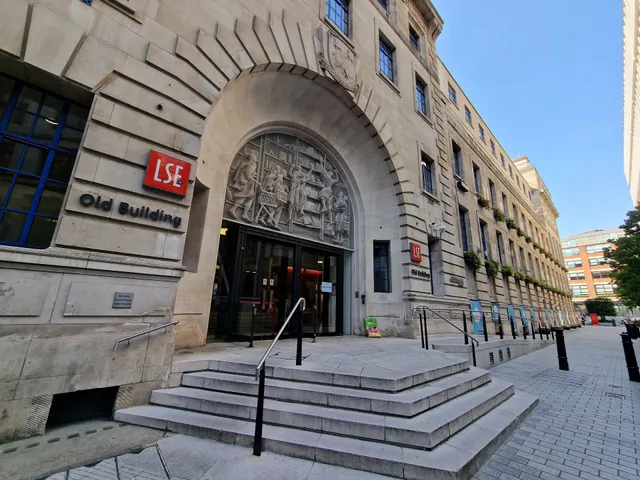
London School of Economics and Political Science
4.4
(474)
Click for details
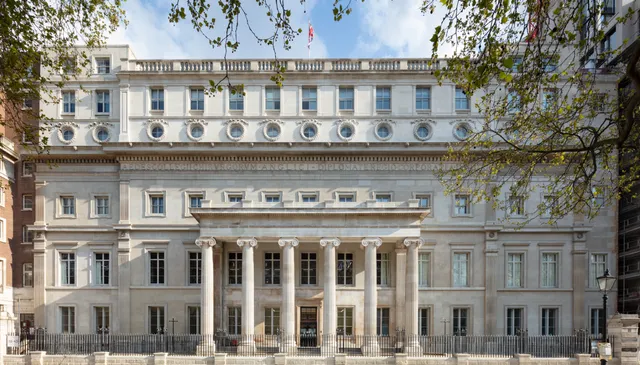
Royal College of Surgeons of England
4.4
(92)
Click for details


The hit list



Plan your trip with Wanderboat
Welcome to Wanderboat AI, your AI search for local Eats and Fun, designed to help you explore your city and the world with ease.
Powered by Wanderboat AI trip planner.