St Mary-le-Bow Church things to do, attractions, restaurants, events info and trip planning
Basic Info
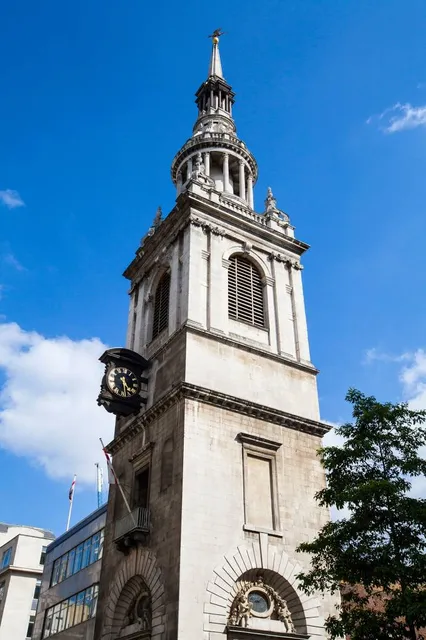
St Mary-le-Bow Church
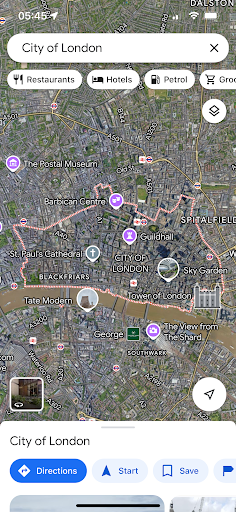
St Mary Le Bow Church, Cheapside, London EC2V 6AU, United Kingdom
4.6(154)
Open until 12:00 AM
Save
spot
spot
Ratings & Description
Info
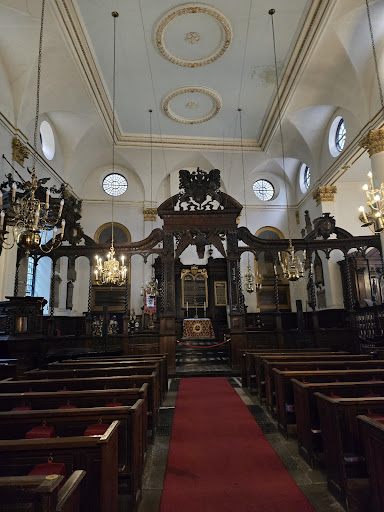
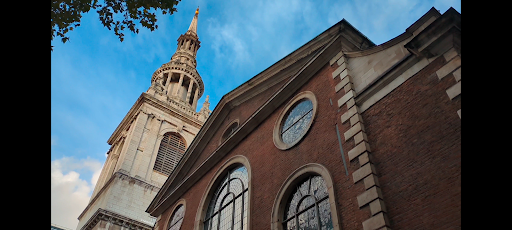
The Church of St Mary-le-Bow is a Church of England parish church in the City of London, England. Located on Cheapside, one of the city's oldest thoroughfares, the church was founded in 1080, by Lanfranc, Archbishop of Canterbury.
Cultural
Accessibility
attractions: St. Paul's Cathedral, St Mary Aldermary, Roof Terrace, London Mithraeum Bloomberg SPACE, Reflection Garden, Guildhall Art Gallery, London's Roman Amphitheatre, Guildhall, Festival Gardens, St Lawrence Jewry, restaurants: Burger & Lobster Bread Street, Madison, Ye Olde Watling, Gordon Ramsay Street Pizza, The Ivy Asia St Paul's, Dirty Martini - Cocktail Bar in St Pauls, The Pavilion End, St Paul's, Williamson's Tavern, Zizzi - One New Change (St Paul's), The Saint Bow Lane, local businesses: One New Change, Daunt Books, Puttshack Bank, St. Paul's Cathedral, Beauty Essence, H&M, tSmart - Mansion House - Tech Repair Experts, Porterford Butchers, Lush Cosmetics Cheapside, Boots
 Learn more insights from Wanderboat AI.
Phone
+44 20 7248 5139
Website
stmarylebow.org.uk
Open hoursSee all hours
Mon7:30 am - 6 pmOpen
Plan your stay

Pet-friendly Hotels in London
Find a cozy hotel nearby and make it a full experience.

Affordable Hotels in London
Find a cozy hotel nearby and make it a full experience.

The Coolest Hotels You Haven't Heard Of (Yet)
Find a cozy hotel nearby and make it a full experience.

Trending Stays Worth the Hype in London
Find a cozy hotel nearby and make it a full experience.
Reviews
Live events
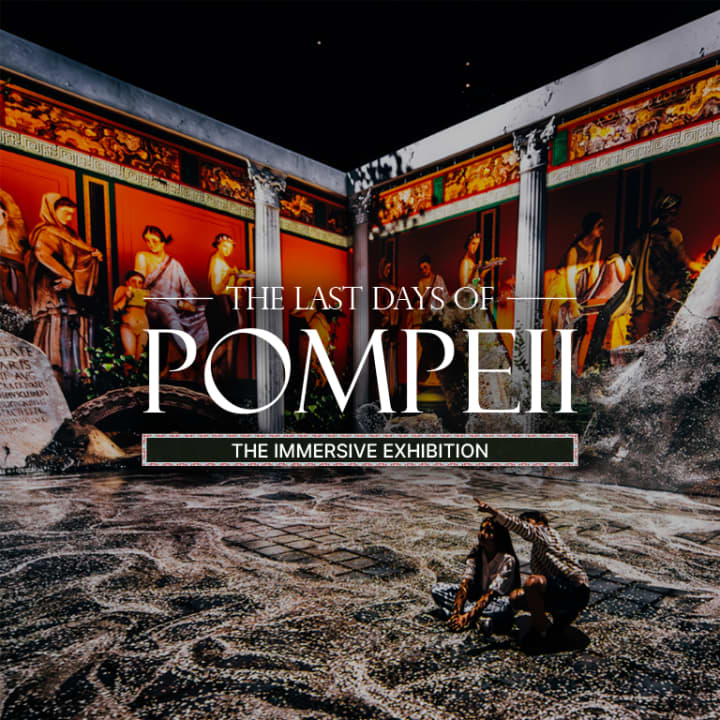
The Last Days of Pompeii: The Immersive Exhibition
Mon, Feb 9 • 10:00 AM
Royal Victoria Dock 1 Western Gateway, E16 1XL
View details

Paradox Museum London
Mon, Feb 9 • 10:00 AM
90 Brompton Road, London, SW3 1JJ
View details
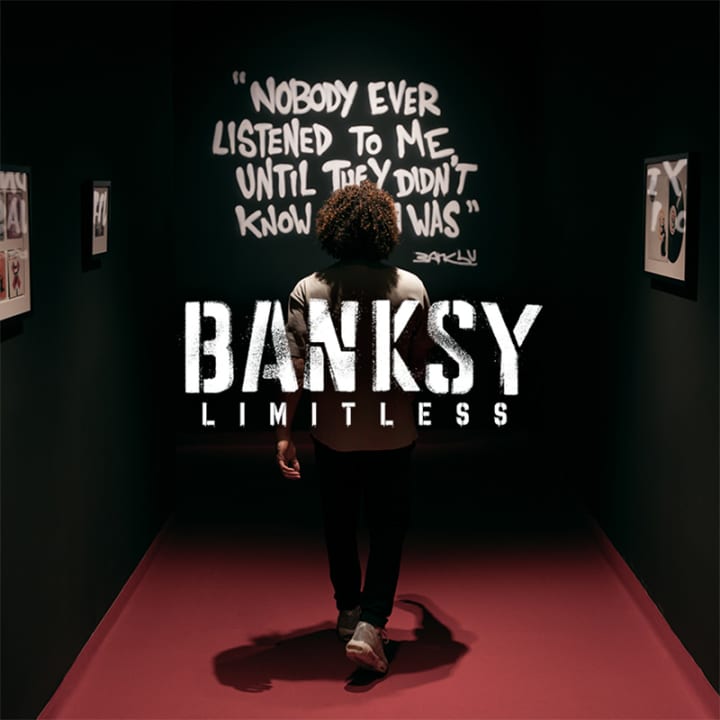
Banksy Limitless
Mon, Feb 9 • 12:00 PM
79 - 85 Old Brompton Road, London, SW7 3LD
View details
Nearby attractions of St Mary-le-Bow Church
St. Paul's Cathedral
St Mary Aldermary
Roof Terrace
London Mithraeum Bloomberg SPACE
Reflection Garden
Guildhall Art Gallery
London's Roman Amphitheatre
Guildhall
Festival Gardens
St Lawrence Jewry
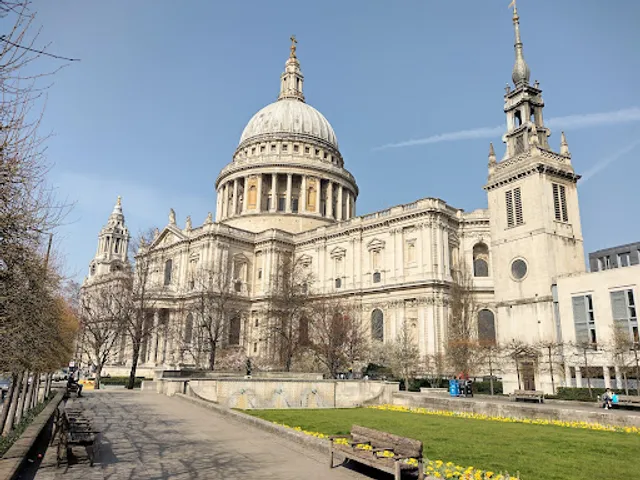
St. Paul's Cathedral
4.7
(19.6K)
Closed
Click for details
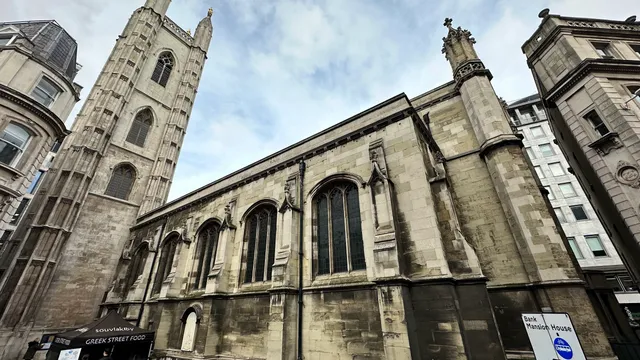
St Mary Aldermary
4.7
(247)
Open until 12:00 AM
Click for details
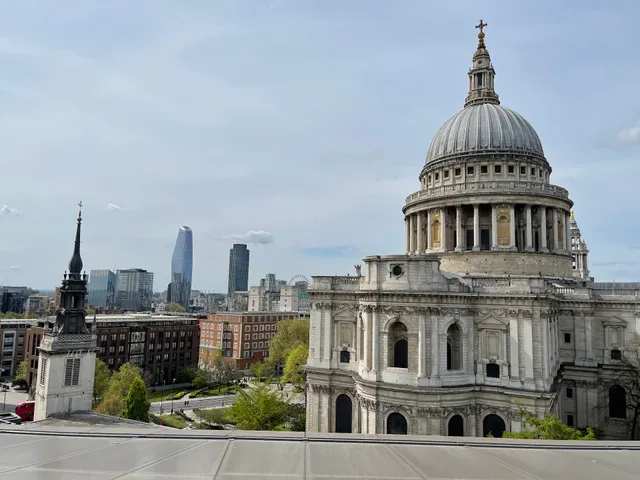
Roof Terrace
4.6
(247)
Closed
Click for details
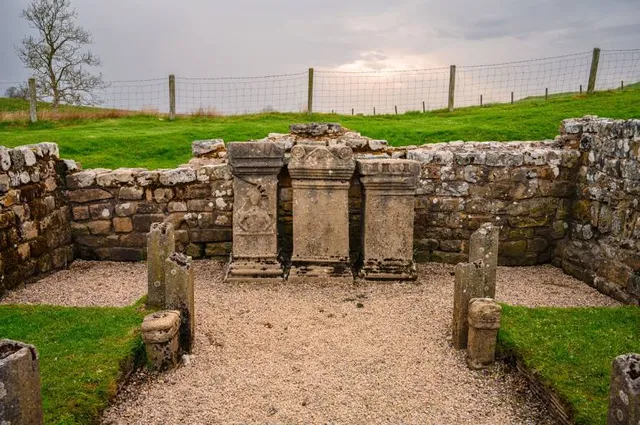
London Mithraeum Bloomberg SPACE
4.5
(1.5K)
Open until 12:00 AM
Click for details
Nearby restaurants of St Mary-le-Bow Church
Burger & Lobster Bread Street
Madison
Ye Olde Watling
Gordon Ramsay Street Pizza
The Ivy Asia St Paul's
Dirty Martini - Cocktail Bar in St Pauls
The Pavilion End, St Paul's
Williamson's Tavern
Zizzi - One New Change (St Paul's)
The Saint Bow Lane
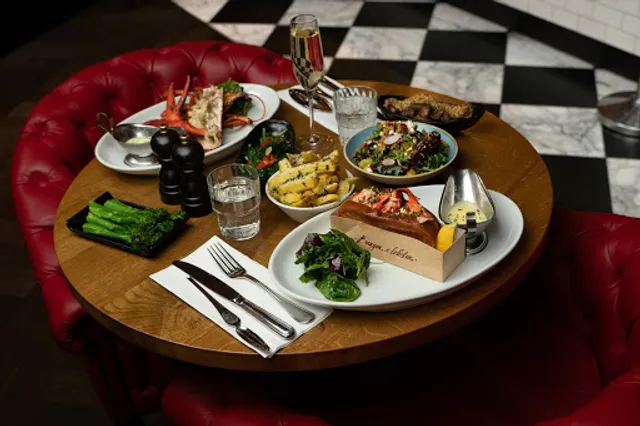
Burger & Lobster Bread Street
4.6
(2.3K)
$$
Closed
Click for details
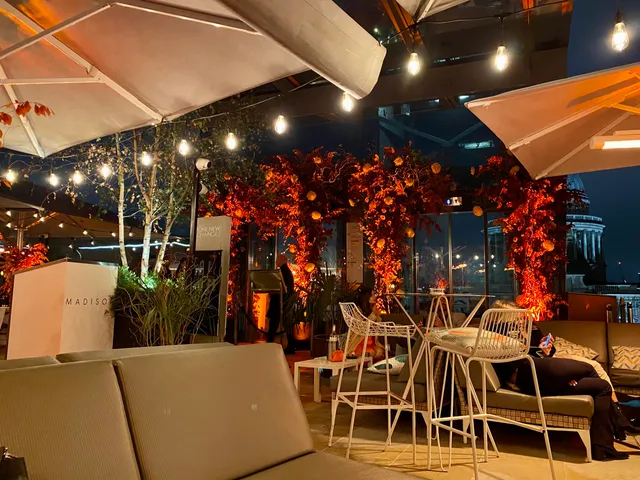
Madison
4.5
(5.3K)
$$$
Closed
Click for details
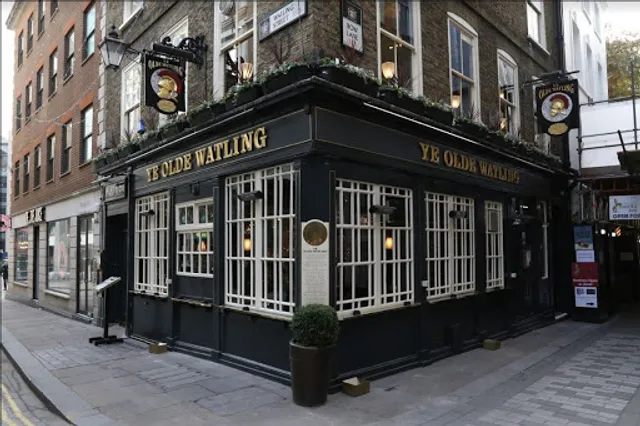
Ye Olde Watling
4.6
(1.4K)
Open until 12:00 AM
Click for details
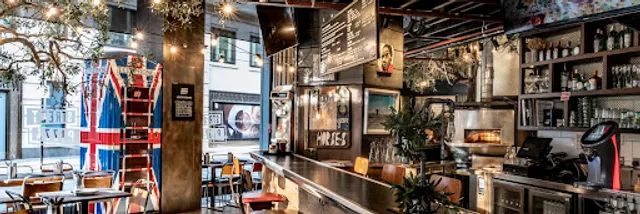
Gordon Ramsay Street Pizza
4.3
(1.3K)
Closed
Click for details
Nearby local services of St Mary-le-Bow Church
One New Change
Daunt Books
Puttshack Bank
St. Paul's Cathedral
Beauty Essence
H&M
tSmart - Mansion House - Tech Repair Experts
Porterford Butchers
Lush Cosmetics Cheapside
Boots
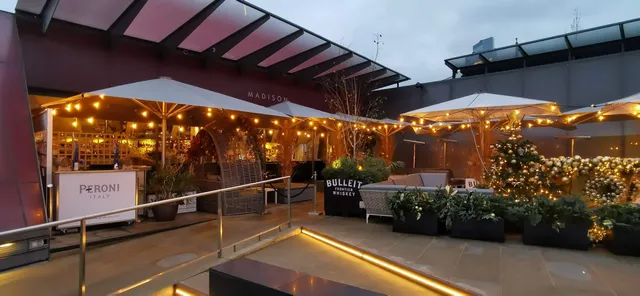
One New Change
4.2
(3K)
Click for details
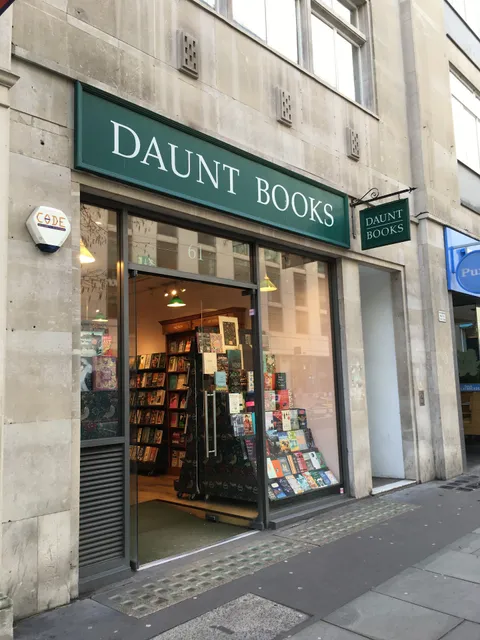
Daunt Books
4.7
(521)
Click for details
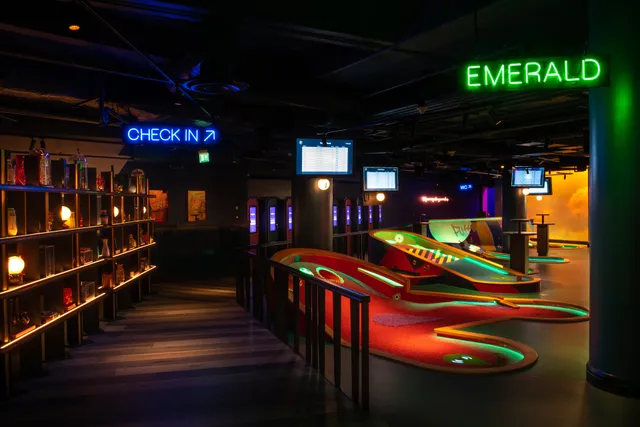
Puttshack Bank
4.7
(1.9K)
Click for details
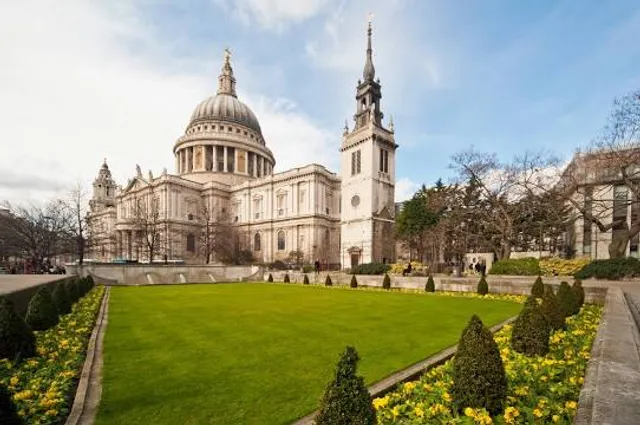
St. Paul's Cathedral
4.6
(14K)
Click for details


The hit list



Plan your trip with Wanderboat
Welcome to Wanderboat AI, your AI search for local Eats and Fun, designed to help you explore your city and the world with ease.
Powered by Wanderboat AI trip planner.