Old Slave Mart Museum things to do, attractions, restaurants, events info and trip planning
Basic Info
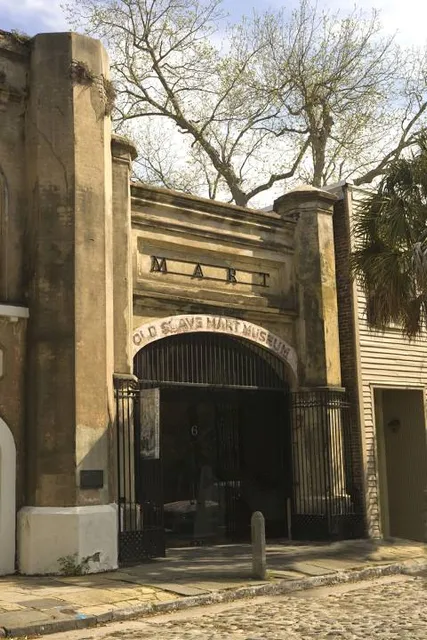
Old Slave Mart Museum
6 Chalmers St, Charleston, SC 29401
4.4(1.1K)
Open until 12:00 AM


tickets
Save
spot
spot
Ratings & Description
Info
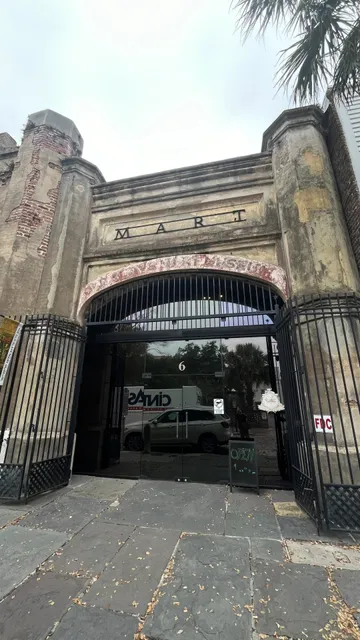
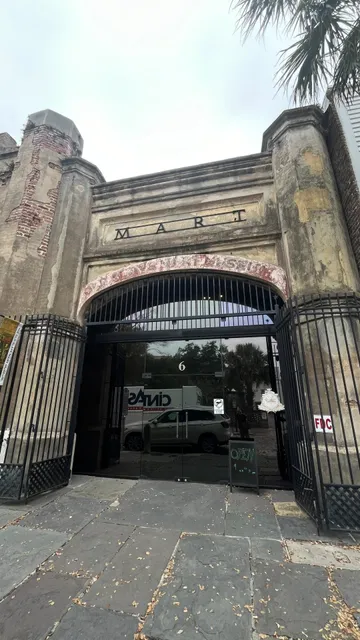
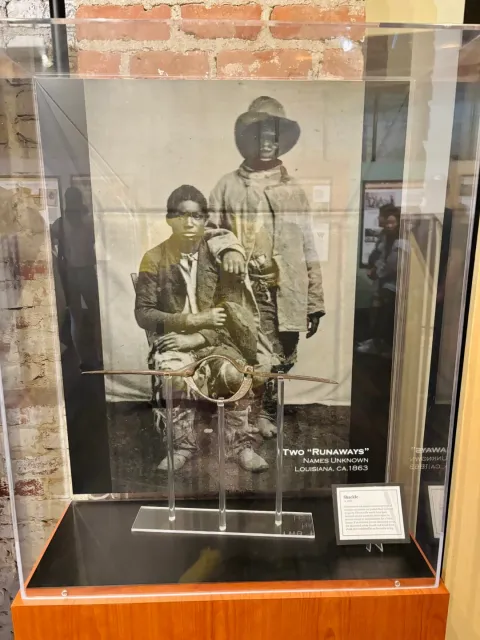
The Old Slave Mart is a building located at 6 Chalmers Street in Charleston, South Carolina that once housed an antebellum-period slave-auction gallery. Constructed in 1859, the building is believed to be the last extant slave auction facility in South Carolina.
Cultural
Accessibility
attractions: Dock Street Theatre, Old Exchange and Provost Dungeon, Joe Riley Waterfront Park, Rainbow Row, Queen Street Playhouse: Home of the Footlight Players, Pineapple Fountain, Robert Lange Studios Art Gallery, French Huguenot Church, Washington Square, St. Philip's Church, restaurants: Blind Tiger Pub, Pearlz Oyster Bar, Magnolias, The Rooftop at the Vendue, Ru Ru's Tacos & Tequila, The Establishment, Galpão Gaucho Brazilian Steakhouse, Oak Steakhouse, The Griffon, Poogan's Smokehouse, local businesses: Charleston Tour Company, Charleston Pirate Tours, Ghost City Tours, Charleston Rings, Magnolia Med Spa, HOLST + LEE, Seyahan Jewelry, Charleston History Walk, ALENA FEDE DESIGN STUDIO |Custom Wedding dresses, Bridesmaids, Prom/ Alterations, Time Traveler Adventures
 Learn more insights from Wanderboat AI.
Phone
(843) 958-6467
Website
theoldslavemartmuseum.org
Open hoursSee all hours
Mon9 AM - 5 PMOpen
Plan your stay

Pet-friendly Hotels in Charleston
Find a cozy hotel nearby and make it a full experience.

Affordable Hotels in Charleston
Find a cozy hotel nearby and make it a full experience.

The Coolest Hotels You Haven't Heard Of (Yet)
Find a cozy hotel nearby and make it a full experience.

Trending Stays Worth the Hype in Charleston
Find a cozy hotel nearby and make it a full experience.
Reviews
Live events
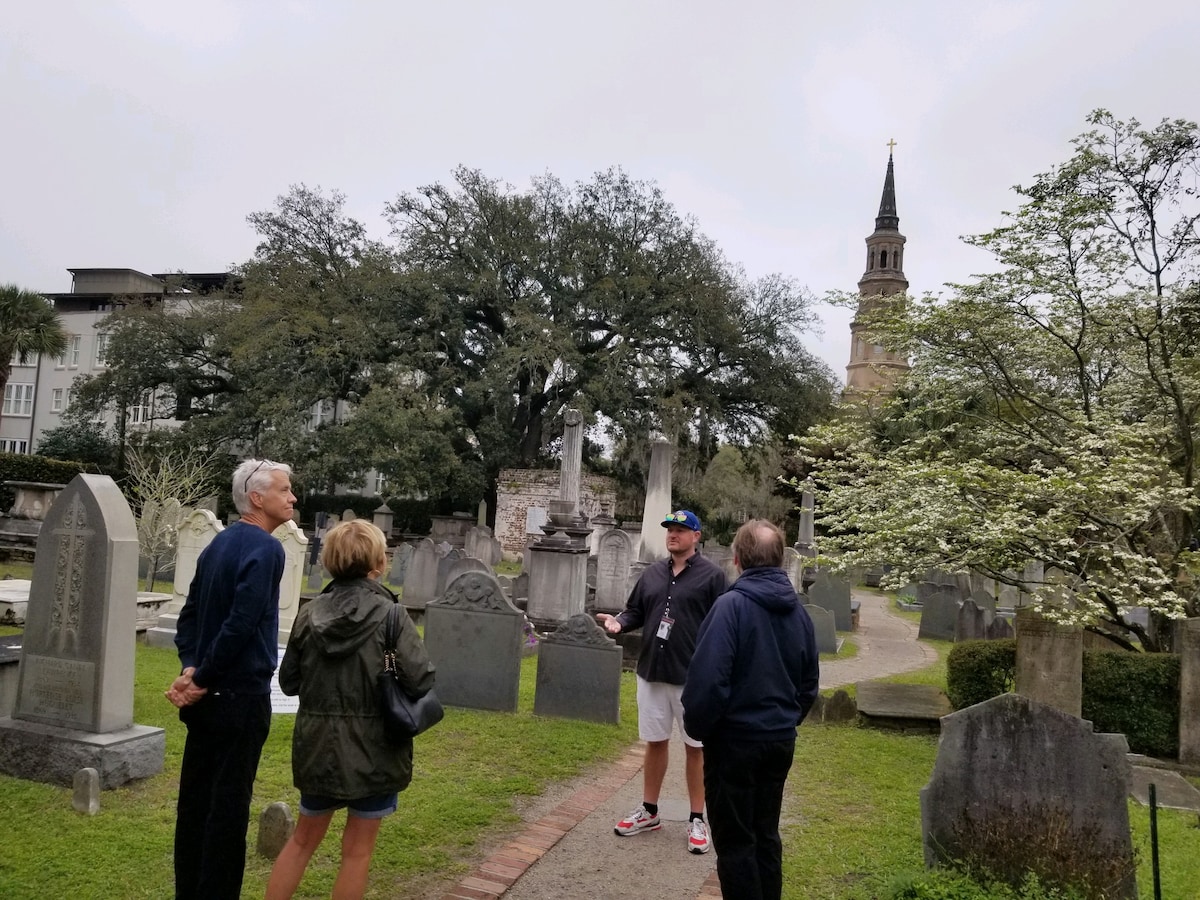
Small Groups, Small Alleys & Interesting History
Wed, Feb 25 • 10:00 AM
Charleston, South Carolina, 29401
View details

February Lunch & Learn: Strategic Growth for Your Business
Tue, Feb 24 • 11:30 AM
4201 Spruill Avenue North Charleston, SC 29405
View details

Legend of Geraldine x Legami present La Frontiera A Black Tie Fashion Event
Tue, Feb 24 • 6:00 PM
492 King Street Charleston, SC 29403
View details
Nearby attractions of Old Slave Mart Museum
Dock Street Theatre
Old Exchange and Provost Dungeon
Joe Riley Waterfront Park
Rainbow Row
Queen Street Playhouse: Home of the Footlight Players
Pineapple Fountain
Robert Lange Studios Art Gallery
French Huguenot Church
Washington Square
St. Philip's Church
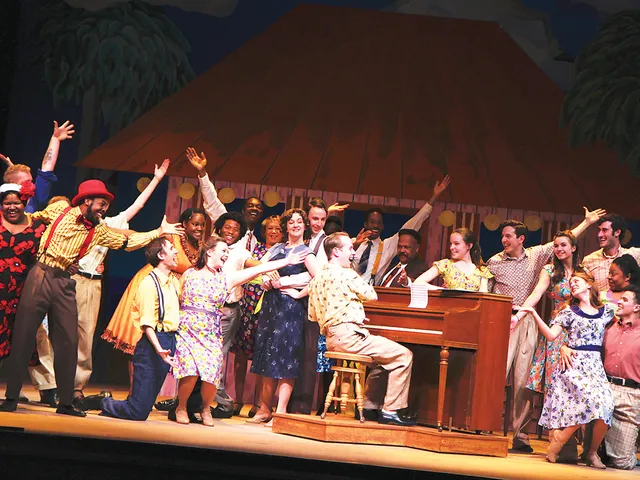
Dock Street Theatre
4.8
(469)
Open 24 hours
Click for details
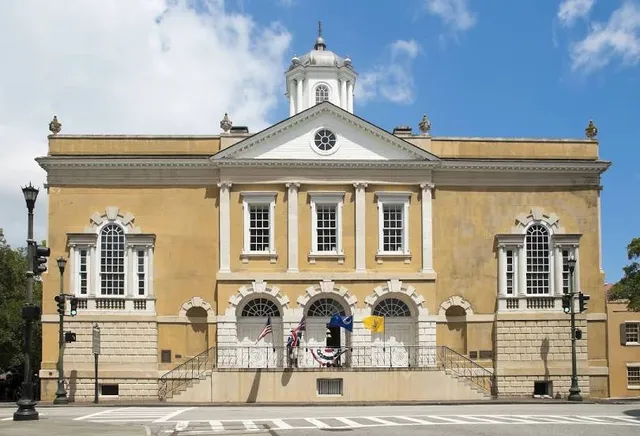
Old Exchange and Provost Dungeon
4.7
(816)
Closed
Click for details
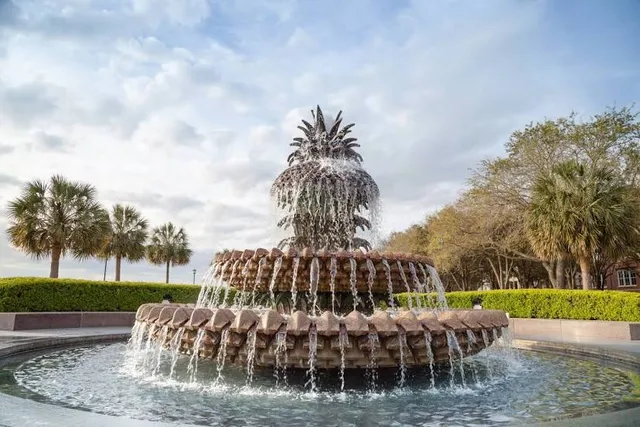
Joe Riley Waterfront Park
4.7
(4.4K)
Closed
Click for details
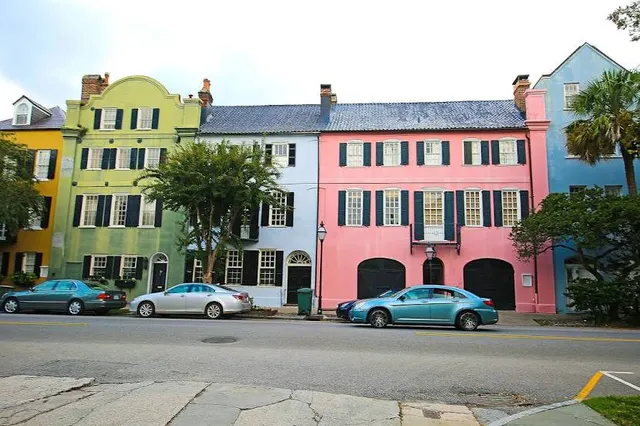
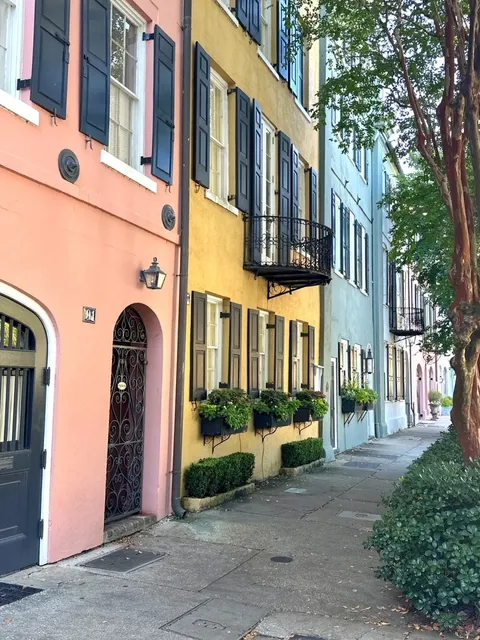
Rainbow Row
4.6
(2.9K)
Open until 12:00 AM
Click for details
Nearby restaurants of Old Slave Mart Museum
Blind Tiger Pub
Pearlz Oyster Bar
Magnolias
The Rooftop at the Vendue
Ru Ru's Tacos & Tequila
The Establishment
Galpão Gaucho Brazilian Steakhouse
Oak Steakhouse
The Griffon
Poogan's Smokehouse
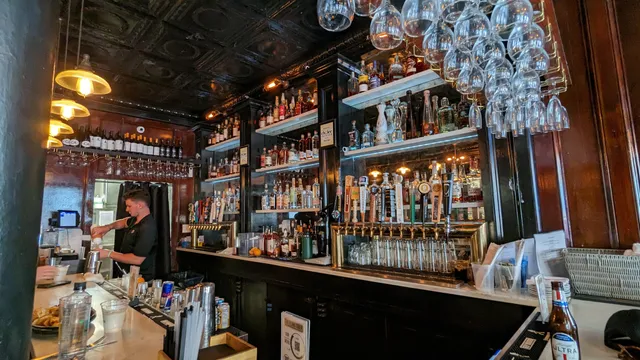
Blind Tiger Pub
4.4
(1.4K)
$$
Open until 1:30 AM
Click for details
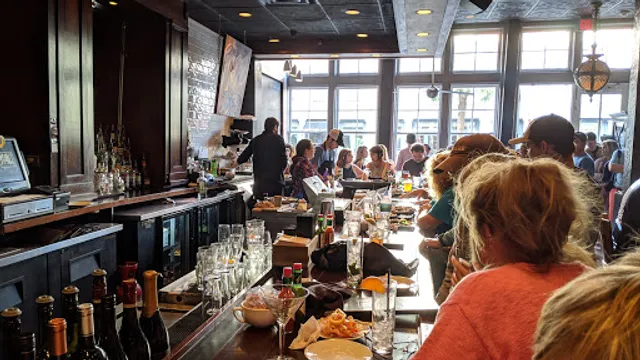
Pearlz Oyster Bar
4.6
(964)
$$
Closed
Click for details
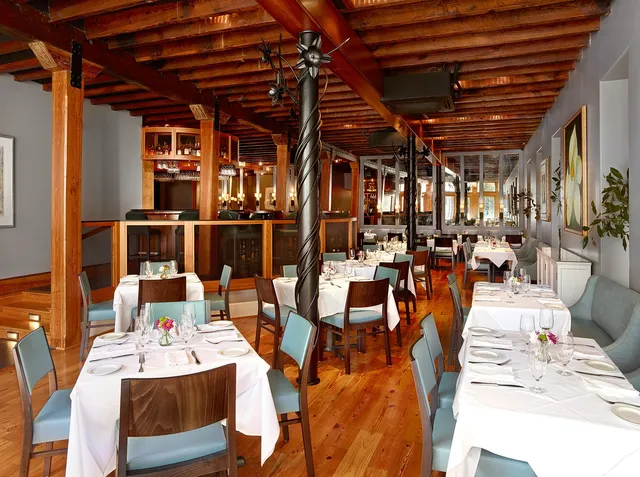
Magnolias
4.7
(2.3K)
$$$
Closed
Click for details
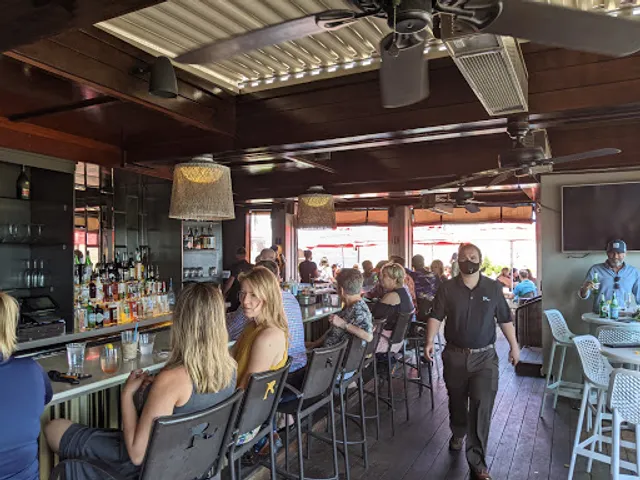
The Rooftop at the Vendue
4.5
(1.7K)
$$
Open until 12:00 AM
Click for details
Nearby local services of Old Slave Mart Museum
Charleston Tour Company
Charleston Pirate Tours
Ghost City Tours
Charleston Rings
Magnolia Med Spa
HOLST + LEE
Seyahan Jewelry
Charleston History Walk
ALENA FEDE DESIGN STUDIO |Custom Wedding dresses, Bridesmaids, Prom/ Alterations
Time Traveler Adventures
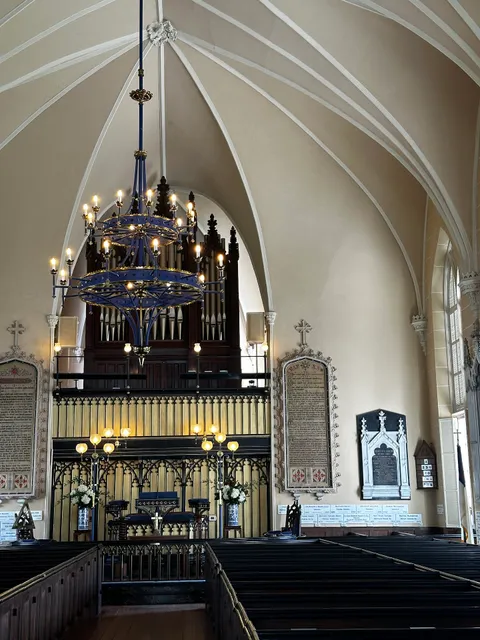
Charleston Tour Company
5.0
(468)
Click for details
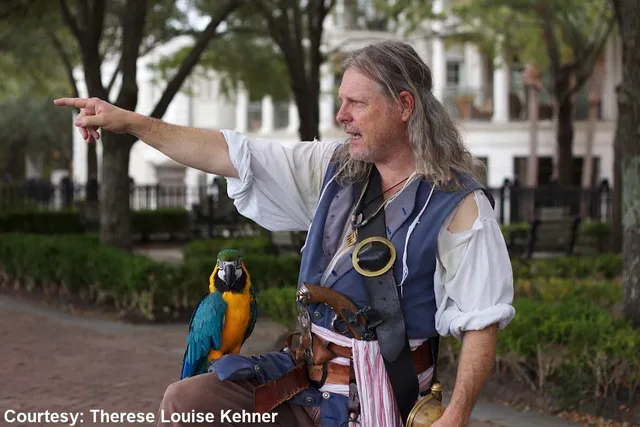
Charleston Pirate Tours
4.9
(178)
Click for details
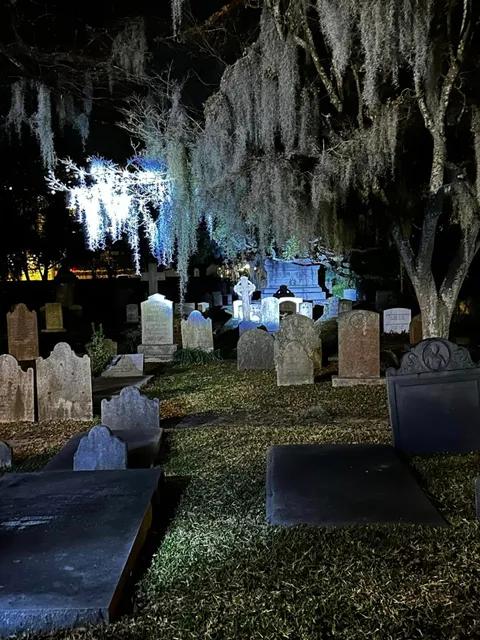
Ghost City Tours
4.8
(950)
Click for details
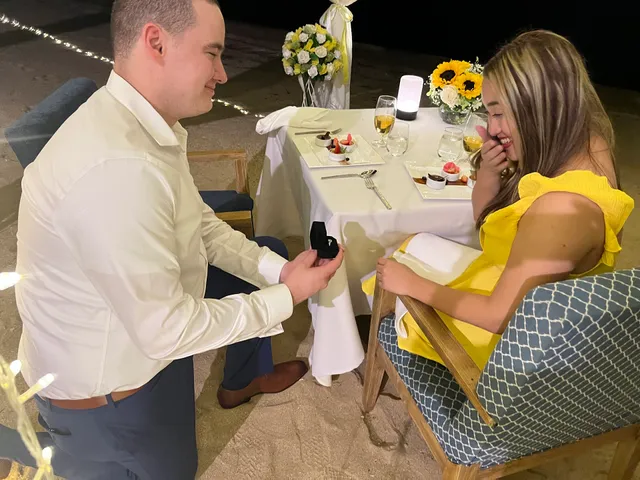
Charleston Rings
4.9
(185)
Click for details


The hit list

Plan your trip with Wanderboat
Welcome to Wanderboat AI, your AI search for local Eats and Fun, designed to help you explore your city and the world with ease.
Powered by Wanderboat AI trip planner.