Denver Art Museum things to do, attractions, restaurants, events info and trip planning
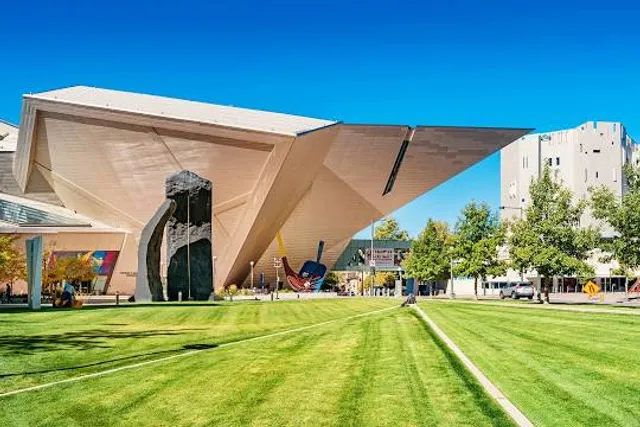
Basic Info
Denver Art Museum
100 W 14th Ave Pkwy, Denver, CO 80204
4.7(6.5K)$$$$
Closed


tickets
Save
spot
spot
Ratings & Description
Info
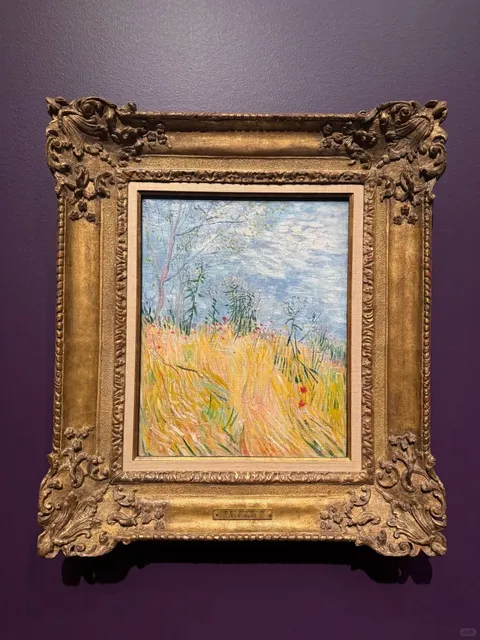
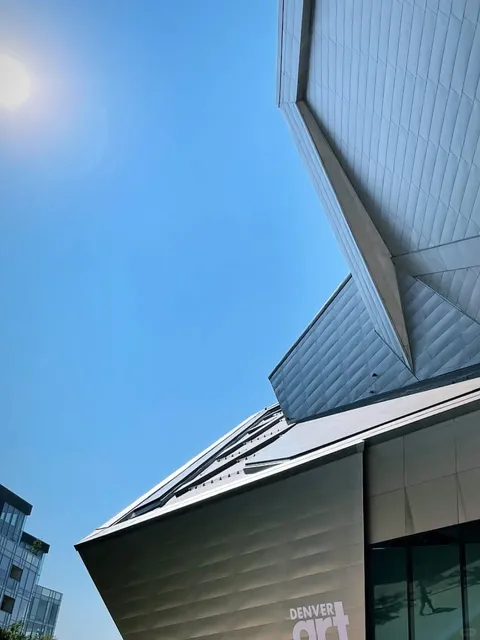
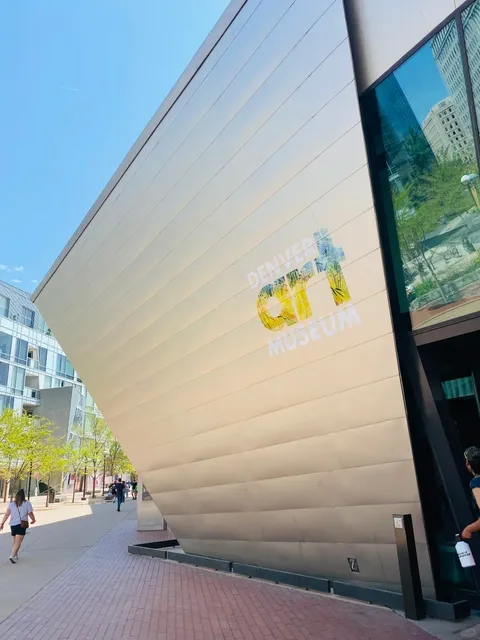
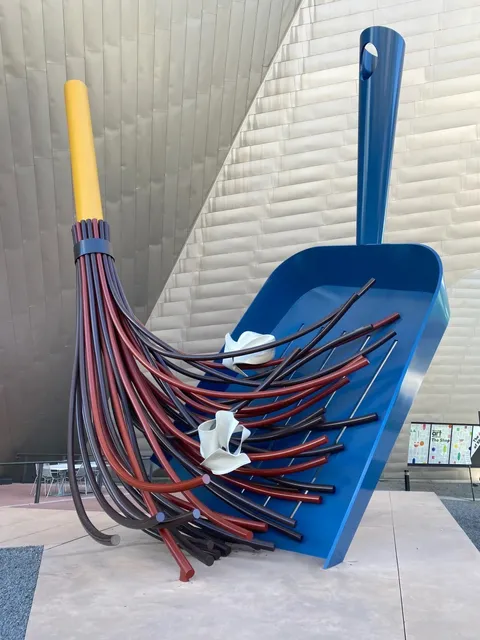
The Denver Art Museum is an art museum located in the Civic Center of Denver, Colorado. With encyclopedic collections of more than 70,000 diverse works from across the centuries and world, the DAM is one of the largest art museums between the West Coast and Chicago.
Cultural
Accessibility
attractions: Civic Center Park, Clyfford Still Museum, Denver Public Library: Central Library, Center for Colorado Women's History, History Colorado Center, The Kirkland at the Denver Art Museum, McNichols Civic Center Building, Counterterrorism Education Learning Lab (CELL), The Yearling, Spark Gallery, restaurants: Pints Pub, The Ponti at Denver Art Museum, Leven Deli Co., Café Gío, Fire Restaurant & Lounge, MAD Greens - Denver Art Museum, City O' City, Lo Stella Ristorante, Dulce Vida, ZEPS EPIQ Sandwiches, local businesses: Local Product of Colorado, Studio: A Collective Of Stylists, Civic Center Park, Colorado Bar Association, Denver Public Library Friends Foundation, SP+ Parking, Howard Lorton Furniture & Design | Bedroom Furniture Downtown Denver | Living Room | Patio & Outdoor Showroom, IRIS - a piercing studio, Lagree Luxe Golden Triangle, Fitness in the City - FITC Denver
 Learn more insights from Wanderboat AI.
Phone
(720) 865-5000
Website
denverartmuseum.org
Open hoursSee all hours
Sun10 AM - 5 PMClosed
Plan your stay

Pet-friendly Hotels in Denver
Find a cozy hotel nearby and make it a full experience.

Affordable Hotels in Denver
Find a cozy hotel nearby and make it a full experience.

The Coolest Hotels You Haven't Heard Of (Yet)
Find a cozy hotel nearby and make it a full experience.

Trending Stays Worth the Hype in Denver
Find a cozy hotel nearby and make it a full experience.
Reviews
Live events

Womens Circles at MESA: Connection, Healing, & Community
Thu, Feb 26 • 5:00 PM
1455 Dixon Avenue #suite 210 Lafayette, CO 80026
View details

Tween Club: Sew a Dream Pillow
Thu, Feb 26 • 3:00 PM
951 Spruce Street Louisville, CO 80027
View details

Book Swap
Sat, Feb 28 • 9:00 AM
920 Main Street Louisville, CO 80027
View details
Nearby attractions of Denver Art Museum
Civic Center Park
Clyfford Still Museum
Denver Public Library: Central Library
Center for Colorado Women's History
History Colorado Center
The Kirkland at the Denver Art Museum
McNichols Civic Center Building
Counterterrorism Education Learning Lab (CELL)
The Yearling
Spark Gallery
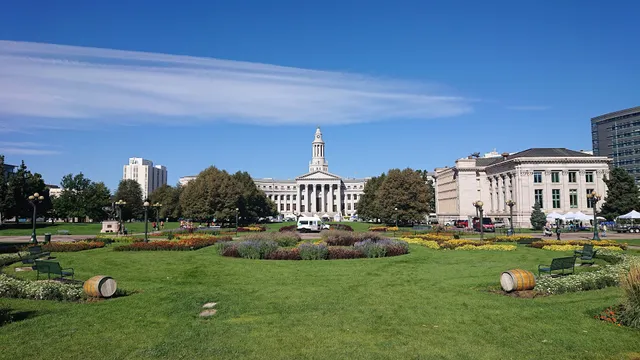
Civic Center Park
4.4
(3.9K)
Closed
Click for details
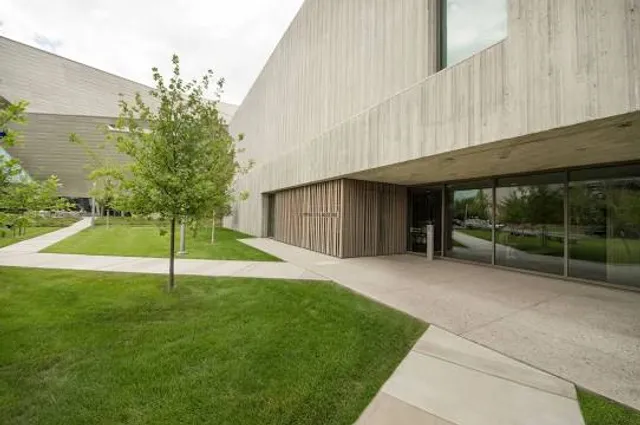
Clyfford Still Museum
4.7
(451)
Closed
Click for details
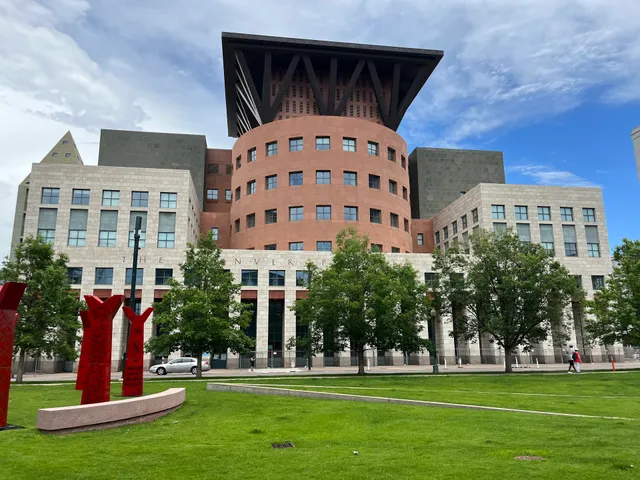
Denver Public Library: Central Library
4.3
(296)
Closed
Click for details
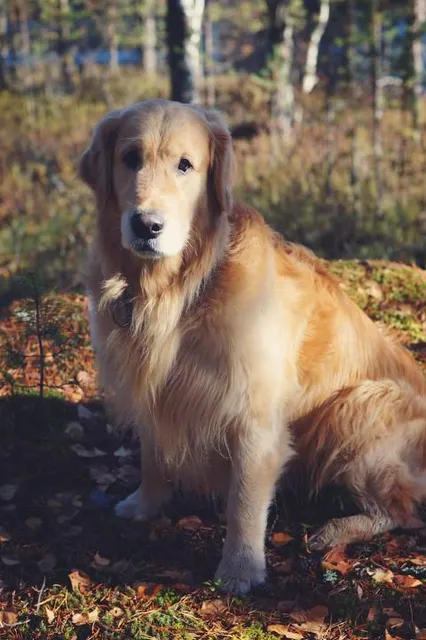
Center for Colorado Women's History
4.6
(116)
Closed
Click for details
Nearby restaurants of Denver Art Museum
Pints Pub
The Ponti at Denver Art Museum
Leven Deli Co.
Café Gío
Fire Restaurant & Lounge
MAD Greens - Denver Art Museum
City O' City
Lo Stella Ristorante
Dulce Vida
ZEPS EPIQ Sandwiches
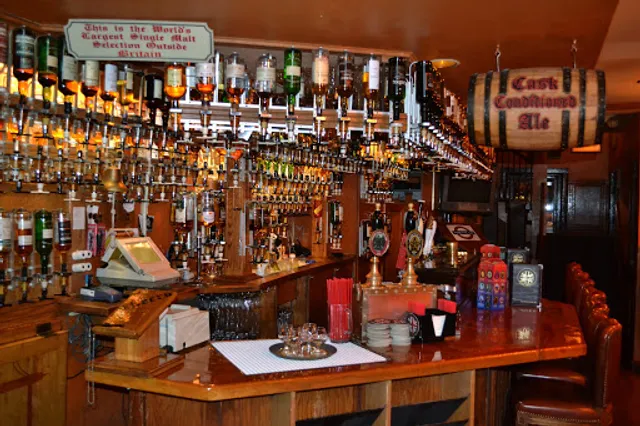
Pints Pub
4.4
(491)
$$
Closed
Click for details
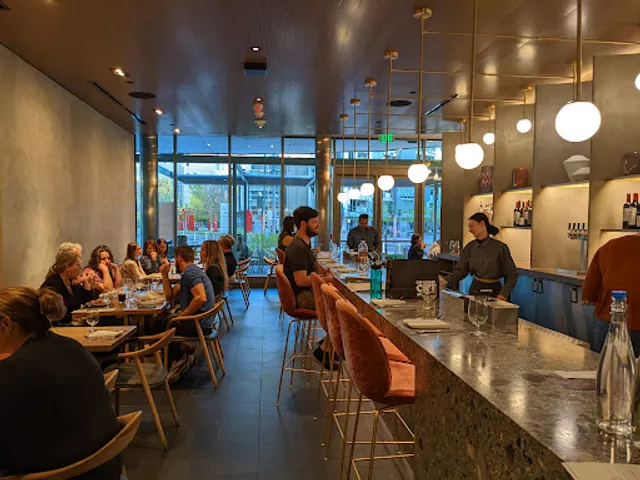
The Ponti at Denver Art Museum
3.9
(86)
$$
Closed
Click for details
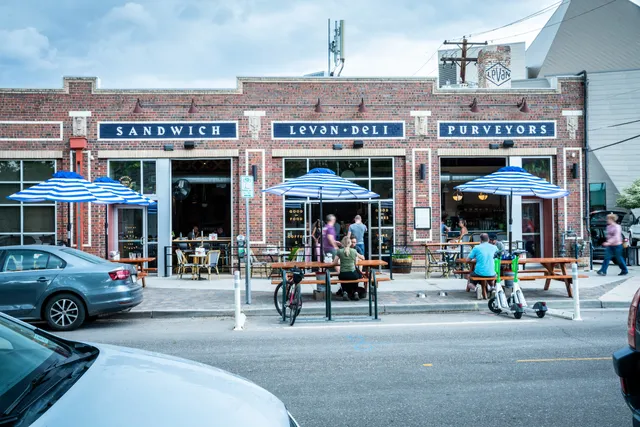
Leven Deli Co.
4.7
(1.1K)
$$
Closed
Click for details
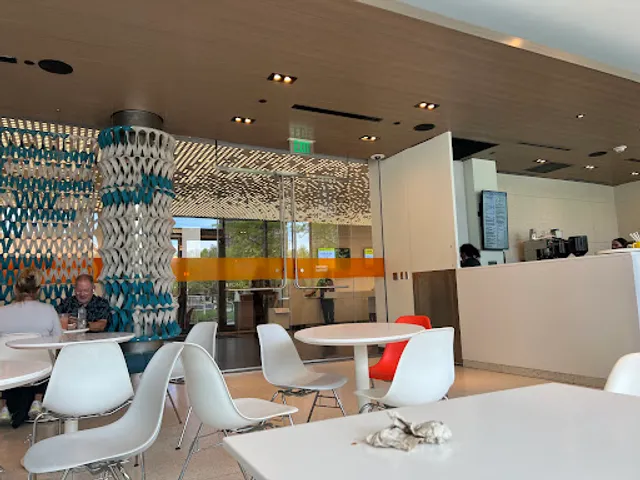
Café Gío
3.6
(60)
$
Closed
Click for details
Nearby local services of Denver Art Museum
Local Product of Colorado
Studio: A Collective Of Stylists
Civic Center Park
Colorado Bar Association
Denver Public Library Friends Foundation
SP+ Parking
Howard Lorton Furniture & Design | Bedroom Furniture Downtown Denver | Living Room | Patio & Outdoor Showroom
IRIS - a piercing studio
Lagree Luxe Golden Triangle
Fitness in the City - FITC Denver
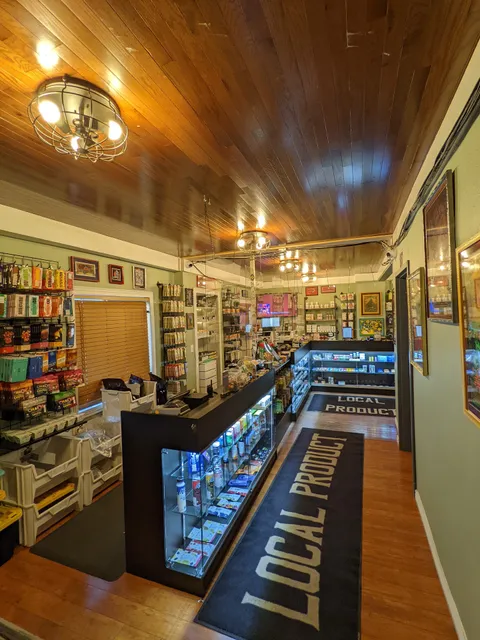
Local Product of Colorado
4.8
(767)
Click for details

Studio: A Collective Of Stylists
4.9
(413)
Click for details
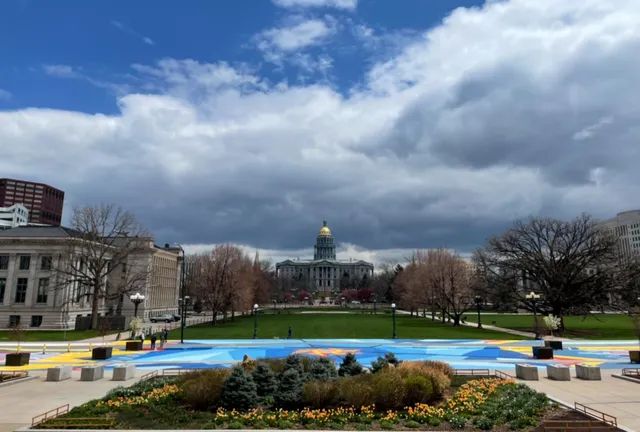
Civic Center Park
4.3
(3.2K)
Click for details
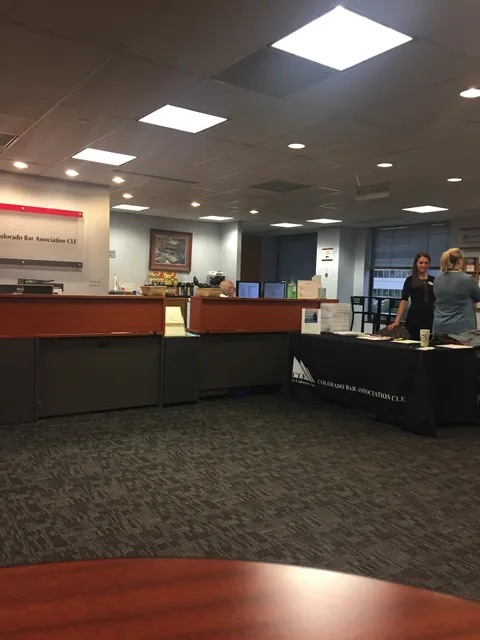
Colorado Bar Association
3.0
(78)
Click for details


The hit list
Plan your trip with Wanderboat
Welcome to Wanderboat AI, your AI search for local Eats and Fun, designed to help you explore your city and the world with ease.
Powered by Wanderboat AI trip planner.