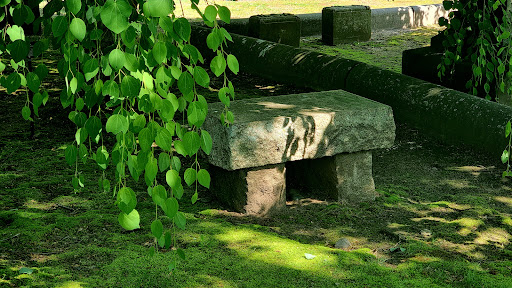
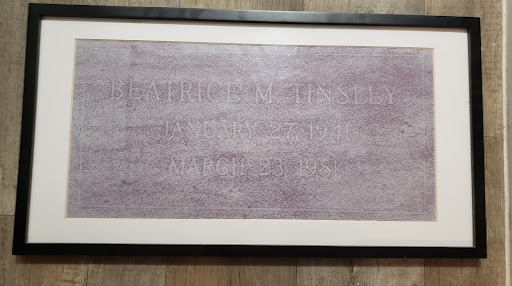
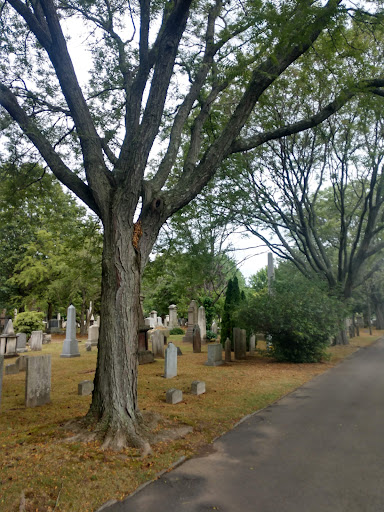
Grove St Cemetery things to do, attractions, restaurants, events info and trip planning
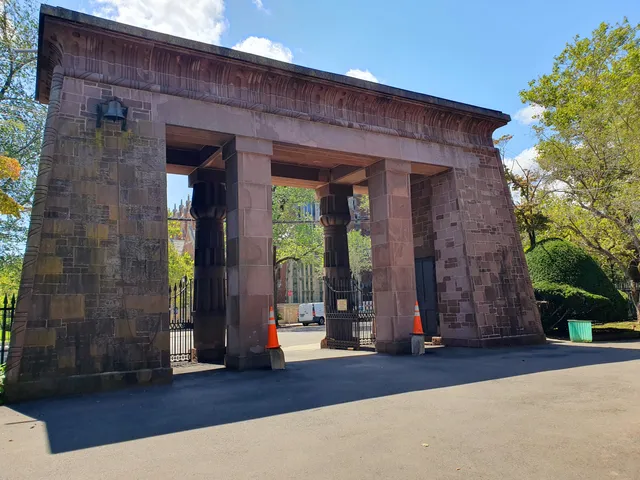
Basic Info
Grove St Cemetery
227 Grove St, New Haven, CT 06511
4.6(29)
Closed
Save
spot
spot
Ratings & Description
Info
Cultural
Scenic
Accessibility
attractions: Beinecke Rare Book and Manuscript Library, Woolsey Hall, St. Mary Church of Blessed Michael McGivney Parish, Yale University, Yale University, Scantlebury Park, Whitney Humanities Center, Yale Peabody Museum, Schwarzman Center, Yale University, New Haven Green, restaurants: Sherkaan Indian Street Food, Yorkside Pizza & Restaurant, Ashley's Ice Cream, Yale University Commons Dining Hall, Olmo, Shah's Halal Food - New Haven, Maison B Café, bb.q Chicken New Haven, Junzi Kitchen 君子食堂耶鲁店 Yale University, New Haven CT|Healthy Authentic Chinese, Habesha Ethiopian Restaurant & Bar, local businesses: The Yale Bookstore, Yale Law School, Apple New Haven, Sterling Memorial Library, Good Nature Market, New Haven Reads, Urban Outfitters, Escape New Haven, Payne Whitney Gymnasium, Morse College
 Learn more insights from Wanderboat AI.
Phone
(203) 787-1443
Website
grovestreetcemetery.org
Open hoursSee all hours
Fri9 AM - 4 PMClosed
Plan your stay

Pet-friendly Hotels in Middletown
Find a cozy hotel nearby and make it a full experience.

Affordable Hotels in Middletown
Find a cozy hotel nearby and make it a full experience.

The Coolest Hotels You Haven't Heard Of (Yet)
Find a cozy hotel nearby and make it a full experience.

Trending Stays Worth the Hype in Middletown
Find a cozy hotel nearby and make it a full experience.
Reviews
Live events
Candlelight: Tribute to Adele
Sat, Feb 14 • 6:00 PM
275 Fairfield Avenue, Bridgeport, 06604
View details

Waterbury Murder Mystery: Solve the case!
Sun, Feb 1 • 12:00 AM
Waterbury, 06702
View details

Bridgeport Murder Mystery: Solve the case!
Sun, Feb 1 • 12:00 AM
Broad St. at State St., Bridgeport, CT 06604, USA, 06604
View details
Nearby attractions of Grove St Cemetery
Beinecke Rare Book and Manuscript Library
Woolsey Hall
St. Mary Church of Blessed Michael McGivney Parish
Yale University
Yale University
Scantlebury Park
Whitney Humanities Center
Yale Peabody Museum
Schwarzman Center, Yale University
New Haven Green

Beinecke Rare Book and Manuscript Library
4.9
(176)
Closed
Click for details
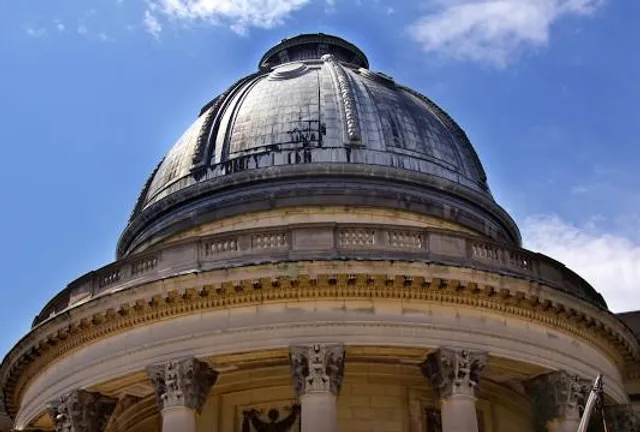
Woolsey Hall
4.7
(146)
Open 24 hours
Click for details
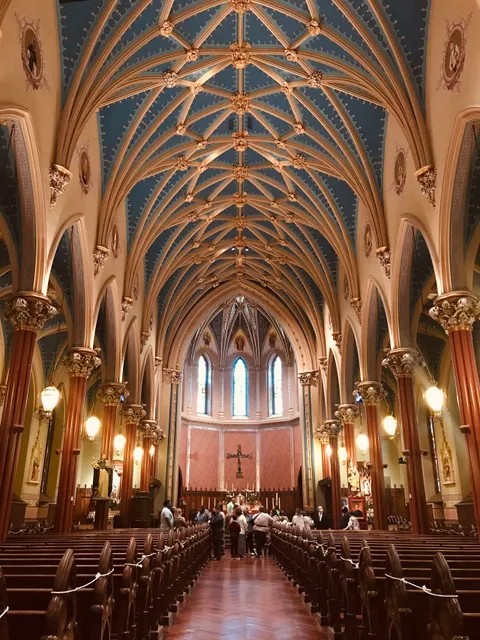
St. Mary Church of Blessed Michael McGivney Parish
4.9
(154)
Closed
Click for details
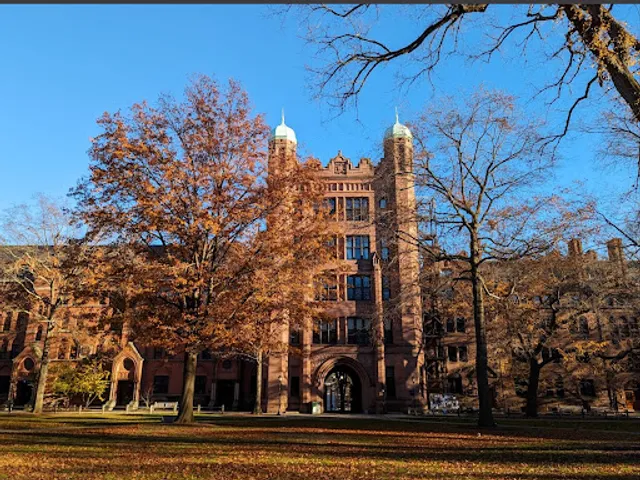
Yale University
4.5
(1.1K)
Open 24 hours
Click for details
Nearby restaurants of Grove St Cemetery
Sherkaan Indian Street Food
Yorkside Pizza & Restaurant
Ashley's Ice Cream
Yale University Commons Dining Hall
Olmo
Shah's Halal Food - New Haven
Maison B Café
bb.q Chicken New Haven
Junzi Kitchen 君子食堂耶鲁店 Yale University, New Haven CT|Healthy Authentic Chinese
Habesha Ethiopian Restaurant & Bar

Sherkaan Indian Street Food
4.3
(595)
$$
Closed
Click for details
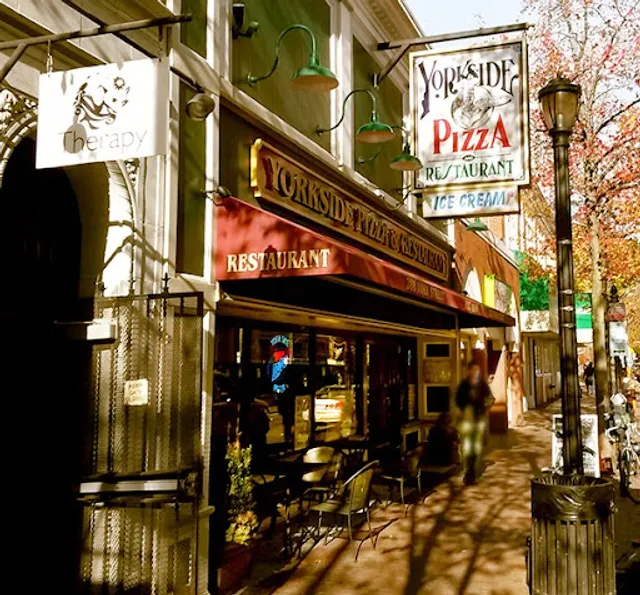
Yorkside Pizza & Restaurant
4.5
(513)
$
Closed
Click for details
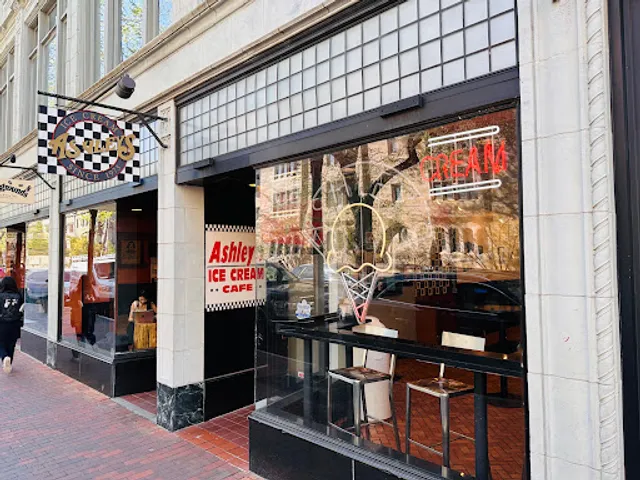
Ashley's Ice Cream
4.6
(251)
$
Closed
Click for details
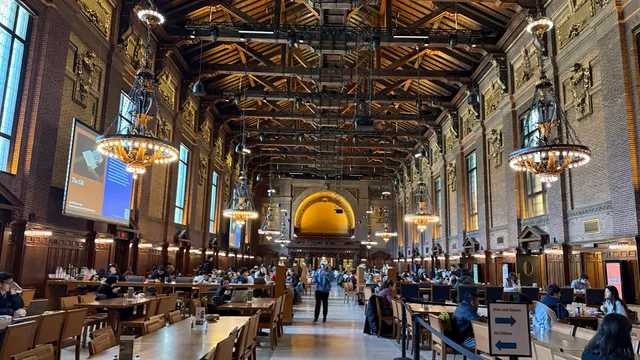
Yale University Commons Dining Hall
4.4
(29)
$
Open until 12:00 AM
Click for details
Nearby local services of Grove St Cemetery
The Yale Bookstore
Yale Law School
Apple New Haven
Sterling Memorial Library
Good Nature Market
New Haven Reads
Urban Outfitters
Escape New Haven
Payne Whitney Gymnasium
Morse College
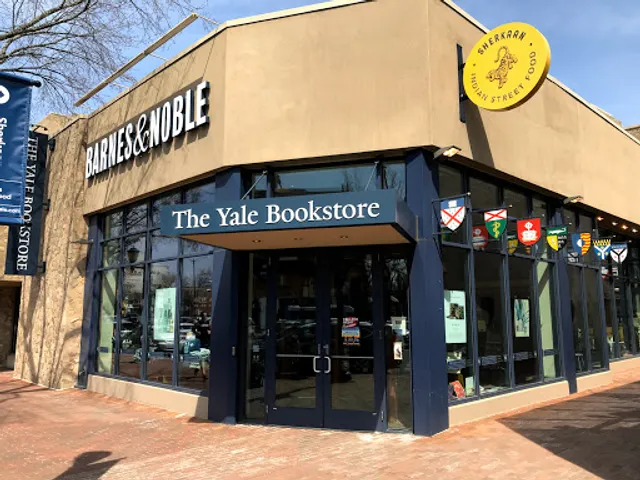
The Yale Bookstore
4.5
(831)
Click for details
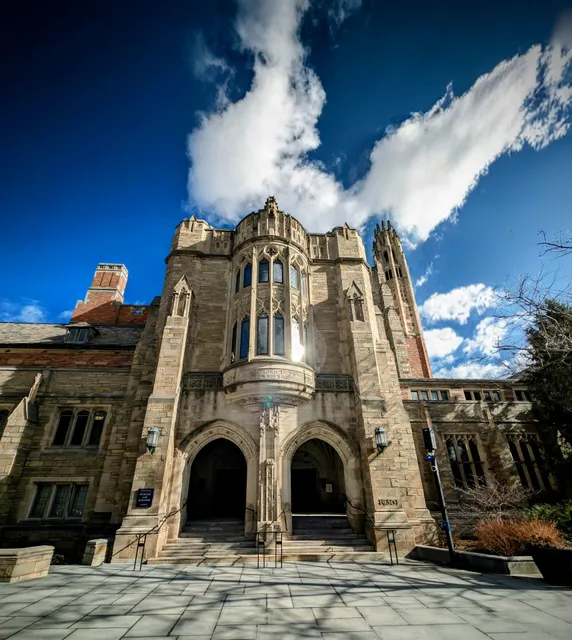
Yale Law School
4.4
(72)
Click for details
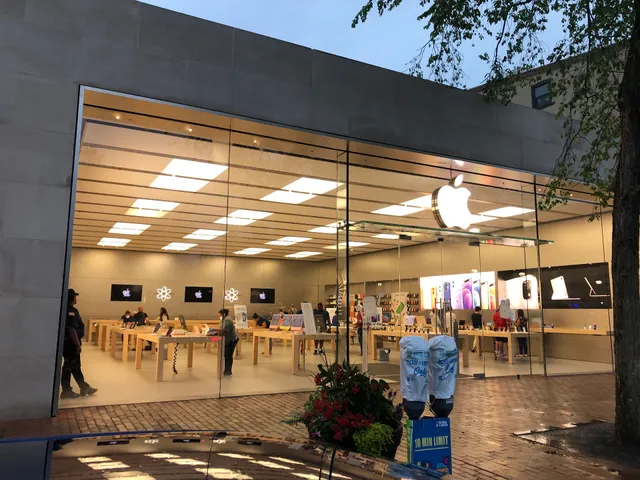
Apple New Haven
3.9
(525)
Click for details
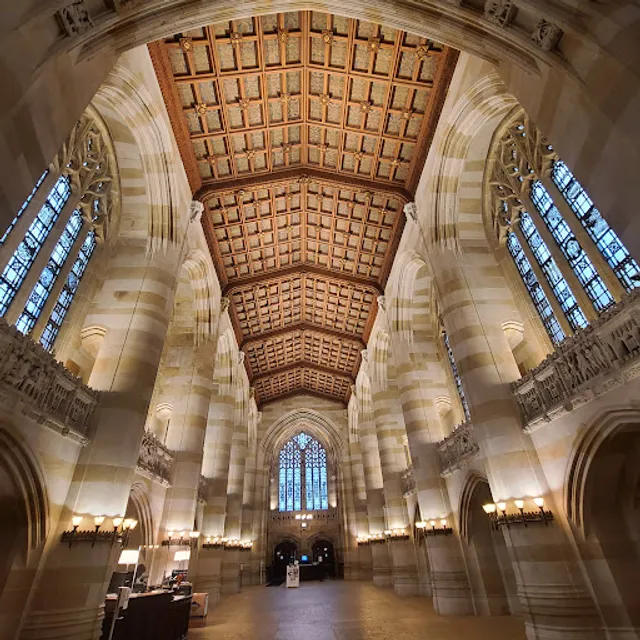
Sterling Memorial Library
4.8
(121)
Click for details