Ford Mansion things to do, attractions, restaurants, events info and trip planning
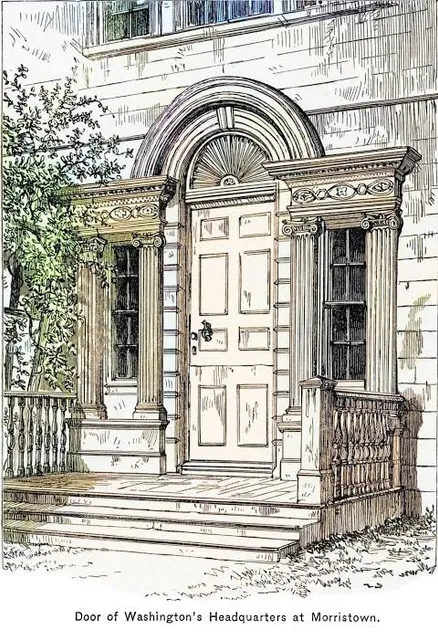
Basic Info
Ford Mansion
30 Washington Pl, Morristown, NJ 07960, United States
4.9(35)
Open until 12:00 AM
Save
spot
spot
Ratings & Description
Info
Cultural
Family friendly
Accessibility
attractions: Morristown National Historical Park, Washington's Headquarters Museum, George Washington Statue - Morristown Parks, Schuyler-Hamilton House Museum, Morris County Historical Society, Mayo Performing Arts Center (MPAC), George Gramby Memorial Park, Glassworks Studio, Magnusson Art Group, restaurants: Ridgedale Lunch, Rey Sol Coffee Roasters, Town Bar + Kitchen, Saigon Subs & Café, Malay Morristown, Pierogies House, Blue Morel Restaurant and Wine Bar, Millburn Deli, Pomodoro Ristorante & Pizzeria, Tasty & Go (Chinese Food), local businesses: Morristown National Historical Park, Alister Morristown, Platinum Home Improvements, Uma Flowers Cannabis Dispensary Morristown, evolvInk studios, Open Road Mazda of Morristown, Super Gold Convenience Cigar Smoke & Vape, Morristown, Fred Astaire Dance Studios, BMW of Morristown
 Learn more insights from Wanderboat AI.
Phone
+1 973-539-2016 ext. 210
Website
nps.gov
Open hoursSee all hours
MonClosedOpen
Plan your stay

Pet-friendly Hotels in Morristown
Find a cozy hotel nearby and make it a full experience.

Affordable Hotels in Morristown
Find a cozy hotel nearby and make it a full experience.

The Coolest Hotels You Haven't Heard Of (Yet)
Find a cozy hotel nearby and make it a full experience.

Trending Stays Worth the Hype in Morristown
Find a cozy hotel nearby and make it a full experience.
Reviews
Live events

Anime Drawing Class
Mon, Feb 23 • 3:30 PM
30 East Hanover Avenue Hanover, NJ 07981
View details

NJPQCA Mtg: Clinical Quality Oversight - Post-ICH E6(R3) Implementation
Tue, Feb 24 • 11:30 AM
1085 Galloping Hill Road Union, NJ 07083
View details

Vision Board & Vibes: A Night for Sisterhood & Strategy
Sat, Feb 28 • 5:00 PM
167 Lakeview Avenue Clifton, NJ 07011
View details
Nearby attractions of Ford Mansion
Morristown National Historical Park
Washington's Headquarters Museum
George Washington Statue - Morristown Parks
Schuyler-Hamilton House Museum
Morris County Historical Society
Mayo Performing Arts Center (MPAC)
George Gramby Memorial Park
Glassworks Studio
Magnusson Art Group
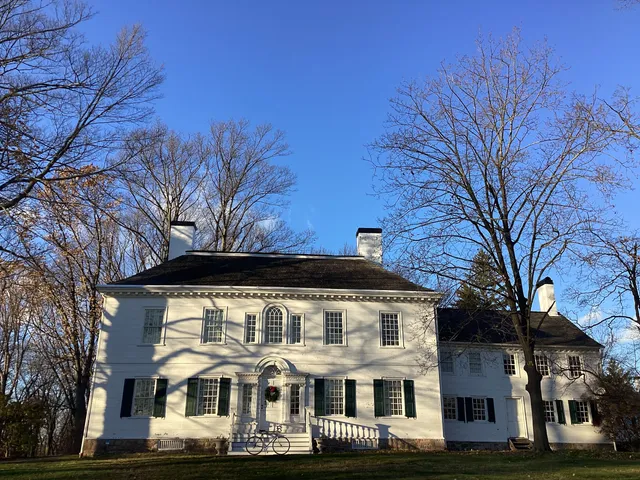
Morristown National Historical Park
4.6
(643)
Open until 12:00 AM
Click for details
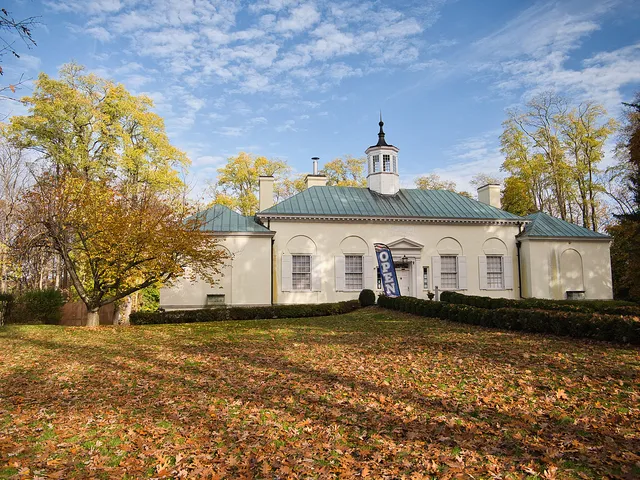
Washington's Headquarters Museum
4.8
(168)
Open until 12:00 AM
Click for details
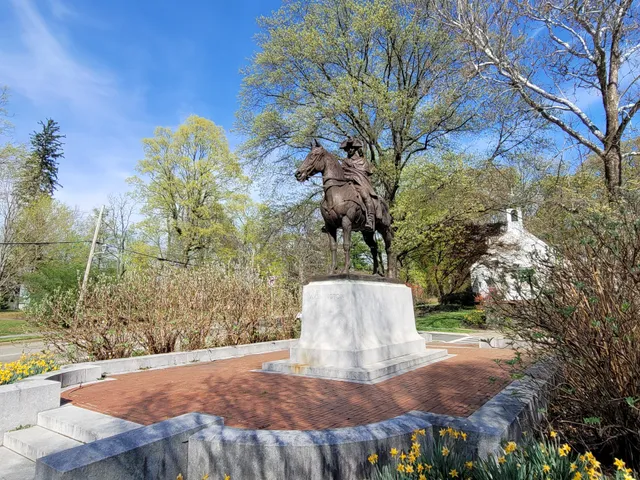
George Washington Statue - Morristown Parks
4.7
(14)
Open 24 hours
Click for details
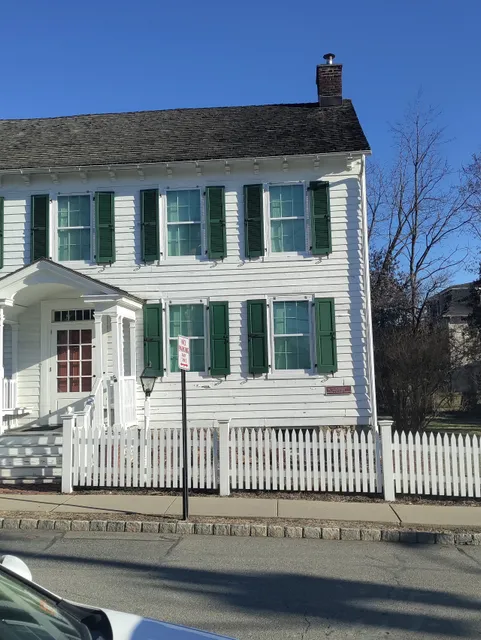
Schuyler-Hamilton House Museum
4.4
(19)
Open until 12:00 AM
Click for details
Nearby restaurants of Ford Mansion
Ridgedale Lunch
Rey Sol Coffee Roasters
Town Bar + Kitchen
Saigon Subs & Café
Malay Morristown
Pierogies House
Blue Morel Restaurant and Wine Bar
Millburn Deli
Pomodoro Ristorante & Pizzeria
Tasty & Go (Chinese Food)
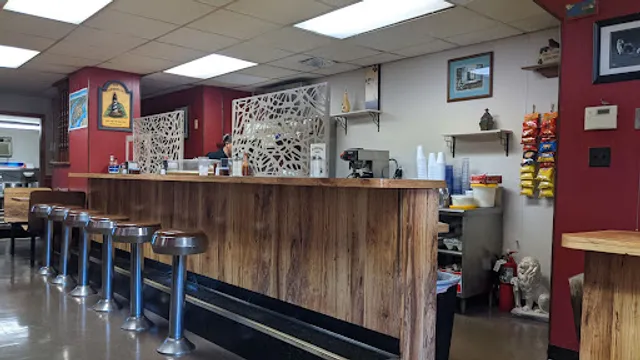
Ridgedale Lunch
4.6
(136)
$
Open until 3:00 PM
Click for details
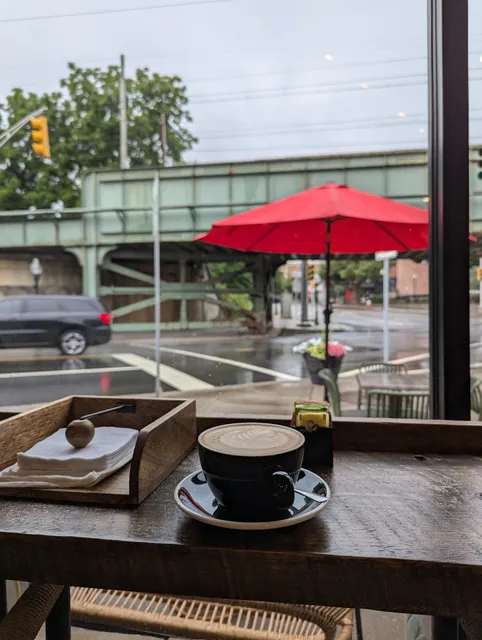
Rey Sol Coffee Roasters
4.6
(88)
$
Open until 5:00 PM
Click for details
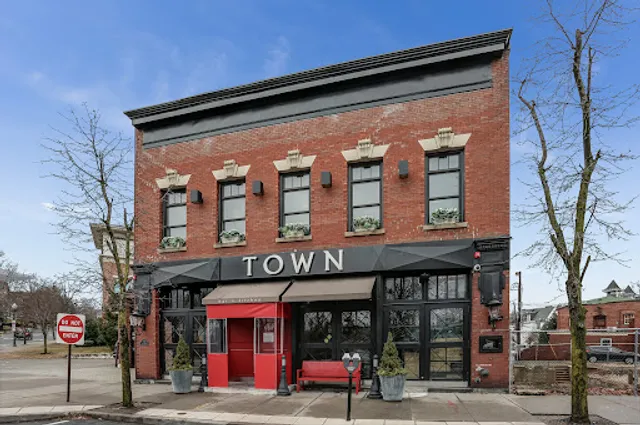
Town Bar + Kitchen
4.2
(314)
$$$
Open until 12:00 AM
Click for details
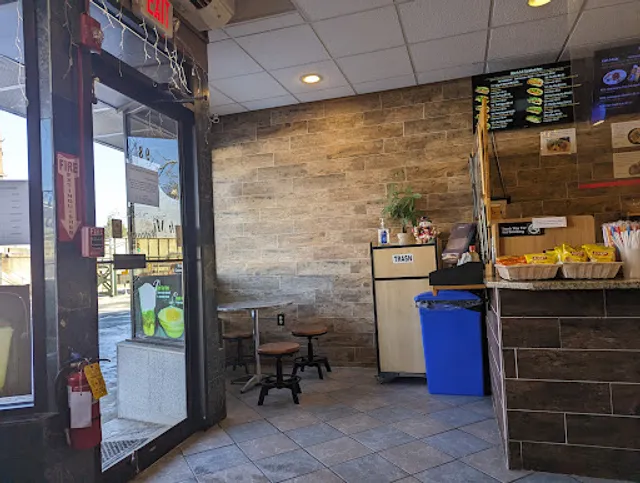
Saigon Subs & Café
4.8
(332)
$
Open until 12:00 AM
Click for details
Nearby local services of Ford Mansion
Morristown National Historical Park
Alister Morristown
Platinum Home Improvements
Uma Flowers Cannabis Dispensary Morristown
evolvInk studios
Open Road Mazda of Morristown
Super Gold Convenience Cigar Smoke & Vape
Morristown
Fred Astaire Dance Studios
BMW of Morristown
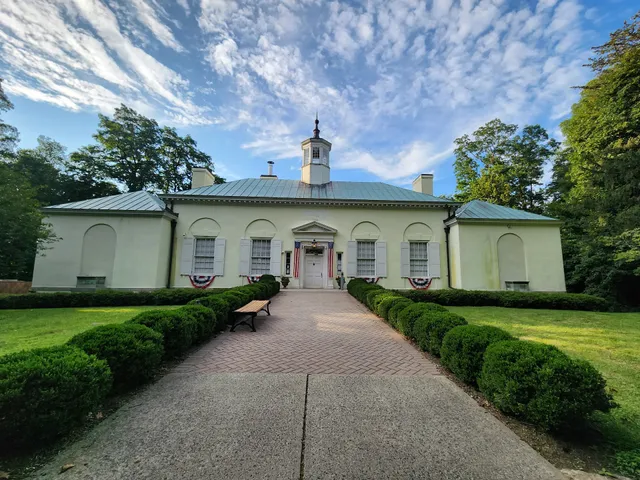
Morristown National Historical Park
4.8
(56)
Click for details

Alister Morristown
4.6
(70)
Click for details
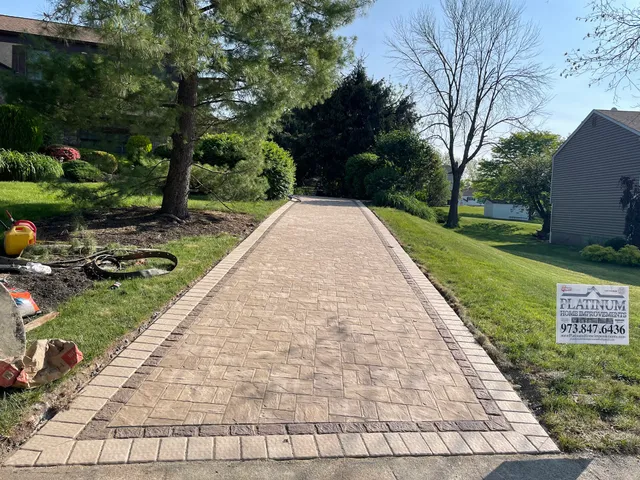
Platinum Home Improvements
5.0
(26)
Click for details
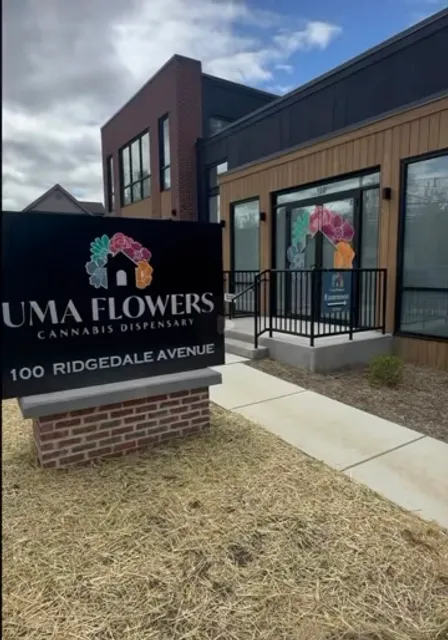
Uma Flowers Cannabis Dispensary Morristown
4.7
(199)
Click for details