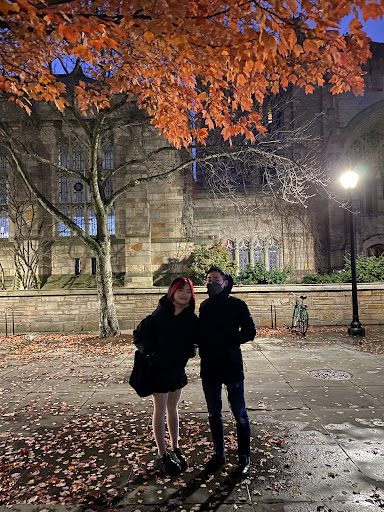
The Women's Table things to do, attractions, restaurants, events info and trip planning
Basic Info
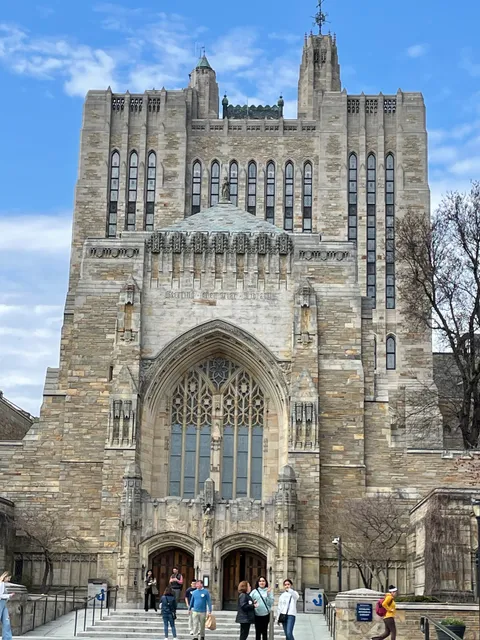
The Women's Table
175 Elm St, New Haven, CT 06511
4.9(15)
Open until 12:00 AM
Save
spot
spot
Ratings & Description
Info
Cultural
Scenic
attractions: Beinecke Rare Book and Manuscript Library, New Haven Green, Woolsey Hall, Yale University Art Gallery, The Mead Visitor Center, Harkness Tower, Morse Recital Hall, Whitney Humanities Center, Yale Center for British Art, Branford College, restaurants: Yorkside Pizza & Restaurant, Ashley's Ice Cream, Sherkaan Indian Street Food, Shah's Halal Food - New Haven, Junzi Kitchen 君子食堂耶鲁店 Yale University, New Haven CT|Healthy Authentic Chinese, Maison B Café, Be Berries Food Truck, The Place 2 Be, Pedals Smoothie and Juice Bar, Tomatillo, local businesses: Sterling Memorial Library, Yale Law School, United States Postal Service, The Yale Bookstore, Phil's Barber Shop, Good Nature Market, Apple New Haven, Grey Matter Books, Berkeley College, Urban Outfitters
 Learn more insights from Wanderboat AI.
Phone
+7 985 242-81-14
Open hoursSee all hours
FriOpen 24 hoursOpen
Plan your stay

Pet-friendly Hotels in New Haven
Find a cozy hotel nearby and make it a full experience.

Affordable Hotels in New Haven
Find a cozy hotel nearby and make it a full experience.

The Coolest Hotels You Haven't Heard Of (Yet)
Find a cozy hotel nearby and make it a full experience.

Trending Stays Worth the Hype in New Haven
Find a cozy hotel nearby and make it a full experience.
Reviews
Live events

Furniture Study Highlights Tour
Fri, Mar 6 • 12:30 PM
900 West Campus Drive West Haven, CT 06516
View details

Leprecon Bar Crawl: Connecticuts #1 St. Paddys Event
Sat, Feb 28 • 12:00 PM
216 Crown Street New Haven, CT 06510
View details

Powerful Voices Open Mic Show - Live Music, Comedy, Poetry+ More!
Thu, Mar 5 • 8:00 PM
Meriden Meriden, CT 06450
View details
Nearby attractions of The Women's Table
Beinecke Rare Book and Manuscript Library
New Haven Green
Woolsey Hall
Yale University Art Gallery
The Mead Visitor Center
Harkness Tower
Morse Recital Hall
Whitney Humanities Center
Yale Center for British Art
Branford College

Beinecke Rare Book and Manuscript Library
4.9
(170)
Closed
Click for details
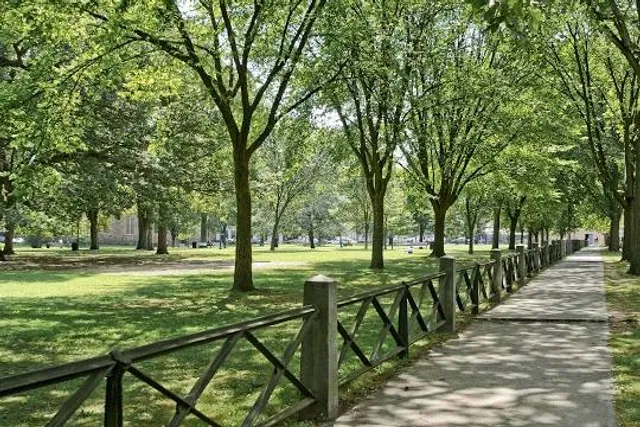
New Haven Green
4.1
(1.9K)
Open until 12:00 AM
Click for details
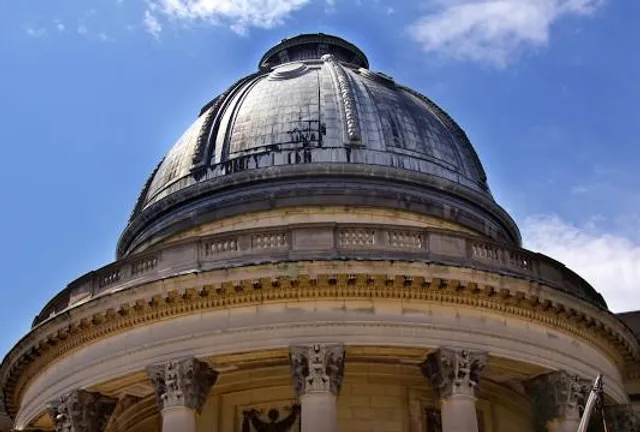
Woolsey Hall
4.7
(150)
Open 24 hours
Click for details

Yale University Art Gallery
4.8
(1.4K)
Closed
Click for details
Nearby restaurants of The Women's Table
Yorkside Pizza & Restaurant
Ashley's Ice Cream
Sherkaan Indian Street Food
Shah's Halal Food - New Haven
Junzi Kitchen 君子食堂耶鲁店 Yale University, New Haven CT|Healthy Authentic Chinese
Maison B Café
Be Berries Food Truck
The Place 2 Be
Pedals Smoothie and Juice Bar
Tomatillo
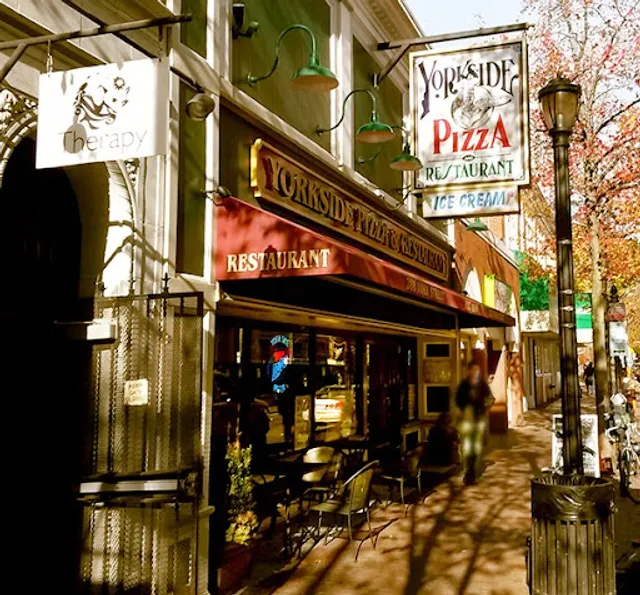
Yorkside Pizza & Restaurant
4.5
(530)
$
Open until 11:00 PM
Click for details
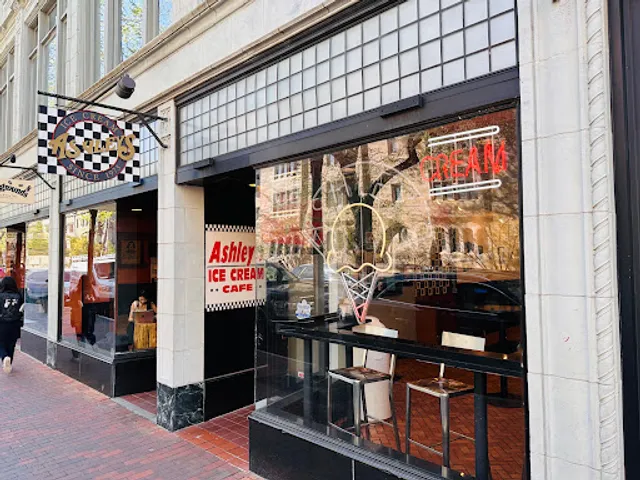
Ashley's Ice Cream
4.6
(254)
$
Open until 10:00 PM
Click for details
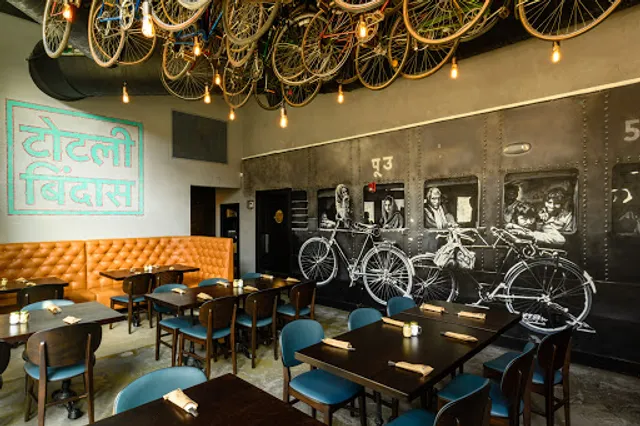
Sherkaan Indian Street Food
4.3
(591)
$$
Open until 10:00 PM
Click for details
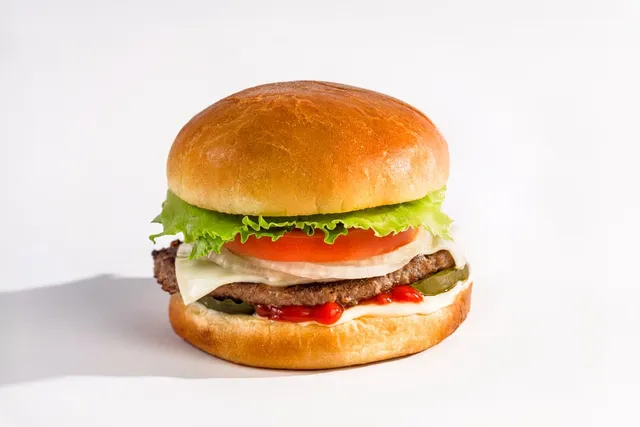
Shah's Halal Food - New Haven
4.8
(116)
$
Open until 3:00 AM
Click for details
Nearby local services of The Women's Table
Sterling Memorial Library
Yale Law School
United States Postal Service
The Yale Bookstore
Phil's Barber Shop
Good Nature Market
Apple New Haven
Grey Matter Books
Berkeley College
Urban Outfitters
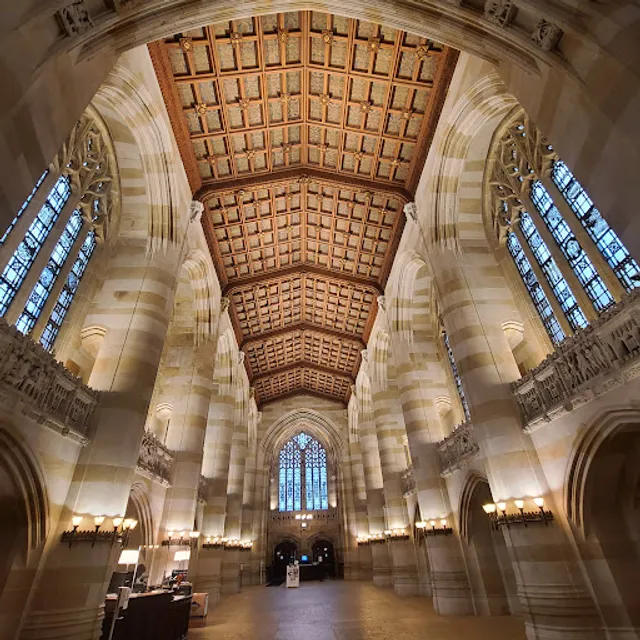
Sterling Memorial Library
4.8
(124)
Click for details
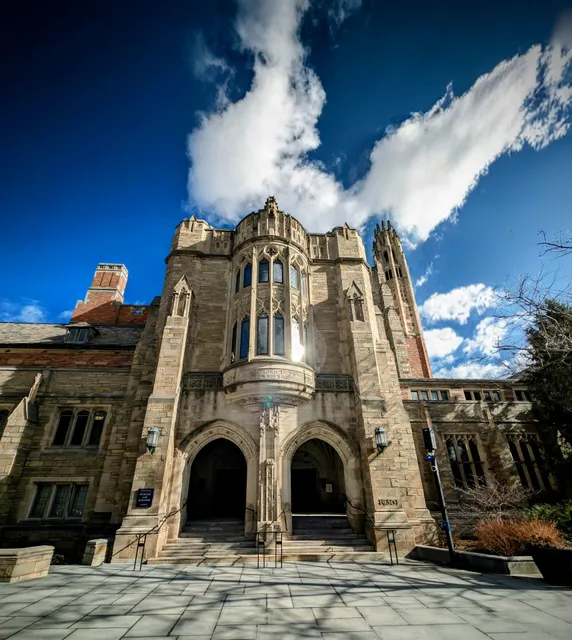
Yale Law School
4.4
(70)
Click for details

United States Postal Service
2.3
(119)
Click for details
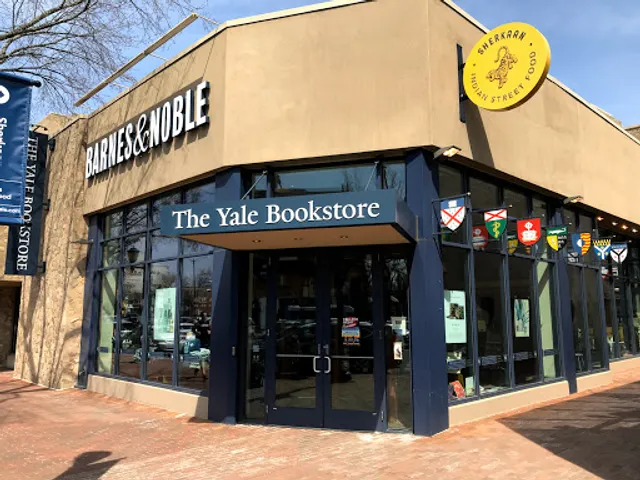
The Yale Bookstore
4.5
(847)
Click for details