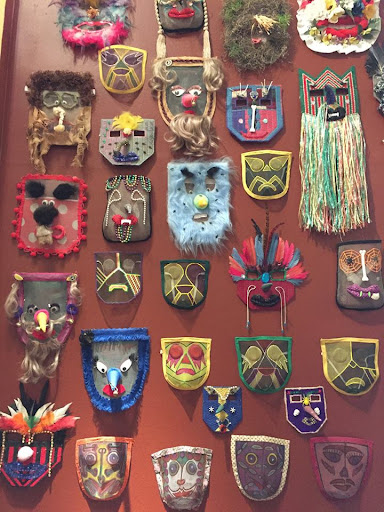
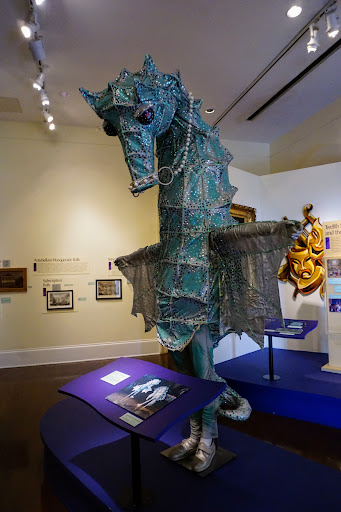
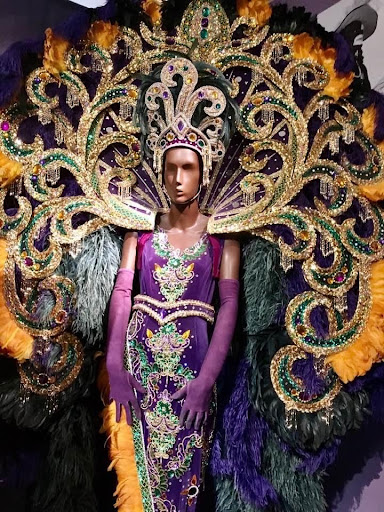
The Presbytère things to do, attractions, restaurants, events info and trip planning
Basic Info
The Presbytère
751 Chartres St, New Orleans, LA 70116, United States
4.6(388)
Closed


tickets
Save
spot
spot
Ratings & Description
Info
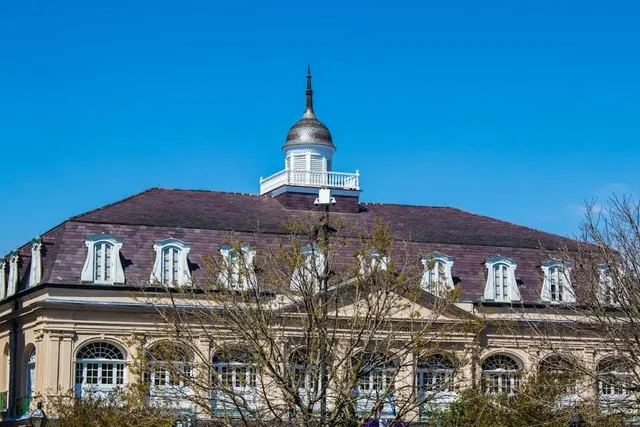
The Presbytère is an architecturally important building in the French Quarter of New Orleans, Louisiana. It stands facing Jackson Square, adjacent to the St. Louis Cathedral.
Cultural
Family friendly
Accessibility
attractions: Jackson Square, St. Louis Cathedral, Voodoo Authentica Inc, The Cabildo Museum, Marie Laveau's House Of Voodoo, New Orleans Historic Voodoo Museum, Central Grocery and Deli, 1850 House Museum & Gift Shop, Dark Matter Oddities & Artisan Collective, Le Petit Theatre, restaurants: Muriel's Jackson Square, Cafe Du Monde, Stanley of New Orleans, Gumbo Shop, Pat O'Brien's, Tableau by Dickie Brennan & Co., Waffle Time, Monty's on the Square, New Orleans Vampire Cafe, Pirate's Alley Cafe, local businesses: Faulkner House Books, Cajun Encounters Tours, Thrive NOLA Spa, Boutique Du Vampyre, Reverend Zombie's House Of Voodoo, Gray Line New Orleans, Salon Diversions, Shops of the Upper Pontalba - French Market, Hemline French Quarter, Rouses Market
 Learn more insights from Wanderboat AI.
Phone
+1 504-568-6968
Website
louisianastatemuseum.org
Open hoursSee all hours
Sun9 a.m. - 4 p.m.Closed
Plan your stay

Pet-friendly Hotels in New Orleans
Find a cozy hotel nearby and make it a full experience.

Affordable Hotels in New Orleans
Find a cozy hotel nearby and make it a full experience.

The Coolest Hotels You Haven't Heard Of (Yet)
Find a cozy hotel nearby and make it a full experience.

Trending Stays Worth the Hype in New Orleans
Find a cozy hotel nearby and make it a full experience.
Reviews
Live events
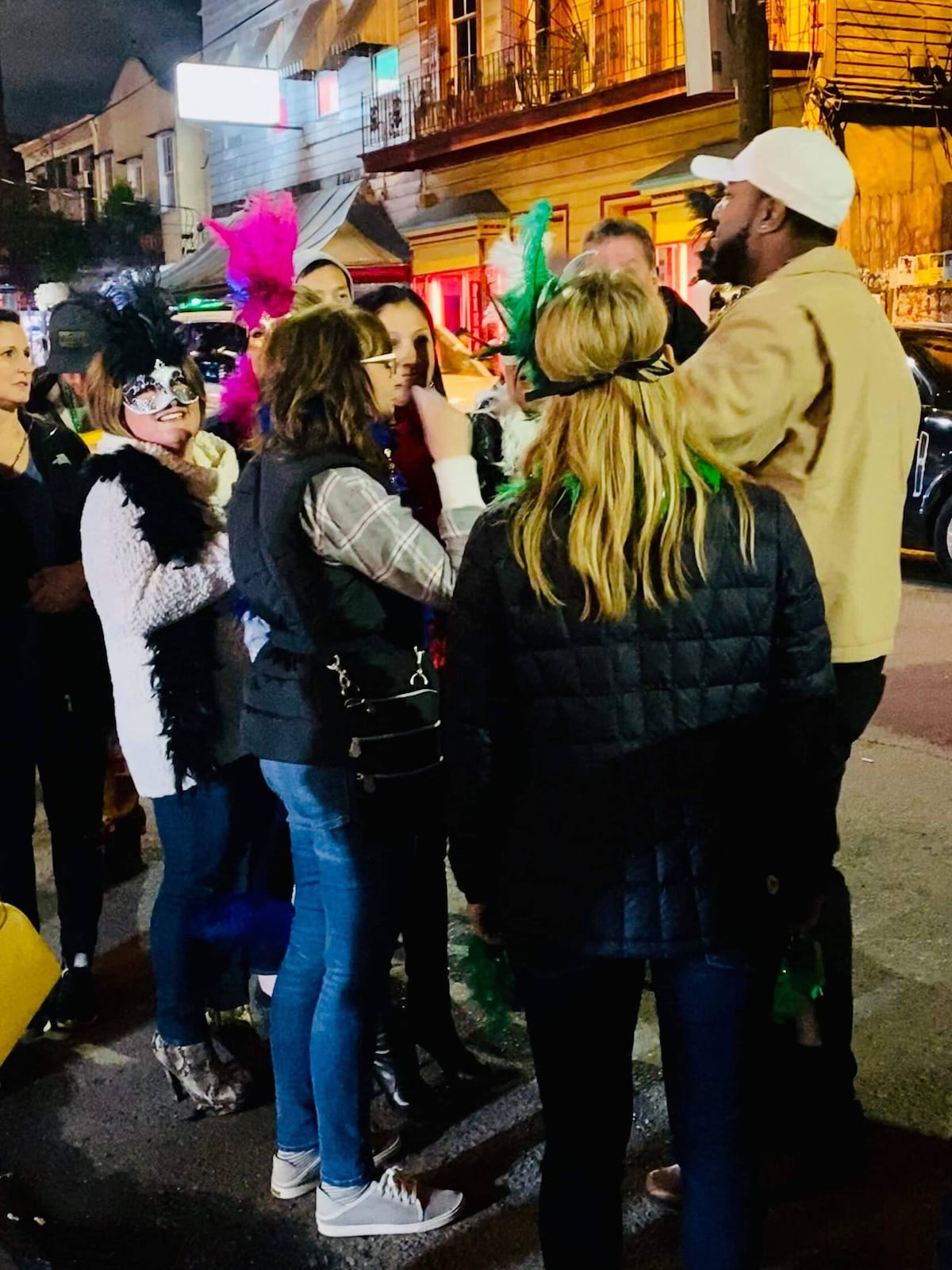
Ghost Tour and Haunted Pub Crawl Party
Sun, Feb 15 • 5:00 PM
New Orleans, Louisiana, 70116
View details

Daily Bread
Sat, Feb 14 • 9:00 PM
828 S Peters St New Orleans, LA 70130
View details

Crescent City Coin Club – Meeting
Thu, Feb 19 • 7:00 PM
3310 Florida Avenue Kenner, LA 70065
View details
Nearby attractions of The Presbytère
Jackson Square
St. Louis Cathedral
Voodoo Authentica Inc
The Cabildo Museum
Marie Laveau's House Of Voodoo
New Orleans Historic Voodoo Museum
Central Grocery and Deli
1850 House Museum & Gift Shop
Dark Matter Oddities & Artisan Collective
Le Petit Theatre
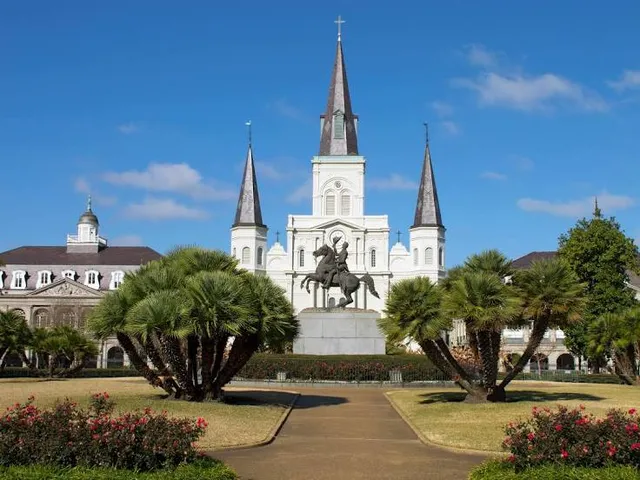
Jackson Square
4.7
(10.7K)
Closed
Click for details
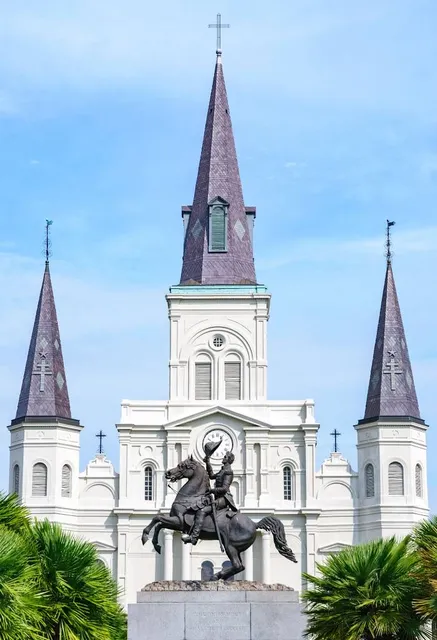
St. Louis Cathedral
4.8
(2.2K)
Closed
Click for details
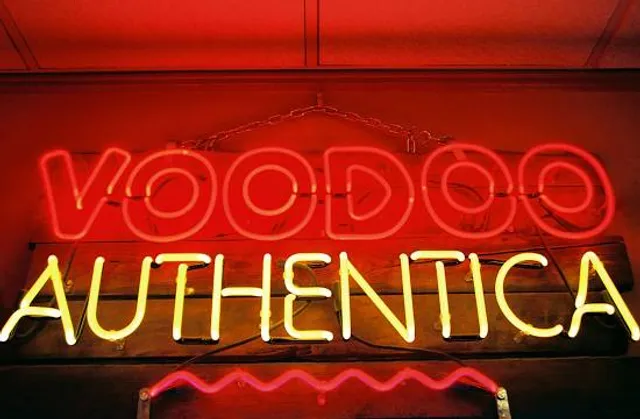
Voodoo Authentica Inc
4.6
(805)
Closed
Click for details

The Cabildo Museum
4.5
(323)
Closed
Click for details
Nearby restaurants of The Presbytère
Muriel's Jackson Square
Cafe Du Monde
Stanley of New Orleans
Gumbo Shop
Pat O'Brien's
Tableau by Dickie Brennan & Co.
Waffle Time
Monty's on the Square
New Orleans Vampire Cafe
Pirate's Alley Cafe
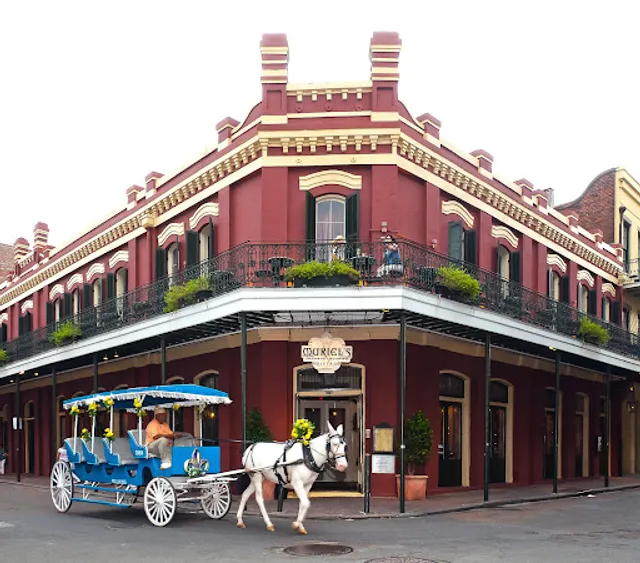
Muriel's Jackson Square
4.6
(2.2K)
$$$
Closed
Click for details
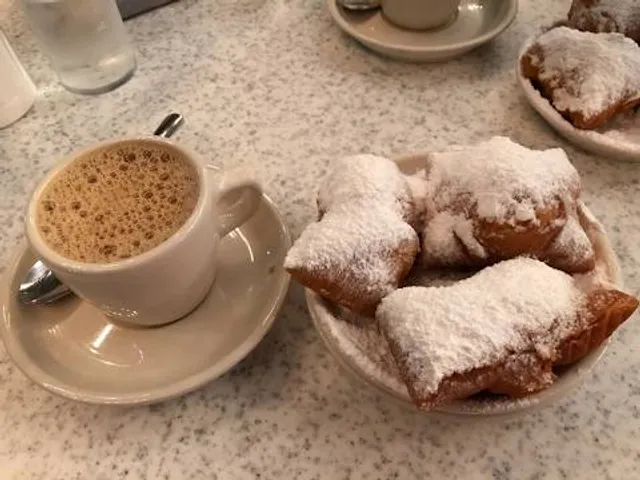
Cafe Du Monde
4.5
(15.4K)
$
Closed
Click for details
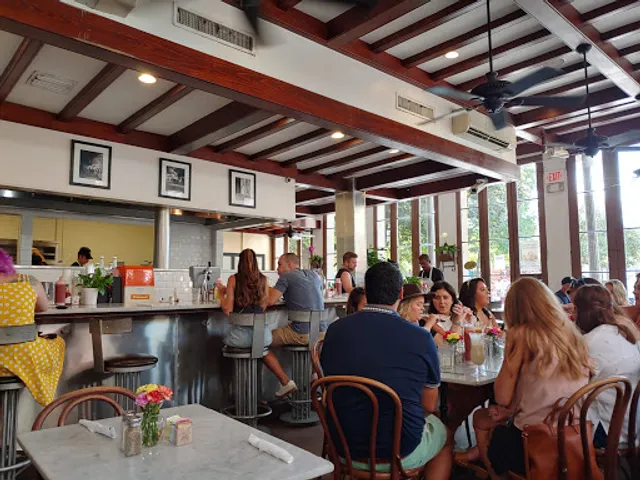
Stanley of New Orleans
4.4
(1.3K)
$
Closed
Click for details
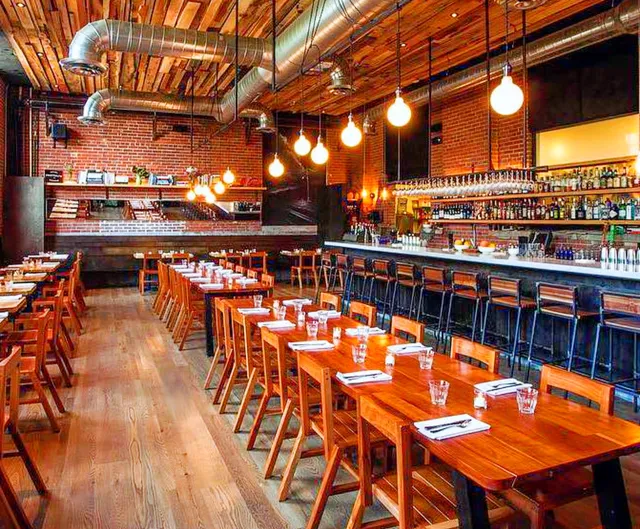
Gumbo Shop
4.4
(4K)
$$
Closed
Click for details
Nearby local services of The Presbytère
Faulkner House Books
Cajun Encounters Tours
Thrive NOLA Spa
Boutique Du Vampyre
Reverend Zombie's House Of Voodoo
Gray Line New Orleans
Salon Diversions
Shops of the Upper Pontalba - French Market
Hemline French Quarter
Rouses Market
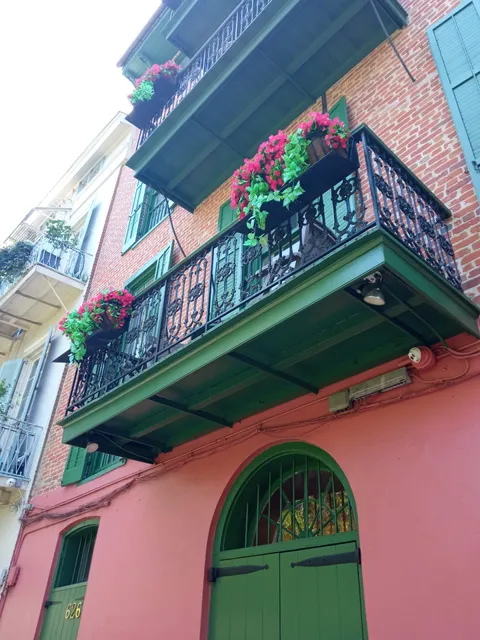
Faulkner House Books
4.7
(285)
Click for details

Cajun Encounters Tours
4.9
(3.6K)
Click for details
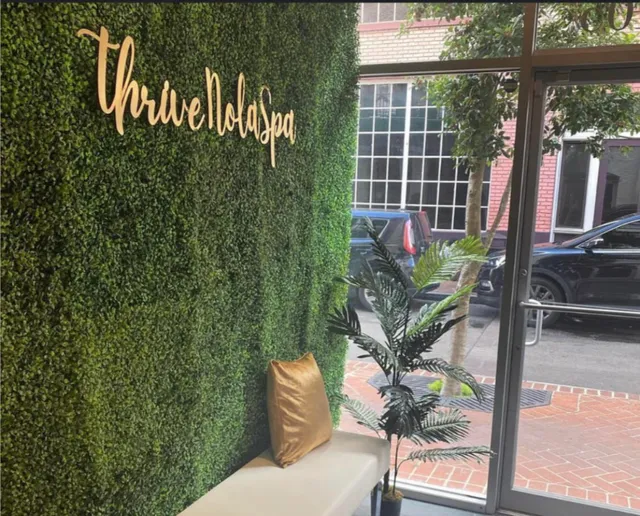
Thrive NOLA Spa
4.9
(608)
Click for details
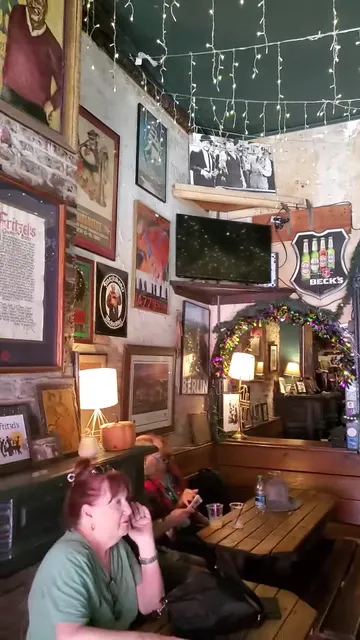
Boutique Du Vampyre
4.6
(353)
Click for details


The hit list


Plan your trip with Wanderboat
Welcome to Wanderboat AI, your AI search for local Eats and Fun, designed to help you explore your city and the world with ease.
Powered by Wanderboat AI trip planner.