Smallpox Memorial Hospital things to do, attractions, restaurants, events info and trip planning
Basic Info
Smallpox Memorial Hospital
E Rd, New York, NY 10044, United States
4.5(331)
Open until 12:00 AM
Save
spot
spot
Ratings & Description
Info
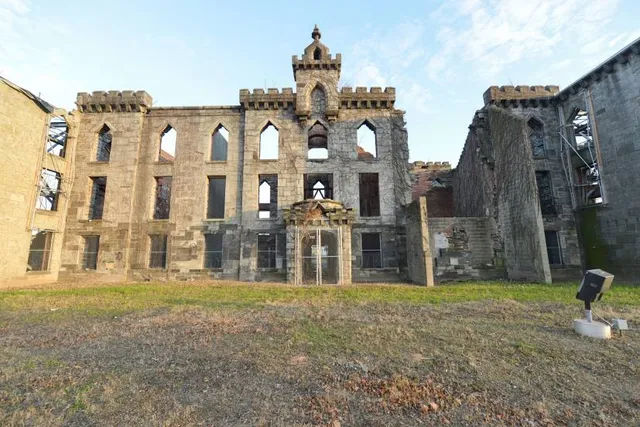
The Smallpox Hospital, sometimes referred to as the Renwick Smallpox Hospital and later the Maternity and Charity Hospital Training School, was a hospital located on Roosevelt Island in Manhattan, New York City.
Cultural
Scenic
Adventure
attractions: Southpoint Park, Franklin D. Roosevelt Four Freedoms State Park, The Room, Pepsi Cola Sign, Peter Detmold Park, Franklin Delano Roosevelt Statue, Sutton Place Park South, Roosevelt Island, Green Space, East River Esplanade, restaurants: Blend on the Water, Anable Basin Sailing Bar & Grill, Maiella, Ophelia Lounge NYC, The Cafe at Cornell Tech, Sweetleaf Coffee & Cocktail Bar, Water's Edge, SHI, Copinette, Nino's Restaurant, local businesses: Wildlife Freedom Foundation, FDR Hope Memorial, Freedom Park, Public Restroom, Strecker Memorial Laboratory / CBG 603, Gantry Plaza State Park, Long Island City, LUXLUF Event Flowers NYC, Sound River Studios, Consulate General of the Arab Republic of Egypt in New York
 Learn more insights from Wanderboat AI.
Website
theruin.org
Open hoursSee all hours
TueClosedOpen
Plan your stay

Pet-friendly Hotels in New York
Find a cozy hotel nearby and make it a full experience.

Affordable Hotels in New York
Find a cozy hotel nearby and make it a full experience.

The Coolest Hotels You Haven't Heard Of (Yet)
Find a cozy hotel nearby and make it a full experience.

Trending Stays Worth the Hype in New York
Find a cozy hotel nearby and make it a full experience.
Reviews
Live events
ARTE MUSEUM: An Immersive Media Art Exhibition
Tue, Feb 17 • 10:00 AM
61 Chelsea Piers, New York, 10011
View details
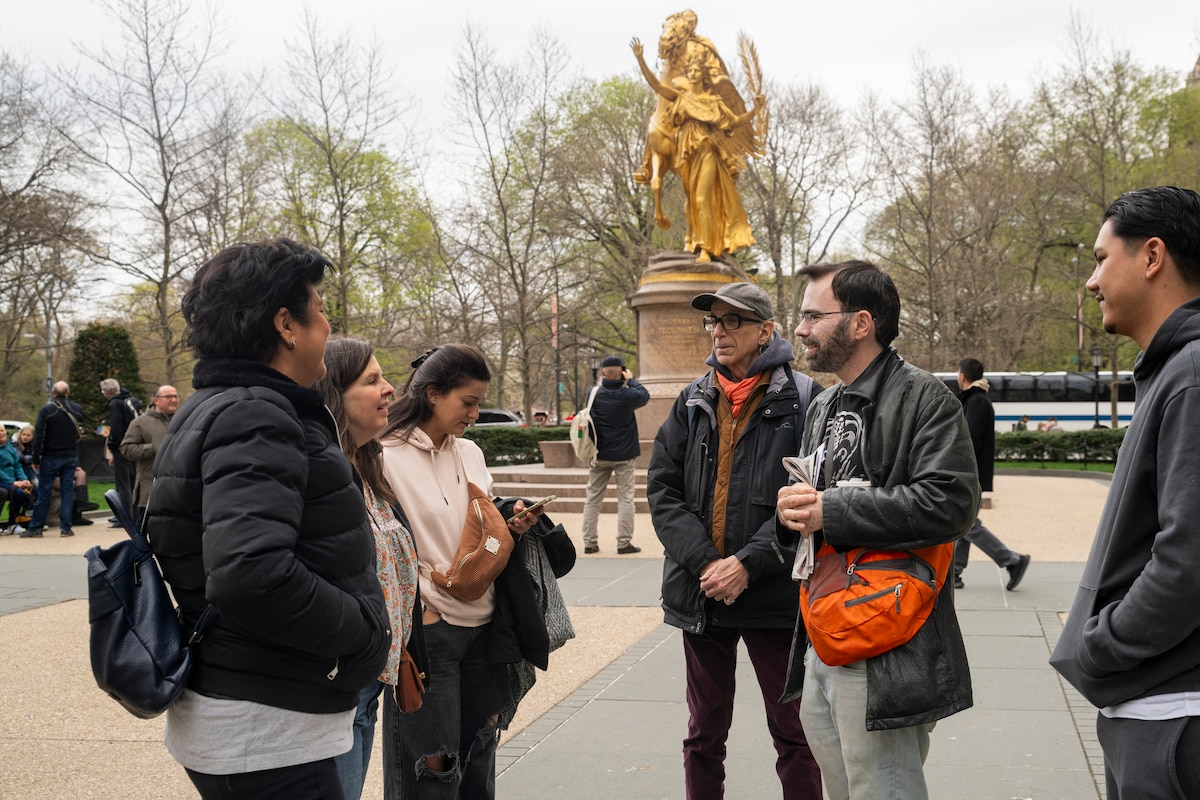
The Full-Day See It All NYC Tour
Tue, Feb 17 • 10:30 AM
New York, New York, 10019
View details

GHBC Presents: Coleman Williams (IV) & Lightnin Luke!
Tue, Feb 17 • 7:00 PM
321 River Road #6 Clifton, NJ 07014
View details
Nearby attractions of Smallpox Memorial Hospital
Southpoint Park
Franklin D. Roosevelt Four Freedoms State Park
The Room
Pepsi Cola Sign
Peter Detmold Park
Franklin Delano Roosevelt Statue
Sutton Place Park South
Roosevelt Island
Green Space
East River Esplanade
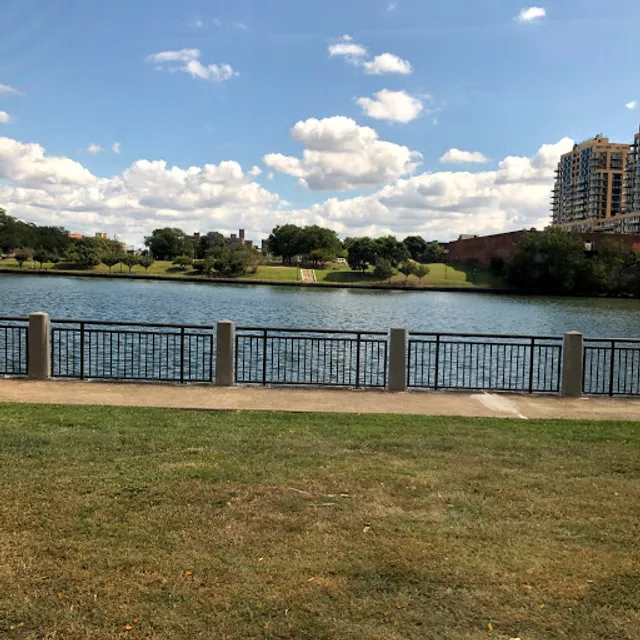
Southpoint Park
4.7
(137)
Open 24 hours
Click for details

Franklin D. Roosevelt Four Freedoms State Park
4.7
(53)
Closed
Click for details
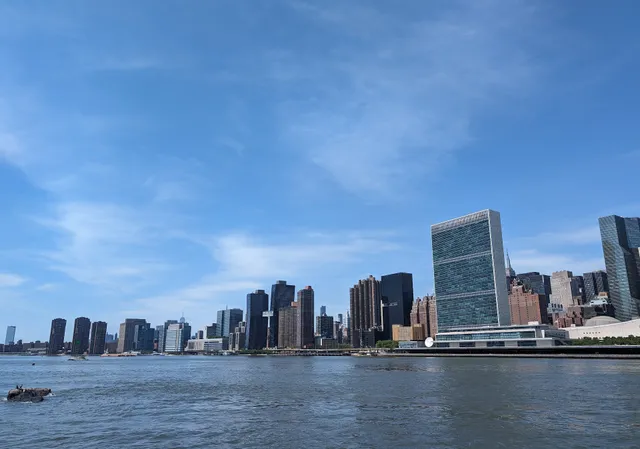
The Room
4.8
(54)
Open until 5:00 PM
Click for details
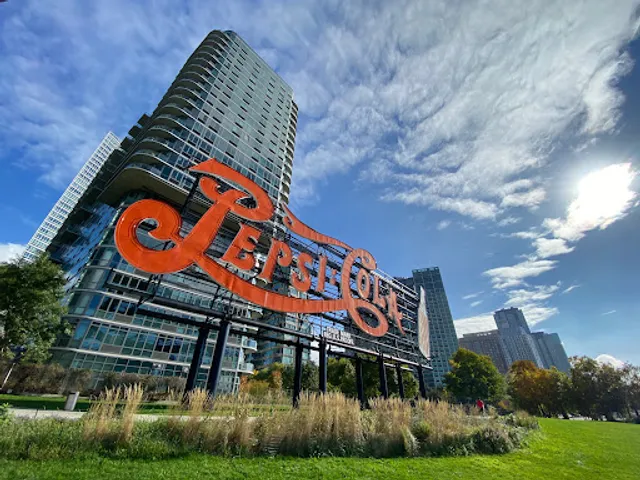
Pepsi Cola Sign
4.7
(761)
Open until 12:30 AM
Click for details
Nearby restaurants of Smallpox Memorial Hospital
Blend on the Water
Anable Basin Sailing Bar & Grill
Maiella
Ophelia Lounge NYC
The Cafe at Cornell Tech
Sweetleaf Coffee & Cocktail Bar
Water's Edge
SHI
Copinette
Nino's Restaurant

Blend on the Water
4.2
(2.6K)
$$$$
Open until 10:30 PM
Click for details
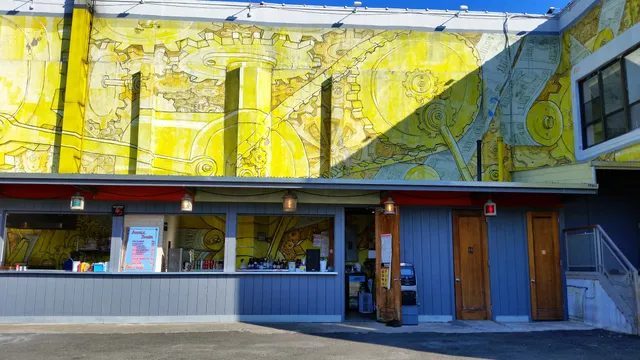
Anable Basin Sailing Bar & Grill
4.6
(700)
$$
Click for details
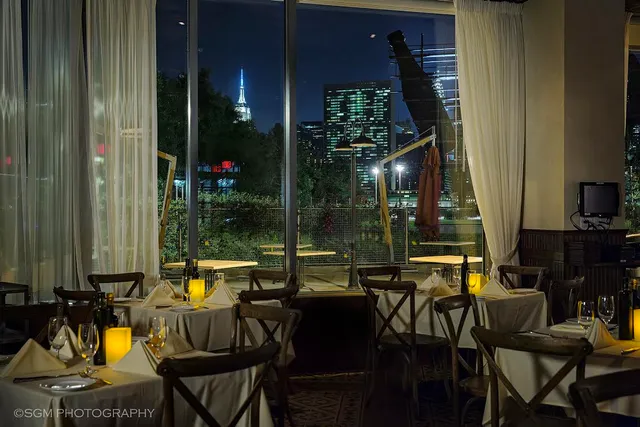
Maiella
4.4
(898)
$$$
Closed
Click for details
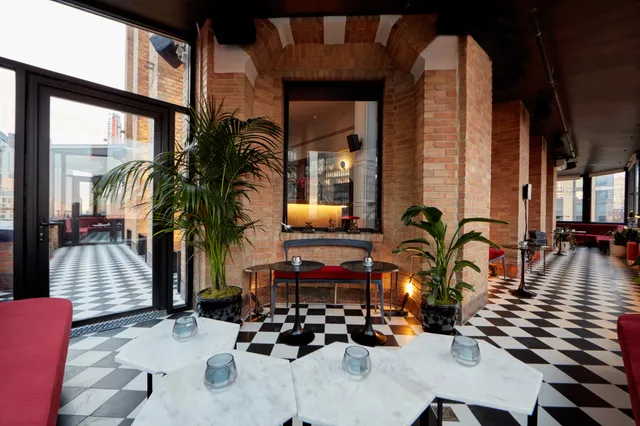
Ophelia Lounge NYC
4.4
(1.0K)
$$$$
Closed
Click for details
Nearby local services of Smallpox Memorial Hospital
Wildlife Freedom Foundation
FDR Hope Memorial
Freedom Park
Public Restroom
Strecker Memorial Laboratory / CBG 603
Gantry Plaza State Park
Long Island City
LUXLUF Event Flowers NYC
Sound River Studios
Consulate General of the Arab Republic of Egypt in New York
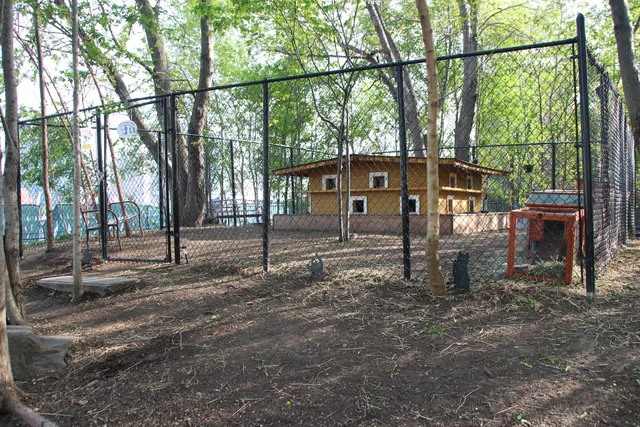
Wildlife Freedom Foundation
4.3
(40)
Click for details
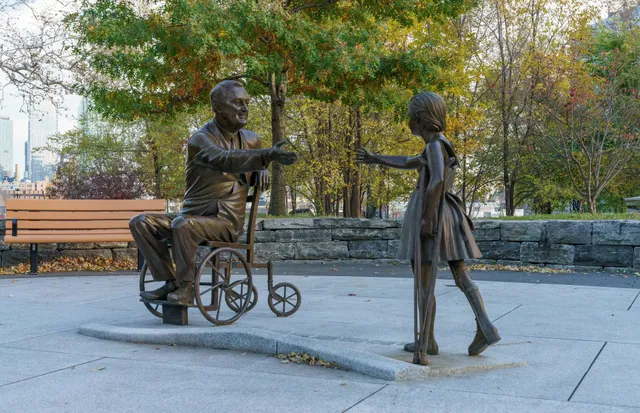
FDR Hope Memorial
4.7
(35)
Click for details

Freedom Park
4.5
(77)
Click for details
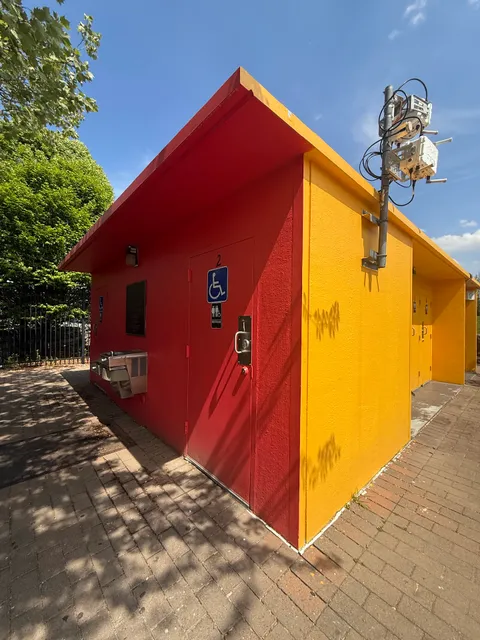
Public Restroom
4.3
(31)
Click for details