The Obelisk things to do, attractions, restaurants, events info and trip planning
Basic Info
The Obelisk
E 81st St, New York, NY 10024
4.7(392)
Closed
Save
spot
spot
Ratings & Description
Info
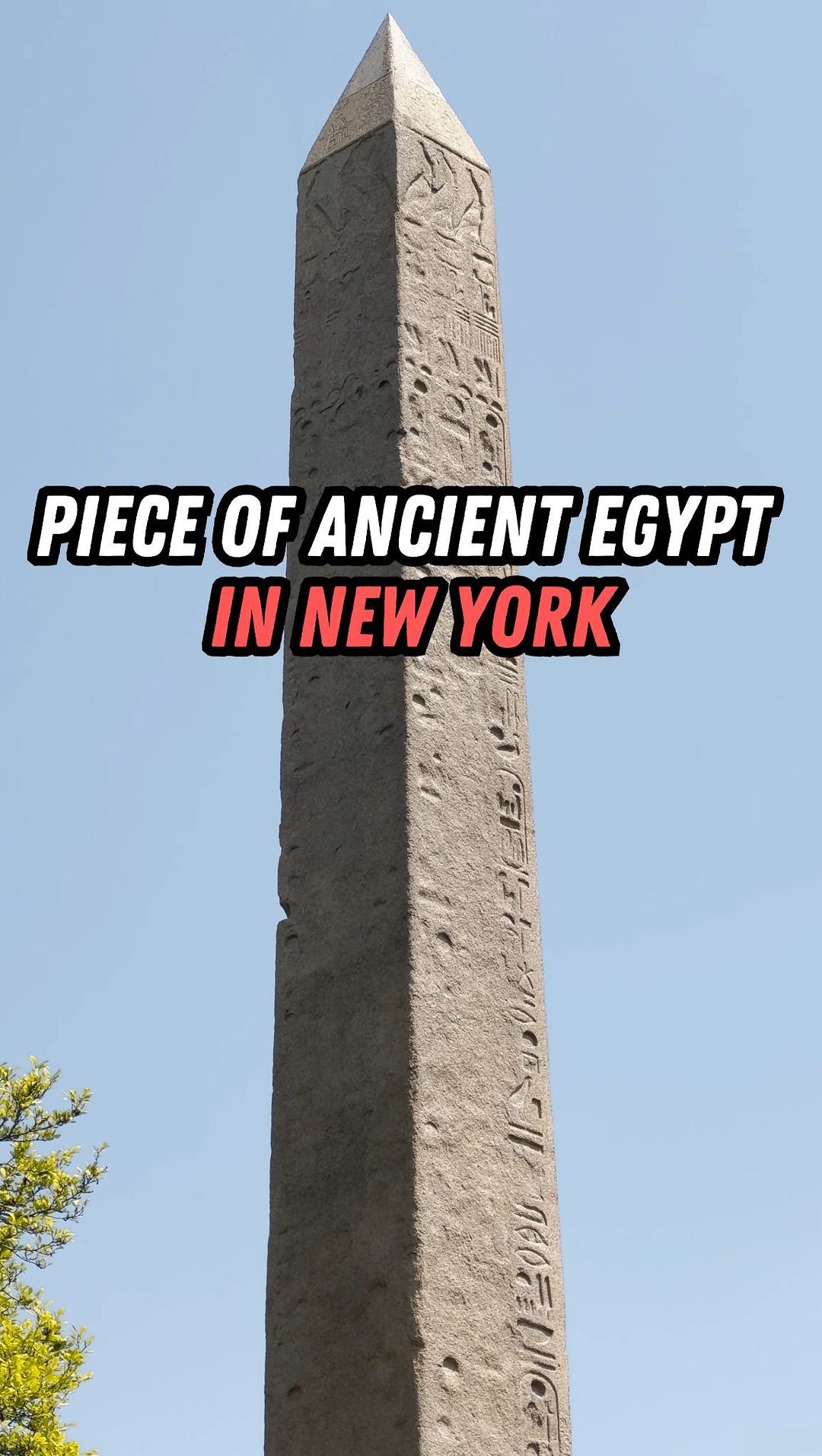
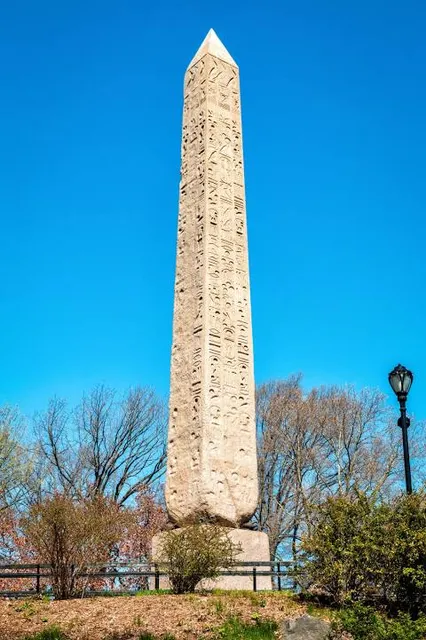
Cleopatra's Needle in New York City is one of a pair of obelisks, together named Cleopatra's Needles, that were moved from the ruins of the Caesareum of Alexandria, Egypt, in the 19th century.
Cultural
Scenic
attractions: The Metropolitan Museum of Art, Central Park, Belvedere Castle, The Great Lawn, Delacorte Theater, The Central Park Turtle Pond, Alexander Hamilton Monument, Cedar Hill, Temple of Dendur, Neue Galerie New York, restaurants: Petrie Court Café, The Cantor Roof Garden Bar, Serafina Fabulous Pizza 79th (UES), Sistina, E.A.T., The Great Hall Balcony Cafe, Nectar, Balcony Lounge, William Greenberg Desserts, Mykonian House - Authentic Greek Restaurant, local businesses: The Great Lawn, Cedar Hill, The Hot Dog King, Turtle Pond, Hessel Museum of Art, Albertine, The Met Store, met museum,new york, LAZ Parking - Metropolitan Museum of Art, Lenox Hill Radiology | East 77th Street
 Learn more insights from Wanderboat AI.
Phone
(212) 310-6600
Website
centralparknyc.org
Open hoursSee all hours
Sat6 AM - 1 AMClosed
Plan your stay

Pet-friendly Hotels in New York
Find a cozy hotel nearby and make it a full experience.

Affordable Hotels in New York
Find a cozy hotel nearby and make it a full experience.

The Coolest Hotels You Haven't Heard Of (Yet)
Find a cozy hotel nearby and make it a full experience.

Trending Stays Worth the Hype in New York
Find a cozy hotel nearby and make it a full experience.
Reviews
Live events

My Health is My Wealth Ownership Conference
Fri, Feb 27 • 9:00 AM
559 Tuckahoe Road Yonkers, NY 10710
View details

A Minority Wellness Event by Dank Diamonds
Sat, Feb 28 • 2:00 PM
51 Austin Street Newark, NJ 07114
View details

Vision Board & Vibes: A Night for Sisterhood & Strategy
Sat, Feb 28 • 5:00 PM
167 Lakeview Avenue Clifton, NJ 07011
View details
Nearby attractions of The Obelisk
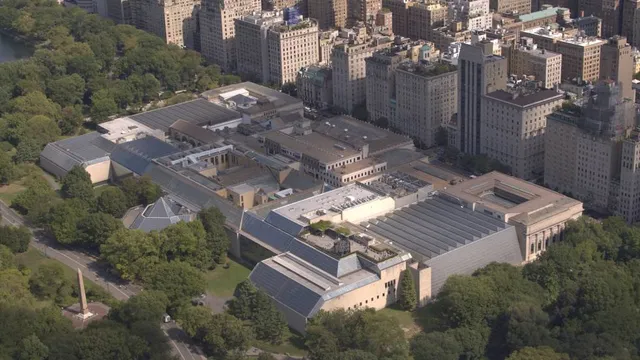
The Metropolitan Museum of Art
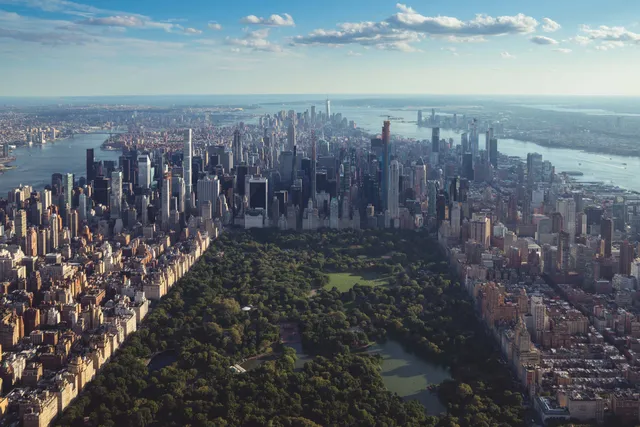
Central Park
Belvedere Castle
The Great Lawn
Delacorte Theater
The Central Park Turtle Pond
Alexander Hamilton Monument
Cedar Hill
Temple of Dendur
Neue Galerie New York
The Metropolitan Museum of Art
4.8
(29.5K)
Closed
Click for details
Central Park
4.8
(92.3K)
Closed
Click for details
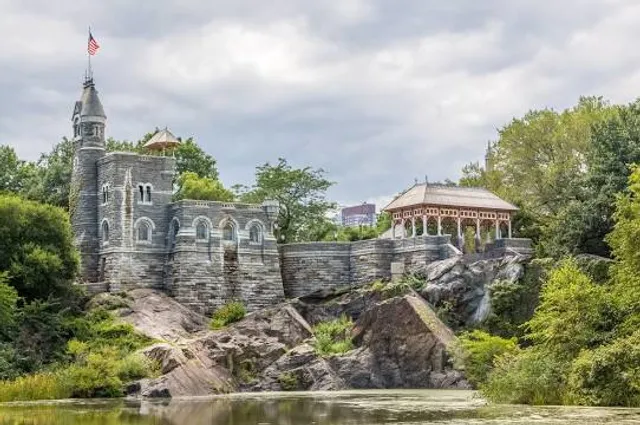
Belvedere Castle
4.5
(3K)
Closed
Click for details
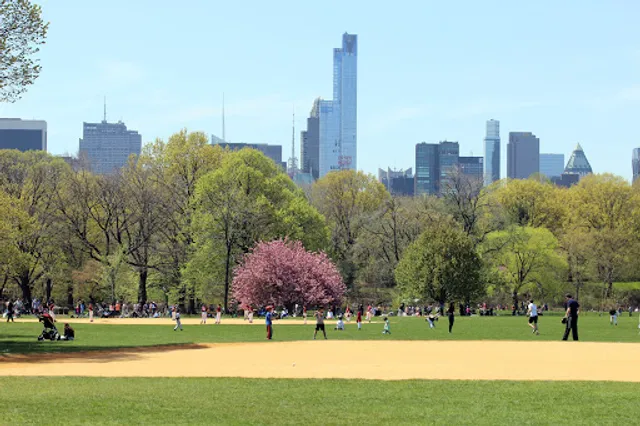
The Great Lawn
4.8
(1.0K)
Closed
Click for details
Nearby restaurants of The Obelisk
Petrie Court Café
The Cantor Roof Garden Bar
Serafina Fabulous Pizza 79th (UES)
Sistina
E.A.T.
The Great Hall Balcony Cafe
Nectar
Balcony Lounge
William Greenberg Desserts
Mykonian House - Authentic Greek Restaurant
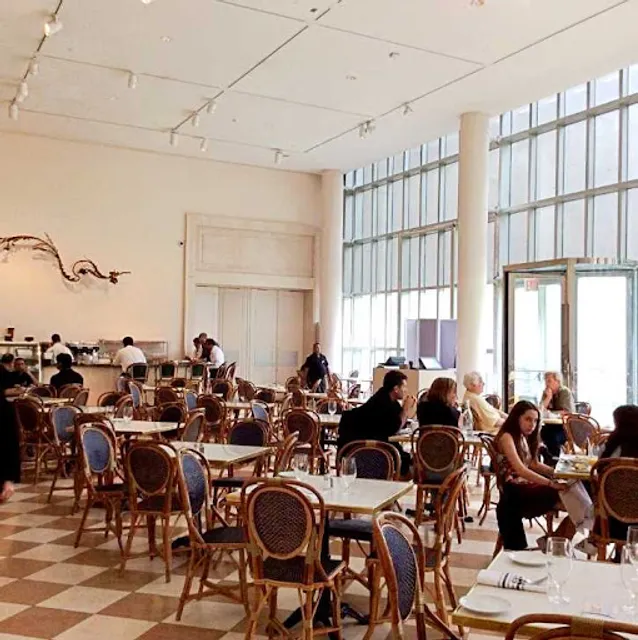
Petrie Court Café
2.8
(116)
$
Closed
Click for details
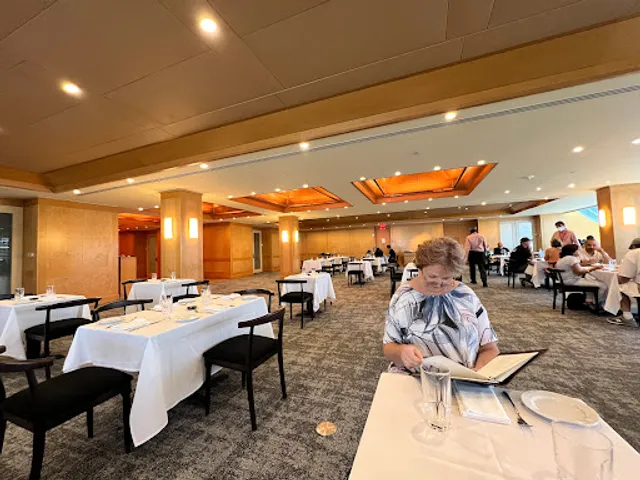
The Cantor Roof Garden Bar
4.1
(77)
$
Click for details
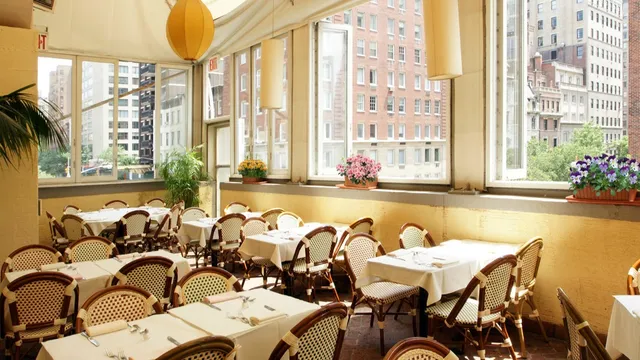
Serafina Fabulous Pizza 79th (UES)
4.3
(1.3K)
$$
Closed
Click for details
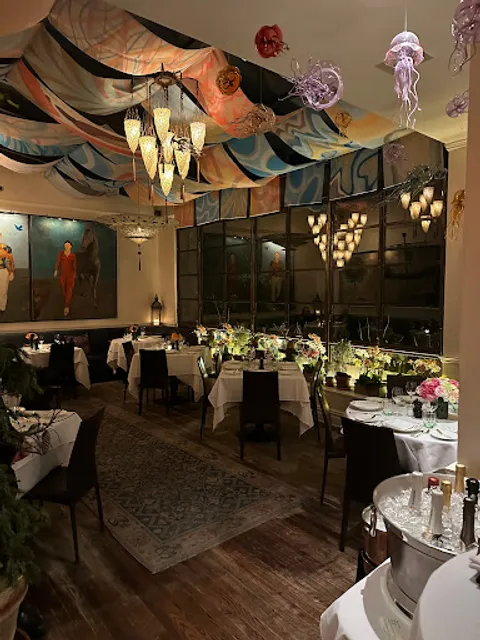
Sistina
4.3
(319)
$$$$
Closed
Click for details
Nearby local services of The Obelisk
The Great Lawn
Cedar Hill
The Hot Dog King
Turtle Pond
Hessel Museum of Art
Albertine
The Met Store
met museum,new york
LAZ Parking - Metropolitan Museum of Art
Lenox Hill Radiology | East 77th Street
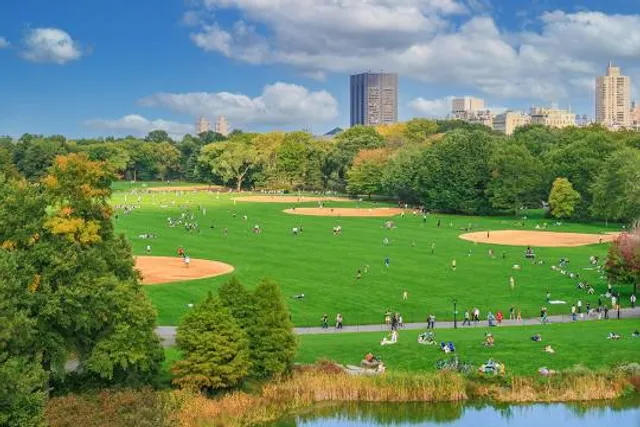
The Great Lawn
4.8
(912)
Click for details
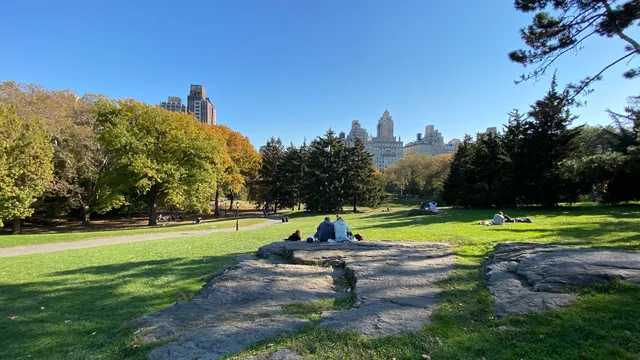
Cedar Hill
4.8
(204)
Click for details
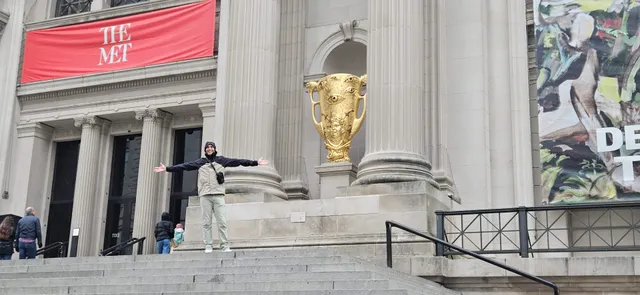
The Hot Dog King
4.4
(137)
Click for details
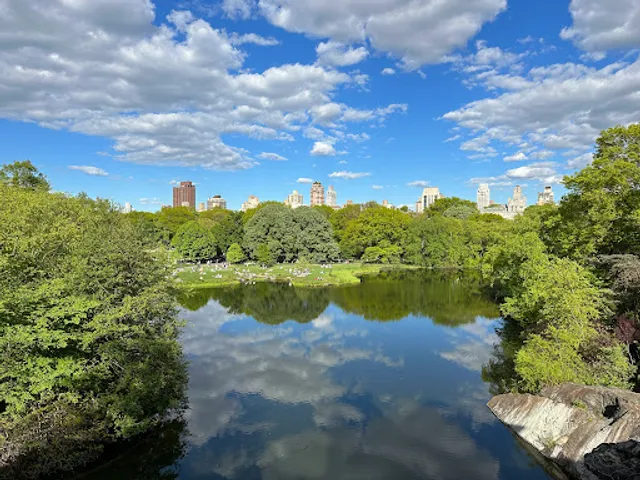
Turtle Pond
4.7
(62)
Click for details