Steward Observatory (University of Arizona) things to do, attractions, restaurants, events info and trip planning
Basic Info
Steward Observatory (University of Arizona)
933 N Cherry Ave, Tucson, AZ 85719
4.8(86)
Open until 12:00 AM

tickets
Save
spot
spot
Ratings & Description
Info
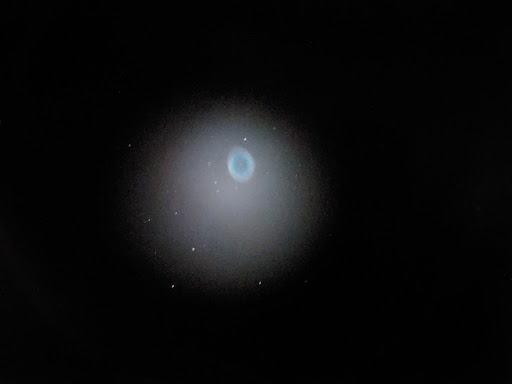
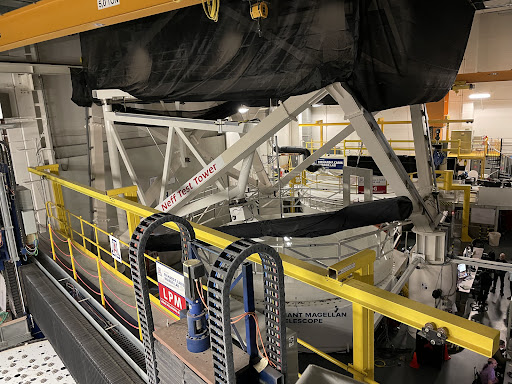
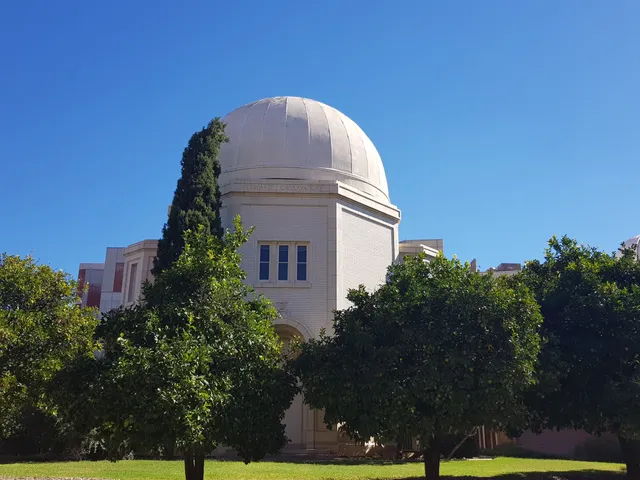
Steward Observatory is the research arm of the Department of Astronomy at the University of Arizona. Its offices are located on the UArizona campus in Tucson, Arizona. Established in 1916, the first telescope and building were formally dedicated on April 23, 1923.
Cultural
Entertainment
Family friendly
Accessibility
attractions: Flandrau Science Center and Planetarium, NOIRLab Headquarters, Saint Thomas More Catholic Newman Center, Rita Hillenbrand Memorial Stadium, Kitt Peak National Observatory Headquarters, McKale Memorial Center, University of Arizona: Football, Arizona Stadium, Center for Creative Photography, Arizona State Museum, restaurants: Seasons Eats - Thai, Chinese & Sushi, Cactus Grill, Sabor, Noodies, Saffron Bites, Arizona Sands Club, IQ Fresh, Chick-fil-A, Einstein Bros. Bagels, Dirtbag's, local businesses: Kitt Peak National Observatory, University of Arizona Campus Store, Student Union Memorial Center, Main Library - University of Arizona, University of Arizona, The Gallagher Theater, USS Arizona Mall Memorial, Arizona Market, Level Up Gaming, University of Arizona College of Engineering
 Learn more insights from Wanderboat AI.
Phone
(520) 621-2288
Website
as.arizona.edu
Open hoursSee all hours
Mon8 AM - 5 PMOpen
Plan your stay

Pet-friendly Hotels in Tucson
Find a cozy hotel nearby and make it a full experience.

Affordable Hotels in Tucson
Find a cozy hotel nearby and make it a full experience.

The Coolest Hotels You Haven't Heard Of (Yet)
Find a cozy hotel nearby and make it a full experience.

Trending Stays Worth the Hype in Tucson
Find a cozy hotel nearby and make it a full experience.
Reviews
Live events

Tucson Downtown Food Adventure
Mon, Jan 26 • 10:00 AM
Tucson, Arizona, 85745, United States
View details

Tour BASIS Oro Valley Primary
Wed, Jan 28 • 9:00 AM
11129 North Oracle Road, Oro Valley, AZ 85737
View details

CRYSTAL TONES KEYNOTE + YANTARA JIRO - LIVE 2026
Thu, Jan 29 • 5:00 PM
222 South Freeway Tucson, AZ 85745
View details
Nearby attractions of Steward Observatory (University of Arizona)
Flandrau Science Center and Planetarium
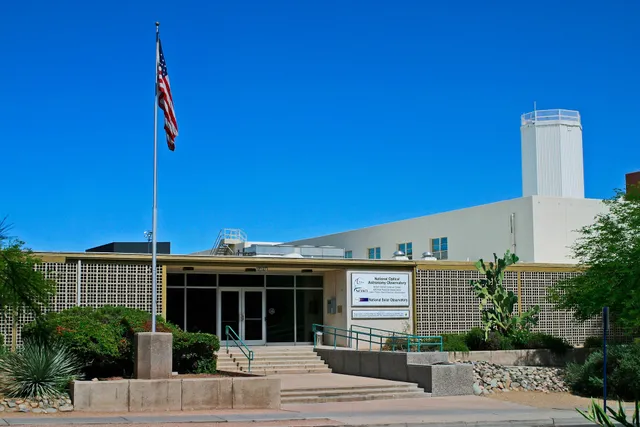
NOIRLab Headquarters
Saint Thomas More Catholic Newman Center
Rita Hillenbrand Memorial Stadium
Kitt Peak National Observatory Headquarters
McKale Memorial Center
University of Arizona: Football
Arizona Stadium
Center for Creative Photography
Arizona State Museum

Flandrau Science Center and Planetarium
4.5
(149)
Open until 12:00 AM
Click for details
NOIRLab Headquarters
4.6
(22)
Open 24 hours
Click for details
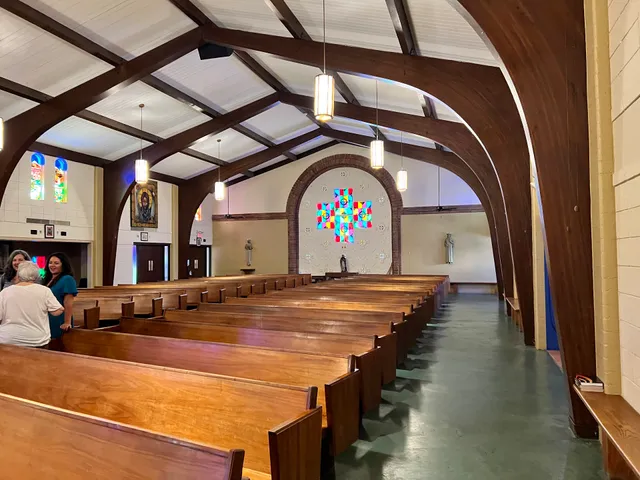
Saint Thomas More Catholic Newman Center
4.9
(42)
Open until 9:00 PM
Click for details

Rita Hillenbrand Memorial Stadium
4.8
(61)
Open 24 hours
Click for details
Nearby restaurants of Steward Observatory (University of Arizona)
Seasons Eats - Thai, Chinese & Sushi
Cactus Grill
Sabor
Noodies
Saffron Bites
Arizona Sands Club
IQ Fresh
Chick-fil-A
Einstein Bros. Bagels
Dirtbag's

Seasons Eats - Thai, Chinese & Sushi
4.5
(453)
$
Open until 9:00 PM
Click for details

Cactus Grill
3.8
(79)
$
Open until 9:00 PM
Click for details
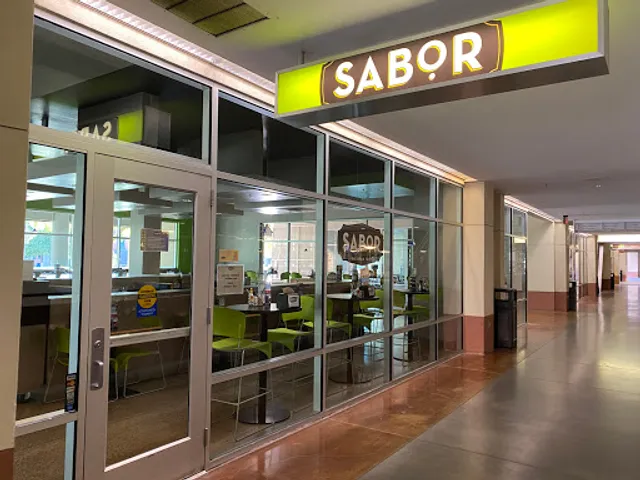
Sabor
3.4
(69)
$
Open until 12:00 AM
Click for details

Noodies
4.3
(123)
$
Open until 12:00 AM
Click for details
Nearby local services of Steward Observatory (University of Arizona)
Kitt Peak National Observatory
University of Arizona Campus Store
Student Union Memorial Center
Main Library - University of Arizona
University of Arizona
The Gallagher Theater
USS Arizona Mall Memorial
Arizona Market
Level Up Gaming
University of Arizona College of Engineering
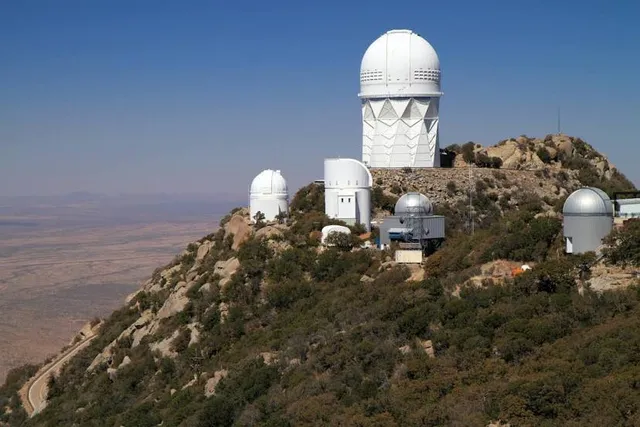
Kitt Peak National Observatory
4.3
(102)
Click for details

University of Arizona Campus Store
4.5
(717)
Click for details
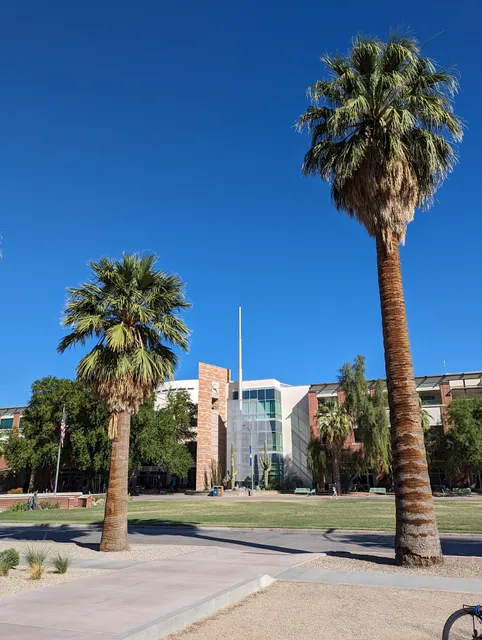
Student Union Memorial Center
4.5
(204)
Click for details
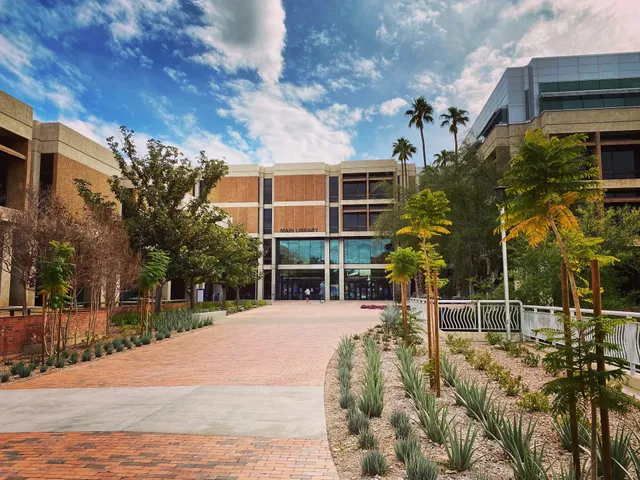
Main Library - University of Arizona
4.4
(73)
Click for details