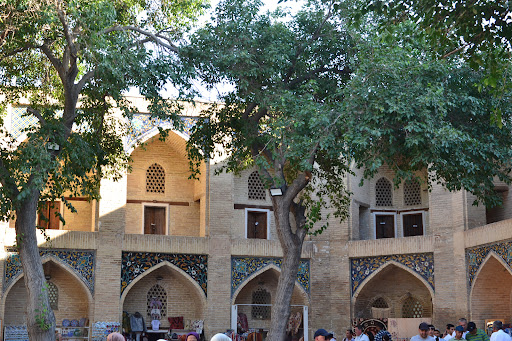
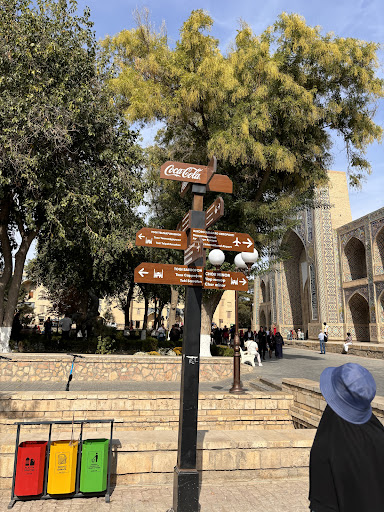
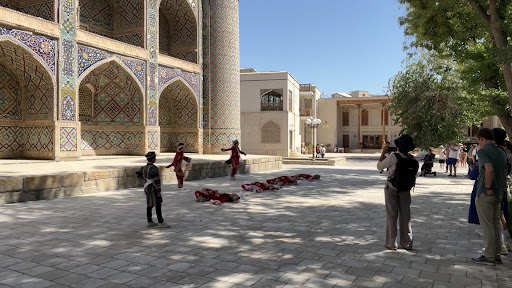
Lyabi Khause Square things to do, attractions, restaurants, events info and trip planning
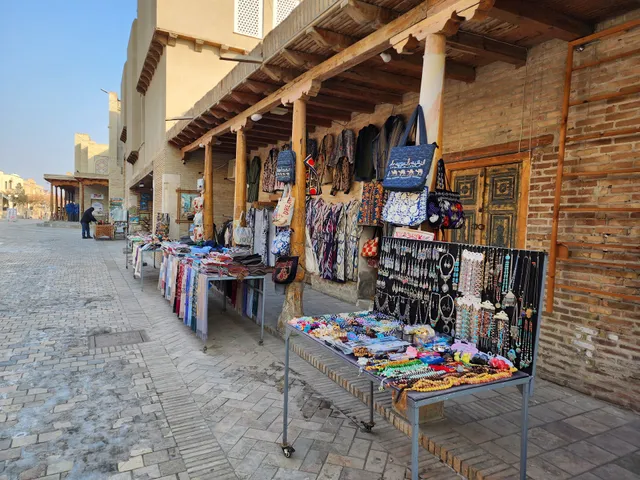
Basic Info
Lyabi Khause Square
QCFC+686, Divan-Beghi, Bukhara, Uzbekistan, Buxoro, Uzbekistan
4.6(358)
Closed
Save
spot
spot
Ratings & Description
Info
Cultural
Scenic
Relaxation
Family friendly
attractions: Nodir Devonbegi Madrasah, Khodja Nasreddin statue, Kukaldosh Madrasah, Nadir Divan Begi Khanaka, Doll Museum / Музей кукол, Toki Sarrofon, Magoki Attori Mosque and Carpet Museum, Synagogue, Akbar House Collection, Toqi Telpakfurushon, restaurants: Old Bukhara, Ayvan, Joy chaikhana lounge, Donuts and Coffee, Art, AFRASIAB RESTAURANT, Aladdin, lounge cafe, Jam, Zolotaya Buhara, AMULET restaurant, local businesses: Karvon market, MAGIC CARPETS GALLERY, Magoki Attori Mosque, Bozori Kord Bathhouse, Palitra Buxoro, Еврейское кладбище Бухары
 Learn more insights from Wanderboat AI.
Website
lyabi-house.com
Open hoursSee all hours
Mon8 AM - 12 AMClosed
Plan your stay

Pet-friendly Hotels in Bukhara City
Find a cozy hotel nearby and make it a full experience.

Affordable Hotels in Bukhara City
Find a cozy hotel nearby and make it a full experience.

The Coolest Hotels You Haven't Heard Of (Yet)
Find a cozy hotel nearby and make it a full experience.

Trending Stays Worth the Hype in Bukhara City
Find a cozy hotel nearby and make it a full experience.
Reviews
Live events
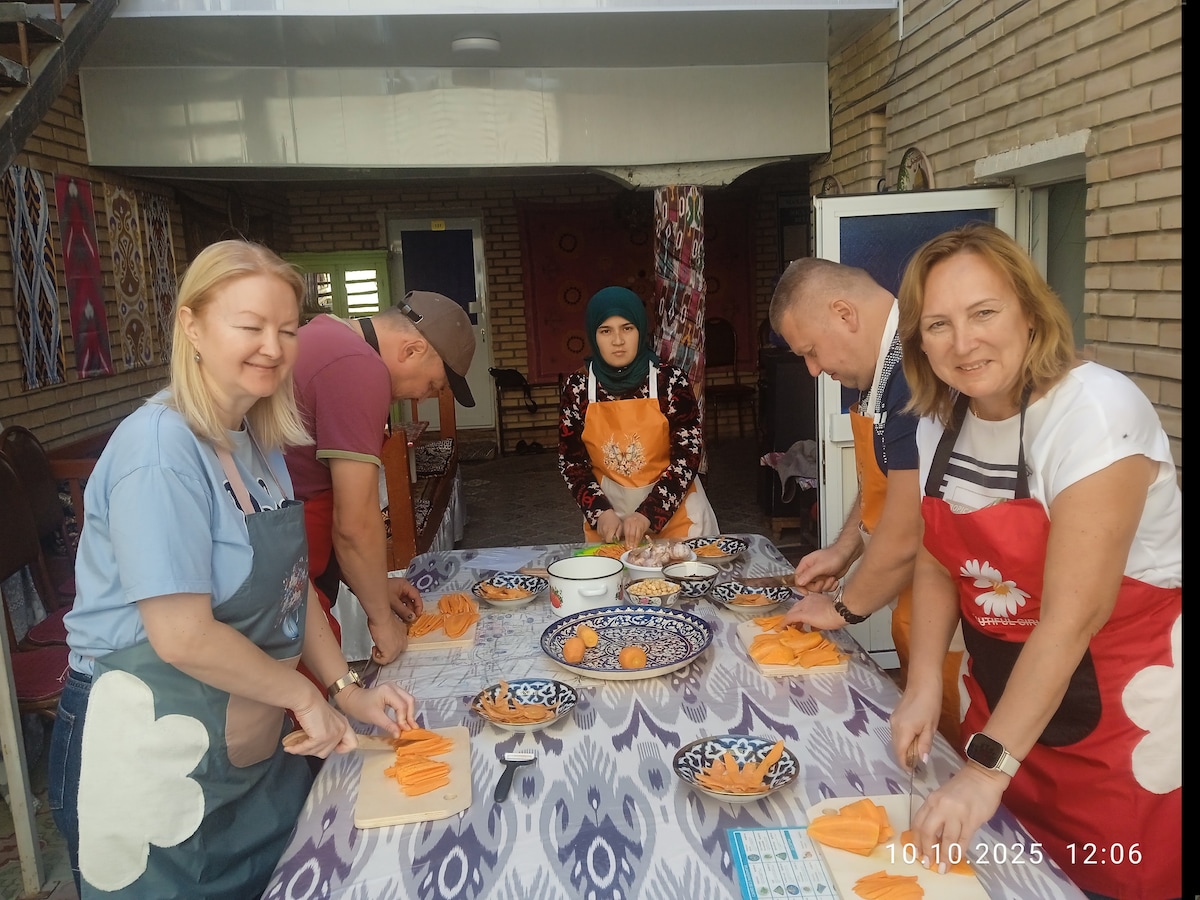
Make traditional Bukhara pilaf with my wife
Tue, Feb 10 • 11:00 AM
Bukhara, Bukhara Region, Uzbekistan
View details
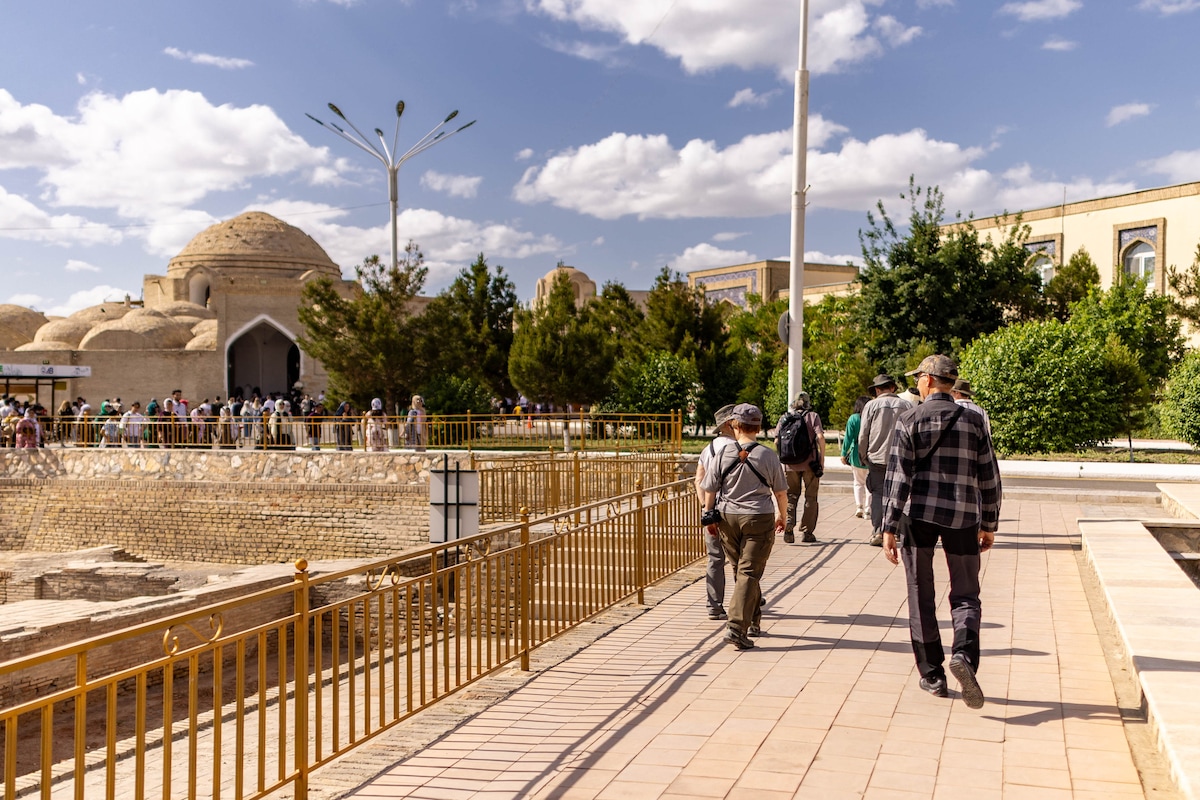
Beyond the Walls: Private Countryside Tour
Tue, Feb 10 • 9:00 AM
Bukhara, Bukhara Region 200118, Uzbekistan
View details
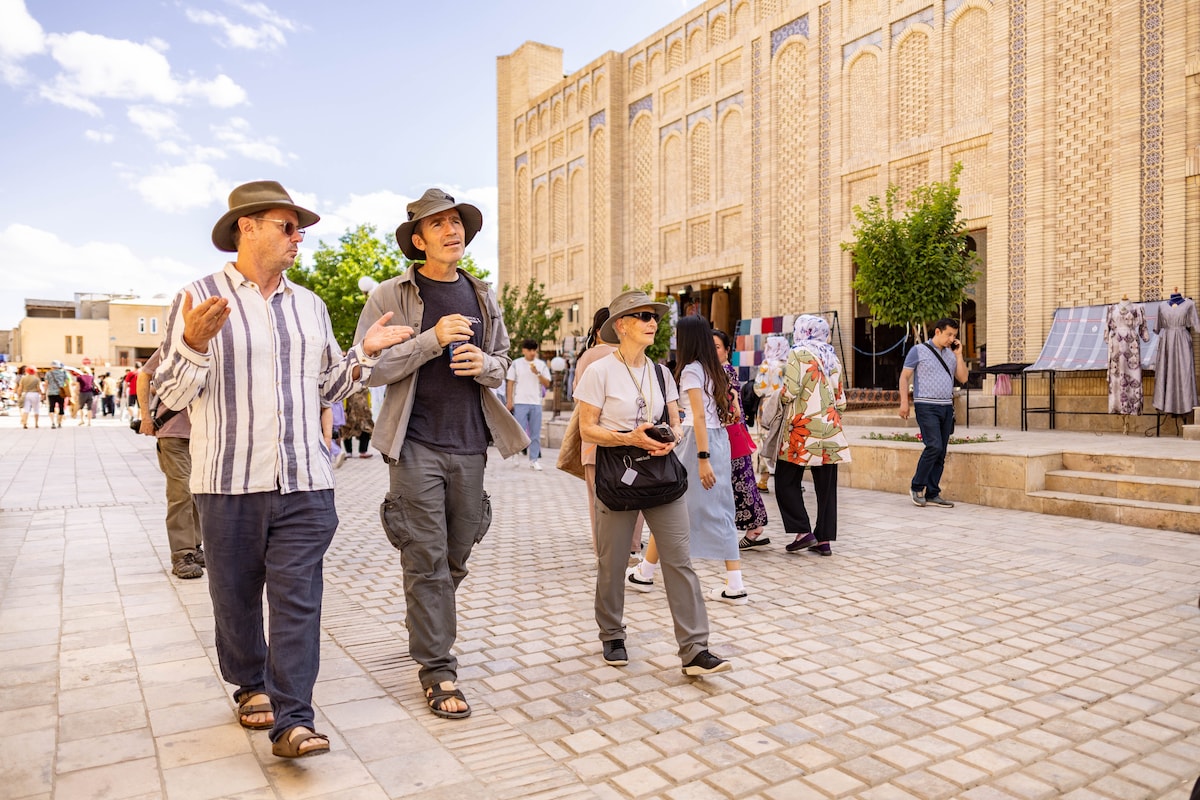
All Day Private Bukhara Old Town Tour
Tue, Feb 10 • 9:00 AM
Bukhara, Bukhara Region 200100, Uzbekistan
View details
Nearby attractions of Lyabi Khause Square
Nodir Devonbegi Madrasah
Khodja Nasreddin statue
Kukaldosh Madrasah
Nadir Divan Begi Khanaka
Doll Museum / Музей кукол
Toki Sarrofon
Magoki Attori Mosque and Carpet Museum
Synagogue
Akbar House Collection
Toqi Telpakfurushon
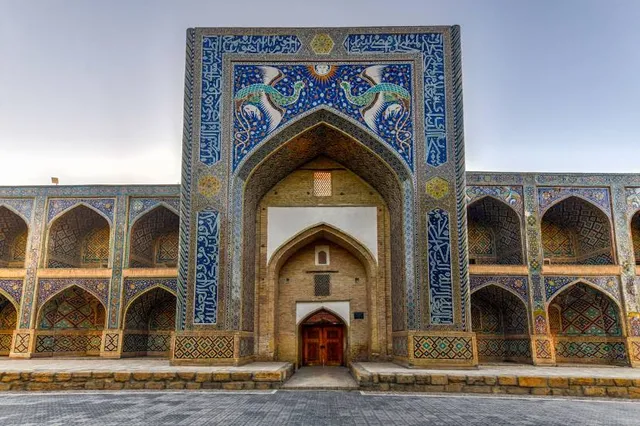
Nodir Devonbegi Madrasah
4.5
(165)
Closed
Click for details
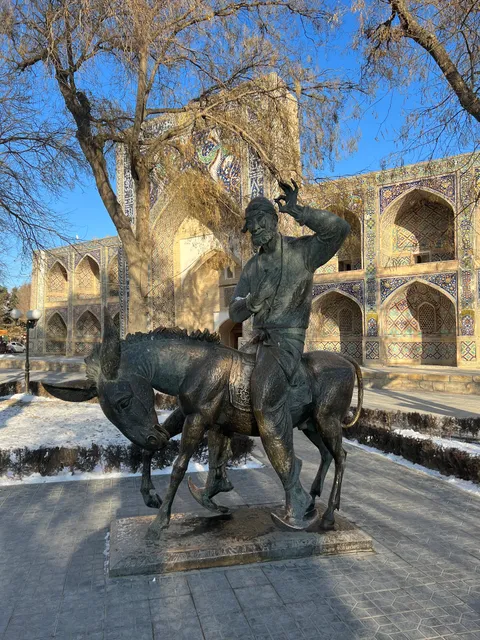
Khodja Nasreddin statue
4.7
(96)
Open 24 hours
Click for details
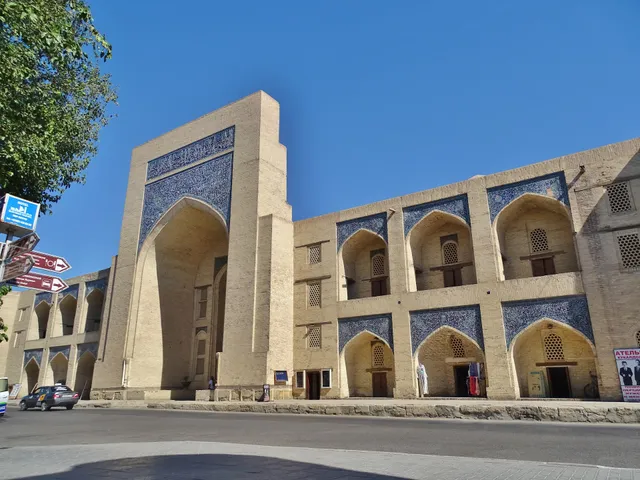
Kukaldosh Madrasah
4.5
(132)
Open 24 hours
Click for details
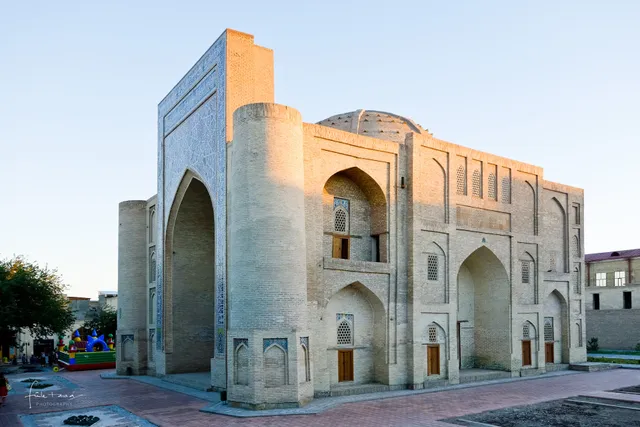
Nadir Divan Begi Khanaka
4.3
(42)
Closed
Click for details
Nearby restaurants of Lyabi Khause Square
Old Bukhara
Ayvan
Joy chaikhana lounge
Donuts and Coffee
Art
AFRASIAB RESTAURANT
Aladdin, lounge cafe
Jam
Zolotaya Buhara
AMULET restaurant
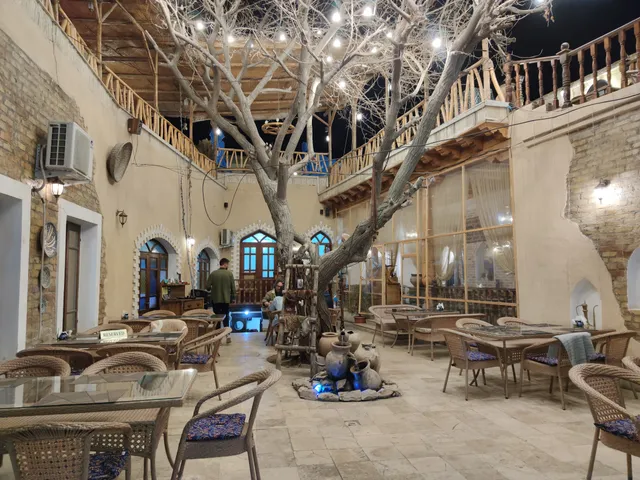
Old Bukhara
4.0
(1.1K)
Closed
Click for details
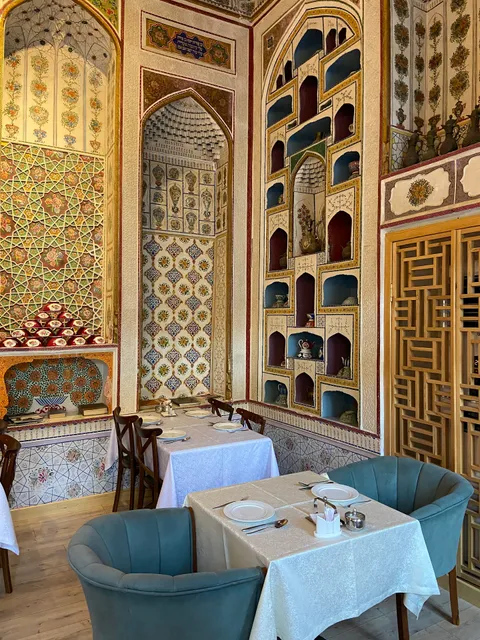
Ayvan
4.6
(446)
Closed
Click for details
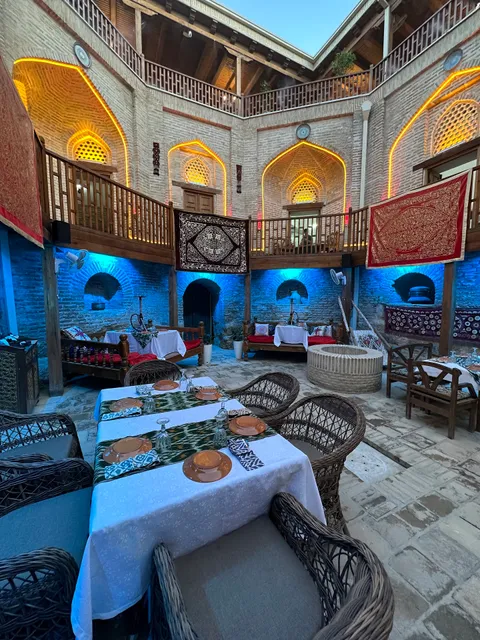
Joy chaikhana lounge
4.5
(442)
Closed
Click for details
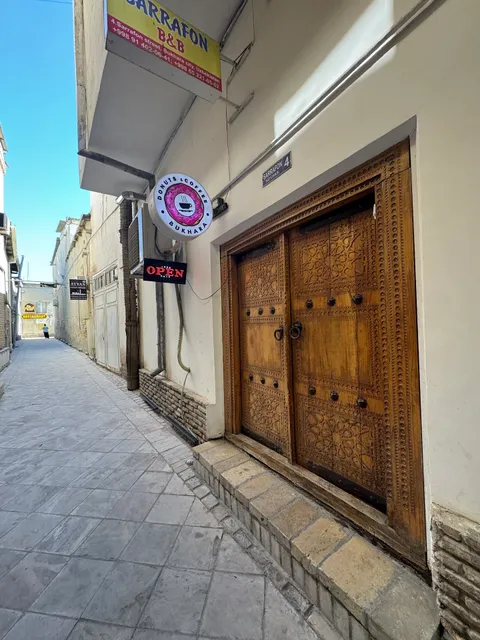
Donuts and Coffee
4.8
(224)
Closed
Click for details
Nearby local services of Lyabi Khause Square
Karvon market
MAGIC CARPETS GALLERY
Magoki Attori Mosque
Bozori Kord Bathhouse
Palitra Buxoro
Еврейское кладбище Бухары
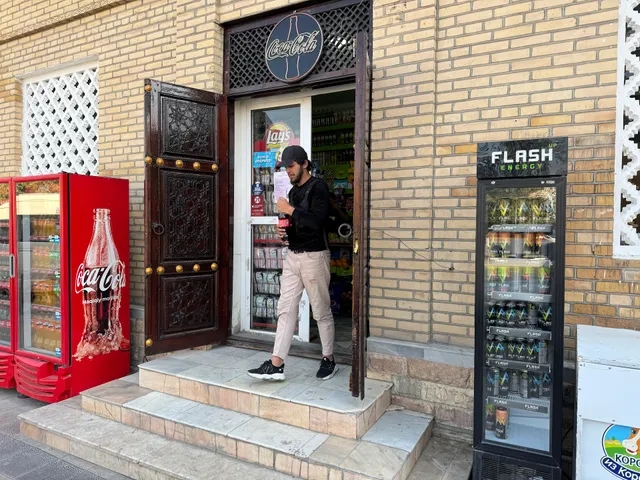
Karvon market
4.5
(96)
Click for details
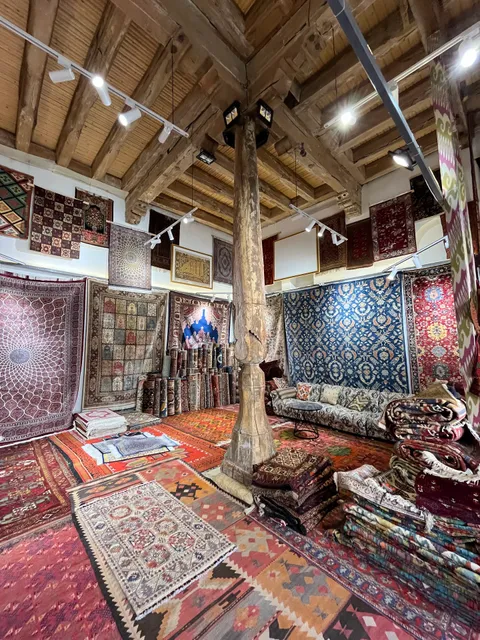
MAGIC CARPETS GALLERY
4.6
(24)
Click for details
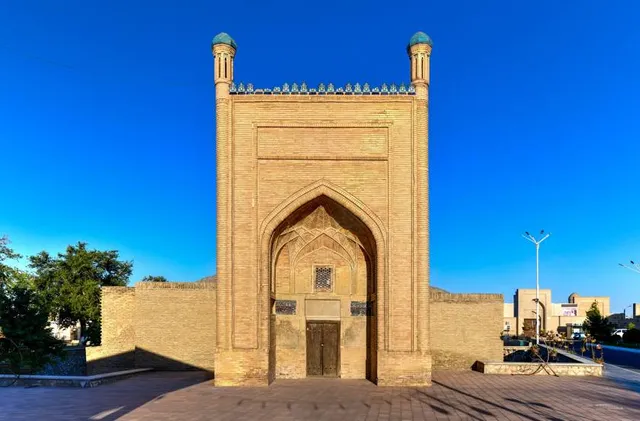
Magoki Attori Mosque
4.4
(106)
Click for details
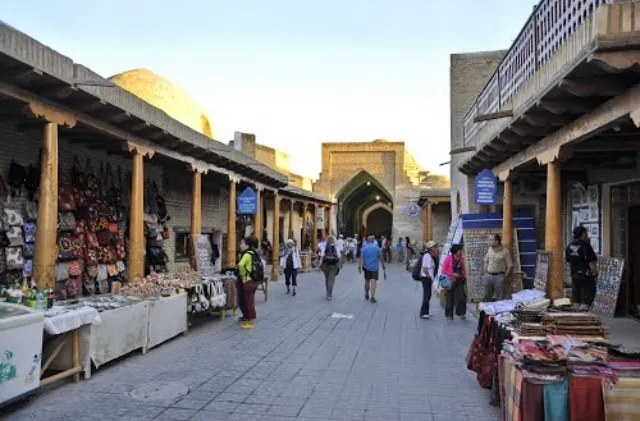
Bozori Kord Bathhouse
3.9
(202)
Click for details