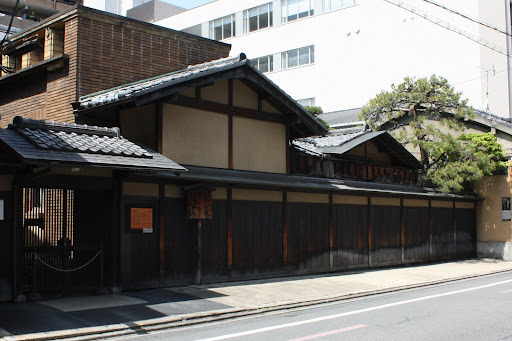
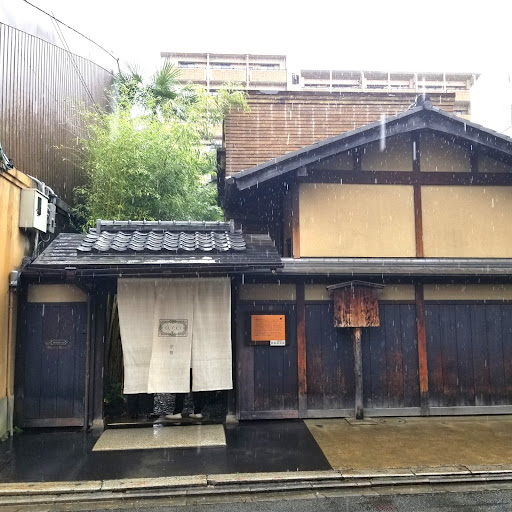
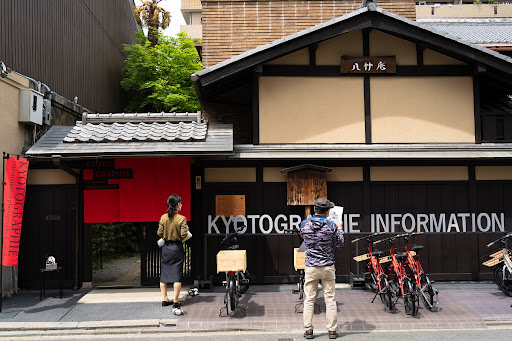
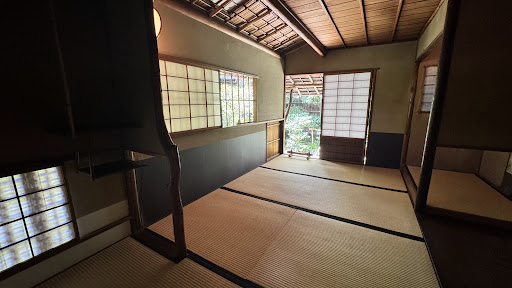
Kurochiku Hachiku-an (Former Kawasaki Family House) things to do, attractions, restaurants, events info and trip planning
Basic Info
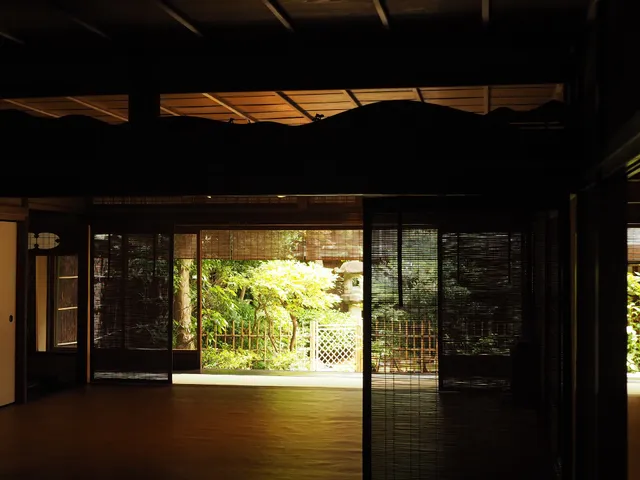
Kurochiku Hachiku-an (Former Kawasaki Family House)
340 Sanjocho, Nakagyo Ward, Kyoto, 604-8205, Japan
4.6(66)
Closed
Save
spot
spot
Ratings & Description
Info
Cultural
Accessibility
attractions: Tea Ceremony & Sake Tasting Kyoto – Sanjo Chasuian, Chōhō-ji (Rokkaku-dō) Temple, Onishi Seiwemon Museum, Kyoto Cultural Crafts Museum Mumeisha (Yoshida Family Residence), Mikane Shrine, Kyoto Art Center, Chion-sha, Takamatsu Shinmei-jinja Shrine, Hosotsuji Ihei Art Museum, CHISO GALLERY, restaurants: Go‐En KYOTO WAGYU YAKINIKU STEAK, Rokujuan, Sushizen, ORTO, nota Dorayaki & Black Tea, Souden, Toriiki Sanjo, What’s Matsusaka Beef, Korean Kitchen Anpan, fiveran, local businesses: raffina, Rokkakukan Sakurado Kyoto, Ogaki Bookstore - Karasuma Sanjo, KYOTO SHOTEN 京都書店, Bote, beauty salon ROUN', 八幡山保存会, ShinPuhKan, Fresco - Karasuma, VOGA 京都
 Learn more insights from Wanderboat AI.
Phone
+81 75-708-7189
Website
kurochiku.co.jp
Open hoursSee all hours
Wed10 AM - 5 PMClosed
Plan your stay

Pet-friendly Hotels in Kyoto
Find a cozy hotel nearby and make it a full experience.

Affordable Hotels in Kyoto
Find a cozy hotel nearby and make it a full experience.

The Coolest Hotels You Haven't Heard Of (Yet)
Find a cozy hotel nearby and make it a full experience.

Trending Stays Worth the Hype in Kyoto
Find a cozy hotel nearby and make it a full experience.
Reviews
Live events
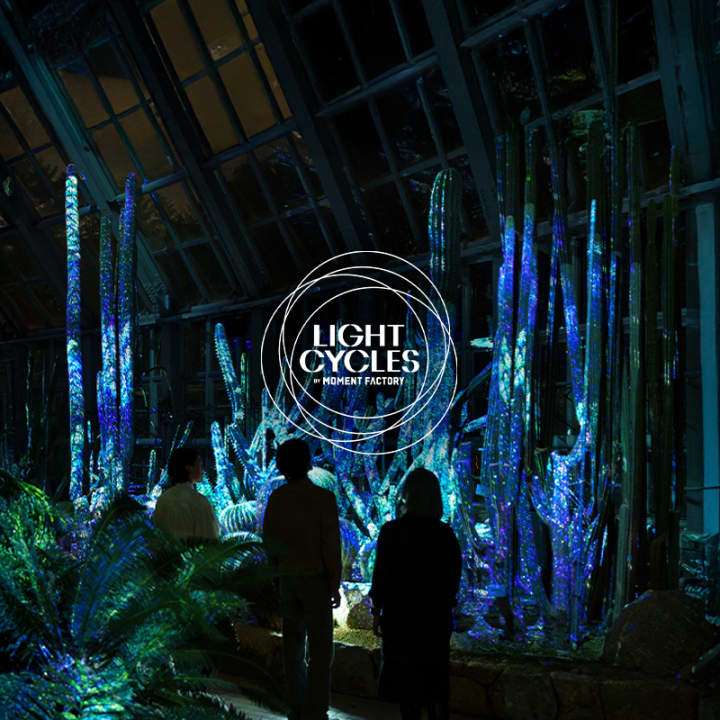
京都府立植物園:LIGHT CYCLES KYOTO (ライトサイクル京都)
Thu, Feb 19 • 6:00 PM
京都市左京区下鴨半木町, 606-0823
View details
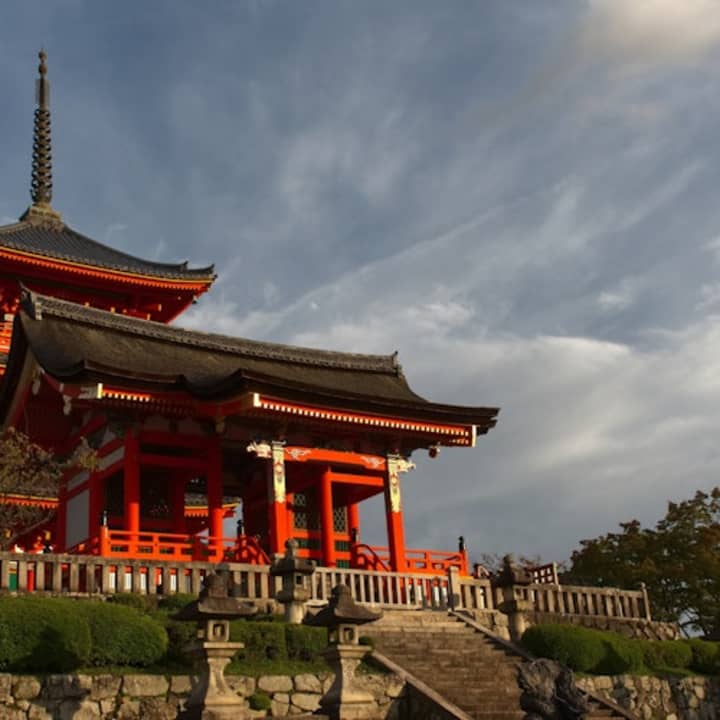
京都:ガイド付きウォーキングツアー+清水寺&高台寺入場
Mon, Feb 23 • 12:00 AM
京都市下京区東塩小路町スターバックスコーヒー京都Portaウエスト店, 600-8216
View details
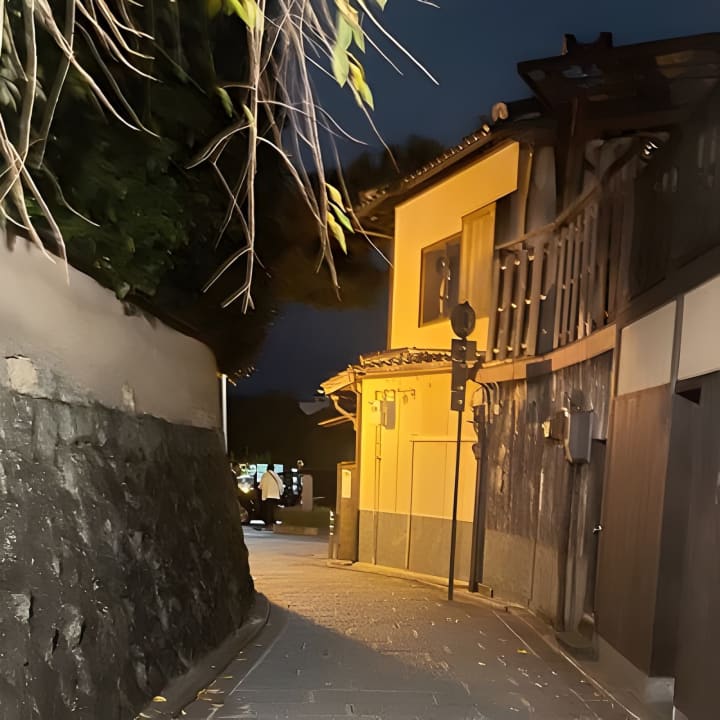
自転車で巡る夜の京都
Wed, Feb 18 • 5:30 PM
18 Abbey St, Abbeylands, Arklow, Y14 KC97
View details
Nearby attractions of Kurochiku Hachiku-an (Former Kawasaki Family House)
Tea Ceremony & Sake Tasting Kyoto – Sanjo Chasuian
Chōhō-ji (Rokkaku-dō) Temple
Onishi Seiwemon Museum
Kyoto Cultural Crafts Museum Mumeisha (Yoshida Family Residence)
Mikane Shrine
Kyoto Art Center
Chion-sha
Takamatsu Shinmei-jinja Shrine
Hosotsuji Ihei Art Museum
CHISO GALLERY
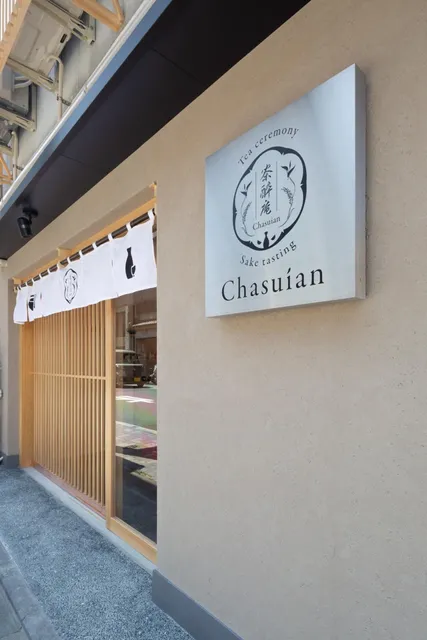
Tea Ceremony & Sake Tasting Kyoto – Sanjo Chasuian
5.0
(274)
Closed
Click for details
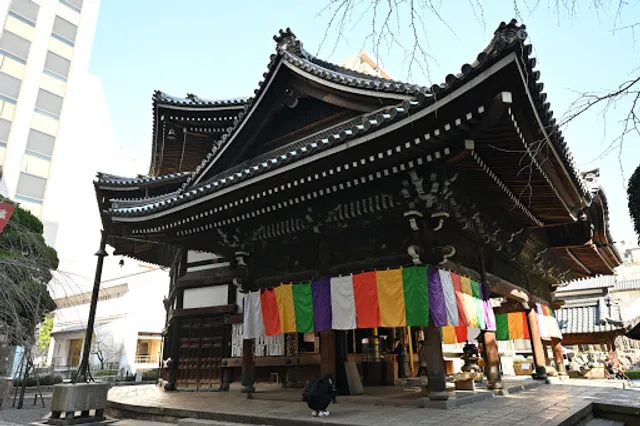
Chōhō-ji (Rokkaku-dō) Temple
4.3
(1.7K)
Closed
Click for details

Onishi Seiwemon Museum
4.2
(38)
Open 24 hours
Click for details
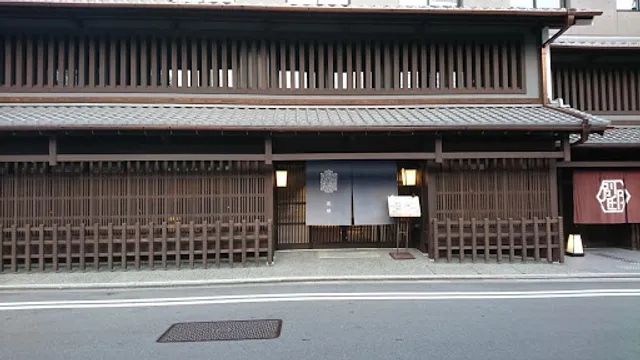
Kyoto Cultural Crafts Museum Mumeisha (Yoshida Family Residence)
4.1
(31)
Open 24 hours
Click for details
Nearby restaurants of Kurochiku Hachiku-an (Former Kawasaki Family House)
Go‐En KYOTO WAGYU YAKINIKU STEAK
Rokujuan
Sushizen
ORTO
nota Dorayaki & Black Tea
Souden
Toriiki Sanjo
What’s Matsusaka Beef
Korean Kitchen Anpan
fiveran
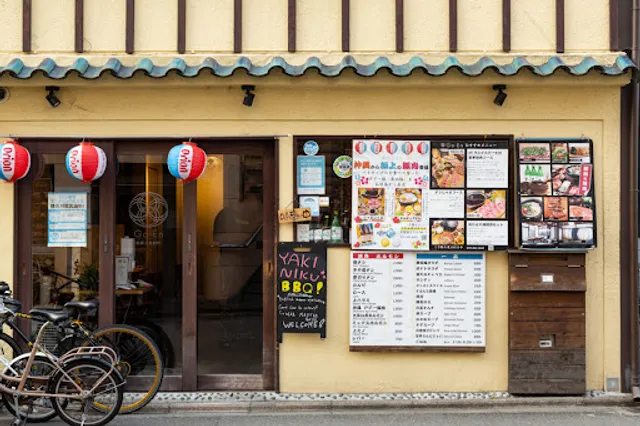
Go‐En KYOTO WAGYU YAKINIKU STEAK
4.8
(367)
$$
Open until 10:30 PM
Click for details
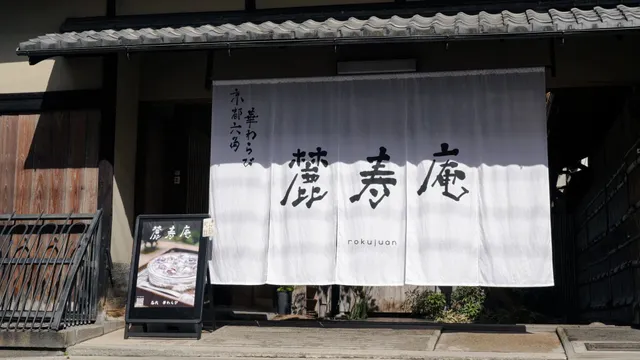
Rokujuan
4.1
(288)
Closed
Click for details
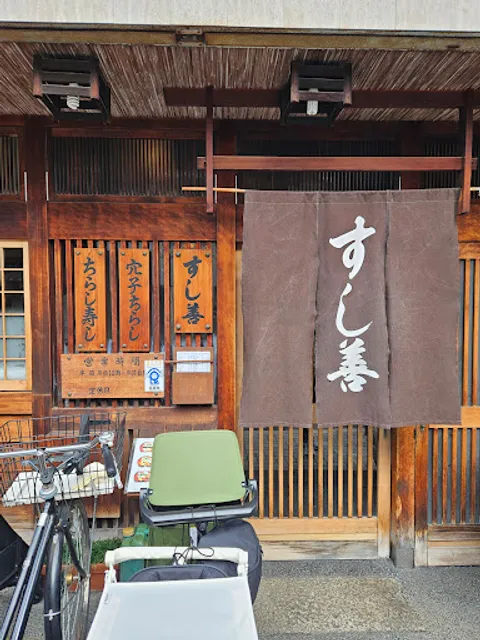
Sushizen
4.7
(487)
Closed
Click for details
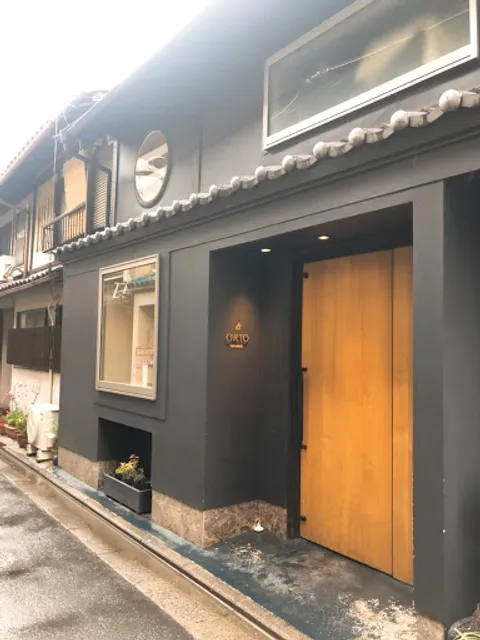
ORTO
4.3
(150)
Open until 12:00 AM
Click for details
Nearby local services of Kurochiku Hachiku-an (Former Kawasaki Family House)
raffina
Rokkakukan Sakurado Kyoto
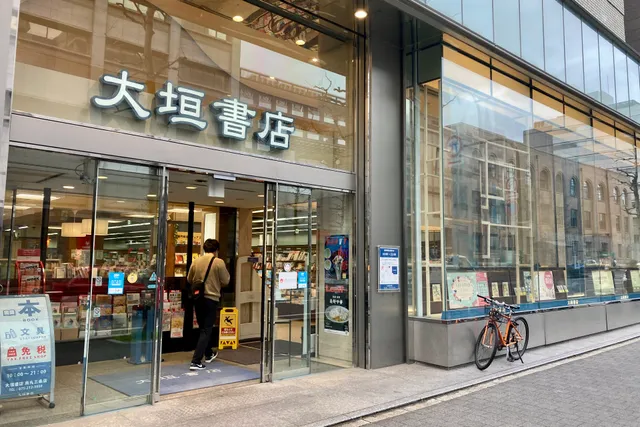
Ogaki Bookstore - Karasuma Sanjo
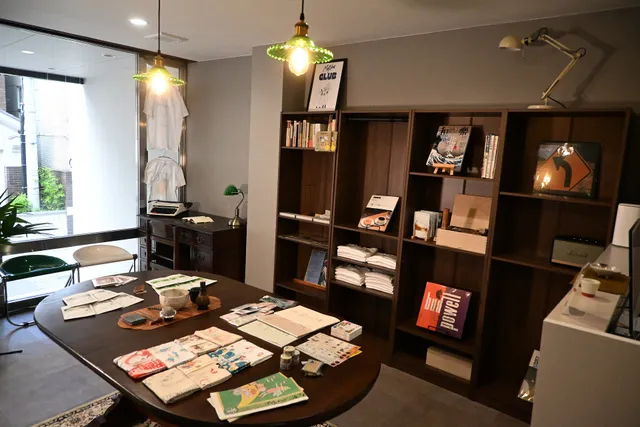
KYOTO SHOTEN 京都書店
Bote
beauty salon ROUN'
八幡山保存会
ShinPuhKan
Fresco - Karasuma
VOGA 京都

raffina
4.7
(41)
Click for details
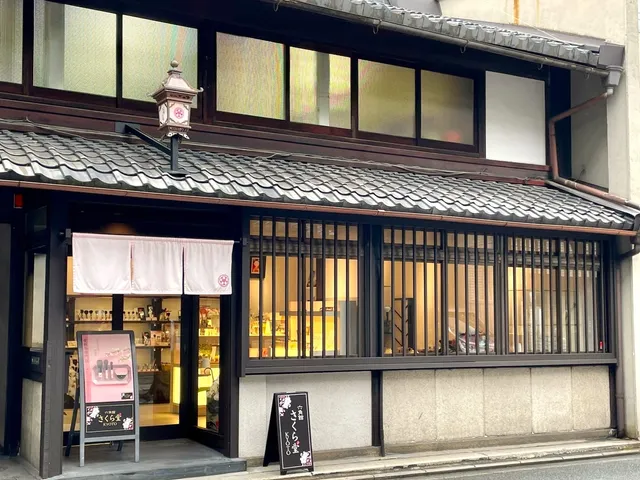
Rokkakukan Sakurado Kyoto
4.5
(16)
Click for details
Ogaki Bookstore - Karasuma Sanjo
4.0
(536)
Click for details
KYOTO SHOTEN 京都書店
5.0
(58)
Click for details