HTML SitemapExplore
logo
Find Things to DoFind The Best Restaurants

Kyoto Cultural Crafts Museum Mumeisha (Yoshida Family Residence) — Attraction in Kyoto

Name
Kyoto Cultural Crafts Museum Mumeisha (Yoshida Family Residence)
Description
Nearby attractions
Kyoto Art Center
Japan, 〒604-8156 Kyoto, Nakagyo Ward, Yamabushiyamacho, 546-2
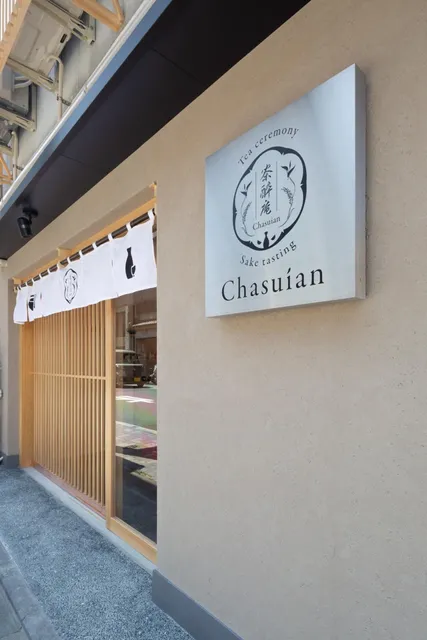
Tea Ceremony & Sake Tasting Kyoto – Sanjo Chasuian
324-2 Sanjocho, Nakagyo Ward, Kyoto, 604-8205, Japan
Chōhō-ji (Rokkaku-dō) Temple
Japan, 〒604-8134 Kyoto, Nakagyo Ward, Donomaecho, 248
Former Site of Namban-ji Temple
Japan, 〒604-8213 Kyoto, Nakagyo Ward, Ubayanagicho, 202 和光 ビル
Onishi Seiwemon Museum
18 Kamanzacho, Nakagyo Ward, Kyoto, 604-8241, Japan
Musée de Somé Seiryu
Yamabushiyamacho, Nakagyo Ward, Kyoto, 604-8156, Japan
Kyoto Keizai Center Building
Japan, 〒600-8491 Kyoto, Shimogyo Ward, Kankobokocho, 78番地
CHISO GALLERY
Japan, 〒604-8166 Kyoto, Nakagyo Ward, Mikuracho, 80
SAMURAI NINJA MUSEUM Kyoto
109 Horinouecho, Nakagyo Ward, Kyoto, 604-8117, Japan
Hosotsuji Ihei Art Museum
Japan, 〒604-8174 Kyoto, Nakagyo Ward, Ennogyojacho, 368
Nearby restaurants
Sushi Restaurant AWOMB karasumahonten
189 Ubayanagicho, Nakagyo Ward, Kyoto, 604-8213, Japan
Umezono CAFE & GALLERY
180 Fudocho, Nakagyo Ward, Kyoto, 604-8215, Japan
Hyōto Shijō Karasuma
Japan, 〒604-8156 Kyoto, Nakagyo Ward, Yamabushiyamacho, 550-1 明倫ビル 1F
Iso Stand
190-2 Ubayanagicho, Nakagyo Ward, Kyoto, 604-8213, Japan
Pizzeria Osteria e.o.e
433 Furunishicho, Nakagyo Ward, Kyoto, 604-8227, Japan
Sukiyaki Niku no Hiroshige
536 Yamabushiyamacho, Nakagyo Ward, Kyoto, 604-8156, Japan
Youshoku Matsumoto
Japan, 〒604-8215 Kyoto, Nakagyo Ward, Fudocho, 171-4
Rokujuan
Japan, 〒604-8217 Kyoto, Nakagyo Ward, Nishirokkakucho, 101
701 TARESOBA KYOTO
Japan, 〒604-8216 Kyoto, Nakagyo Ward, Ikesucho, 423-2 西洞院食彩ろぉじ 六角の道 ヨンの間
mononoma -bar-
368-1 Rokkakucho, Nakagyo Ward, Kyoto, 604-8212, Japan
Nearby hotels
Mitsui Garden Hotel Kyoto Shinmachi Bettei
Japan, 〒604-8212 Kyoto, Nakagyo Ward, Rokkakucho, 361 三井ガーデンホテル京都新町別邸 1F
HOTEL VISTA PREMIO KYOTO Nagomitei
Japan, 〒604-8212 Kyoto, Nakagyo Ward, Rokkakucho, 371
Hotel Intergate Kyoto Shijo Shinmachi
Japan, 〒604-8214 Kyoto, Nakagyo Ward, Mukadeyacho, 387
Via Inn Kyoto Shijo Muromachi
Japan, 〒604-8156 Kyoto, Nakagyo Ward, Yamabushiyamacho, 551-2
Hotel Monterey Kyoto
Japan, 〒604-8161 Kyoto, Nakagyo Ward, Manjuyacho, 604
THE GENERAL KYOTO Shijo Shinmachi 四条新町
Japan, 〒604-8214 Kyoto, Nakagyo Ward, Mukadeyacho, 392
京いすけ Kyoisuke
378-3 Mukadeyacho, Nakagyo Ward, Kyoto, 604-8214, Japan
kyoto shinmachi rokkaku hotel grandereverie
Japan, 〒604-8211 Kyoto, Nakagyo Ward, Tamakuracho, 120
Shizutetsu Hotel Prezio Kyoto Shijo
452 Furunishicho, Nakagyo Ward, Kyoto, 604-8232, Japan
CANDEO HOTELS Kyoto Karasuma Rokkaku
Japan, 〒604-8164 Kyoto, Nakagyo Ward, 六角通 烏丸西入骨屋町149
Related posts
Keywords
Kyoto Cultural Crafts Museum Mumeisha (Yoshida Family Residence) tourism.Kyoto Cultural Crafts Museum Mumeisha (Yoshida Family Residence) hotels.Kyoto Cultural Crafts Museum Mumeisha (Yoshida Family Residence) bed and breakfast. flights to Kyoto Cultural Crafts Museum Mumeisha (Yoshida Family Residence).Kyoto Cultural Crafts Museum Mumeisha (Yoshida Family Residence) attractions.Kyoto Cultural Crafts Museum Mumeisha (Yoshida Family Residence) restaurants.Kyoto Cultural Crafts Museum Mumeisha (Yoshida Family Residence) travel.Kyoto Cultural Crafts Museum Mumeisha (Yoshida Family Residence) travel guide.Kyoto Cultural Crafts Museum Mumeisha (Yoshida Family Residence) travel blog.Kyoto Cultural Crafts Museum Mumeisha (Yoshida Family Residence) pictures.Kyoto Cultural Crafts Museum Mumeisha (Yoshida Family Residence) photos.Kyoto Cultural Crafts Museum Mumeisha (Yoshida Family Residence) travel tips.Kyoto Cultural Crafts Museum Mumeisha (Yoshida Family Residence) maps.Kyoto Cultural Crafts Museum Mumeisha (Yoshida Family Residence) things to do.
Kyoto Cultural Crafts Museum Mumeisha (Yoshida Family Residence) things to do, attractions, restaurants, events info and trip planning
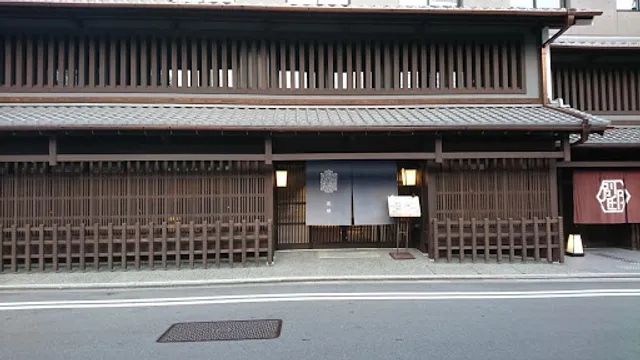
Kyoto Cultural Crafts Museum Mumeisha (Yoshida Family Residence)
JapanKyoto PrefectureKyotoKyoto Cultural Crafts Museum Mumeisha (Yoshida Family Residence)

Basic Info

Kyoto Cultural Crafts Museum Mumeisha (Yoshida Family Residence)

363 Rokkakucho, Nakagyo Ward, Kyoto, 604-8212, Japan
4.1(29)
Open 24 hours
Save
spot

Ratings & Description

Info

Cultural
Family friendly
Accessibility
attractions: Kyoto Art Center, Tea Ceremony & Sake Tasting Kyoto – Sanjo Chasuian, Chōhō-ji (Rokkaku-dō) Temple, Former Site of Namban-ji Temple, Onishi Seiwemon Museum, Musée de Somé Seiryu, Kyoto Keizai Center Building, CHISO GALLERY, SAMURAI NINJA MUSEUM Kyoto, Hosotsuji Ihei Art Museum, restaurants: Sushi Restaurant AWOMB karasumahonten, Umezono CAFE & GALLERY, Hyōto Shijō Karasuma, Iso Stand, Pizzeria Osteria e.o.e, Sukiyaki Niku no Hiroshige, Youshoku Matsumoto, Rokujuan, 701 TARESOBA KYOTO, mononoma -bar-
logoLearn more insights from Wanderboat AI.
Phone
+81 50-1808-8873
Website
r.goope.jp

Plan your stay

hotel
Pet-friendly Hotels in Kyoto
Find a cozy hotel nearby and make it a full experience.

hotel
Affordable Hotels in Kyoto
Find a cozy hotel nearby and make it a full experience.

hotel
The Coolest Hotels You Haven't Heard Of (Yet)
Find a cozy hotel nearby and make it a full experience.

hotel
Trending Stays Worth the Hype in Kyoto
Find a cozy hotel nearby and make it a full experience.

Reviews

Nearby attractions of Kyoto Cultural Crafts Museum Mumeisha (Yoshida Family Residence)

Kyoto Art Center

Tea Ceremony & Sake Tasting Kyoto – Sanjo Chasuian

Chōhō-ji (Rokkaku-dō) Temple

Former Site of Namban-ji Temple

Onishi Seiwemon Museum

Musée de Somé Seiryu

Kyoto Keizai Center Building

CHISO GALLERY

SAMURAI NINJA MUSEUM Kyoto

Hosotsuji Ihei Art Museum

Kyoto Art Center

Kyoto Art Center

4.1

(382)

Open 24 hours
Click for details
Tea Ceremony & Sake Tasting Kyoto – Sanjo Chasuian

Tea Ceremony & Sake Tasting Kyoto – Sanjo Chasuian

5.0

(192)

Closed
Click for details
Chōhō-ji (Rokkaku-dō) Temple

Chōhō-ji (Rokkaku-dō) Temple

4.3

(1.8K)

Closed
Click for details
Former Site of Namban-ji Temple

Former Site of Namban-ji Temple

3.7

(14)

Open until 12:00 AM
Click for details

Things to do nearby

Cycle through hidden Kyoto
Mon, Dec 8 • 9:00 AM
602-8336, Kyoto, Kyoto, Japan
View details
京都府立植物園:LIGHT CYCLES KYOTO (ライトサイクル京都)
Sun, Dec 7 • 7:30 PM
京都市左京区下鴨半木町, 606-0823
View details
90 min Kyoto Insider Sake Experience
Mon, Dec 8 • 1:30 PM
612-8365, Kyoto, Kyoto, Japan
View details

Nearby restaurants of Kyoto Cultural Crafts Museum Mumeisha (Yoshida Family Residence)

Sushi Restaurant AWOMB karasumahonten

Umezono CAFE & GALLERY

Hyōto Shijō Karasuma

Iso Stand

Pizzeria Osteria e.o.e

Sukiyaki Niku no Hiroshige

Youshoku Matsumoto

Rokujuan

701 TARESOBA KYOTO
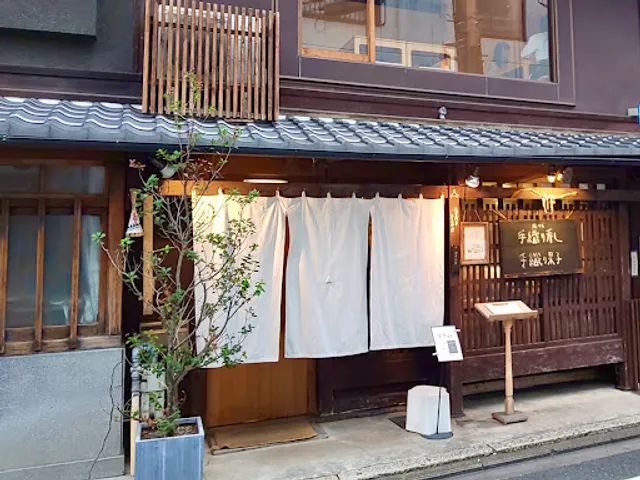
mononoma -bar-

Sushi Restaurant AWOMB karasumahonten

Sushi Restaurant AWOMB karasumahonten

3.9

(300)

$$

Open until 9:00 PM
Click for details
Umezono CAFE & GALLERY

Umezono CAFE & GALLERY

4.2

(316)

$

Click for details
Hyōto Shijō Karasuma

Hyōto Shijō Karasuma

4.7

(1.3K)

Click for details
Iso Stand

Iso Stand

4.1

(175)

$$

Click for details
Get the Appoverlay
Get the AppOne tap to find yournext favorite spots!
Wanderboat LogoWanderboat

Your everyday Al companion for getaway ideas

CompanyAbout Us
InformationAI Trip PlannerSitemap
SocialXInstagramTiktokLinkedin
LegalTerms of ServicePrivacy Policy

Get the app

© 2025 Wanderboat. All rights reserved.
logo

Posts

Hiroshi KyotoHiroshi Kyoto
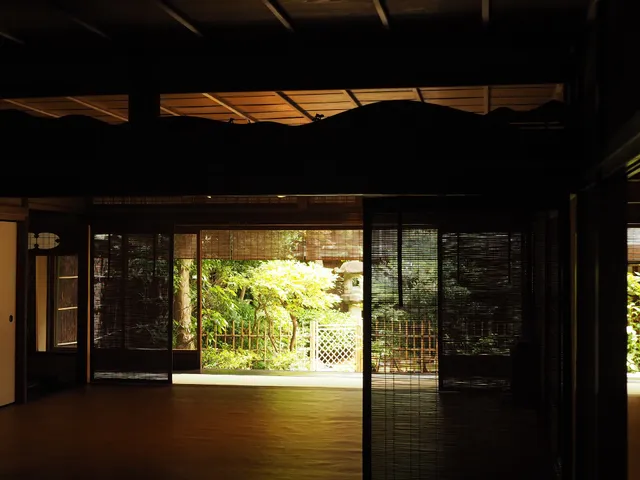
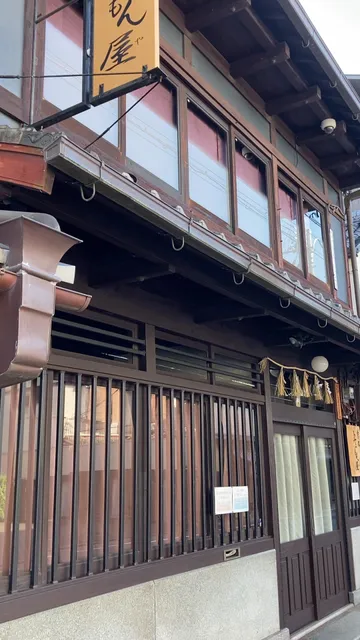
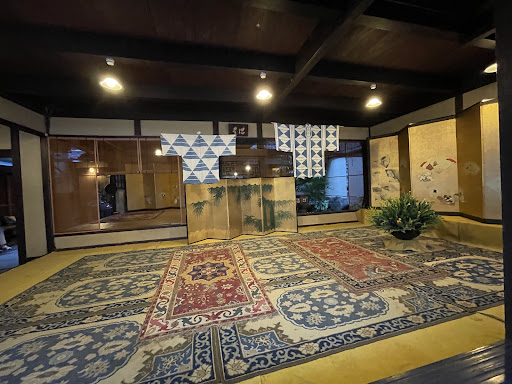
吉田家: 国登録有形文化財、京都市景観重要建造物に指定されており、祇園祭の後祭の山鉾の一つ北観音山を出す新町通沿いに建つ築年年の京町家です。家の内は、吉田孝次郎が住んでいる実際の居住空間を見学できます。予約が必要です。 解説: 京呉服の問屋街「室町」の一画六角町にあり、建物は白生地問屋を商った京商家の典型ともいうべき表屋造り。店舗、住居、土蔵とそれらを結ぶ2つの庭と、通り庭からなっている。 数々の生活工芸品(江戸時代の小袖等)を見ることで、江戸から明治・大正・昭和にかけての京商人の生活文化を偲ぶことができる。1909(明治42)年建設。平成11年に歴史的意匠建造物、平成18年に景観重要建造物に、京都市の指定を受けているほか平成25年国の登録有形文化財(建造物)に登録されている。(京都市) 「北観音山」について: 「上り観音山」ともいわれている。文和2年(1353)創建であることが町有古文書に記され、山舞台には楊柳観音像と韋駄天立像を安置する曳山で、飾屋根を付けたのは天保4年(1833)のことである。破風下の木彫雲鶴は片岡友輔の作。天水引は観音唐草と雲龍図を隔年に使用、下水引は関帝祭の図と伝える人物風景は中島来章の下絵。胴懸類は17~18世紀の花文インド絨毯を用いていたが、近年、前後懸は19世紀のペルシャ絨毯、胴懸東面はトルキスタン絨毯と、西面はインド絨毯「斜め格子草花文様」の復元品に変えている。二番、三番水引は共に山鹿清華作の手織錦であったが、平成18年(2006)より「赤地牡丹唐草文様綴織」の二番水引と「金地紅白牡丹文様唐織」の三番水引(復元新調)の江戸時代の姿に戻している。四隅の房掛金具は祇園守。欄縁の唐獅子牡丹等錺金具の精巧さは、この山の華麗さを際立たせている。 巡行時に柳の枝を差出しているのは観音懺法にちなむもの。慶安4年(1651)在銘の旧観音尊衣裳、退紅色花菱襷文様繻珍裂は大切に保存されている。(祇園祭山鉾連合会) Yoshida family: It is a nationally registered tangible cultural property and is designated as an Important Landscape Structure of Kyoto City. Inside the house, you can see the actual living space where Kojiro Yoshida lives. Reservations are required. Explanation: Located in Rokkakucho, a part of the wholesale district of Kyoto kimono "Muromachi", the building is a table house structure that can be said to be typical of the Kyoto merchants who traded white cloth wholesalers. It consists of a store, a residence, a dozo, two gardens connecting them, and a street garden. By looking at a number of lifestyle crafts (small sleeves from the Edo period, etc.), you can remember the lifestyle culture of Kyoto merchants from the Edo period to the Meiji, Taisho, and Showa periods. Built in 1909 (Meiji 42). It has been designated as a historical design building in 1999, an important landscape structure in 2006, and has been designated as a national tangible cultural property (building) in 2013. (Kyoto City) About "Kita Kannonyama": It is also called "Uphill Kannon Mountain". It is stated in the town-owned ancient documents that it was built in 1353, and the mountain stage is Hikiyama, where the Yangyanagi Kannon statue and the Skanda statue are enshrined. That is. The wood carving cloud crane under the gable is made by Yusuke Kataoka. Tensuihiki uses Kannon arabesque and Unryu map every other year, and Sewage Mizuhiki is a sketch of Nakajima Raishō. 17th-18th century flower pattern Indian rugs were used for the rugs, but in recent years, the front and back rugs are 19th century Persian rugs, the east side of the rugs is the Turkistan rug, and the west side is the Indian rug "diagonal lattice flower pattern". It has been changed to a restored product. The second and third mizuhiki were both hand-woven mizuhiki made by Seika Yamaga, but from 2006, the second mizuhiki of "Akaji peony arabesque pattern binding" and the third mizuhiki of "Kinji red and white peony pattern karaori" ( It has been restored to its original appearance in the Edo period. The metal fittings at the four corners are Gion Mamoru. The elaborateness of the metal fittings such as the Karashishi peony on the edge of the column highlights the splendor of this mountain. It is named after the Kannon repentance method that the willow branches are sent out during the procession. The old Kannon costume, which was inscribed in the 4th year of Keian (1651), and the reddish-colored Hanabishi Tasuki pattern, are carefully preserved. (Gion Festival Yamaho Federation)
koji fukuikoji fukui
京都の町屋を公開してるということで見学させてもらった。予約制で、ワンツーマンでお話を伺う。どういう理由で町屋が設計されているのか勉強になった。 今もこちらには吉田さん夫妻が住んでいて、吉田さんは美術品や絨毯などの収集家でもあるので、それが飾ってあったりする。
N. AdachiN. Adachi
時々特別公開がありますので、その際にはぜひ訪問してみて下さい。美しいお庭と調度、優雅な町家暮らしを見ることができます。 祇園祭の宵山では屏風祭をなさいます。中には入れませんが、外から中の様子を拝見することができます。
See more posts
See more posts
hotel
Find your stay

Pet-friendly Hotels in Kyoto

Find a cozy hotel nearby and make it a full experience.

吉田家: 国登録有形文化財、京都市景観重要建造物に指定されており、祇園祭の後祭の山鉾の一つ北観音山を出す新町通沿いに建つ築年年の京町家です。家の内は、吉田孝次郎が住んでいる実際の居住空間を見学できます。予約が必要です。 解説: 京呉服の問屋街「室町」の一画六角町にあり、建物は白生地問屋を商った京商家の典型ともいうべき表屋造り。店舗、住居、土蔵とそれらを結ぶ2つの庭と、通り庭からなっている。 数々の生活工芸品(江戸時代の小袖等)を見ることで、江戸から明治・大正・昭和にかけての京商人の生活文化を偲ぶことができる。1909(明治42)年建設。平成11年に歴史的意匠建造物、平成18年に景観重要建造物に、京都市の指定を受けているほか平成25年国の登録有形文化財(建造物)に登録されている。(京都市) 「北観音山」について: 「上り観音山」ともいわれている。文和2年(1353)創建であることが町有古文書に記され、山舞台には楊柳観音像と韋駄天立像を安置する曳山で、飾屋根を付けたのは天保4年(1833)のことである。破風下の木彫雲鶴は片岡友輔の作。天水引は観音唐草と雲龍図を隔年に使用、下水引は関帝祭の図と伝える人物風景は中島来章の下絵。胴懸類は17~18世紀の花文インド絨毯を用いていたが、近年、前後懸は19世紀のペルシャ絨毯、胴懸東面はトルキスタン絨毯と、西面はインド絨毯「斜め格子草花文様」の復元品に変えている。二番、三番水引は共に山鹿清華作の手織錦であったが、平成18年(2006)より「赤地牡丹唐草文様綴織」の二番水引と「金地紅白牡丹文様唐織」の三番水引(復元新調)の江戸時代の姿に戻している。四隅の房掛金具は祇園守。欄縁の唐獅子牡丹等錺金具の精巧さは、この山の華麗さを際立たせている。 巡行時に柳の枝を差出しているのは観音懺法にちなむもの。慶安4年(1651)在銘の旧観音尊衣裳、退紅色花菱襷文様繻珍裂は大切に保存されている。(祇園祭山鉾連合会) Yoshida family: It is a nationally registered tangible cultural property and is designated as an Important Landscape Structure of Kyoto City. Inside the house, you can see the actual living space where Kojiro Yoshida lives. Reservations are required. Explanation: Located in Rokkakucho, a part of the wholesale district of Kyoto kimono "Muromachi", the building is a table house structure that can be said to be typical of the Kyoto merchants who traded white cloth wholesalers. It consists of a store, a residence, a dozo, two gardens connecting them, and a street garden. By looking at a number of lifestyle crafts (small sleeves from the Edo period, etc.), you can remember the lifestyle culture of Kyoto merchants from the Edo period to the Meiji, Taisho, and Showa periods. Built in 1909 (Meiji 42). It has been designated as a historical design building in 1999, an important landscape structure in 2006, and has been designated as a national tangible cultural property (building) in 2013. (Kyoto City) About "Kita Kannonyama": It is also called "Uphill Kannon Mountain". It is stated in the town-owned ancient documents that it was built in 1353, and the mountain stage is Hikiyama, where the Yangyanagi Kannon statue and the Skanda statue are enshrined. That is. The wood carving cloud crane under the gable is made by Yusuke Kataoka. Tensuihiki uses Kannon arabesque and Unryu map every other year, and Sewage Mizuhiki is a sketch of Nakajima Raishō. 17th-18th century flower pattern Indian rugs were used for the rugs, but in recent years, the front and back rugs are 19th century Persian rugs, the east side of the rugs is the Turkistan rug, and the west side is the Indian rug "diagonal lattice flower pattern". It has been changed to a restored product. The second and third mizuhiki were both hand-woven mizuhiki made by Seika Yamaga, but from 2006, the second mizuhiki of "Akaji peony arabesque pattern binding" and the third mizuhiki of "Kinji red and white peony pattern karaori" ( It has been restored to its original appearance in the Edo period. The metal fittings at the four corners are Gion Mamoru. The elaborateness of the metal fittings such as the Karashishi peony on the edge of the column highlights the splendor of this mountain. It is named after the Kannon repentance method that the willow branches are sent out during the procession. The old Kannon costume, which was inscribed in the 4th year of Keian (1651), and the reddish-colored Hanabishi Tasuki pattern, are carefully preserved. (Gion Festival Yamaho Federation)
Hiroshi Kyoto

Hiroshi Kyoto

hotel
Find your stay

Affordable Hotels in Kyoto

Find a cozy hotel nearby and make it a full experience.

Get the Appoverlay
Get the AppOne tap to find yournext favorite spots!
京都の町屋を公開してるということで見学させてもらった。予約制で、ワンツーマンでお話を伺う。どういう理由で町屋が設計されているのか勉強になった。 今もこちらには吉田さん夫妻が住んでいて、吉田さんは美術品や絨毯などの収集家でもあるので、それが飾ってあったりする。
koji fukui

koji fukui

hotel
Find your stay

The Coolest Hotels You Haven't Heard Of (Yet)

Find a cozy hotel nearby and make it a full experience.

hotel
Find your stay

Trending Stays Worth the Hype in Kyoto

Find a cozy hotel nearby and make it a full experience.

時々特別公開がありますので、その際にはぜひ訪問してみて下さい。美しいお庭と調度、優雅な町家暮らしを見ることができます。 祇園祭の宵山では屏風祭をなさいます。中には入れませんが、外から中の様子を拝見することができます。
N. Adachi

N. Adachi

See more posts
See more posts

Reviews of Kyoto Cultural Crafts Museum Mumeisha (Yoshida Family Residence)

4.1
(29)
avatar
4.0
4y

吉田家: 国登録有形文化財、京都市景観重要建造物に指定されており、祇園祭の後祭の山鉾の一つ北観音山を出す新町通沿いに建つ築年年の京町家です。家の内は、吉田孝次郎が住んでいる実際の居住空間を見学できます。予約が必要です。 解説: 京呉服の問屋街「室町」の一画六角町にあり、建物は白生地問屋を商った京商家の典型ともいうべき表屋造り。店舗、住居、土蔵とそれらを結ぶ2つの庭と、通り庭からなっている。 数々の生活工芸品(江戸時代の小袖等)を見ることで、江戸から明治・大正・昭和にかけての京商人の生活文化を偲ぶことができる。1909(明治42)年建設。平成11年に歴史的意匠建造物、平成18年に景観重要建造物に、京都市の指定を受けているほか平成25年国の登録有形文化財(建造物)に登録されている。(京都市) 「北観音山」について: 「上り観音山」ともいわれている。文和2年(1353)創建であることが町有古文書に記され、山舞台には楊柳観音像と韋駄天立像を安置する曳山で、飾屋根を付けたのは天保4年(1833)のことである。破風下の木彫雲鶴は片岡友輔の作。天水引は観音唐草と雲龍図を隔年に使用、下水引は関帝祭の図と伝える人物風景は中島来章の下絵。胴懸類は17~18世紀の花文インド絨毯を用いていたが、近年、前後懸は19世紀のペルシャ絨毯、胴懸東面はトルキスタン絨毯と、西面はインド絨毯「斜め格子草花文様」の復元品に変えている。二番、三番水引は共に山鹿清華作の手織錦であったが、平成18年(2006)より「赤地牡丹唐草文様綴織」の二番水引と「金地紅白牡丹文様唐織」の三番水引(復元新調)の江戸時代の姿に戻している。四隅の房掛金具は祇園守。欄縁の唐獅子牡丹等錺金具の精巧さは、この山の華麗さを際立たせている。 巡行時に柳の枝を差出しているのは観音懺法にちなむもの。慶安4年(1651)在銘の旧観音尊衣裳、退紅色花菱襷文様繻珍裂は大切に保存されている。(祇園祭山鉾連合会) Yoshida family: It is a nationally registered tangible cultural property and is designated as an Important Landscape Structure of Kyoto City. Inside the house, you can see the actual living space where Kojiro Yoshida lives. Reservations are required. Explanation: Located in Rokkakucho, a part of the wholesale district of Kyoto kimono "Muromachi", the building is a table house structure that can be said to be typical of the Kyoto merchants who traded white cloth wholesalers. It consists of a store, a residence, a dozo, two gardens connecting them, and a street garden. By looking at a number of lifestyle crafts (small sleeves from the Edo period, etc.), you can remember the lifestyle culture of Kyoto merchants from the Edo period to the Meiji, Taisho, and Showa periods. Built in 1909 (Meiji 42). It has been designated as a historical design building in 1999, an important landscape structure in 2006, and has been designated as a national tangible cultural property (building) in 2013. (Kyoto City) About "Kita Kannonyama": It is also called "Uphill Kannon Mountain". It is stated in the town-owned ancient documents that it was built in 1353, and the mountain stage is Hikiyama, where the Yangyanagi Kannon statue and the Skanda statue are enshrined. That is. The wood carving cloud crane under the gable is made by Yusuke Kataoka. Tensuihiki uses Kannon arabesque and Unryu map every other year, and Sewage Mizuhiki is a sketch of Nakajima Raishō. 17th-18th century flower pattern Indian rugs were used for the rugs, but in recent years, the front and back rugs are 19th century Persian rugs, the east side of the rugs is the Turkistan rug, and the west side is the Indian rug "diagonal lattice flower pattern". It has been changed to a restored product. The second and third mizuhiki were both hand-woven mizuhiki made by Seika Yamaga, but from 2006, the second mizuhiki of "Akaji peony arabesque pattern binding" and the third mizuhiki of "Kinji red and white peony pattern karaori" ( It has been restored to its original appearance in the Edo period. The metal fittings at the four corners are Gion Mamoru. The elaborateness of the metal fittings such as the Karashishi peony on the edge of the column highlights the splendor of this mountain. It is named after the Kannon repentance method that the willow branches are sent out during the procession. The old Kannon costume, which was inscribed in the 4th year of Keian (1651), and the reddish-colored Hanabishi Tasuki pattern, are carefully preserved. (Gion Festival...

   Read more
avatar
5.0
4y

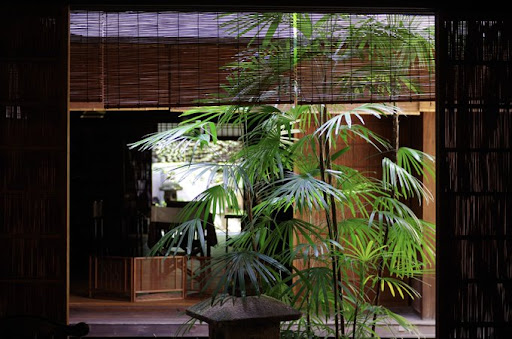
京町家を見学したくて、お電話し案内して頂きました。 夏の京町家の特徴や、昔の家の機能美と 生活の様子などを教えてもらい知らんことばっかりで勉強になりました。

あと、沢山の芸術作品があり色んな作品が見られます。絢爛豪華に飾る訳でもないけど、手入れが行き届いており、大切に暮らしてはるのが感じられるお家でした。 気持ち良い風の通り抜けるお家で ご当主のお話を聞くのも京都の町家見学の醍醐味でした。

京都市内に行ったら是非...

   Read more
avatar
1.0
1y

일본 건축물 많이 보러 다녔지만 입장료를 2,000엔이나 받으면서 이렇게 볼 것 없는 곳도 처음입니다. 2,3년전 후기에 올라와 있는 사진을 테블릿pc로 보여주며 집에 관한 수다 수준의 설명을 30분 넘게 합니다. 실제 실내에는 전시품이 전혀 없습니다. 집 내부도 특별한 것은 없습니다. 후기 사진...

   Read more
Page 1 of 7
Previous
Next