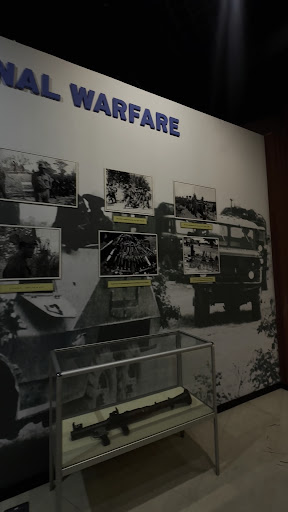
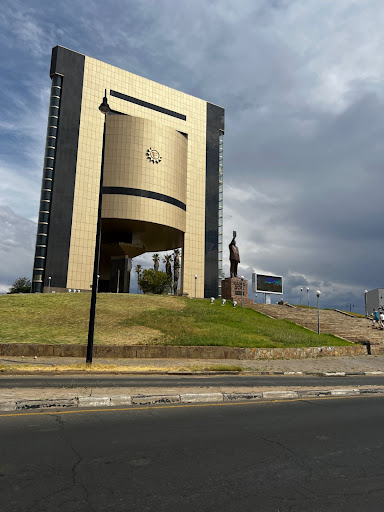
Independence Museum things to do, attractions, restaurants, events info and trip planning
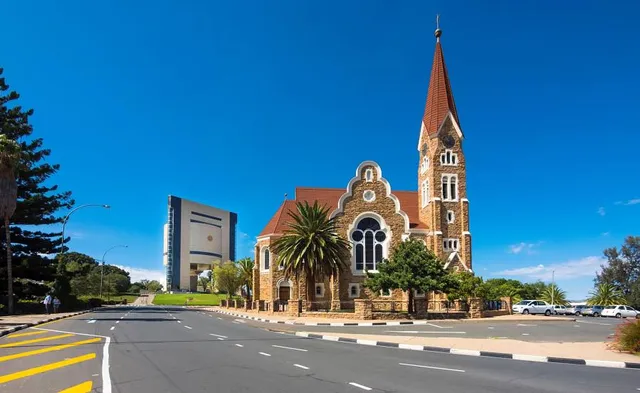
Basic Info
Independence Museum
C3JQ+F59 Independence Memorial Museum, Windhoek, Namibia
4.1(420)
Closed
Save
spot
spot
Ratings & Description
Info
Cultural
Family friendly
Accessibility
attractions: Christuskirche, Alte Feste, Craft Market (Independence Ave), Parlamentgärten, Windhoek City Museum, NG Moedergemeente / Windhoek Congregation, N.G. Kerk Windhoek-Oos, National Art Gallery of Namibia, St. George's Cathedral, Schwerinsburg, restaurants: Windhoek Sky Restaurant, Berrylicious Restaurant, Café Zoo - La Marmite Royale, Pizzeria Sicilia Restaurant, Vinyls Music Cafe, Stratos At Avani, Cafe Schneider, KFC Windhoek, The Brewers Market, Craft Bistro, local businesses: Parliament Gardens, Wernhil, Model Wernhil, St. Mary’ Cathedral, Milky Lane, Muso's - Time Boutique & Music, Wilderness Namibia
 Learn more insights from Wanderboat AI.
Phone
+264 61 276 800
Website
museums.com.na
Open hoursSee all hours
Fri9 AM - 4:30 PMClosed
Plan your stay

Pet-friendly Hotels in Khomas
Find a cozy hotel nearby and make it a full experience.

Affordable Hotels in Khomas
Find a cozy hotel nearby and make it a full experience.

The Coolest Hotels You Haven't Heard Of (Yet)
Find a cozy hotel nearby and make it a full experience.

Trending Stays Worth the Hype in Khomas
Find a cozy hotel nearby and make it a full experience.
Reviews
Nearby attractions of Independence Museum
Christuskirche
Alte Feste
Craft Market (Independence Ave)
Parlamentgärten
Windhoek City Museum
NG Moedergemeente / Windhoek Congregation
N.G. Kerk Windhoek-Oos
National Art Gallery of Namibia
St. George's Cathedral
Schwerinsburg
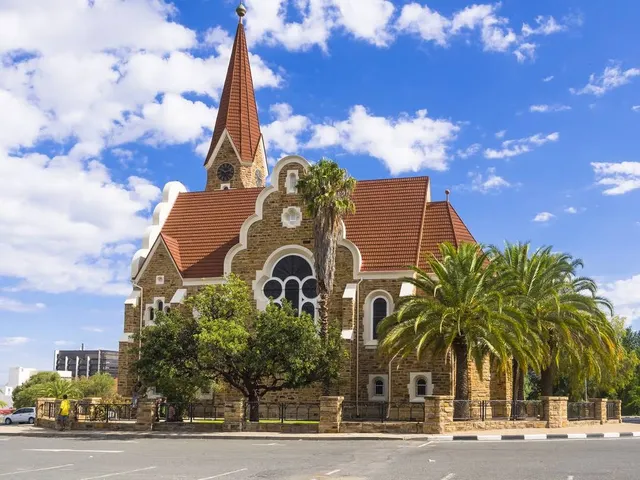
Christuskirche
4.4
(392)
Open 24 hours
Click for details
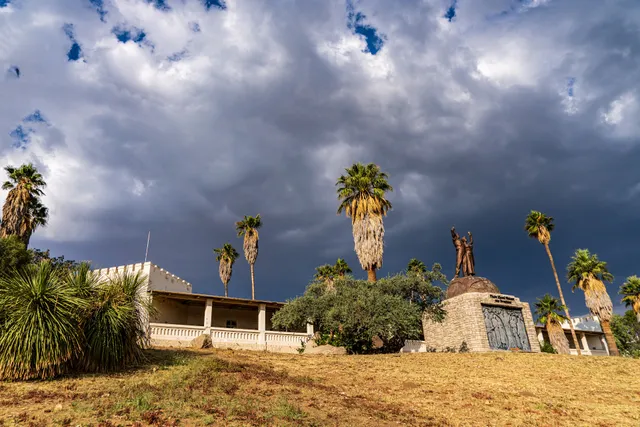
Alte Feste
2.9
(16)
Open 24 hours
Click for details
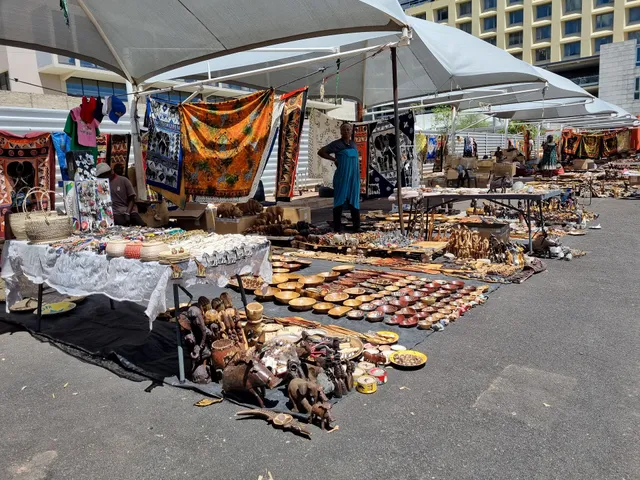
Craft Market (Independence Ave)
3.9
(171)
Closed
Click for details
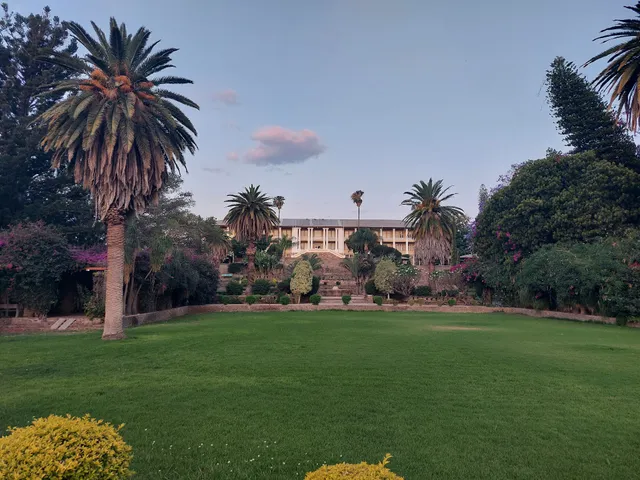
Parlamentgärten
3.5
(8)
Closed
Click for details
Nearby restaurants of Independence Museum
Windhoek Sky Restaurant
Berrylicious Restaurant
Café Zoo - La Marmite Royale
Pizzeria Sicilia Restaurant
Vinyls Music Cafe
Stratos At Avani
Cafe Schneider
KFC Windhoek
The Brewers Market
Craft Bistro
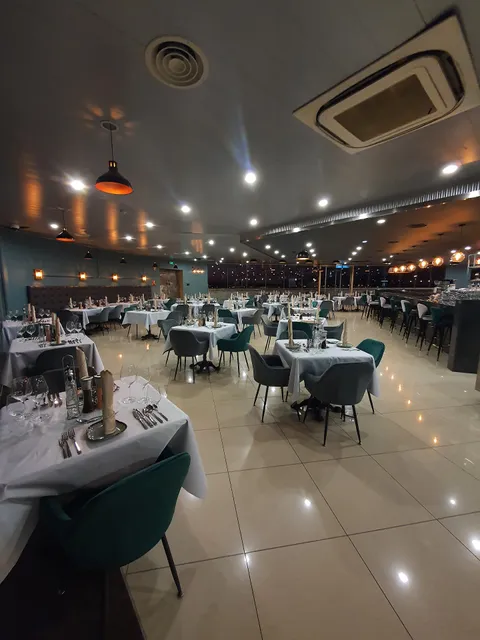
Windhoek Sky Restaurant
4.4
(57)
Open until 11:30 PM
Click for details
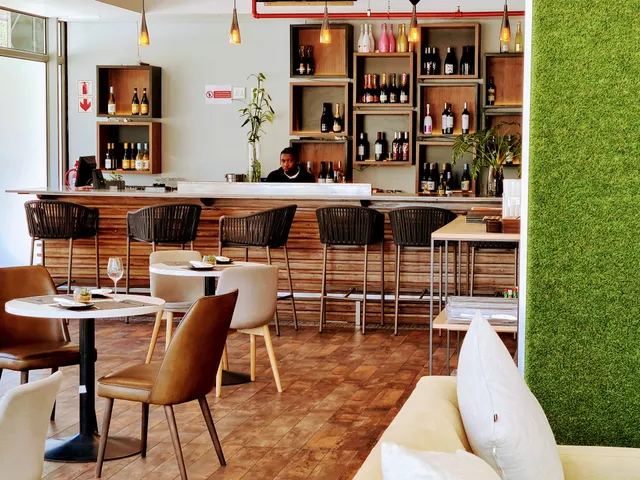
Berrylicious Restaurant
3.9
(46)
Open until 12:00 AM
Click for details
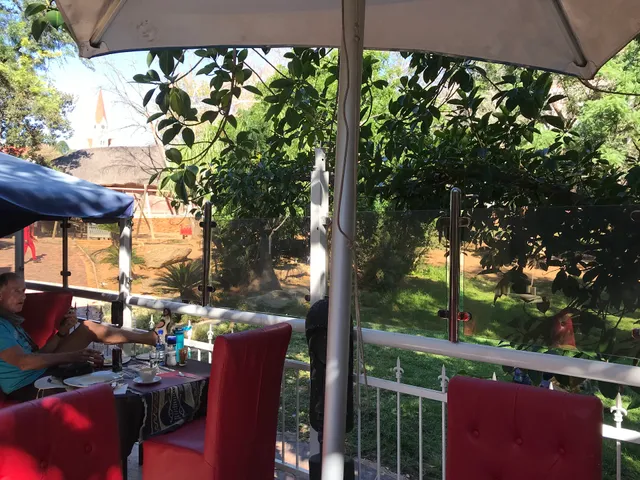
Café Zoo - La Marmite Royale
4.0
(174)
Open until 11:00 PM
Click for details
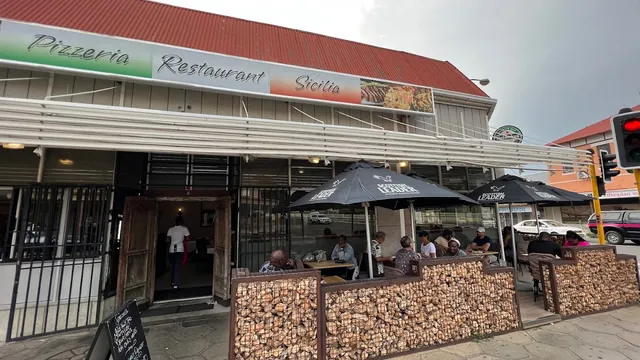
Pizzeria Sicilia Restaurant
4.0
(676)
$$
Open until 10:30 PM
Click for details
Nearby local services of Independence Museum
Parliament Gardens
Wernhil
Model Wernhil
St. Mary’ Cathedral
Milky Lane
Muso's - Time Boutique & Music
Wilderness Namibia
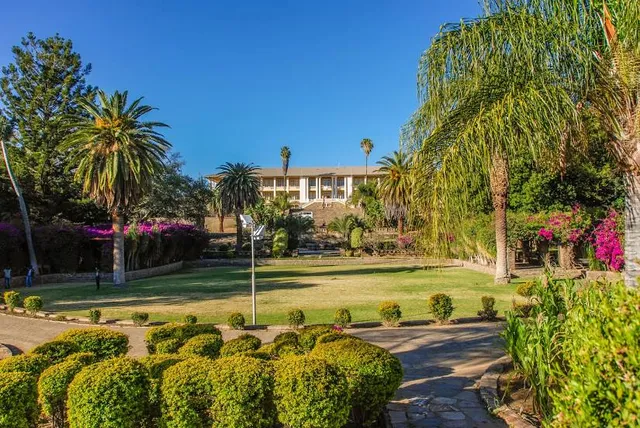
Parliament Gardens
4.2
(187)
Click for details
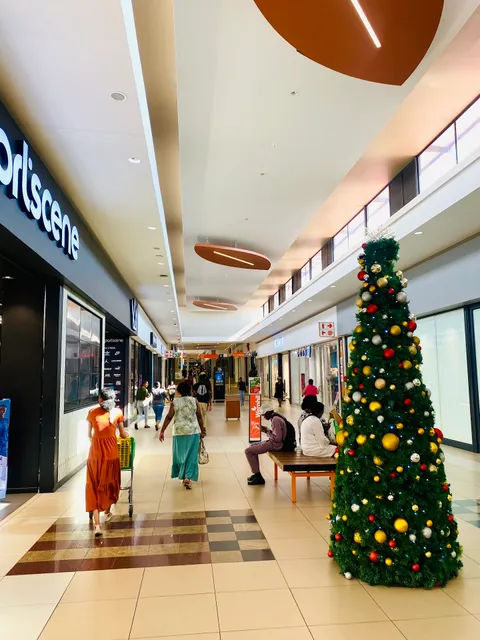
Wernhil
4.2
(3.8K)
Click for details
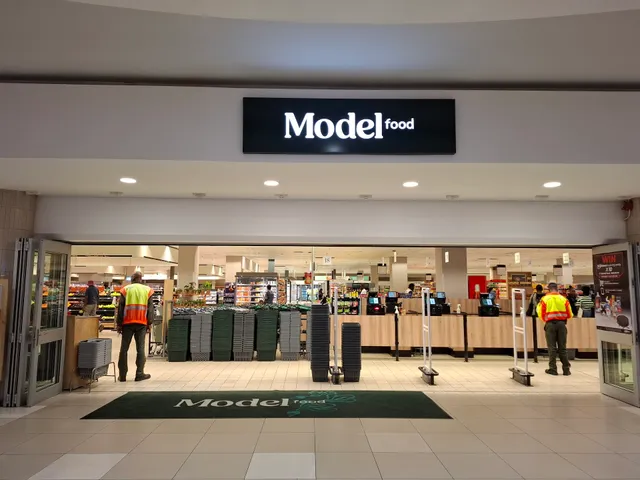
Model Wernhil
4.1
(480)
Click for details
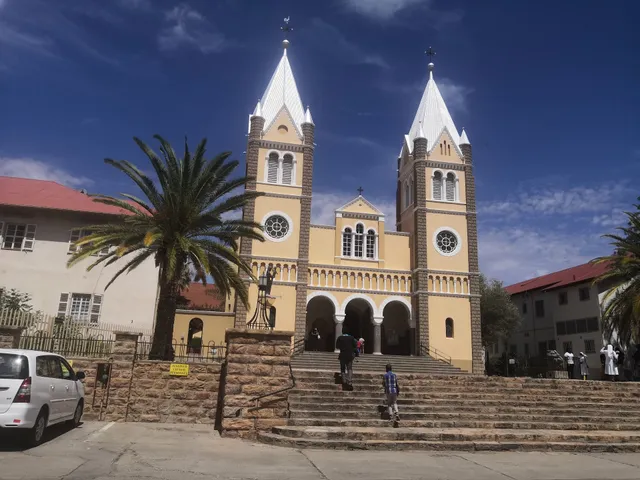
St. Mary’ Cathedral
4.5
(172)
Click for details