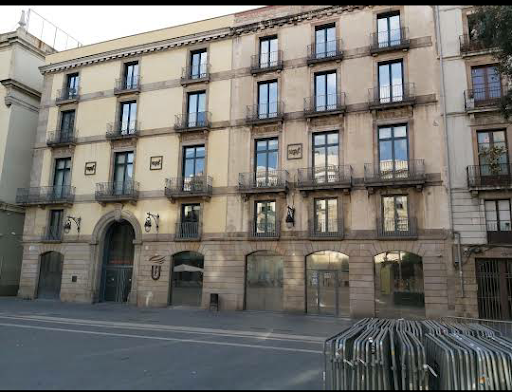
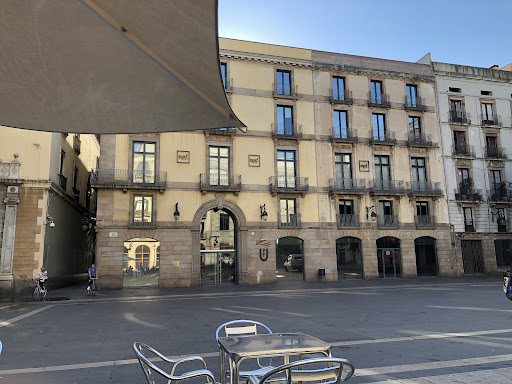
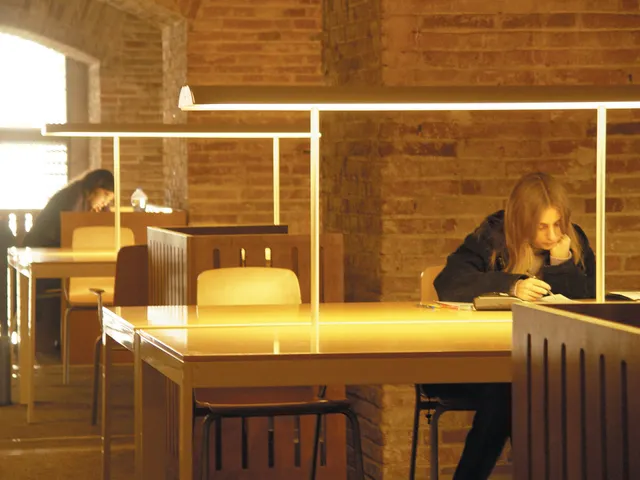
Pompeu Fabra University things to do, attractions, restaurants, events info and trip planning
Basic Info
Pompeu Fabra University
Carrer de la Mercè, 12, Ciutat Vella, 08002 Barcelona, Spain
3.8(110)
Open until 8:00 PM
Save
spot
spot
Ratings & Description
Info
attractions: Basilica of Our Lady of Mercy, Palau Martorell, Columbus Monument, Moll de la Fusta, Museum Of Wax Barcelona, Aquàrium Barcelona, Plaça Reial, Hemp Museum Gallery, La Gamba, Shanti Vida, restaurants: Sensi Tapas, Cecconi's Barcelona, La Pachuca, Koku Kitchen | El Gòtic, Petit Tapas, Gourmet Sensi, Bar Pepino, Colom Restaurant, La Plata, Antic Pitarra, local businesses: Pg. de Colom, Passeig de Colom, UK-LOOK, Hash Marihuana & Hemp Museum Barcelona, Macarena Club Barcelona, Moll de la Fusta, Moll d'Espanya, 5, Menjar per Emportar, Plaça de Sant Jaume, its Miel JEWELRY
 Learn more insights from Wanderboat AI.
Website
upf.edu
Open hoursSee all hours
Thu8 AM - 8 PMOpen
Plan your stay

Pet-friendly Hotels in Barcelona
Find a cozy hotel nearby and make it a full experience.

Affordable Hotels in Barcelona
Find a cozy hotel nearby and make it a full experience.

The Coolest Hotels You Haven't Heard Of (Yet)
Find a cozy hotel nearby and make it a full experience.

Trending Stays Worth the Hype in Barcelona
Find a cozy hotel nearby and make it a full experience.
Reviews
Live events

LEONARDO VERSUS MICHELANGELO
Thu, Feb 12 • 5:00 PM
Carrer del Dr. Trueta, 196, 08005
View details
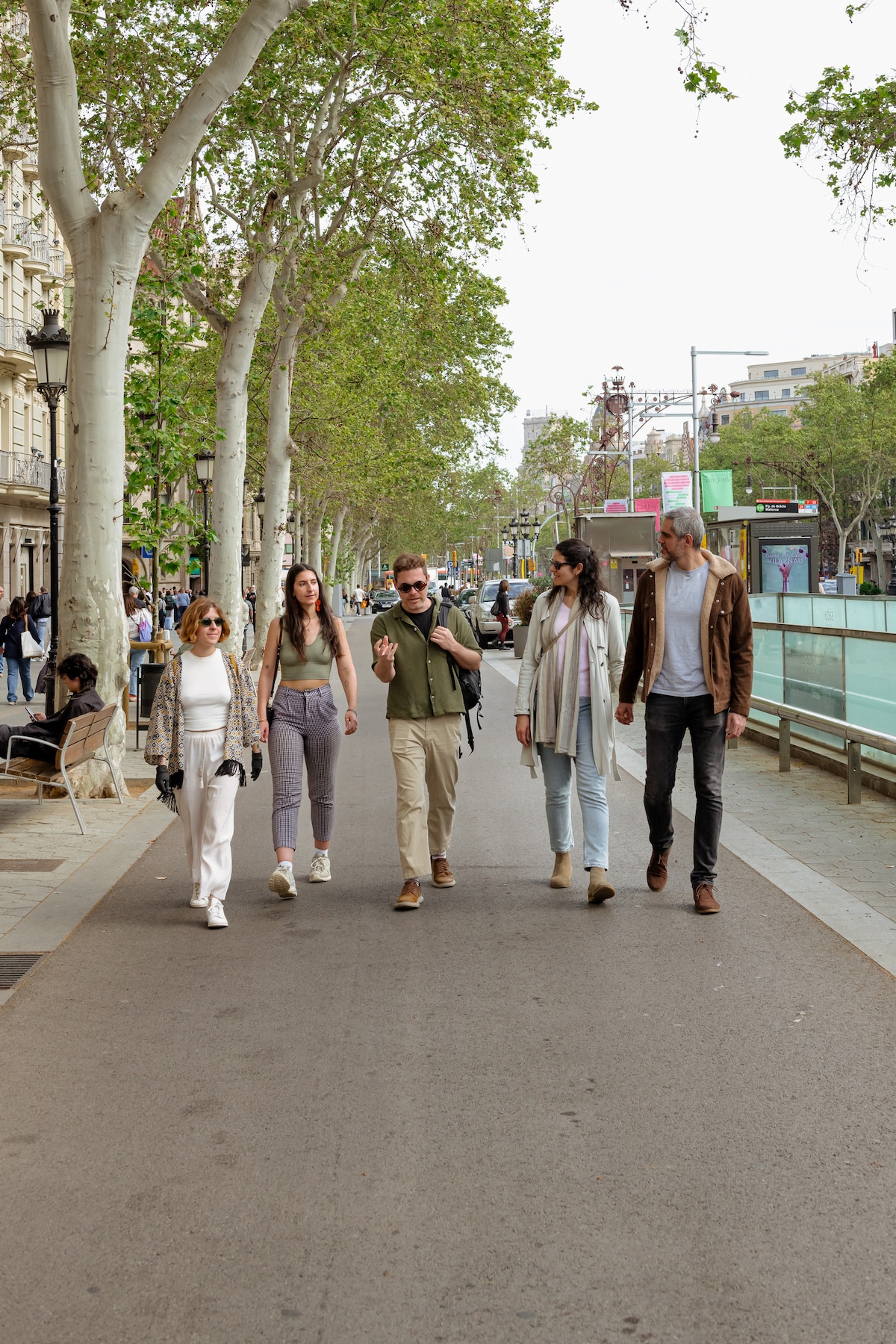
Sagrada Familia Sunset and Gaudi Tour
Fri, Feb 13 • 3:00 PM
08007, Barcelona, Catalonia, Spain
View details
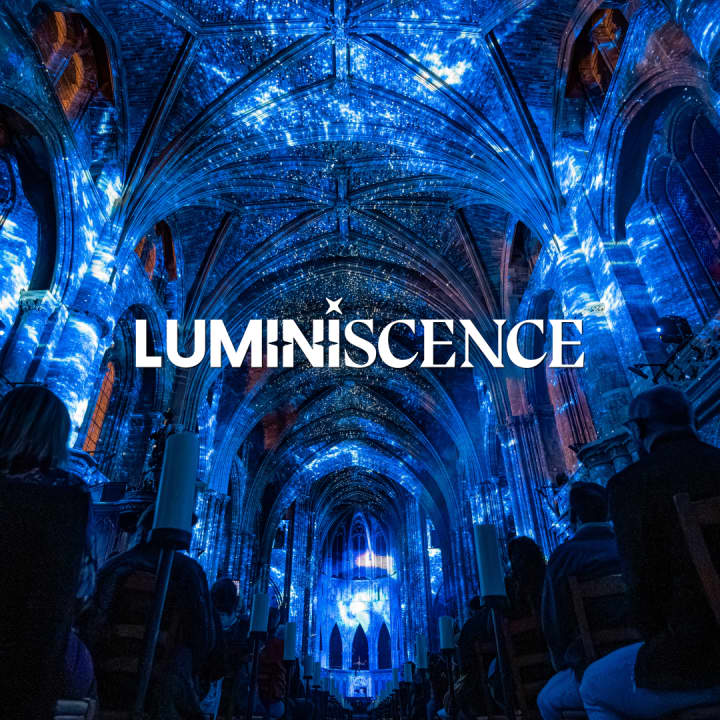
LUMINISCENCE: Sumérgete en los secretos de la Basílica Santa Maria del Pi
Thu, Feb 12 • 7:45 PM
Plaça del Pi, 7, Barcelona, 08002
View details
Nearby attractions of Pompeu Fabra University
Basilica of Our Lady of Mercy
Palau Martorell
Columbus Monument
Moll de la Fusta
Museum Of Wax Barcelona
Aquàrium Barcelona
Plaça Reial
Hemp Museum Gallery
La Gamba
Shanti Vida
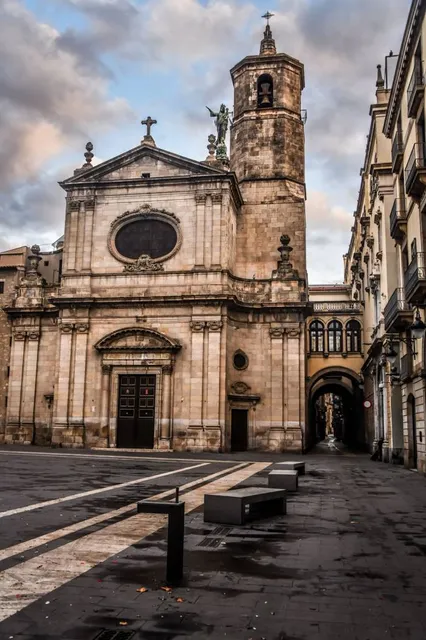
Basilica of Our Lady of Mercy
4.6
(1.2K)
Open until 8:00 PM
Click for details
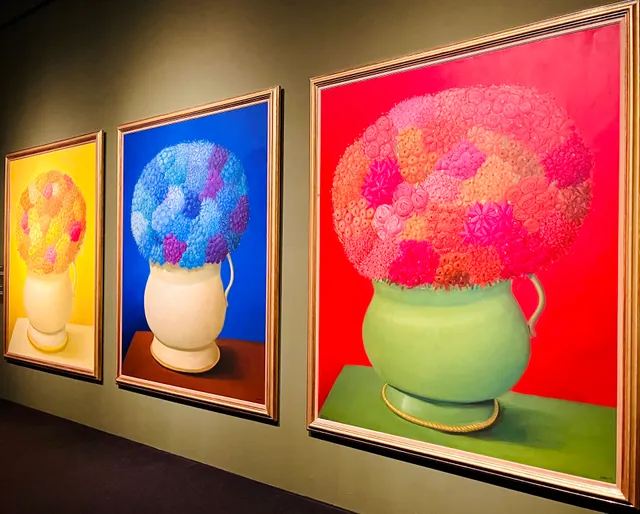
Palau Martorell
4.6
(694)
Open until 8:00 PM
Click for details
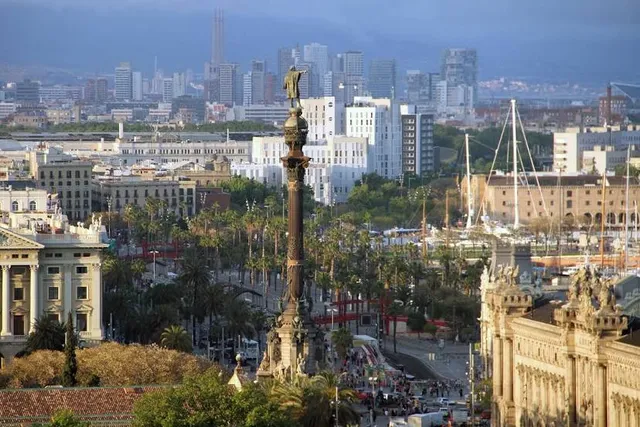
Columbus Monument
4.5
(18.3K)
Closed
Click for details
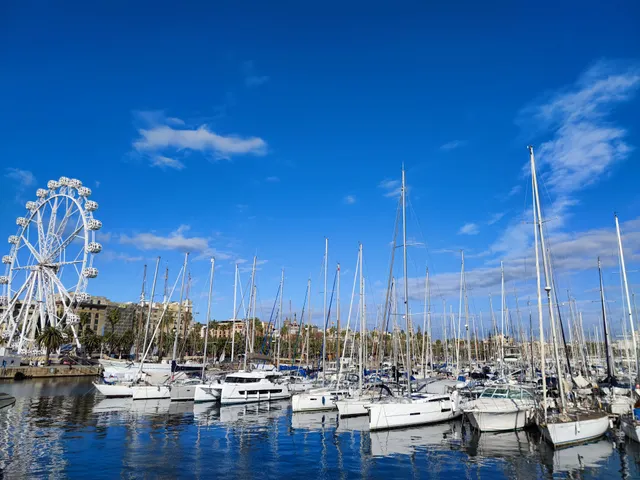
Moll de la Fusta
4.5
(1.1K)
Open until 12:00 AM
Click for details
Nearby restaurants of Pompeu Fabra University
Sensi Tapas
Cecconi's Barcelona
La Pachuca
Koku Kitchen | El Gòtic
Petit Tapas
Gourmet Sensi
Bar Pepino
Colom Restaurant
La Plata
Antic Pitarra
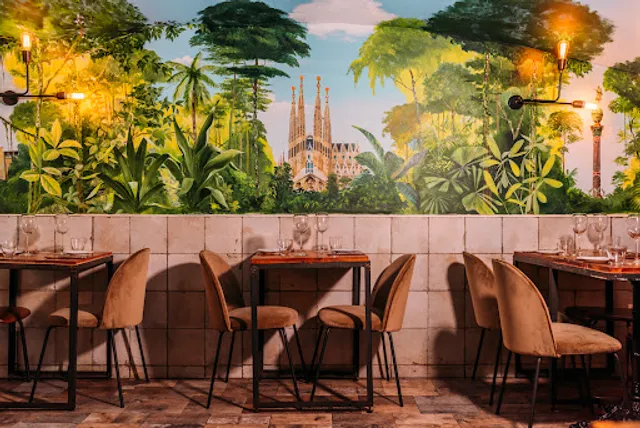
Sensi Tapas
4.7
(3.6K)
Open until 12:30 AM
Click for details
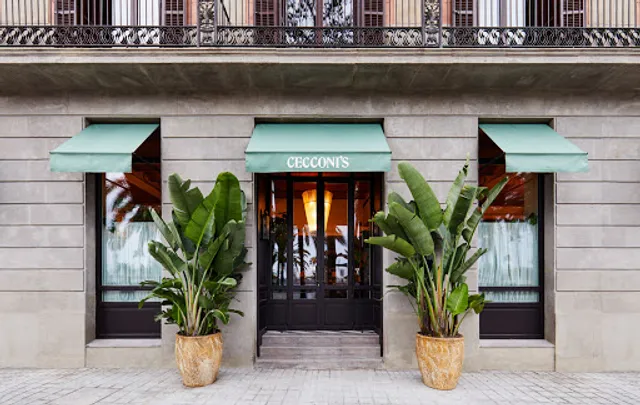
Cecconi's Barcelona
4.4
(942)
$$$
Closed
Click for details

La Pachuca
4.5
(1.7K)
Open until 2:00 AM
Click for details
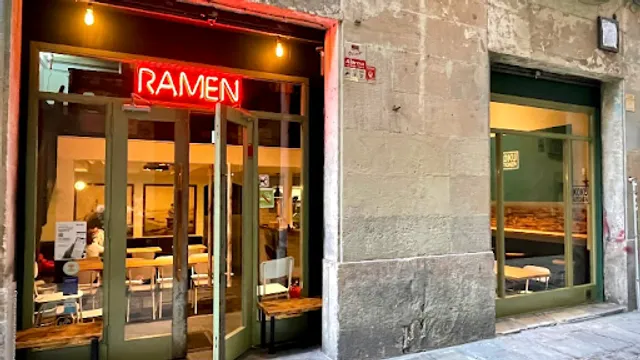
Koku Kitchen | El Gòtic
4.5
(1.4K)
Closed
Click for details
Nearby local services of Pompeu Fabra University
Pg. de Colom
Passeig de Colom
UK-LOOK
Hash Marihuana & Hemp Museum Barcelona
Macarena Club Barcelona
Moll de la Fusta
Moll d'Espanya, 5
Menjar per Emportar
Plaça de Sant Jaume
its Miel JEWELRY
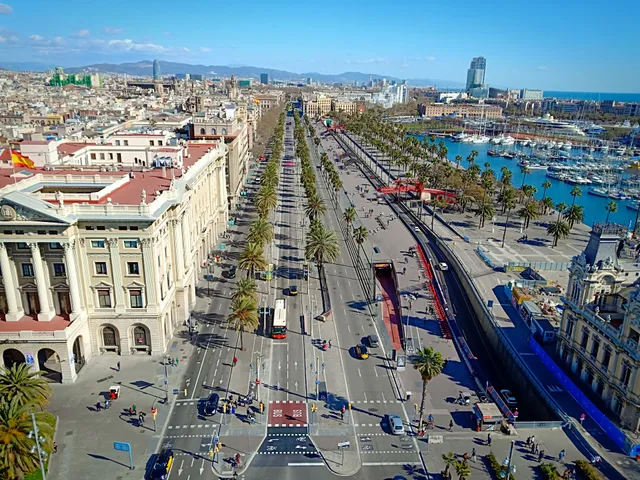
Pg. de Colom
4.7
(179)
Click for details
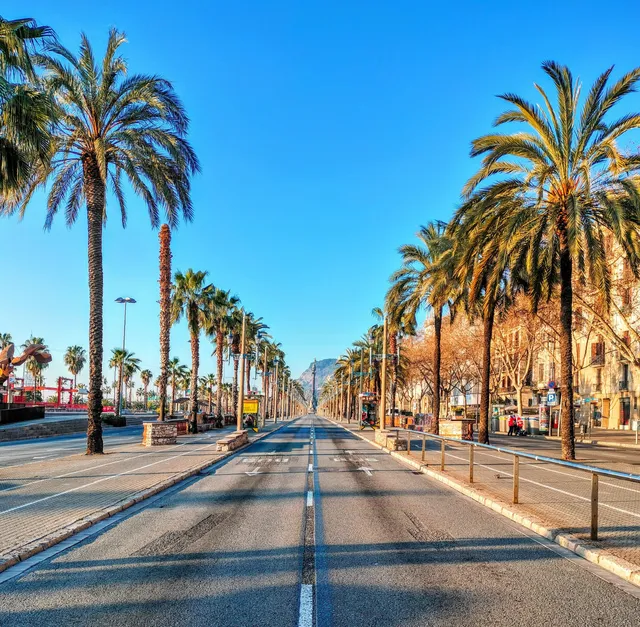
Passeig de Colom
4.7
(96)
Click for details

UK-LOOK
4.3
(194)
Click for details

Hash Marihuana & Hemp Museum Barcelona
4.5
(458)
Click for details