Real Academia de Medicina de Cataluña things to do, attractions, restaurants, events info and trip planning

Basic Info
Real Academia de Medicina de Cataluña
Carrer del Carme, 47, Ciutat Vella, 08001 Barcelona, Spain
4.6(182)
Open until 12:00 AM
Save
spot
spot
Ratings & Description
Info
Cultural
Accessibility
attractions: Museum of Illusions, Jardins de Rubió i Lluch, Sant Pau - Santa Creu Public Library, Old Hospital de la Santa Creu, Barcelona Erotic Museum, Virreina Palace, Centre de Cultura Contemporània de Barcelona, Jardins del Doctor Fleming, Teatre Poliorama, Big Fun Museum, restaurants: Restaurante Arze Libanés, Rosa Negra (Raval) - Bar & Restaurante Mexicano, Tosca del Carme, Caravelle, Carlota Akaneya, Bar Boqueria, Biocenter, Superclàssic, O'Toxo 3 Brothers, El Gallinero, local businesses: The Paella Club, Carrefour Market, Paella Barcelona Cooking School, CARMEN Barcelona, Església de la Mare de Déu de Betlem, Laser Barcelona Flagship Store, Decathlon, Barça Store, Primark, Casa Parramon SL
 Learn more insights from Wanderboat AI.
Phone
+34 933 17 16 86
Website
ramc.cat
Open hoursSee all hours
SatClosedOpen
Plan your stay

Pet-friendly Hotels in Barcelona
Find a cozy hotel nearby and make it a full experience.

Affordable Hotels in Barcelona
Find a cozy hotel nearby and make it a full experience.

The Coolest Hotels You Haven't Heard Of (Yet)
Find a cozy hotel nearby and make it a full experience.

Trending Stays Worth the Hype in Barcelona
Find a cozy hotel nearby and make it a full experience.
Reviews
Live events
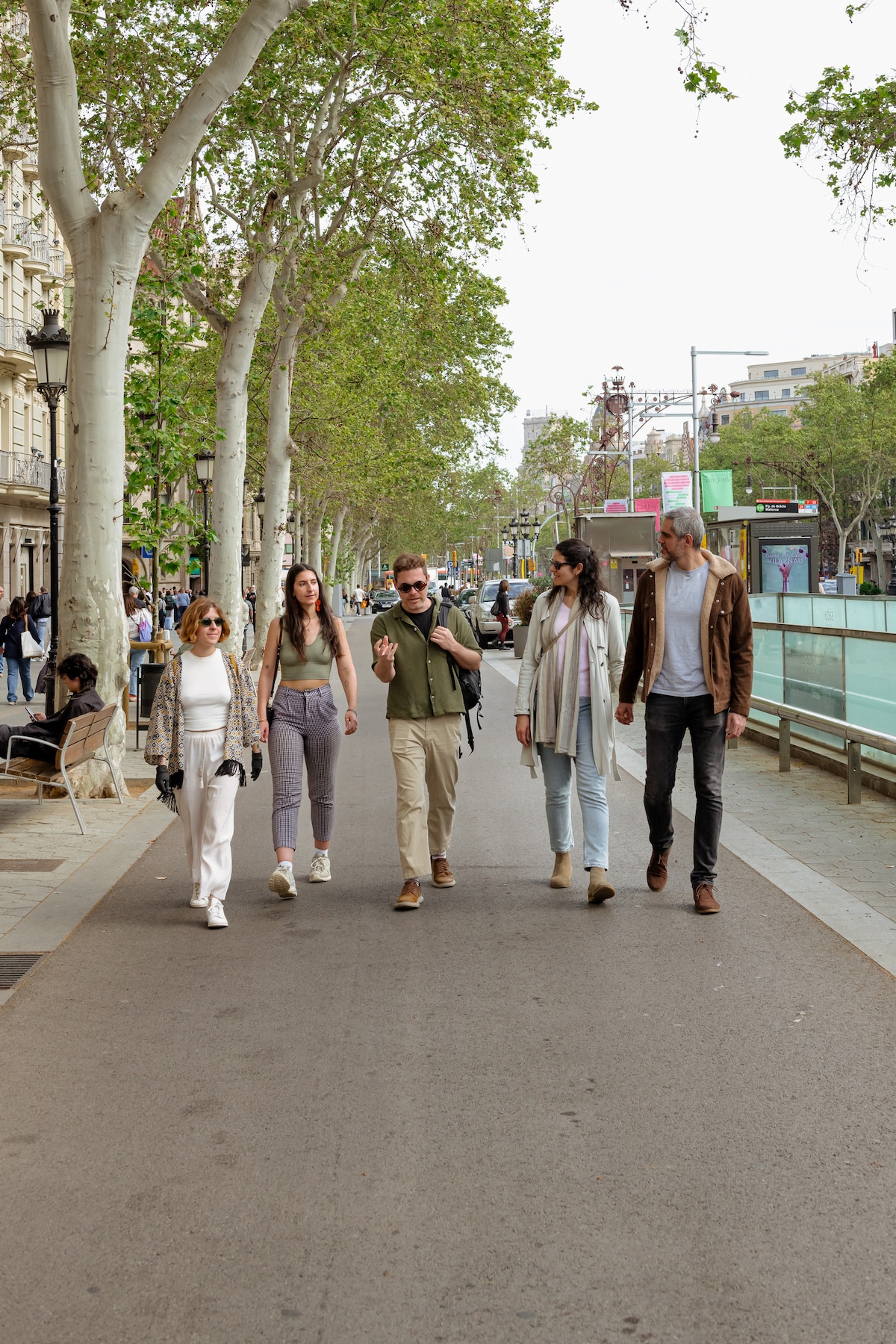
Sagrada Familia Sunset and Gaudi Tour
Sun, Feb 15 • 3:00 PM
08007, Barcelona, Catalonia, Spain
View details
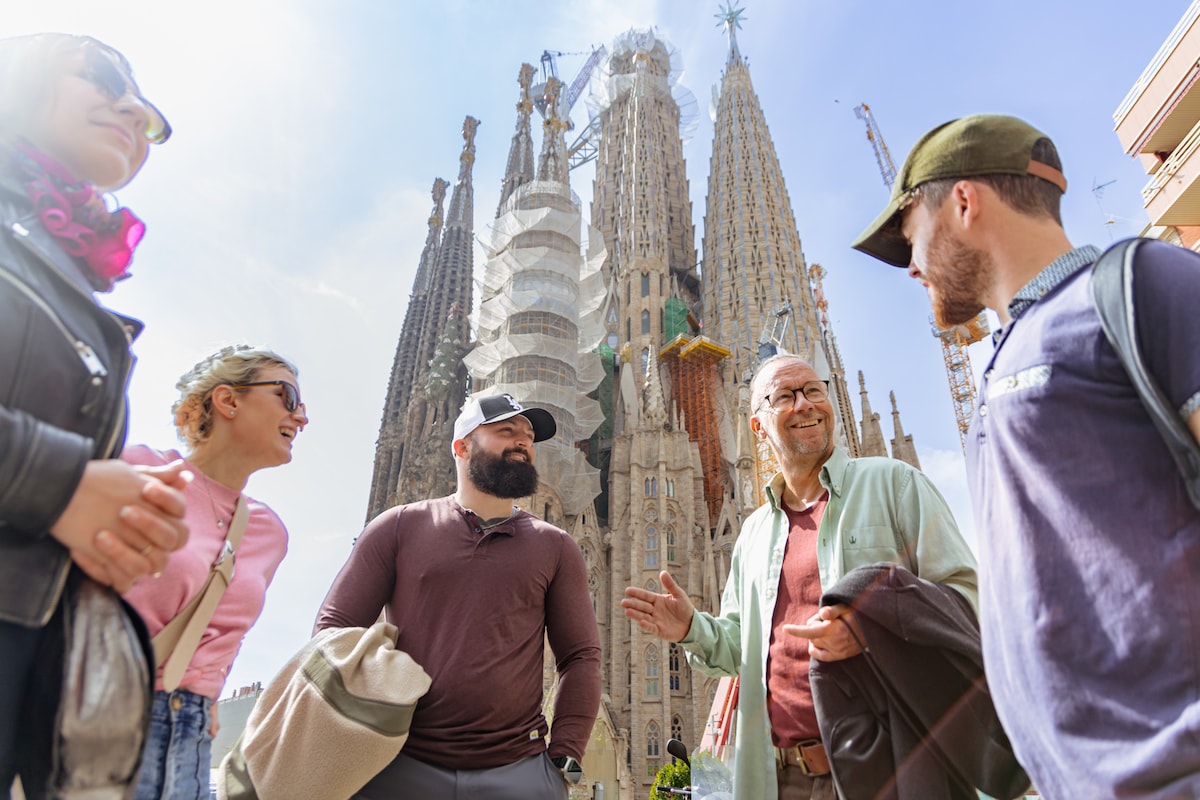
Introduction to Gaudí - Walk to Sagrada Família
Sun, Feb 15 • 9:30 AM
08002, Barcelona, Catalonia, Spain
View details
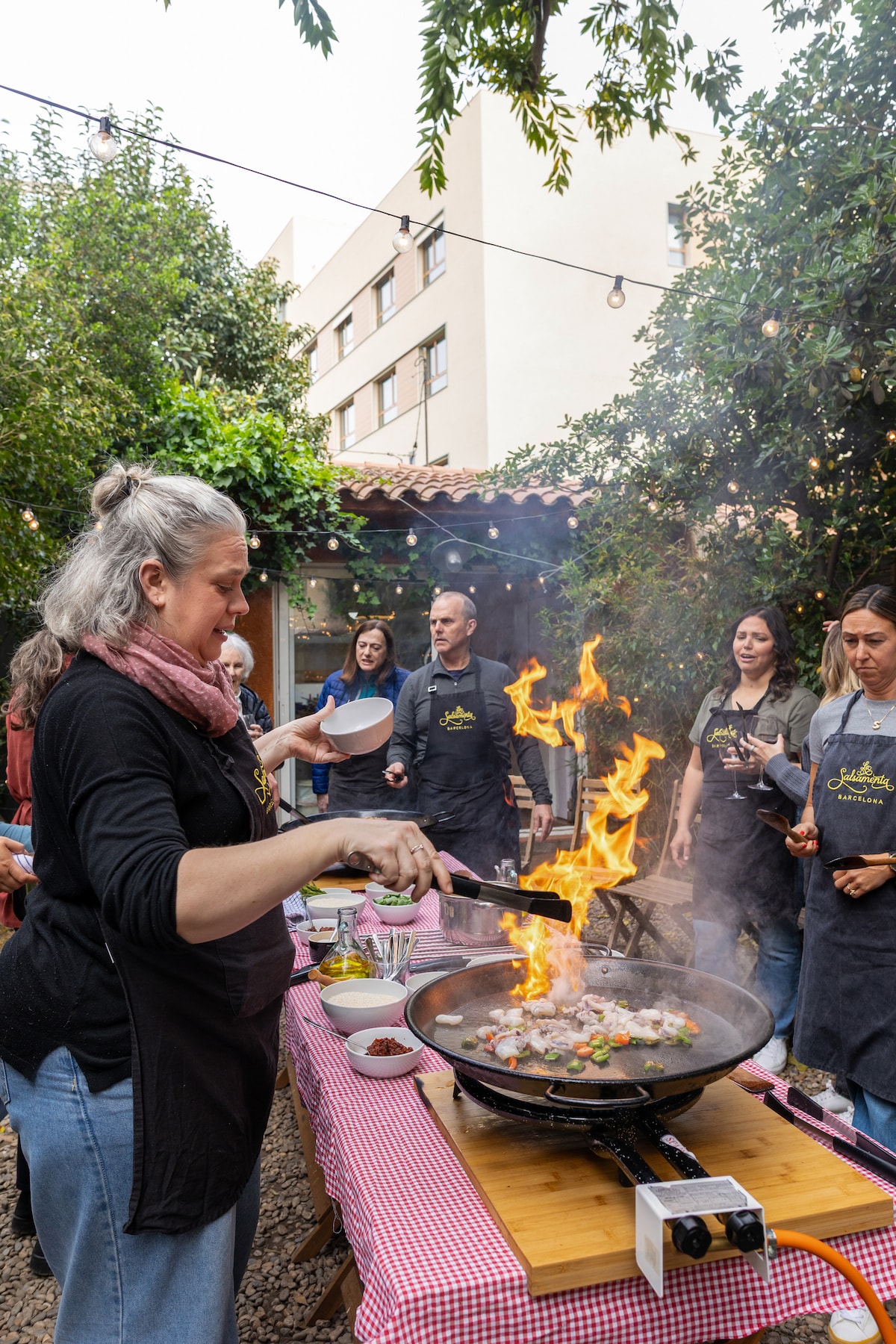
Paella in my secret garden
Sun, Feb 15 • 11:30 AM
08024, Barcelona, Catalonia, Spain
View details
Nearby attractions of Real Academia de Medicina de Cataluña
Museum of Illusions
Jardins de Rubió i Lluch
Sant Pau - Santa Creu Public Library
Old Hospital de la Santa Creu
Barcelona Erotic Museum
Virreina Palace
Centre de Cultura Contemporània de Barcelona
Jardins del Doctor Fleming
Teatre Poliorama
Big Fun Museum
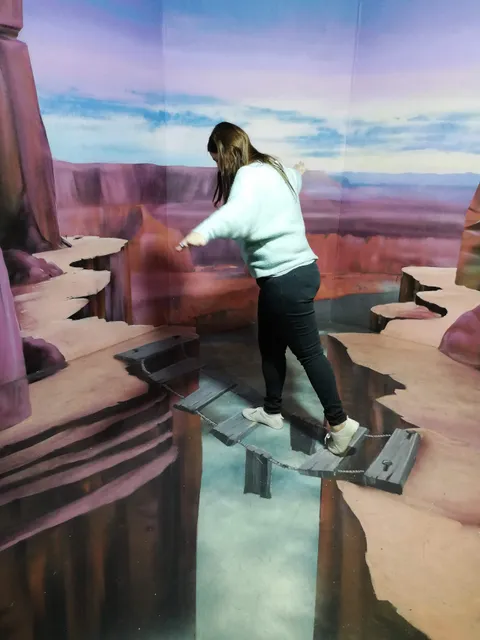
Museum of Illusions
3.9
(2.8K)
Closed
Click for details
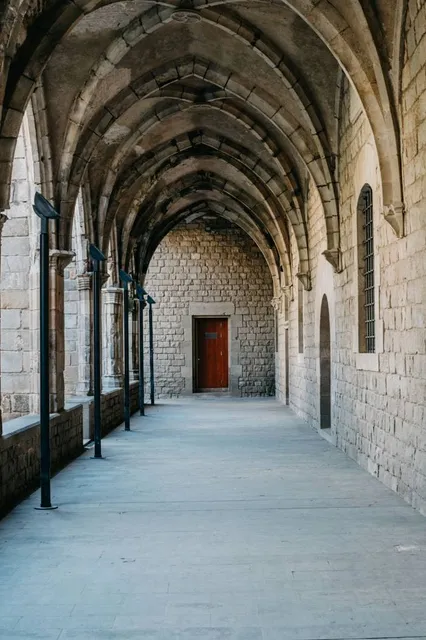
Jardins de Rubió i Lluch
4.3
(485)
Closed
Click for details

Sant Pau - Santa Creu Public Library
4.0
(93)
Closed
Click for details
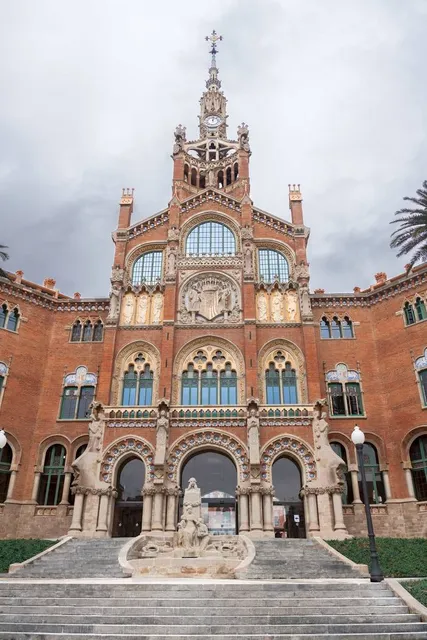
Old Hospital de la Santa Creu
4.4
(286)
Closed
Click for details
Nearby restaurants of Real Academia de Medicina de Cataluña
Restaurante Arze Libanés
Rosa Negra (Raval) - Bar & Restaurante Mexicano
Tosca del Carme
Caravelle
Carlota Akaneya
Bar Boqueria
Biocenter
Superclàssic
O'Toxo 3 Brothers
El Gallinero

Restaurante Arze Libanés
4.9
(263)
$
Closed
Click for details
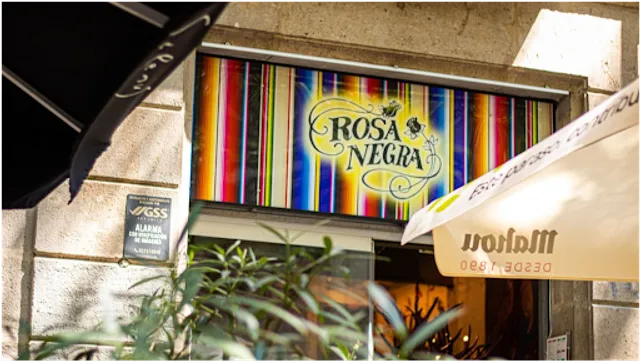
Rosa Negra (Raval) - Bar & Restaurante Mexicano
4.4
(2.5K)
$
Closed
Click for details
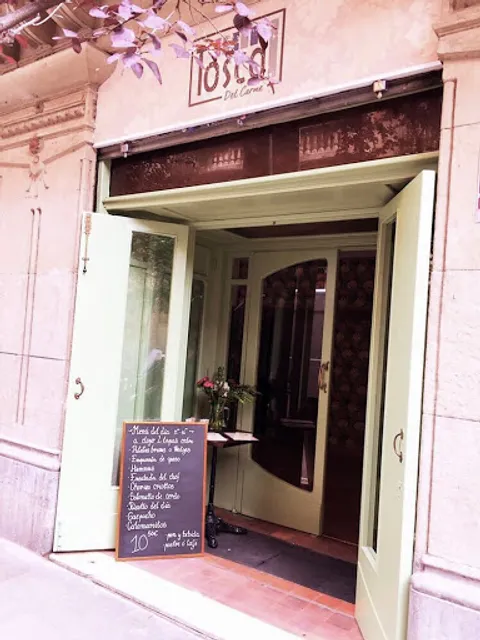
Tosca del Carme
4.4
(1.2K)
Open until 1:00 AM
Click for details
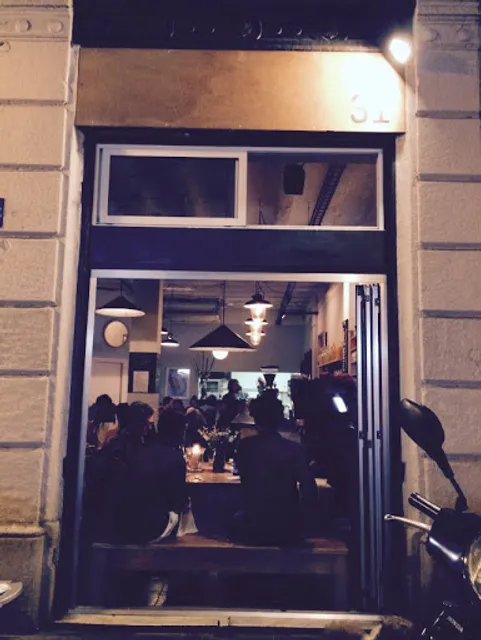
Caravelle
4.7
(1.6K)
$
Closed
Click for details
Nearby local services of Real Academia de Medicina de Cataluña
The Paella Club
Carrefour Market
Paella Barcelona Cooking School
CARMEN Barcelona
Església de la Mare de Déu de Betlem
Laser Barcelona Flagship Store
Decathlon
Barça Store
Primark
Casa Parramon SL

The Paella Club
4.9
(381)
Click for details
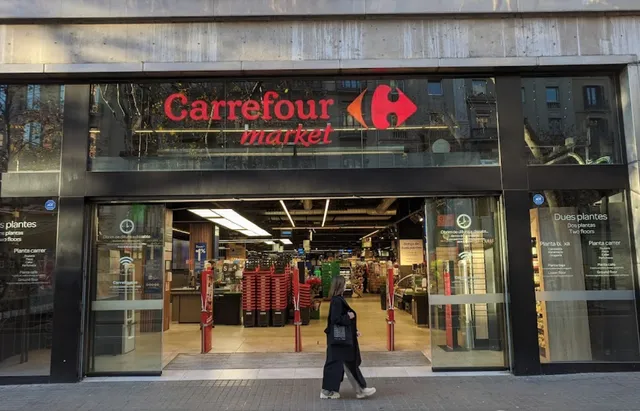
Carrefour Market
4.2
(4.8K)
Click for details
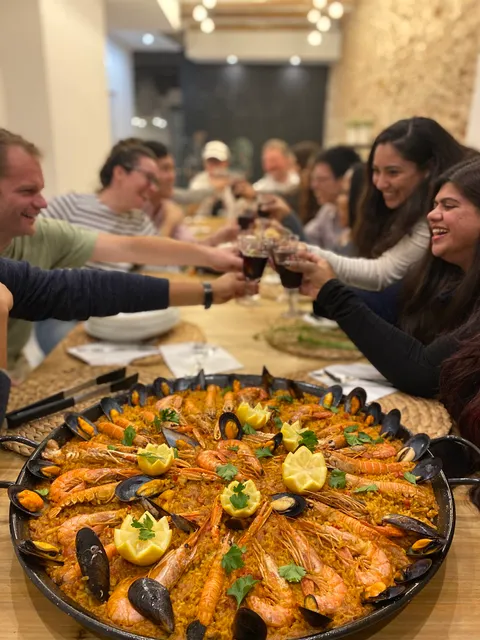
Paella Barcelona Cooking School
5.0
(405)
Click for details

CARMEN Barcelona
5.0
(582)
Click for details