Fo Guang Buddhist Temple Boston things to do, attractions, restaurants, events info and trip planning
Basic Info
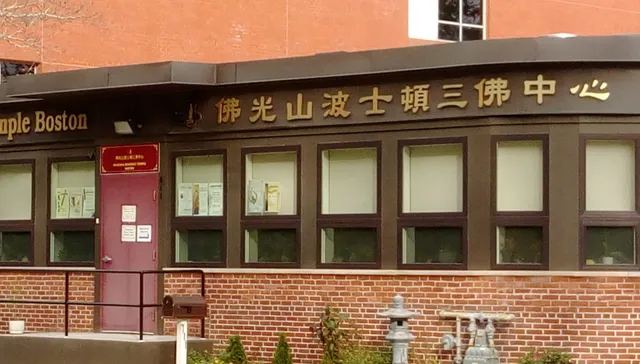
Fo Guang Buddhist Temple Boston
711 Concord Ave, Cambridge, MA 02138
4.8(17)
Closed
Save
spot
spot
Ratings & Description
Info
Cultural
Relaxation
Family friendly
Accessibility
attractions: Rafferty Park, Fresh Pond, Alewife Brook Pathway, Belmont Acres, Little Fresh Pond Dog Beach, Start of Minuteman Bike Path, restaurants: Burger King, Iggy’s Bread, Spice Delight, Revival Cafe+Kitchen, Genki Ya - Cambridge, Comella's Restaurants Belmont, Ma Magoo's, Bon Me - Fresh Pond / Alewife, Top Mix Bar & Kitchen Cambridge, Summer Shack, local businesses: Alewife Brook Parkway Shopping Center, Artisan Interiors, Pet Supply Outlet, Indigo Fire Belmont, Fresh Pond Mall, Circle Furniture - Cambridge, Fresh Pond Reservation, CVS, Hillside Gardens, Belmont Convenience Store. Beer & wine
 Learn more insights from Wanderboat AI.
Phone
(617) 547-6670
Website
fgsbtboston.org
Open hoursSee all hours
Sat10 AM - 5 PMClosed
Plan your stay

Pet-friendly Hotels in Cambridge
Find a cozy hotel nearby and make it a full experience.

Affordable Hotels in Cambridge
Find a cozy hotel nearby and make it a full experience.

The Coolest Hotels You Haven't Heard Of (Yet)
Find a cozy hotel nearby and make it a full experience.

Trending Stays Worth the Hype in Cambridge
Find a cozy hotel nearby and make it a full experience.
Reviews
Live events
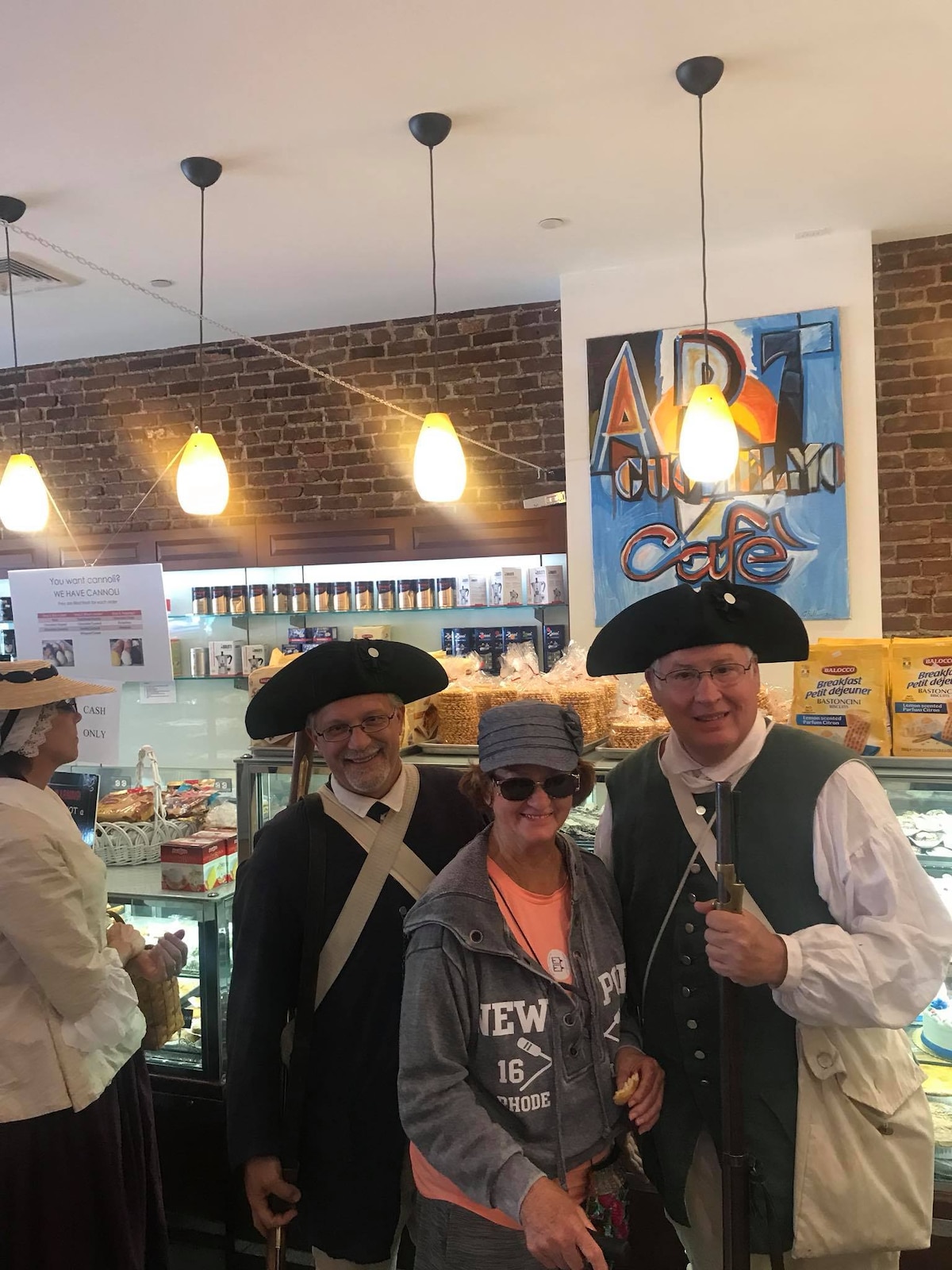
Bostons Politically Incorrect North End Food Tour
Sun, Feb 15 • 11:30 AM
Boston, Massachusetts, 02113
View details

John Adams: The Voice Heard Round the World
Mon, Feb 16 • 11:00 AM
13 Depot Square Lexington, MA 02420
View details
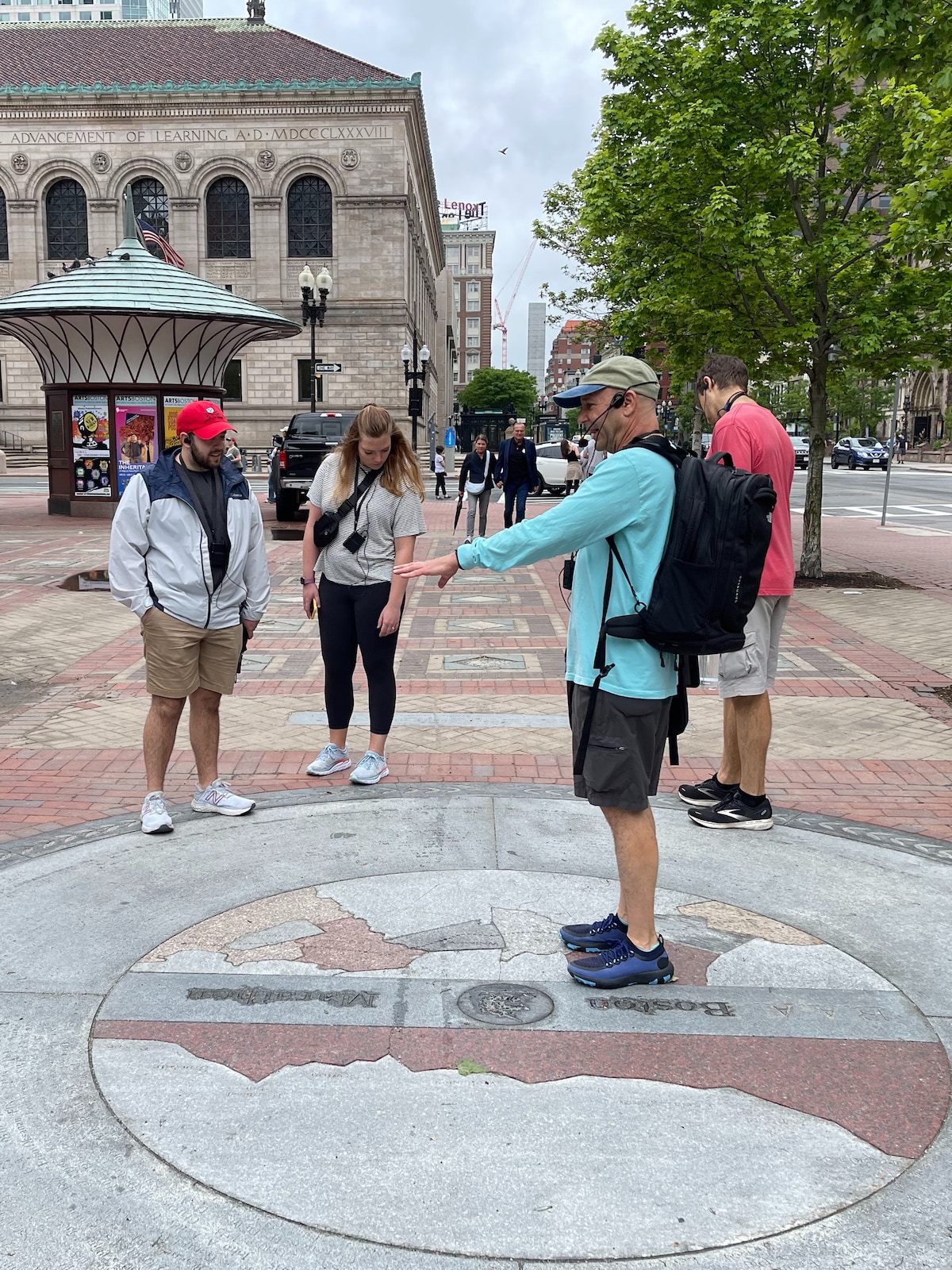
Walk your way through Bostons history
Sun, Feb 15 • 9:30 AM
Boston, Massachusetts, 02199
View details
Nearby attractions of Fo Guang Buddhist Temple Boston
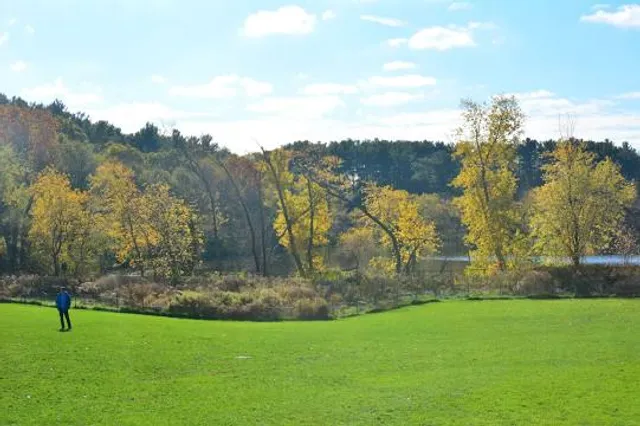
Rafferty Park
Fresh Pond
Alewife Brook Pathway
Belmont Acres
Little Fresh Pond Dog Beach
Start of Minuteman Bike Path
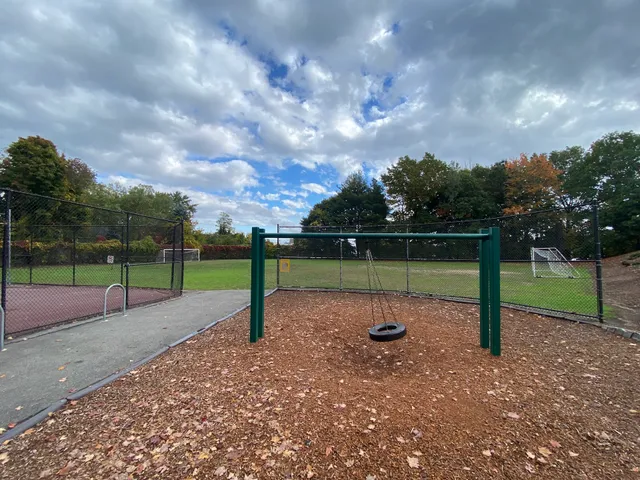
Rafferty Park
4.3
(17)
Open until 8:00 PM
Click for details
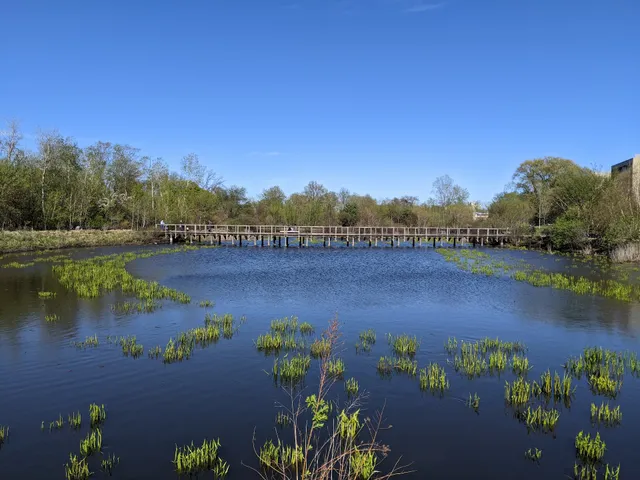
Fresh Pond
4.6
(56)
Open 24 hours
Click for details
Alewife Brook Pathway
4.6
(69)
Open until 10:00 PM
Click for details
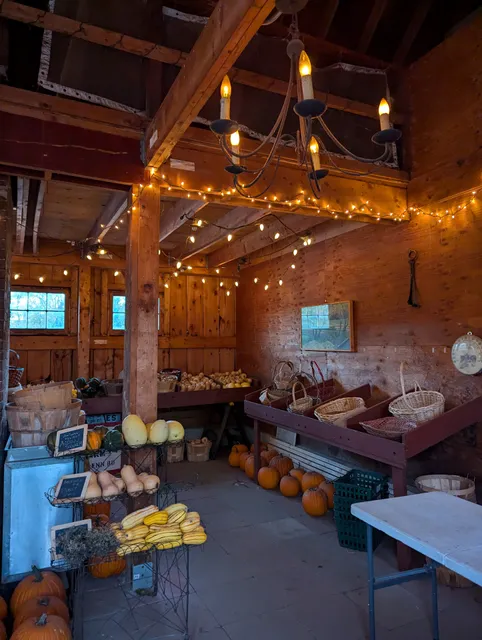
Belmont Acres
5.0
(9)
Open 24 hours
Click for details
Nearby restaurants of Fo Guang Buddhist Temple Boston
Burger King
Iggy’s Bread
Spice Delight
Revival Cafe+Kitchen
Genki Ya - Cambridge
Comella's Restaurants Belmont
Ma Magoo's
Bon Me - Fresh Pond / Alewife
Top Mix Bar & Kitchen Cambridge
Summer Shack
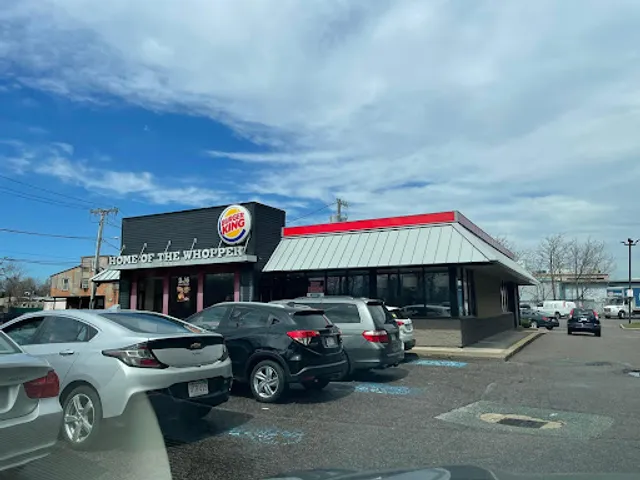
Burger King
3.5
(418)
$
Open until 12:00 AM
Click for details
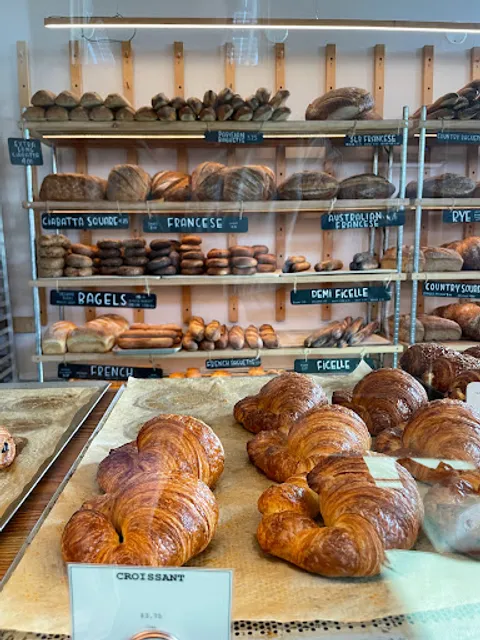
Iggy’s Bread
4.7
(257)
$
Closed
Click for details
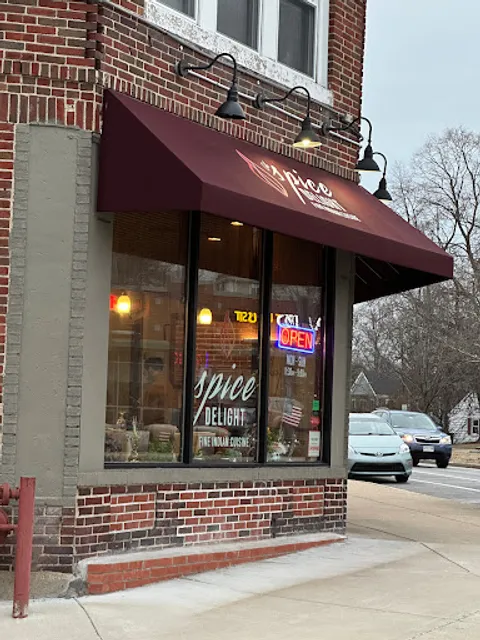
Spice Delight
4.6
(254)
$$
Open until 9:00 PM
Click for details
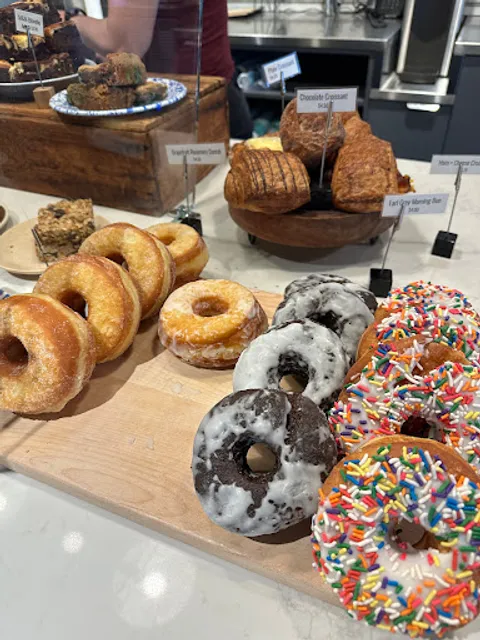
Revival Cafe+Kitchen
4.6
(250)
$
Closed
Click for details
Nearby local services of Fo Guang Buddhist Temple Boston
Alewife Brook Parkway Shopping Center
Artisan Interiors
Pet Supply Outlet
Indigo Fire Belmont
Fresh Pond Mall
Circle Furniture - Cambridge
Fresh Pond Reservation
CVS
Hillside Gardens
Belmont Convenience Store. Beer & wine
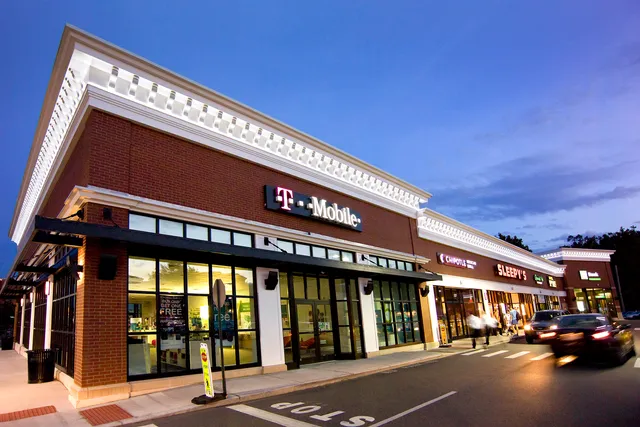
Alewife Brook Parkway Shopping Center
4.2
(593)
Click for details
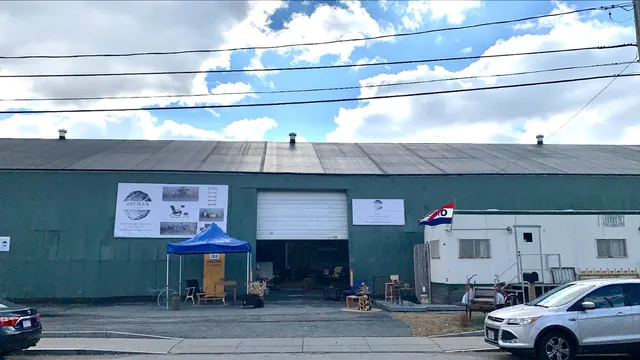
Artisan Interiors
5.0
(13)
Click for details
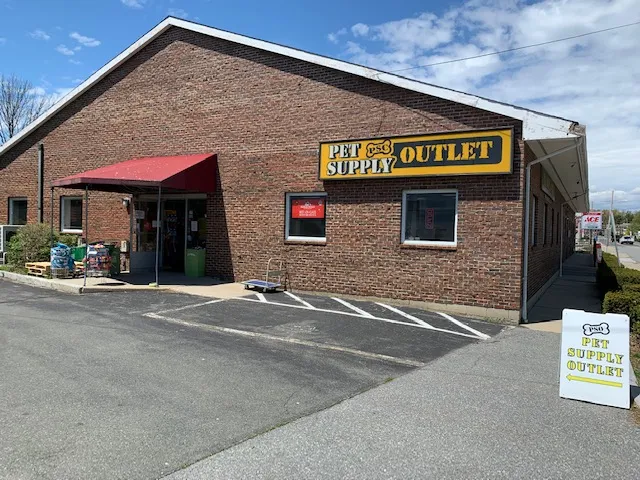
Pet Supply Outlet
4.8
(73)
Click for details
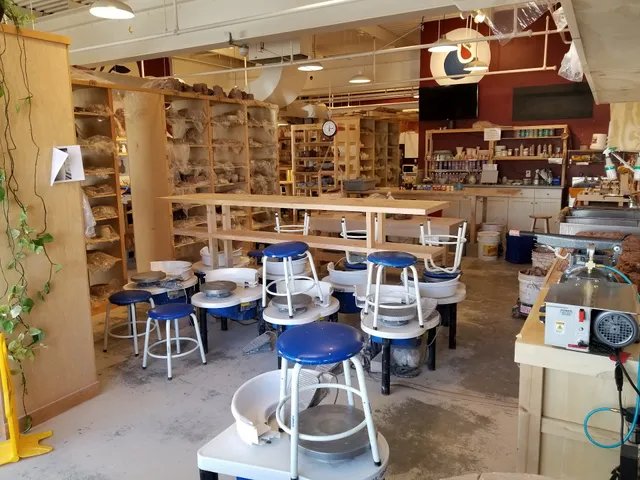
Indigo Fire Belmont
4.8
(84)
Click for details