University of Toronto things to do, attractions, restaurants, events info and trip planning
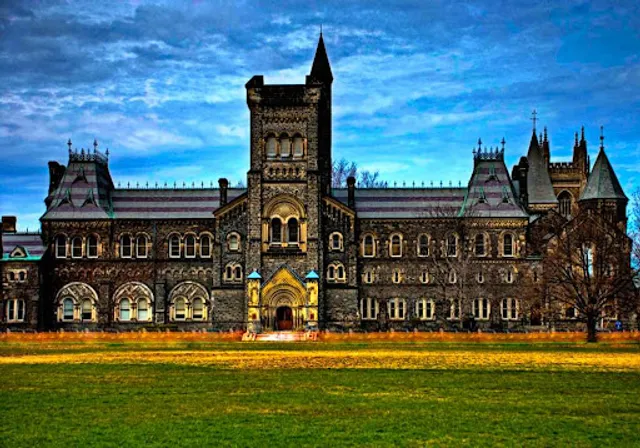
Basic Info
University of Toronto
27 King's College Cir, Toronto, ON M5S 1A1, Canada
4.4(1.0K)
Save
spot
spot
Ratings & Description
Info
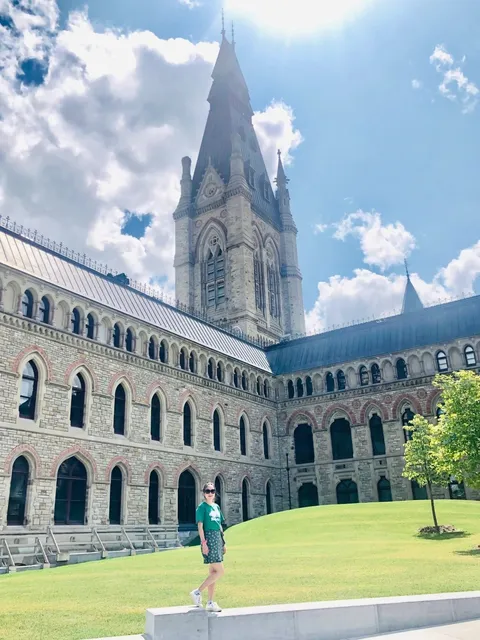
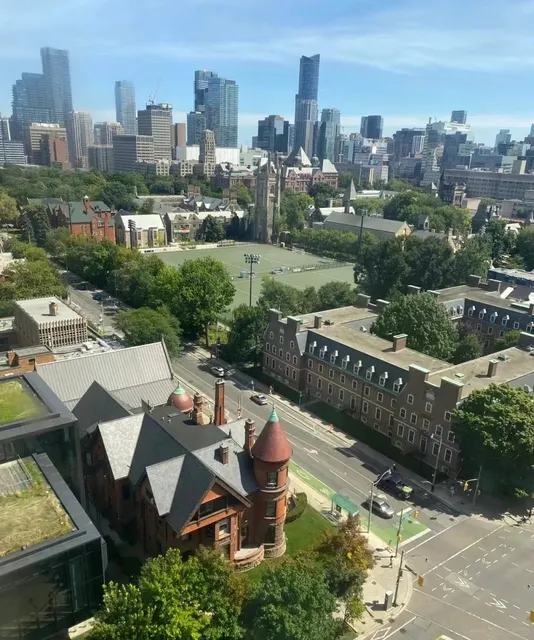
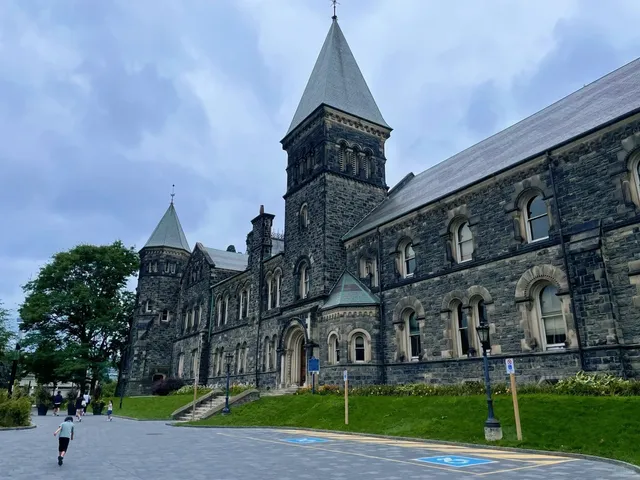
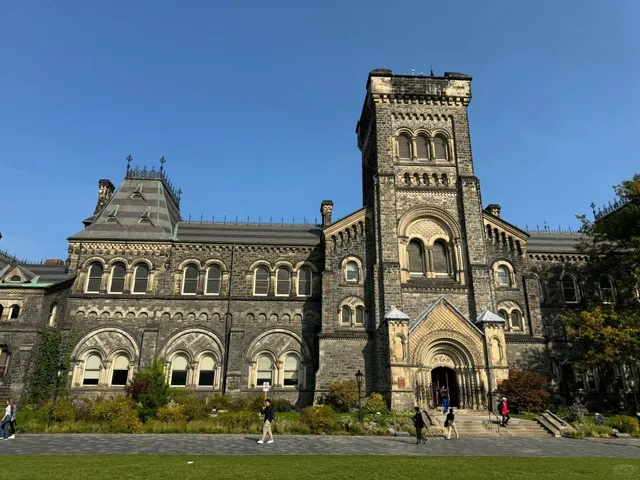
Scenic, research-geared public university known for arts & sciences, engineering & medical programs.
attractions: Queen's Park, Royal Ontario Museum, Front Campus, Art Museum at the University of Toronto - Justina M. Barnicke Gallery, Convocation Hall, Helen Gardiner Phelan Playhouse, Philosopher's Walk, Thomas Fisher Rare Book Library, Legislative Assembly of Ontario, Koerner Hall, restaurants: Arbor Room, Acacia Café UofT (formerly known as The Innis Cafe), Gallery Grill, Diabolos' Coffee Bar, Howard Ferguson Dining Hall, Café Reznikoff, Gyubee Japanese Grill (Bloor), Sid's Cafe, The Exchange, Prenup Pub, local businesses: Art Museum at the University of Toronto - University of Toronto Art Centre, University College, John P. Robarts Research Library, Legislative Assembly of Ontario, Knox College, The Royal Conservatory of Music, Galleria Supermarket Express Bloor, Every Nation GTA, Knox Presbyterian Church, Canada Computers & Electronics
 Learn more insights from Wanderboat AI.
Phone
+1 416-978-2011
Website
utoronto.ca
Plan your stay

Pet-friendly Hotels in Toronto
Find a cozy hotel nearby and make it a full experience.

Affordable Hotels in Toronto
Find a cozy hotel nearby and make it a full experience.

The Coolest Hotels You Haven't Heard Of (Yet)
Find a cozy hotel nearby and make it a full experience.

Trending Stays Worth the Hype in Toronto
Find a cozy hotel nearby and make it a full experience.
Reviews
Live events
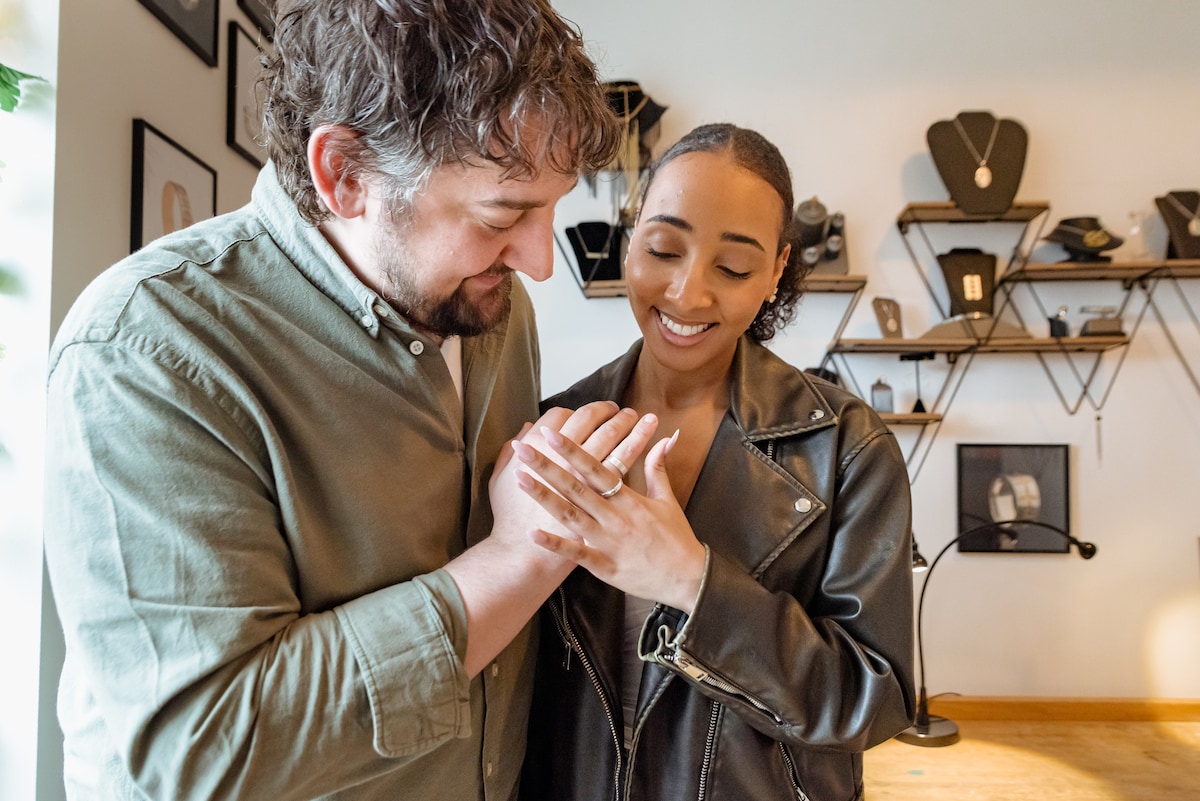
Create a custom silver ring with a goldsmith
Wed, Feb 25 • 5:30 PM
Toronto, Ontario, M6J 0A8, Canada
View details
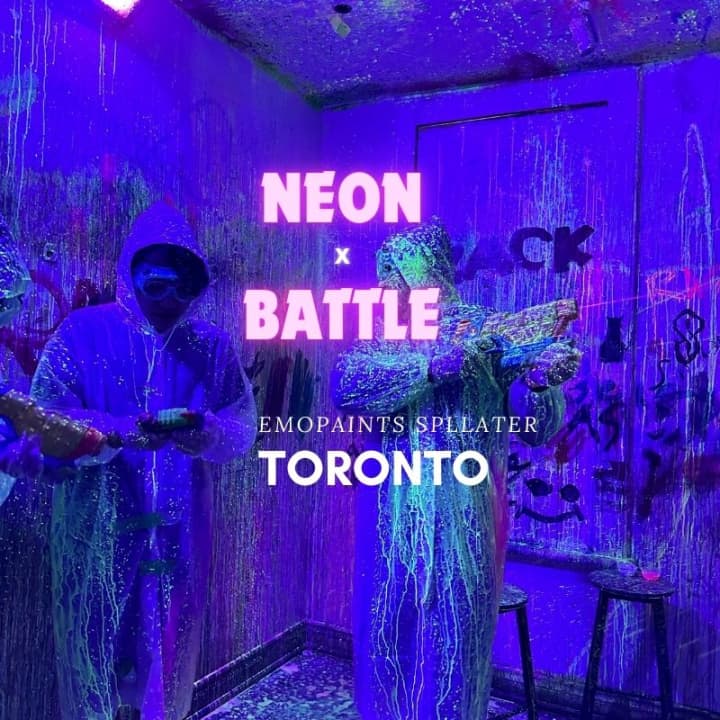
Splatter Painting in Toronto
Thu, Feb 19 • 3:00 PM
336 Dundas Street West unit 202, Toronto, M5T 1G5
View details
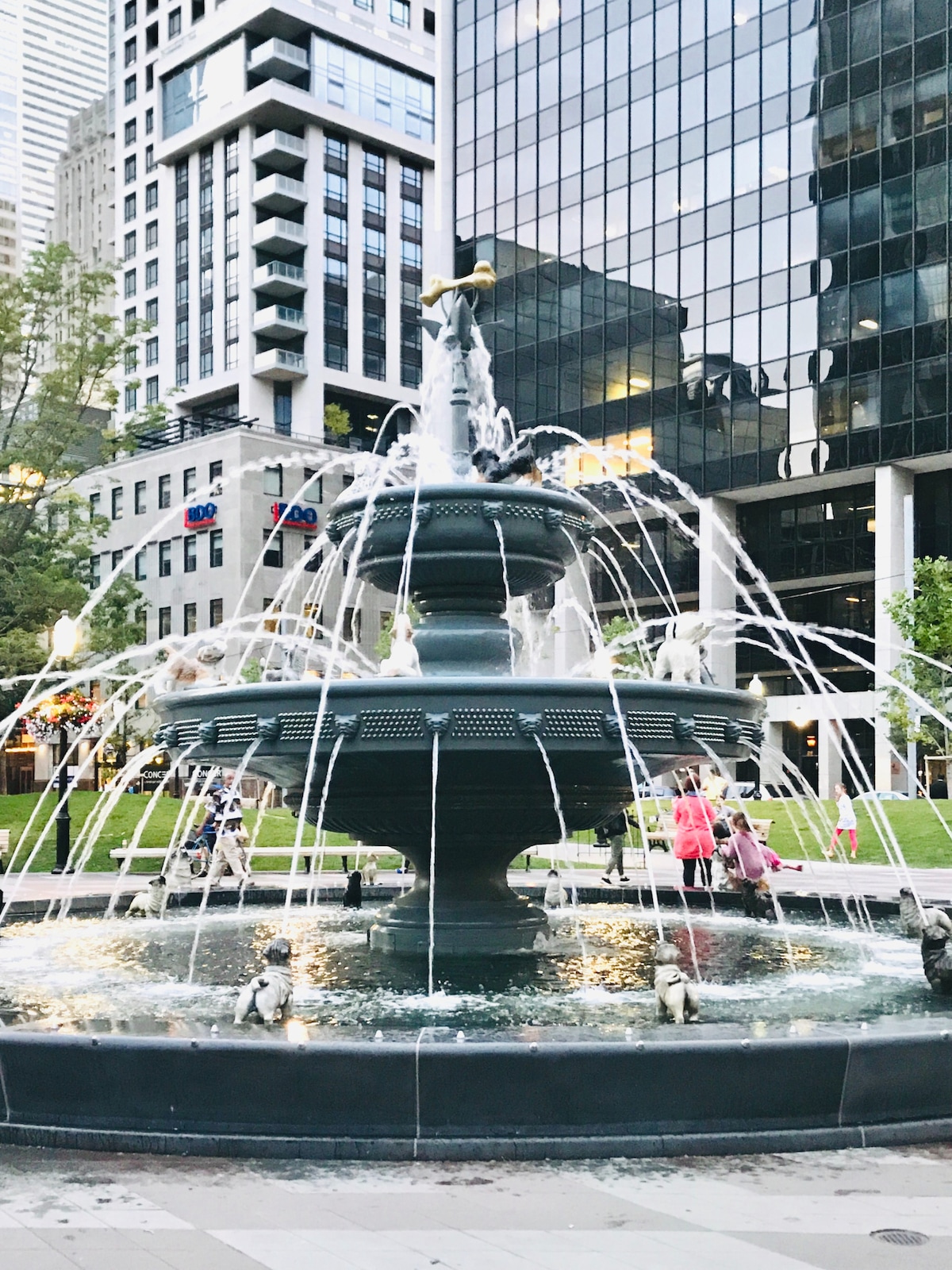
Show me the City
Sat, Feb 21 • 1:00 PM
Toronto, Ontario, M5J 1W9, Canada
View details
Nearby attractions of University of Toronto
Queen's Park
Royal Ontario Museum
Front Campus
Art Museum at the University of Toronto - Justina M. Barnicke Gallery
Convocation Hall
Helen Gardiner Phelan Playhouse
Philosopher's Walk
Thomas Fisher Rare Book Library
Legislative Assembly of Ontario
Koerner Hall
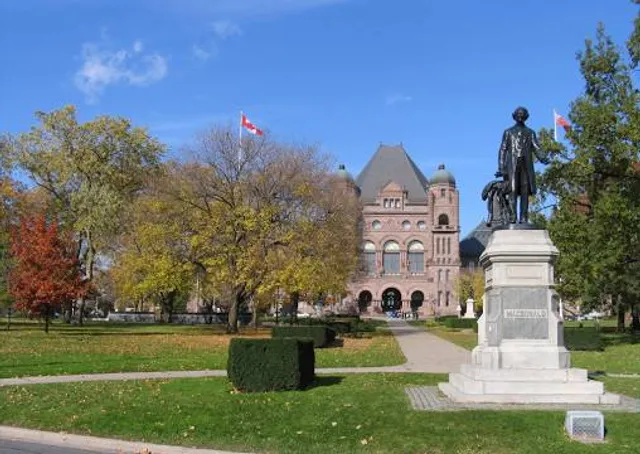
Queen's Park
4.5
(1.9K)
Open until 12:00 AM
Click for details
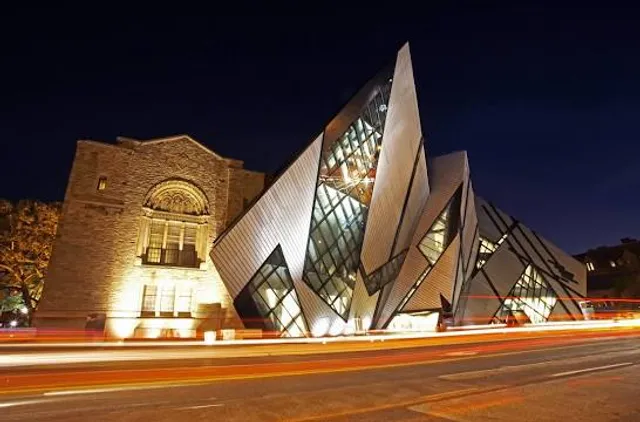
Royal Ontario Museum
4.7
(14.8K)
Closed
Click for details

Front Campus
4.7
(141)
Open until 12:00 AM
Click for details
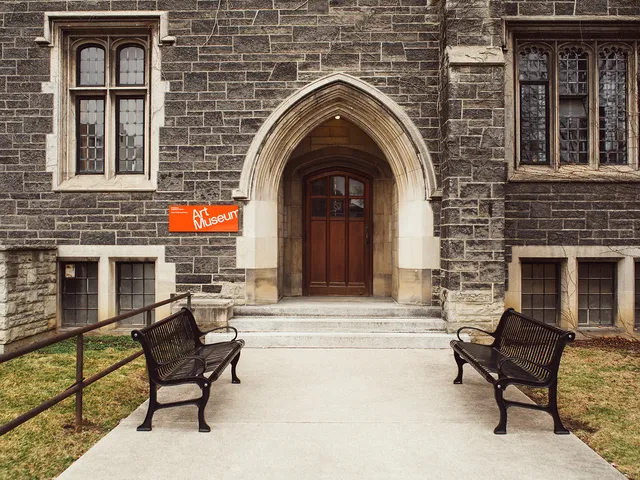
Art Museum at the University of Toronto - Justina M. Barnicke Gallery
3.8
(22)
Open 24 hours
Click for details
Nearby restaurants of University of Toronto
Arbor Room
Acacia Café UofT (formerly known as The Innis Cafe)
Gallery Grill
Diabolos' Coffee Bar
Howard Ferguson Dining Hall
Café Reznikoff
Gyubee Japanese Grill (Bloor)
Sid's Cafe
The Exchange
Prenup Pub
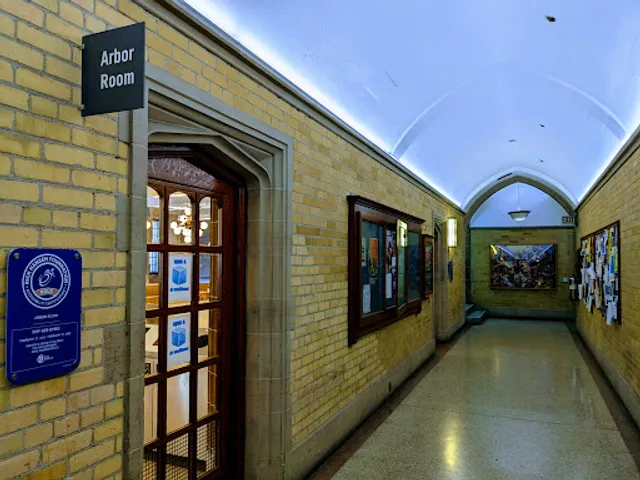
Arbor Room
4.0
(50)
Closed
Click for details

Acacia Café UofT (formerly known as The Innis Cafe)
4.9
(42)
Closed
Click for details
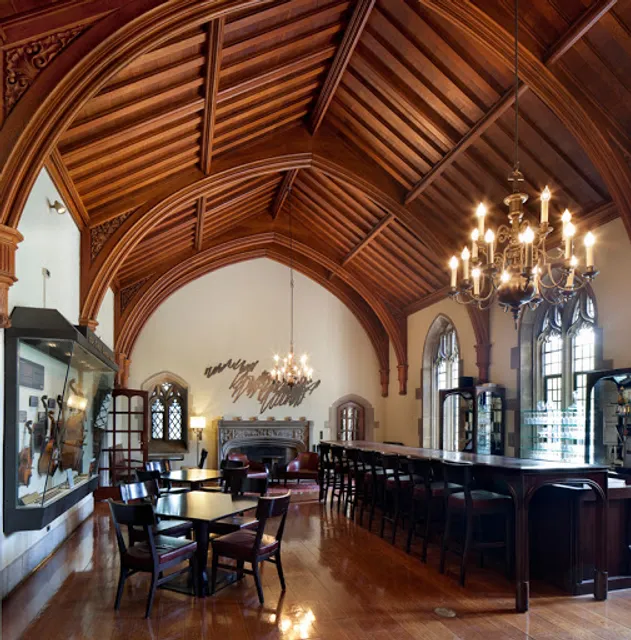
Gallery Grill
4.5
(64)
$$
Closed
Click for details
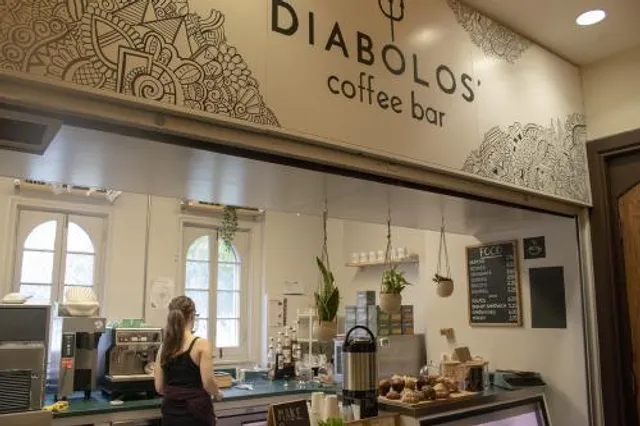
Diabolos' Coffee Bar
4.4
(16)
Closed
Click for details
Nearby local services of University of Toronto
Art Museum at the University of Toronto - University of Toronto Art Centre
University College
John P. Robarts Research Library
Legislative Assembly of Ontario
Knox College
The Royal Conservatory of Music
Galleria Supermarket Express Bloor
Every Nation GTA
Knox Presbyterian Church
Canada Computers & Electronics
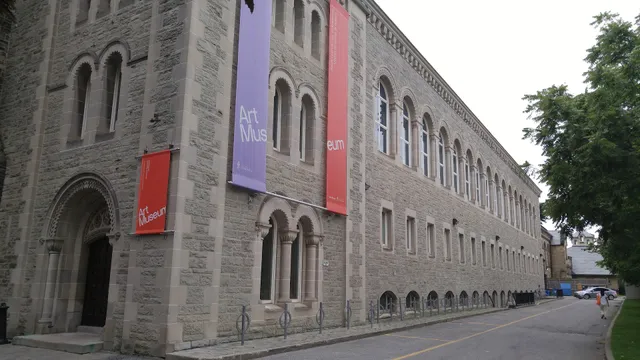
Art Museum at the University of Toronto - University of Toronto Art Centre
4.0
(21)
Click for details
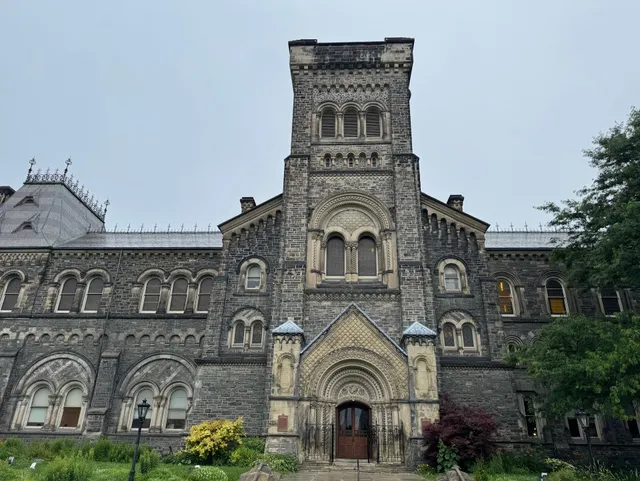
University College
4.3
(15)
Click for details
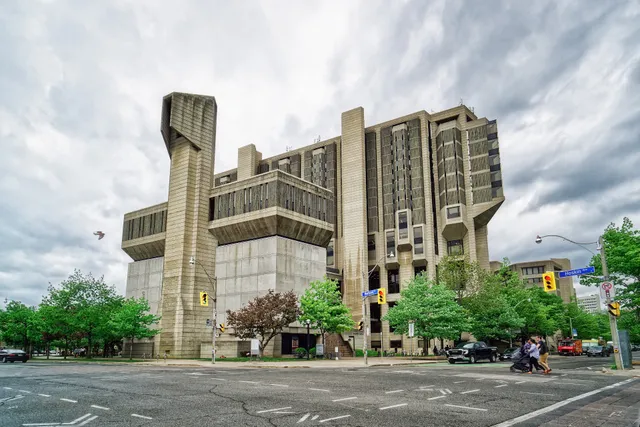
John P. Robarts Research Library
4.4
(272)
Click for details
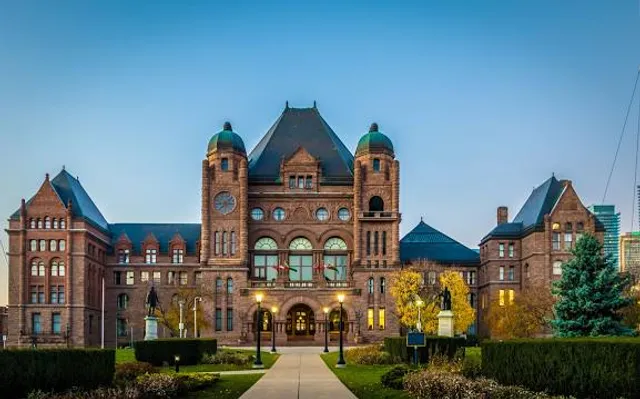
Legislative Assembly of Ontario
4.6
(161)
Click for details