Teatro Colón things to do, attractions, restaurants, events info and trip planning
Basic Info
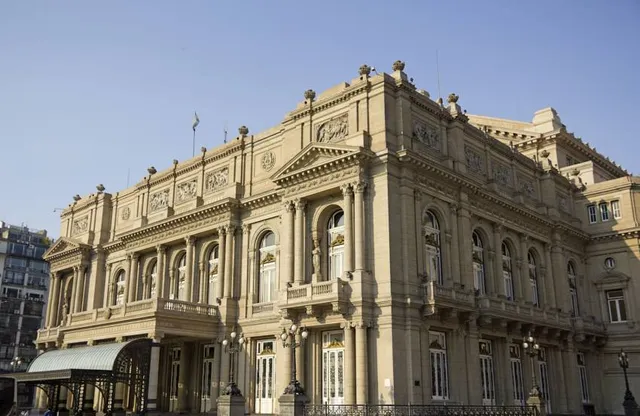
Teatro Colón
Cerrito 628, C1010 Cdad. Autónoma de Buenos Aires, Argentina
4.8(29.7K)
Open 24 hours

tickets
Save
spot
spot
Ratings & Description
Info
The Teatro Colón is the main opera house in Buenos Aires, Argentina. It is considered one of the ten best opera houses in the world by National Geographic.
Cultural
Accessibility
attractions: Tango Porteño, Vatican Square, Obelisco, Plaza Lavalle, Teatro Broadway, Templo Libertad - Museo Judío de Buenos Aires, Teatro Gran Rex, Las Meninas Galeria, Teatro General San Martin, Globe Theatre, restaurants: Petit Colón, Puny - Pasta & Grill, Kentucky pizzería, Güerrín, La Estancia Asador Criollo, Zum Edelweiss, Delhi Mahal, BAIRES Sushi Station, Obelisco City, El Cuartito, local businesses: Plaza Libertad, PRAXIS JURÍDICA LIBROS, Courts Building Square, Plaza de la República, BAO Workcenter, Grand Lodge of Argentina of Free and Accepted Masons, Disney La Caja Mágica, GAME HOUSE - Escape Room en Buenos Aires, La Perla Comidas, Peatonal Florida
 Learn more insights from Wanderboat AI.
Phone
+54 11 4378-7100
Website
teatrocolon.org.ar
Plan your stay

Pet-friendly Hotels in Autonomous City of Buenos Aires
Find a cozy hotel nearby and make it a full experience.

Affordable Hotels in Autonomous City of Buenos Aires
Find a cozy hotel nearby and make it a full experience.

The Coolest Hotels You Haven't Heard Of (Yet)
Find a cozy hotel nearby and make it a full experience.

Trending Stays Worth the Hype in Autonomous City of Buenos Aires
Find a cozy hotel nearby and make it a full experience.
Reviews
Live events
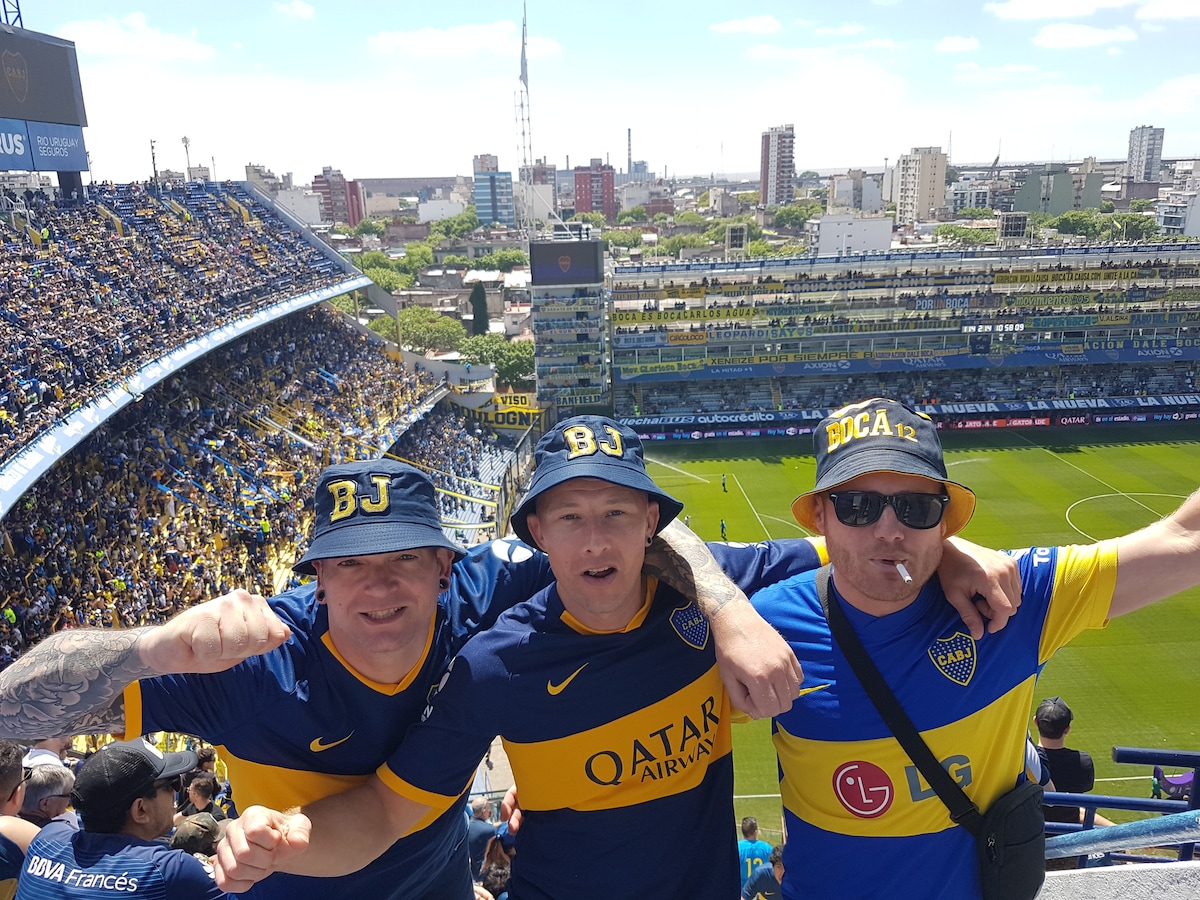
Watch an Argentine soccer match with a true fan
Mon, Jan 26 • 2:30 PM
C1010, Buenos Aires, Ciudad Autónoma de Buenos Aires, Argentina
View details
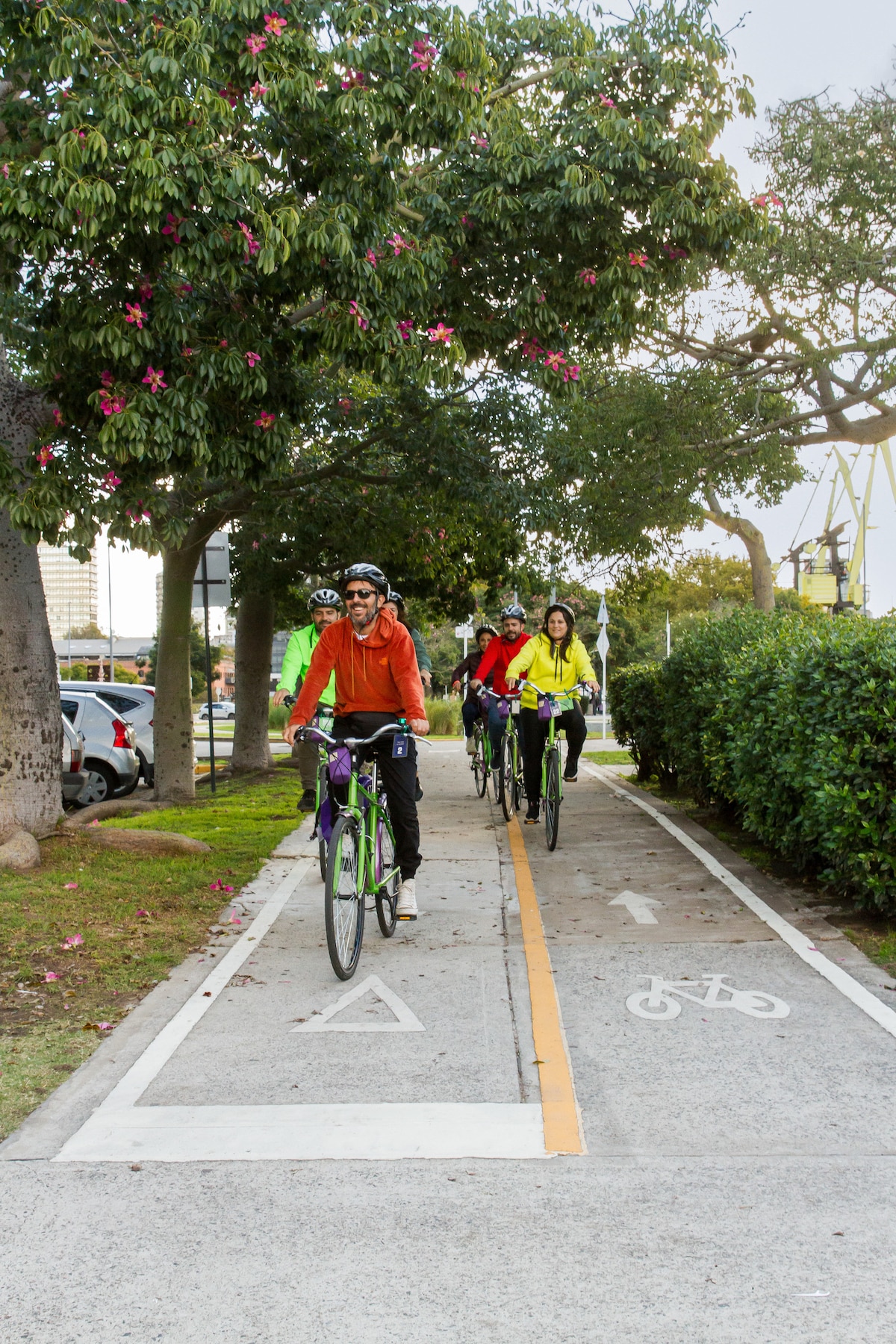
Bike ride in Buenos Aires and mate tasting
Mon, Jan 26 • 3:00 PM
C1007, Buenos Aires, Buenos Aires, Argentina
View details
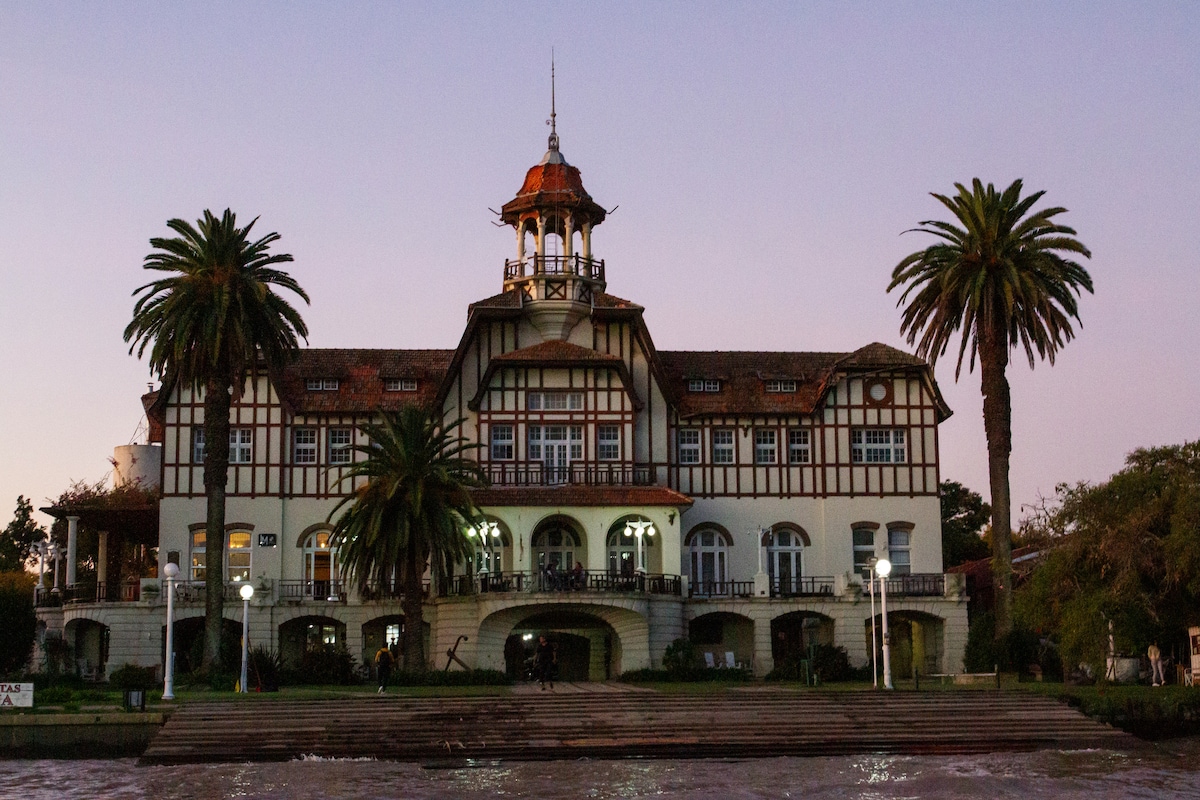
Tigre Speedboat Ride & Sunset at Rio de la Plata
Mon, Jan 26 • 4:30 PM
C1104, Buenos Aires, Buenos Aires, Argentina
View details
Nearby attractions of Teatro Colón
Tango Porteño
Vatican Square
Obelisco
Plaza Lavalle
Teatro Broadway
Templo Libertad - Museo Judío de Buenos Aires
Teatro Gran Rex
Las Meninas Galeria
Teatro General San Martin
Globe Theatre
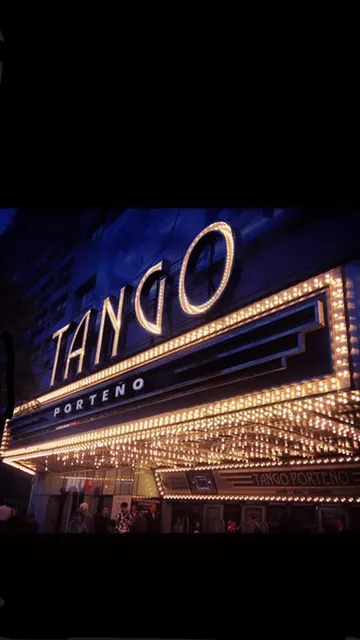
Tango Porteño
4.6
(3.7K)
Open 24 hours
Click for details
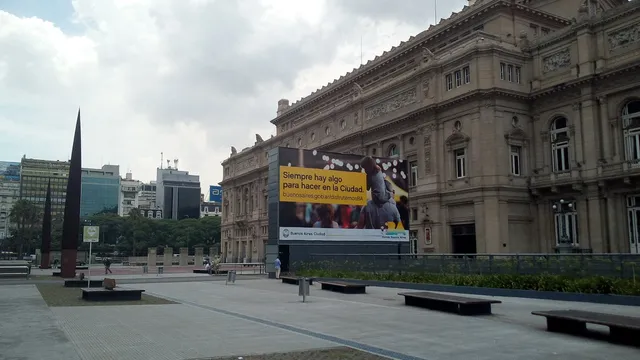
Vatican Square
4.5
(1.5K)
Open until 12:00 AM
Click for details
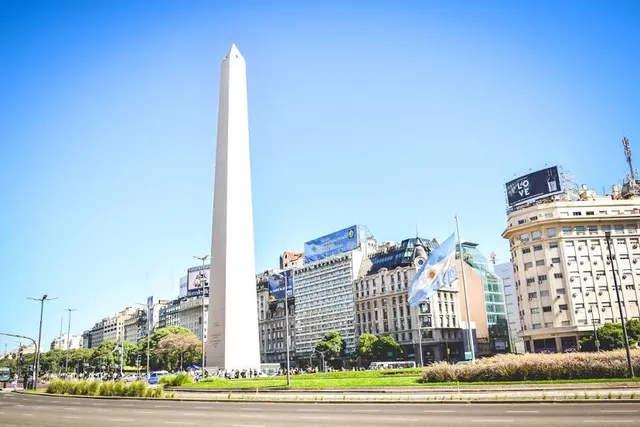
Obelisco
4.6
(56.2K)
Open 24 hours
Click for details
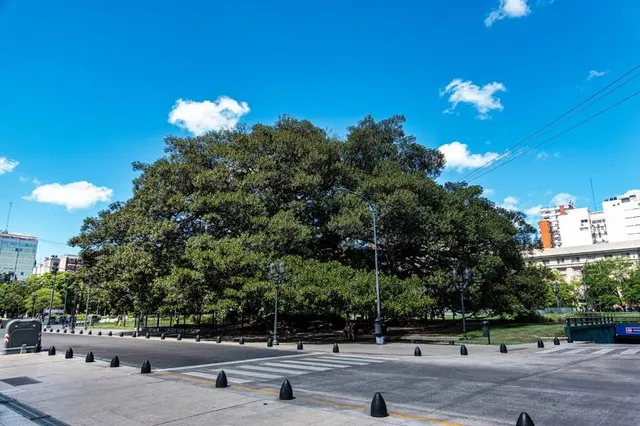
Plaza Lavalle
4.5
(2.2K)
Open until 12:00 AM
Click for details
Nearby restaurants of Teatro Colón
Petit Colón
Puny - Pasta & Grill
Kentucky pizzería
Güerrín
La Estancia Asador Criollo
Zum Edelweiss
Delhi Mahal
BAIRES Sushi Station
Obelisco City
El Cuartito
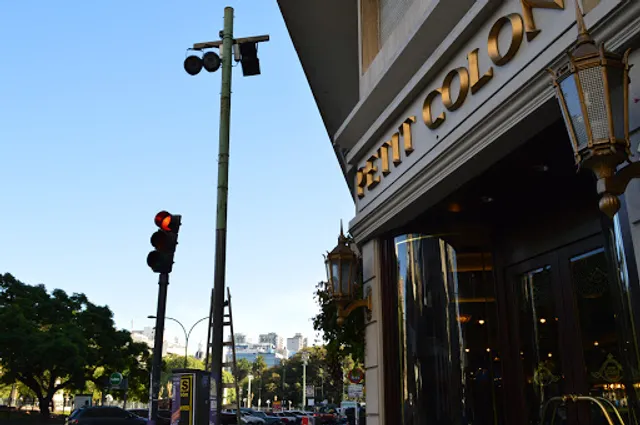
Petit Colón
4.3
(3.2K)
$$$
Open until 12:00 AM
Click for details
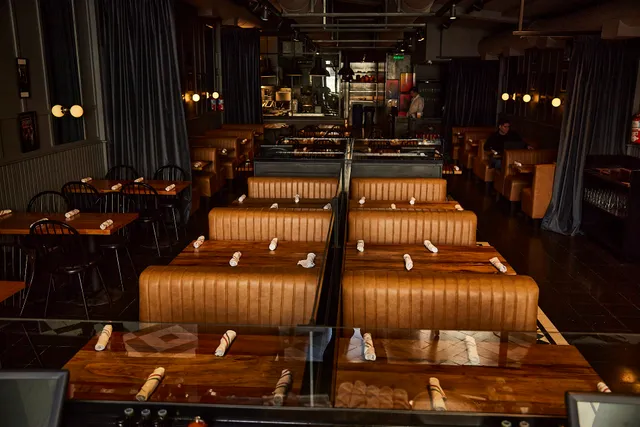
Puny - Pasta & Grill
4.9
(14.4K)
$$
Closed
Click for details
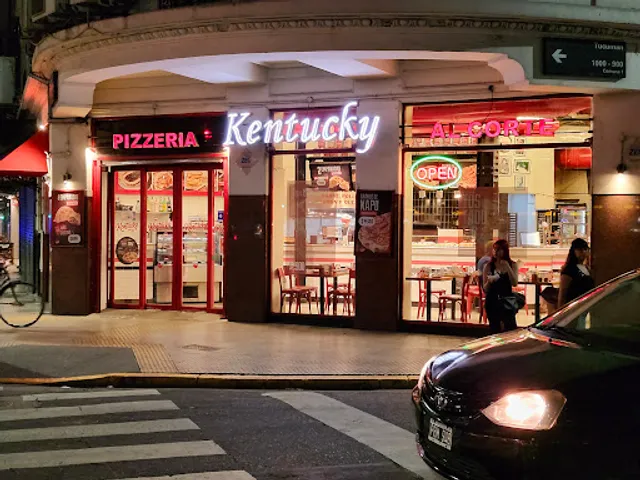
Kentucky pizzería
4.2
(2.8K)
Open until 12:00 AM
Click for details
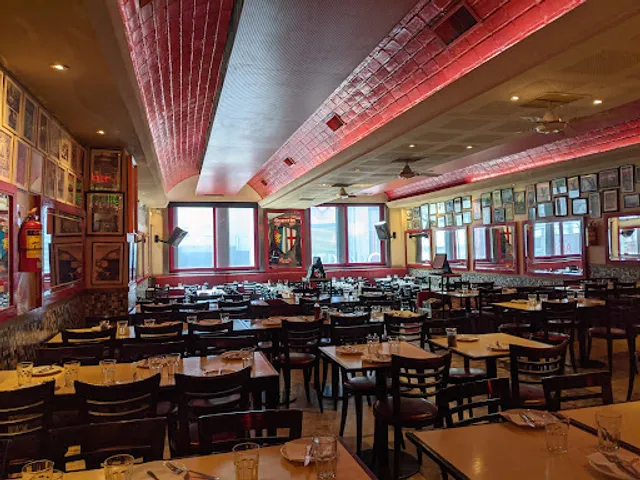
Güerrín
4.7
(57.2K)
Closed
Click for details
Nearby local services of Teatro Colón
Plaza Libertad
PRAXIS JURÍDICA LIBROS
Courts Building Square
Plaza de la República
BAO Workcenter
Grand Lodge of Argentina of Free and Accepted Masons
Disney La Caja Mágica
GAME HOUSE - Escape Room en Buenos Aires
La Perla Comidas
Peatonal Florida
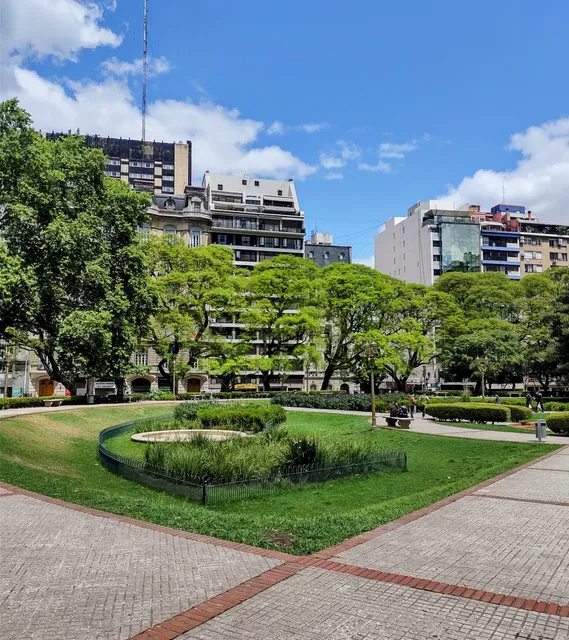
Plaza Libertad
4.4
(3.5K)
Click for details
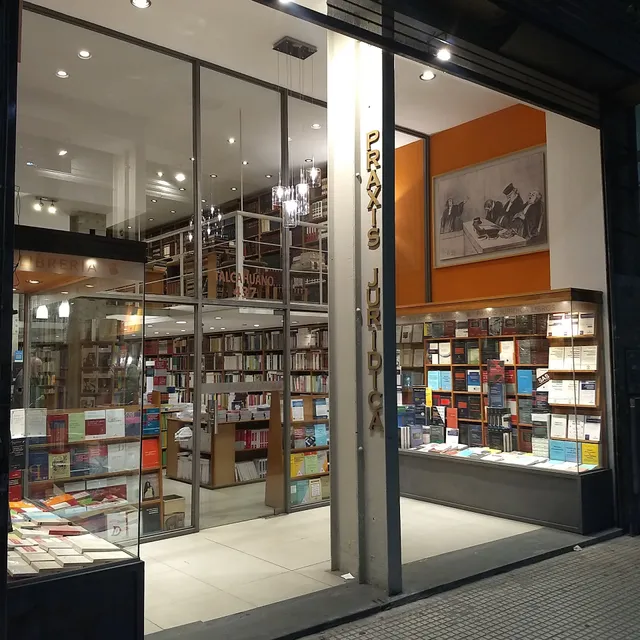
PRAXIS JURÍDICA LIBROS
4.8
(135)
Click for details
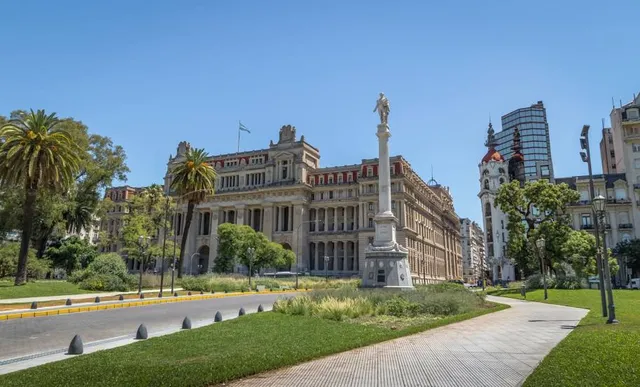
Courts Building Square
4.0
(15)
Click for details
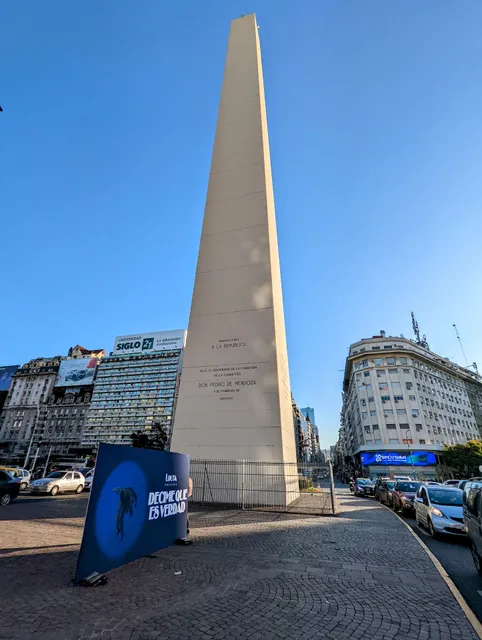
Plaza de la República
4.7
(86)
Click for details