Light's Vision things to do, attractions, restaurants, events info and trip planning
Basic Info
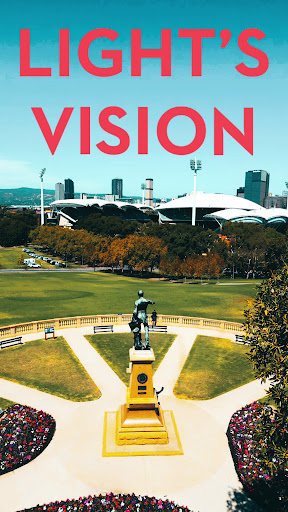
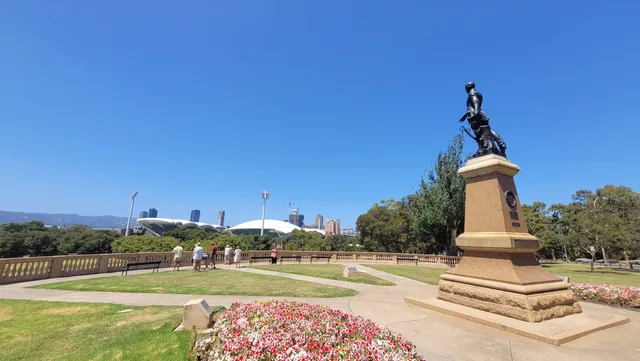
Light's Vision
2/76 Pennington Terrace, North Adelaide SA 5006, Australia
4.5(104)
Open until 12:00 AM
Save
spot
spot
Ratings & Description
Info
Cultural
Scenic
attractions: Adelaide Oval, Carclew, St Peter's Cathedral, RoofClimb Adelaide Oval, The Bradman Collection, Pinky Flat (Park 26), Park 26, Elder Park, Angas Gardens, Brougham Gardens (Park 29), restaurants: Bespoke Wine Bar & Kitchen, Sector 17 Indian Cuisine North Adelaide, Cathedral Hotel, Da Vinci Ristorante, Byblos On OConnell, St Louis House of Fine Ice Cream and Desserts, Chocolatree, Drunken Monkey Indian Tapas Bar & Restaurant, Burgastronomy, Fare and Square, local businesses: Adelaide Oval South Gate, North Adelaide Romeo's Foodland, Adelaide Festival Centre, Metropolitan Fresh Fruiterers North Adelaide, Ricky's Chicken Rice@NTH ADL, SAINTGARDE, Adelaide Railway Station, Adelaide, Festival Tower, Crunchy Bites
 Learn more insights from Wanderboat AI.
Website
adelaidia.sa.gov.au
Open hoursSee all hours
WedOpen 24 hoursOpen
Plan your stay

Pet-friendly Hotels in Adelaide
Find a cozy hotel nearby and make it a full experience.

Affordable Hotels in Adelaide
Find a cozy hotel nearby and make it a full experience.

The Coolest Hotels You Haven't Heard Of (Yet)
Find a cozy hotel nearby and make it a full experience.

Trending Stays Worth the Hype in Adelaide
Find a cozy hotel nearby and make it a full experience.
Reviews
Live events
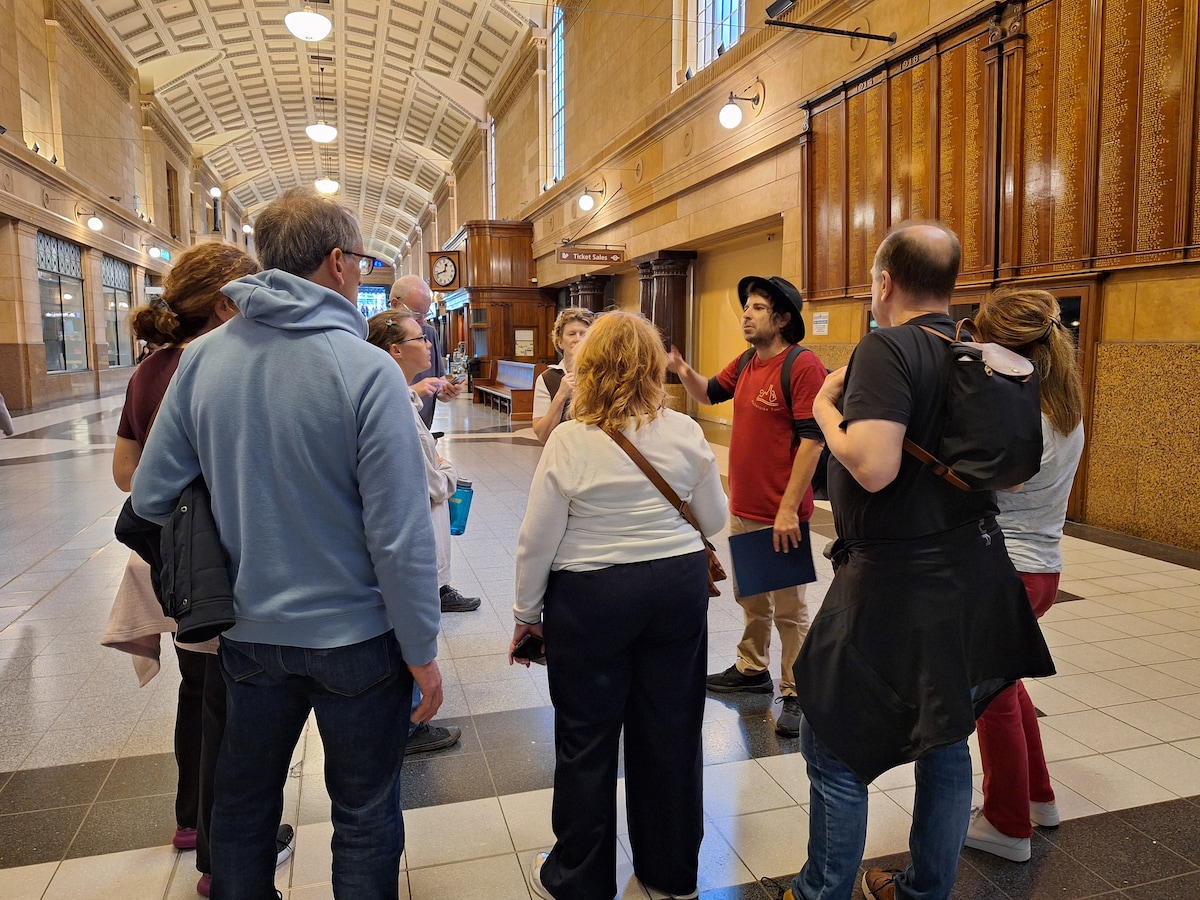
Ultimate Adelaide Walking Tour
Thu, Feb 26 • 10:30 AM
Adelaide, South Australia, 5000, Australia
View details
Candlelight: Featuring Mozart, Bach, and Timeless Composers
Sat, Feb 28 • 7:00 PM
141 Goodwood Road, Goodwood, 5034
View details
Nearby attractions of Light's Vision
Adelaide Oval
Carclew
St Peter's Cathedral
RoofClimb Adelaide Oval
The Bradman Collection
Pinky Flat (Park 26)
Park 26
Elder Park
Angas Gardens
Brougham Gardens (Park 29)
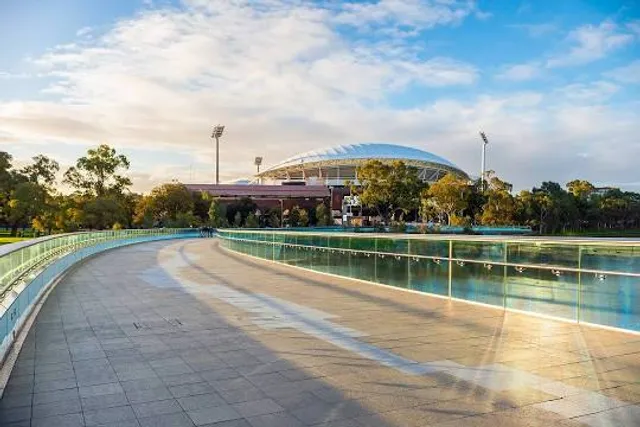
Adelaide Oval
4.6
(5.2K)
Open 24 hours
Click for details

Carclew
4.6
(86)
Closed
Click for details
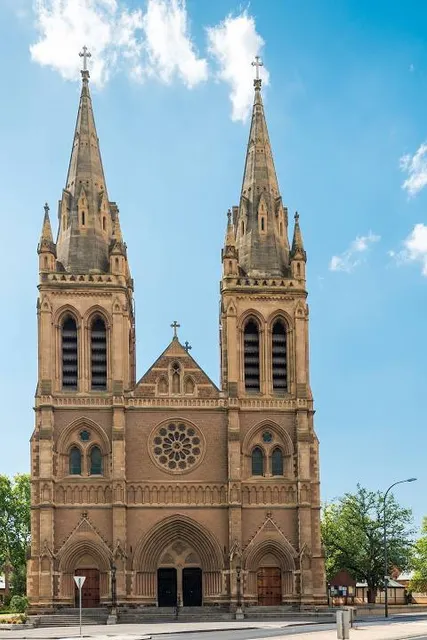
St Peter's Cathedral
4.7
(379)
Closed
Click for details

RoofClimb Adelaide Oval
4.8
(185)
Closed
Click for details
Nearby restaurants of Light's Vision
Bespoke Wine Bar & Kitchen
Sector 17 Indian Cuisine North Adelaide
Cathedral Hotel
Da Vinci Ristorante
Byblos On OConnell
St Louis House of Fine Ice Cream and Desserts
Chocolatree
Drunken Monkey Indian Tapas Bar & Restaurant
Burgastronomy
Fare and Square
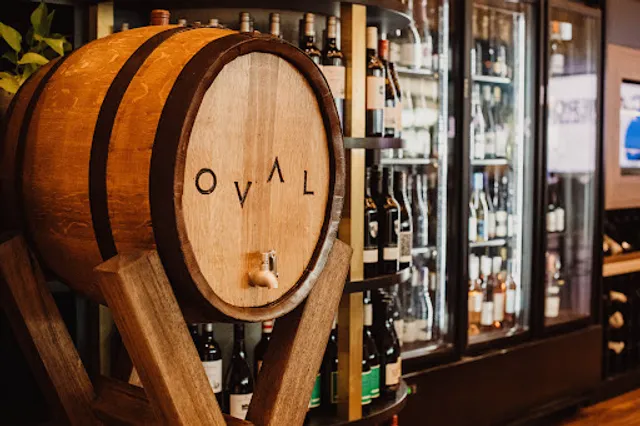
Bespoke Wine Bar & Kitchen
4.3
(313)
Closed
Click for details
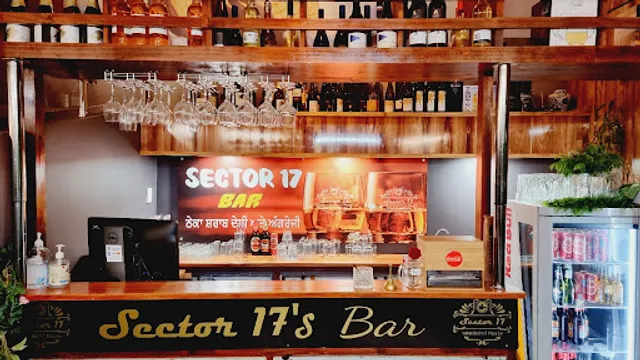
Sector 17 Indian Cuisine North Adelaide
4.6
(665)
Open until 12:00 AM
Click for details
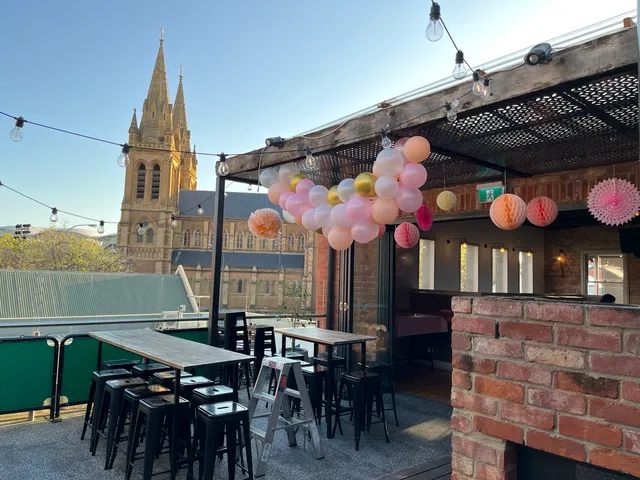
Cathedral Hotel
4.2
(422)
Closed
Click for details
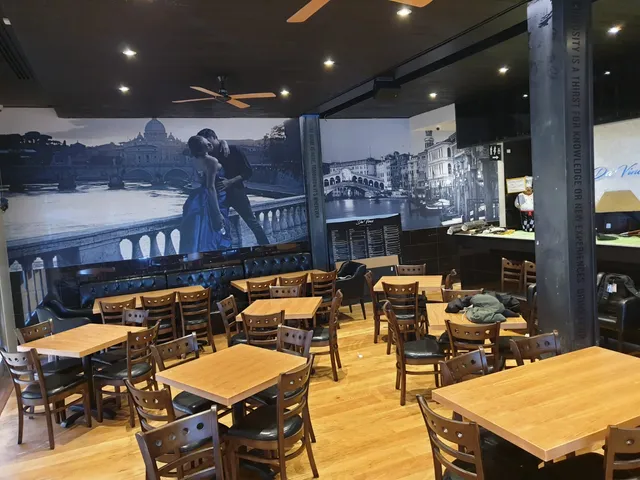
Da Vinci Ristorante
4.0
(780)
Open until 3:00 AM
Click for details
Nearby local services of Light's Vision
Adelaide Oval South Gate
North Adelaide Romeo's Foodland
Adelaide Festival Centre
Metropolitan Fresh Fruiterers North Adelaide
Ricky's Chicken Rice@NTH ADL
SAINTGARDE
Adelaide Railway Station
Adelaide
Festival Tower
Crunchy Bites
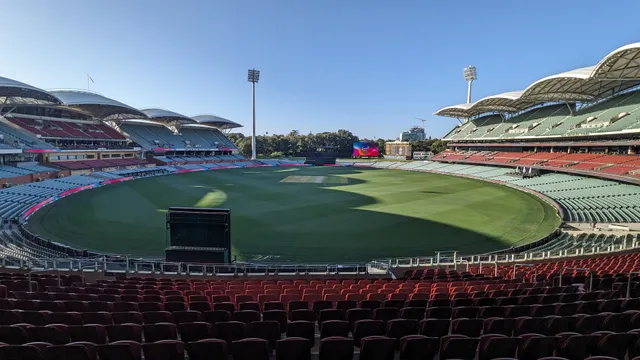
Adelaide Oval South Gate
4.6
(205)
Click for details

North Adelaide Romeo's Foodland
4.2
(245)
Click for details
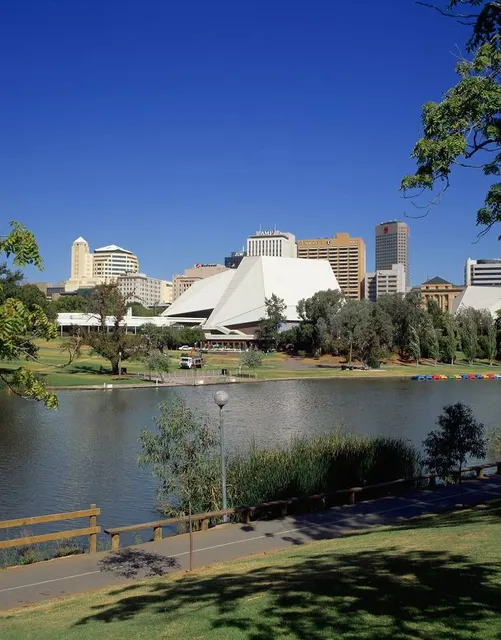
Adelaide Festival Centre
4.5
(1.5K)
Click for details
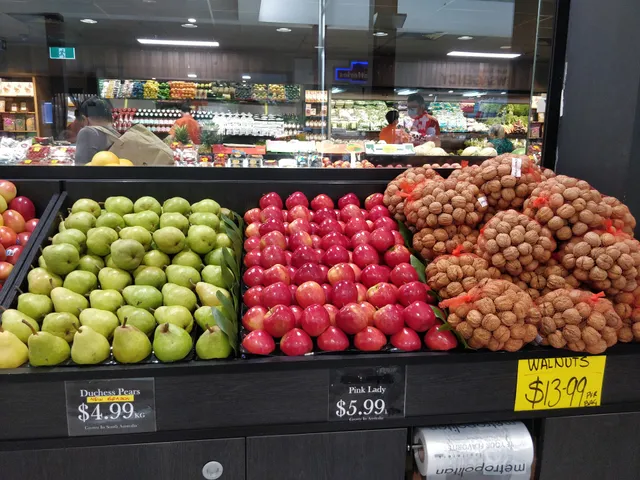
Metropolitan Fresh Fruiterers North Adelaide
4.5
(37)
Click for details