National Wool Museum things to do, attractions, restaurants, events info and trip planning
Basic Info
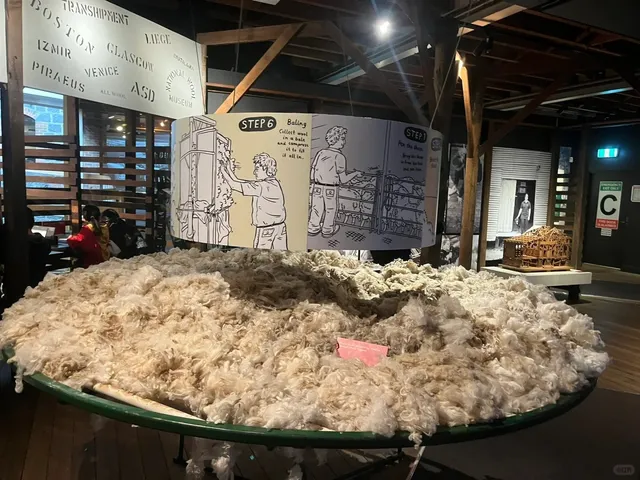
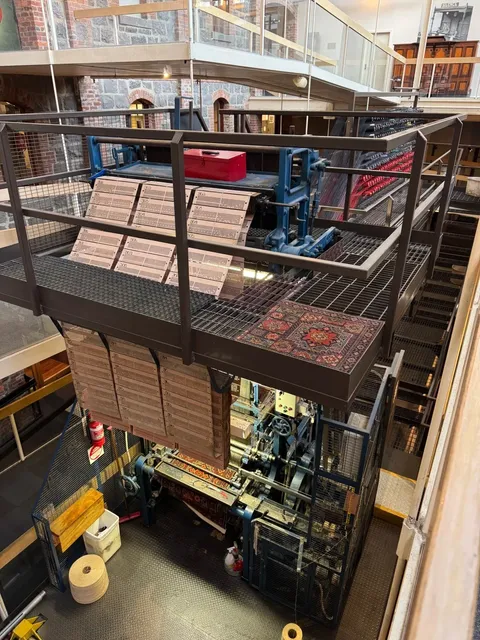
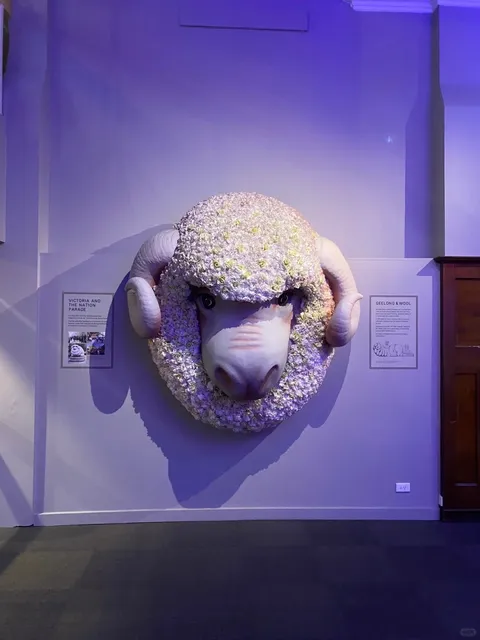
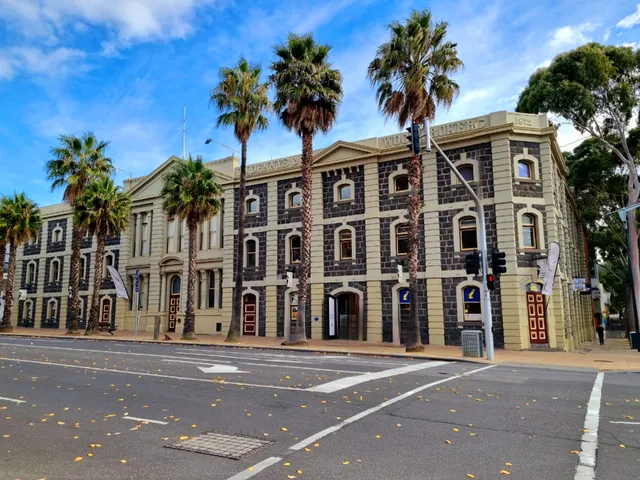
National Wool Museum
26 Moorabool St, Geelong VIC 3220, Australia
4.5(455)
Open until 5:00 PM
Save
spot
spot
Ratings & Description
Info
The National Wool Museum, located in Drefach Felindre, Llandysul, Carmarthenshire, is part of Amgueddfa Cymru – Museum Wales.
Cultural
Family friendly
Accessibility
attractions: Costa Hall, Laserquest, Steampacket Gardens, The Carousel, Geelong RACV Retail Store & Travel Agency, Johnstone Park, Geelong Gallery, Artsy Crafty Lounge, Geelong Arts Centre, Eastern Beach Train Tours, restaurants: Black Sheep Geelong, Marrybrown Geelong, GOGI Korean BBQ & HotPot Buffet (open Xmas and New Year), Lambys Tavern, Sailors' Rest, Edge Geelong, Blue Lotus Restaurant & Cafe Vietnamese Cuisine, Agha Juice & Kebab Geelong, Hecho En Mexico, 2 Chefs Geelong, local businesses: Mr. Pro Whipp, Cunningham Pier, Wangim Walk, Nutshack, City of Greater Geelong, Chung Vinh Phat Asian Groceries, Just Spice @ Geelong Indian Grocery, Guf Geelong, Cakesmith, Organic Larder - Geelong Organics & Health Foods
 Learn more insights from Wanderboat AI.
Phone
+61 3 5272 4701
Website
geelongaustralia.com.au
Open hoursSee all hours
Thu10 AM - 5 PMOpen
Plan your stay

Pet-friendly Hotels in Geelong
Find a cozy hotel nearby and make it a full experience.

Affordable Hotels in Geelong
Find a cozy hotel nearby and make it a full experience.

The Coolest Hotels You Haven't Heard Of (Yet)
Find a cozy hotel nearby and make it a full experience.

Trending Stays Worth the Hype in Geelong
Find a cozy hotel nearby and make it a full experience.
Reviews
Live events

Small Group Surf Lesson at Scenic Local Beach
Fri, Feb 27 • 10:30 AM
Bells Beach, Victoria, 3228, Australia
View details
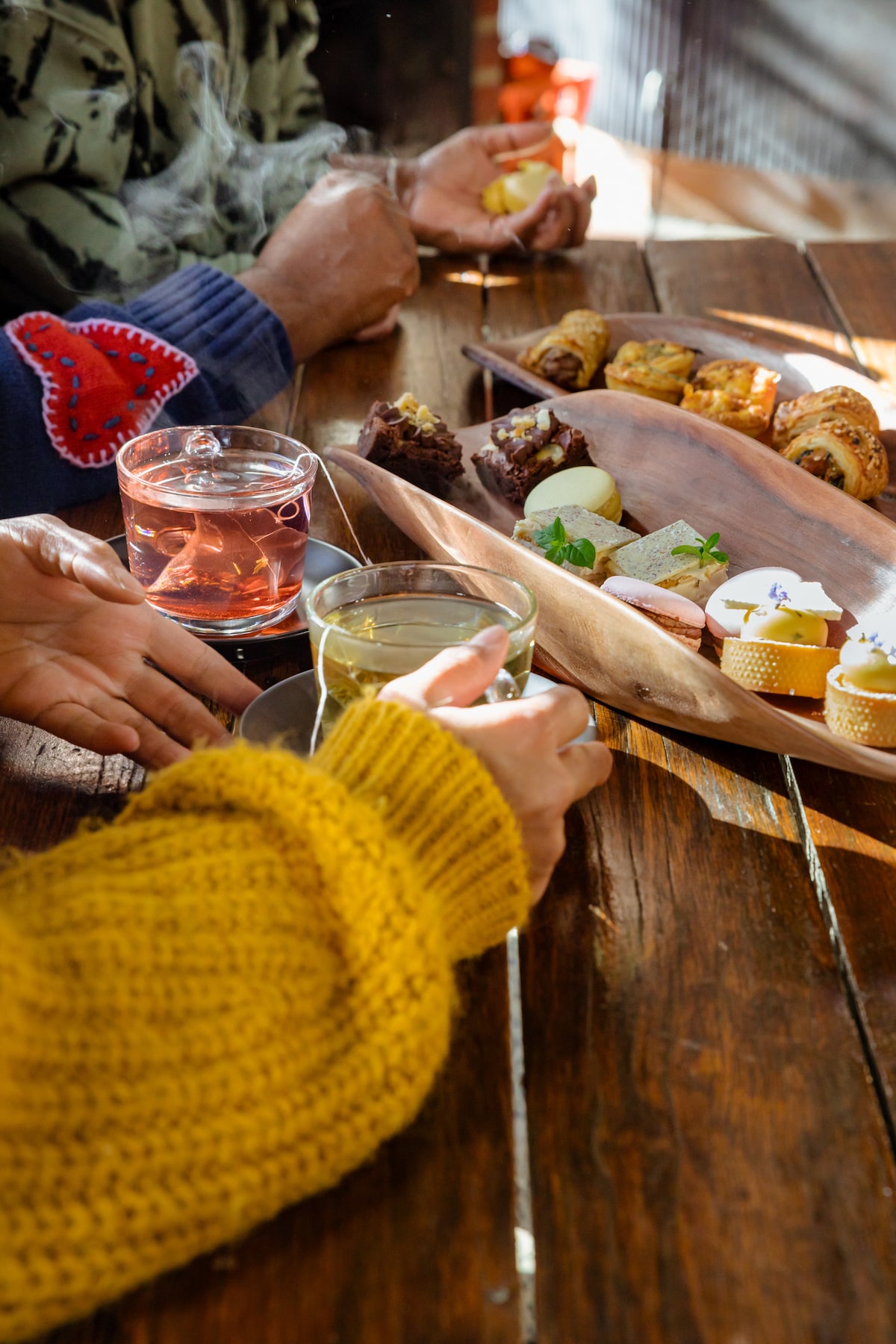
Indulge in native high tea with kangaroos and emus
Thu, Feb 26 • 10:30 AM
Grovedale, Victoria, 3217, Australia
View details
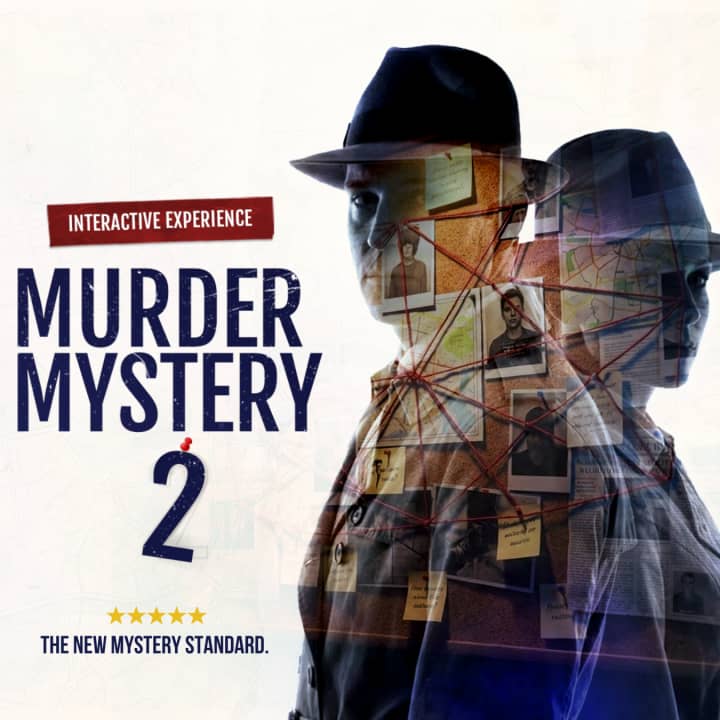
Geelong Murder Mystery 2: Crime on Date Night!
Sun, Feb 1 • 12:00 AM
24 Gheringhap St, Geelong VIC 3220, Australia, 3220
View details
Nearby attractions of National Wool Museum
Costa Hall
Laserquest
Steampacket Gardens
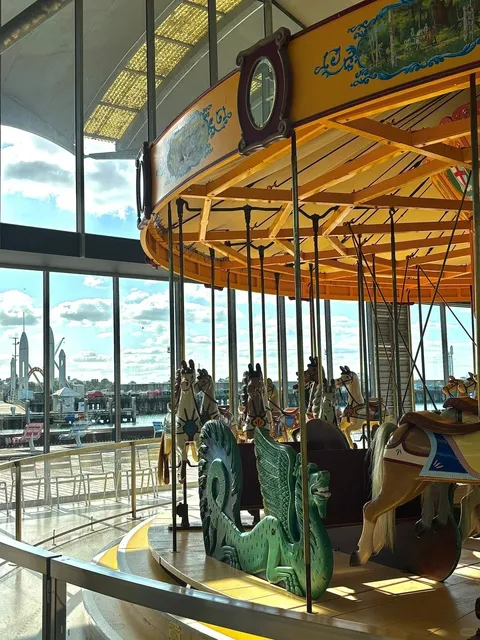
The Carousel
Geelong RACV Retail Store & Travel Agency
Johnstone Park
Geelong Gallery
Artsy Crafty Lounge
Geelong Arts Centre
Eastern Beach Train Tours

Costa Hall
4.6
(298)
Open 24 hours
Click for details

Laserquest
4.4
(321)
Open until 10:00 PM
Click for details
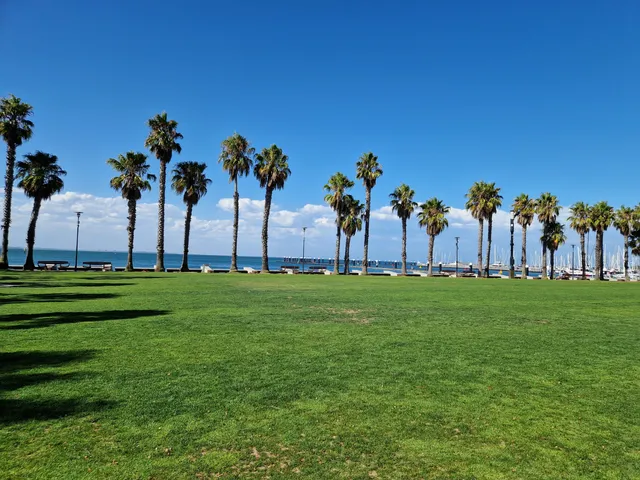
Steampacket Gardens
4.5
(598)
Open until 12:00 AM
Click for details
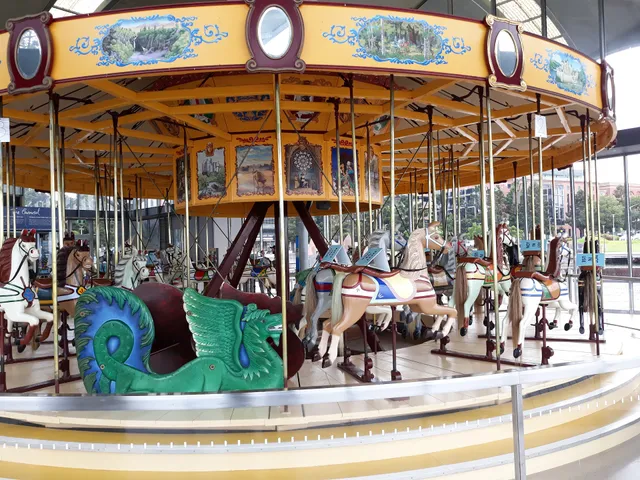
The Carousel
4.4
(226)
Open until 4:30 PM
Click for details
Nearby restaurants of National Wool Museum
Black Sheep Geelong
Marrybrown Geelong
GOGI Korean BBQ & HotPot Buffet (open Xmas and New Year)
Lambys Tavern
Sailors' Rest
Edge Geelong
Blue Lotus Restaurant & Cafe Vietnamese Cuisine
Agha Juice & Kebab Geelong
Hecho En Mexico
2 Chefs Geelong
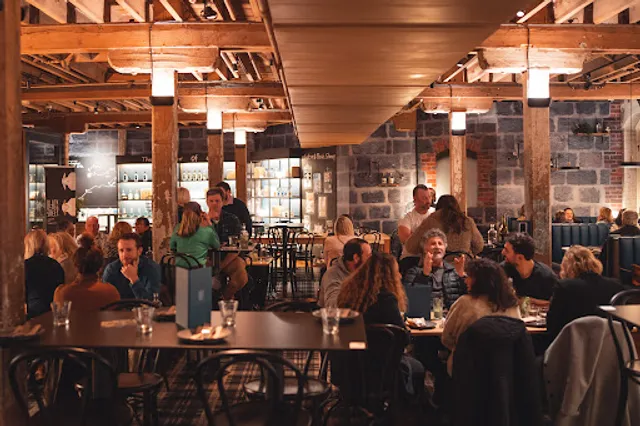
Black Sheep Geelong
4.5
(325)
$$
Closed
Click for details

Marrybrown Geelong
4.0
(36)
Open until 5:00 PM
Click for details
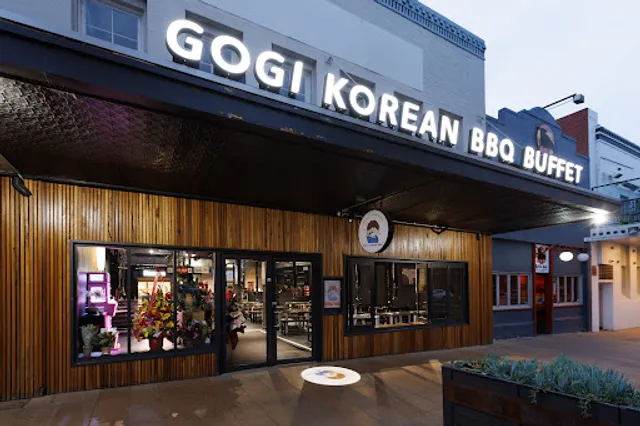
GOGI Korean BBQ & HotPot Buffet (open Xmas and New Year)
4.7
(359)
Closed
Click for details
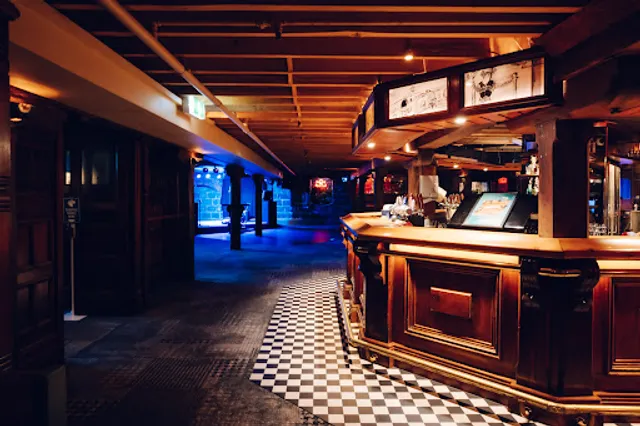
Lambys Tavern
3.8
(250)
$$
Open until 3:00 AM
Click for details
Nearby local services of National Wool Museum
Mr. Pro Whipp
Cunningham Pier
Wangim Walk
Nutshack
City of Greater Geelong
Chung Vinh Phat Asian Groceries
Just Spice @ Geelong Indian Grocery
Guf Geelong
Cakesmith
Organic Larder - Geelong Organics & Health Foods

Mr. Pro Whipp
4.7
(22)
Click for details
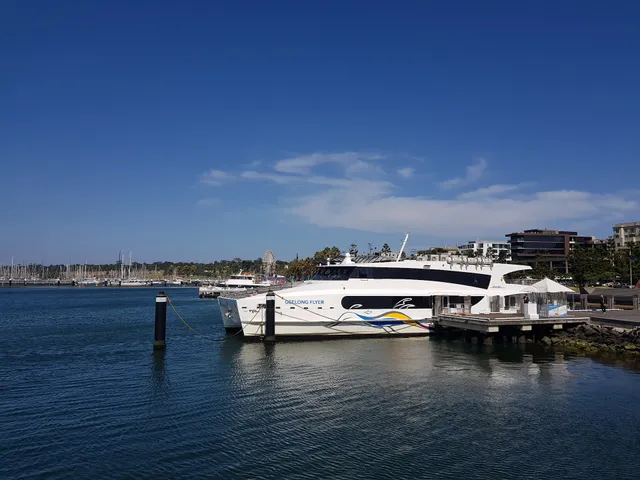
Cunningham Pier
4.3
(24)
Click for details
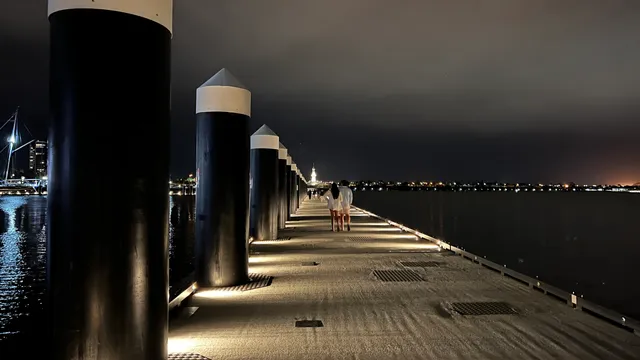
Wangim Walk
4.7
(28)
Click for details
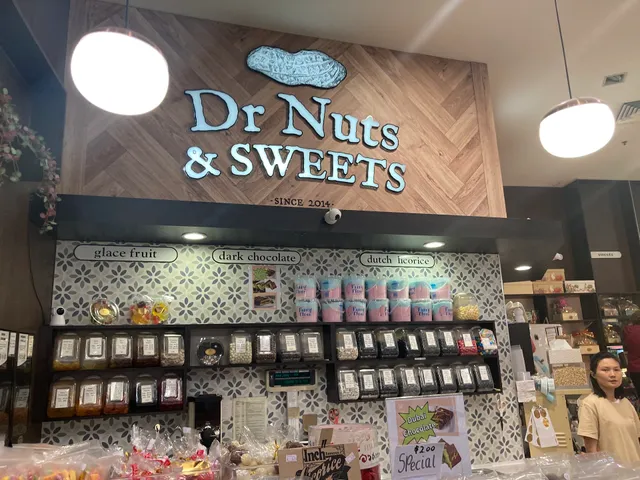
Nutshack
3.4
(10)
Click for details