Queen Victoria Museum at Inveresk things to do, attractions, restaurants, events info and trip planning
Basic Info
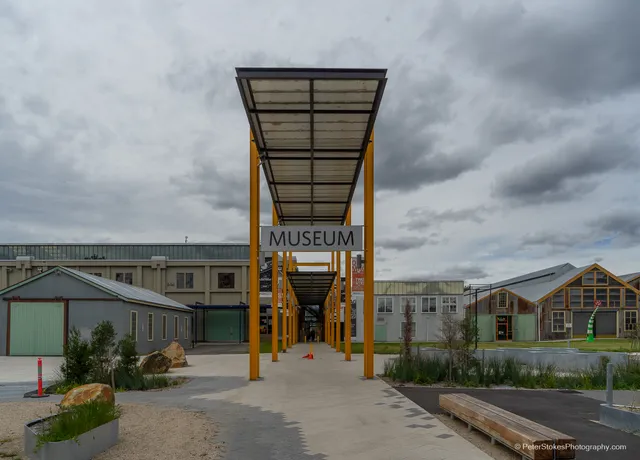
Queen Victoria Museum at Inveresk
2 Invermay Rd, Invermay TAS 7248, Australia
4.6(885)
Closed
Save
spot
spot
Ratings & Description
Info
The Queen Victoria Museum and Art Gallery is a museum located in Launceston, Tasmania, Australia. The QVMAG is the largest museum in Australia not located in a capital city.
Cultural
Entertainment
Family friendly
Accessibility
attractions: Inveresk Precinct, University of Tasmania, Inveresk Campus, Launceston Tramway Museum, University of Tasmania Stadium, QVMAG Inveresk Community Gallery, James Boag Brewery, Launceston, City Park, Japanese Macaque Exhibit, John Hart Conservatory, Design Tasmania, restaurants: Blue Social Eatery Restaurant - Launceston, Me Wah Restaurant, The Park on Invermay, Hog's Breath Cafe Launceston, TAS Burgers, Bizy Bee, THE House of Spuds, The Devil's Own Ice Creamery, 1911 Espresso, Gunners Arms Tavern, local businesses: Shah’s Kebab Invermay, 22 Tamar St, Launceston Mart - A Complete Nepalese & Indian Grocery Store, Harvest Market, Holbrook Street Take-Away, Albert Hall, 47 Tamar St, 23 George St, Forster St Take Away, Launceston Leisure & Aquatic Centre
 Learn more insights from Wanderboat AI.
Phone
+61 3 6323 3777
Website
qvmag.tas.gov.au
Open hoursSee all hours
Thu10 AM - 4 PMClosed
Plan your stay

Pet-friendly Hotels in Launceston
Find a cozy hotel nearby and make it a full experience.

Affordable Hotels in Launceston
Find a cozy hotel nearby and make it a full experience.

The Coolest Hotels You Haven't Heard Of (Yet)
Find a cozy hotel nearby and make it a full experience.

Trending Stays Worth the Hype in Launceston
Find a cozy hotel nearby and make it a full experience.
Reviews
Live events
Launceston Murder Mystery: Solve the case!
Sun, Feb 1 • 12:00 AM
Princes Square, 28A Frederick St, Launceston TAS 7250, Australia, 7250
View details
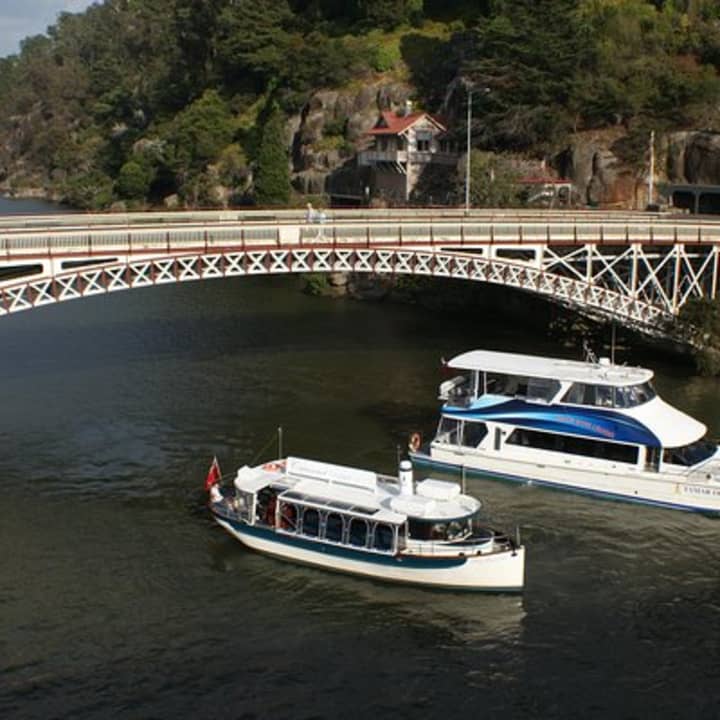
Batman Bridge 4 Hour Luncheon Cruise including sailing into the Cataract Gorge
Fri, Feb 27 • 10:00 AM
Launceston, 7250
View details

Rock and Rhyme at Longford Library
Thu, Feb 5 • 10:15 AM
Longford Library, 55 Wellington Street, Longford, Australia
View details
Nearby attractions of Queen Victoria Museum at Inveresk
Inveresk Precinct
University of Tasmania, Inveresk Campus
Launceston Tramway Museum
University of Tasmania Stadium
QVMAG Inveresk Community Gallery
James Boag Brewery, Launceston
City Park
Japanese Macaque Exhibit
John Hart Conservatory
Design Tasmania
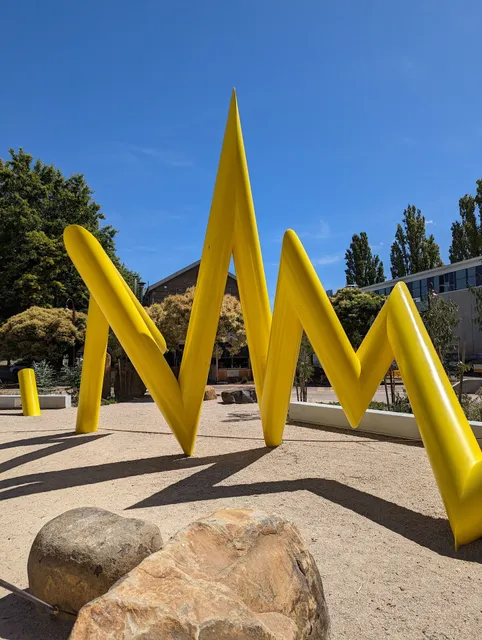
Inveresk Precinct
4.3
(76)
Open 24 hours
Click for details

University of Tasmania, Inveresk Campus
4.3
(25)
Open 24 hours
Click for details
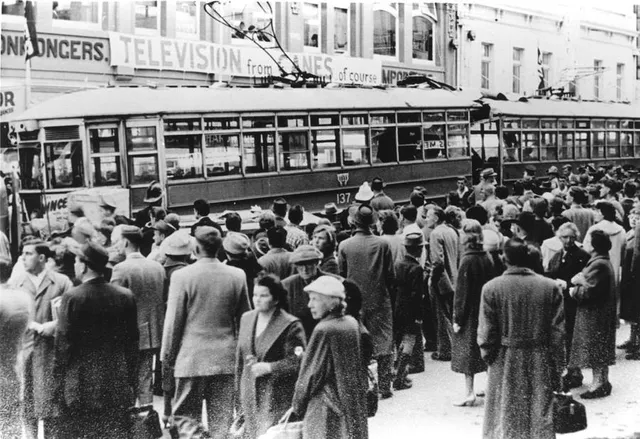
Launceston Tramway Museum
4.5
(74)
Open 24 hours
Click for details

University of Tasmania Stadium
4.4
(323)
Open 24 hours
Click for details
Nearby restaurants of Queen Victoria Museum at Inveresk
Blue Social Eatery Restaurant - Launceston
Me Wah Restaurant
The Park on Invermay
Hog's Breath Cafe Launceston
TAS Burgers
Bizy Bee
THE House of Spuds
The Devil's Own Ice Creamery
1911 Espresso
Gunners Arms Tavern
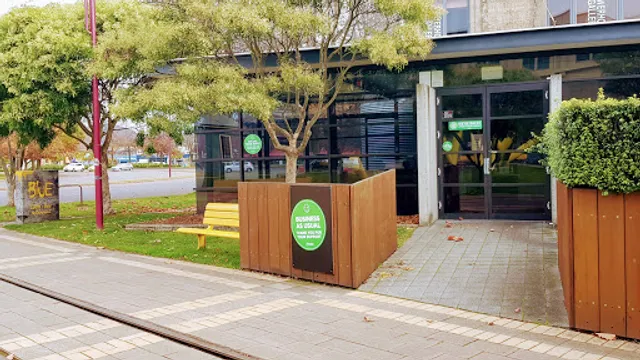
Blue Social Eatery Restaurant - Launceston
4.0
(288)
Open until 8:00 PM
Click for details
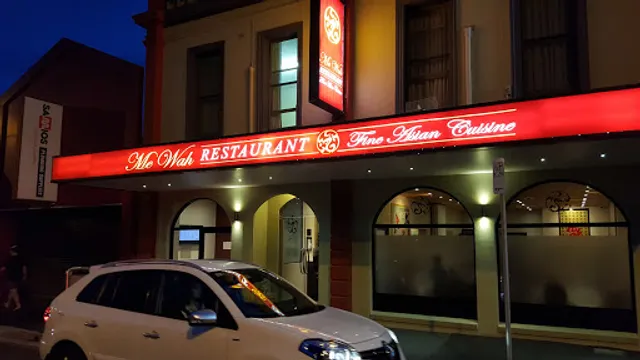
Me Wah Restaurant
4.6
(440)
$$
Open until 9:30 PM
Click for details
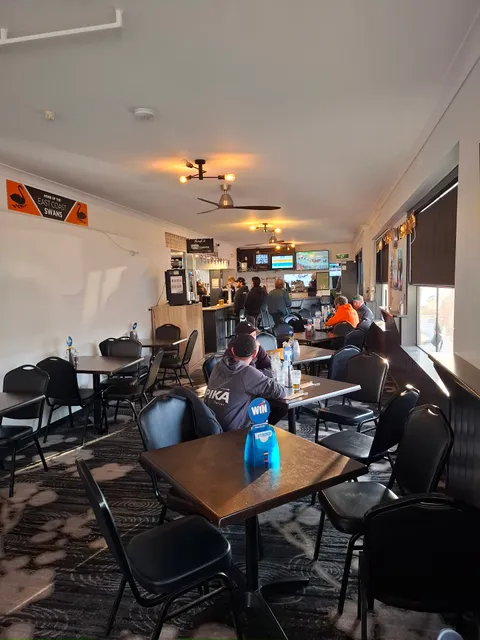
The Park on Invermay
4.3
(176)
Open until 12:00 AM
Click for details
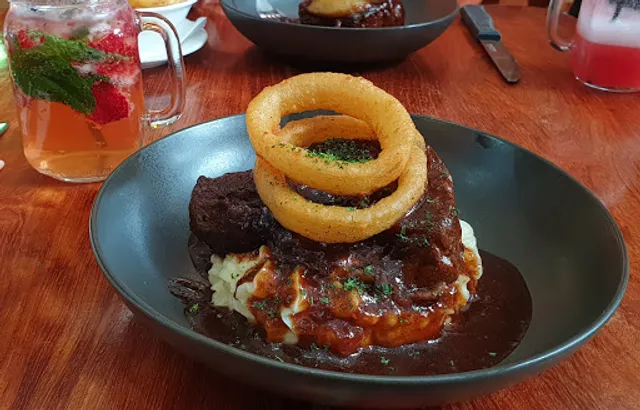
Hog's Breath Cafe Launceston
4.0
(721)
Open until 9:00 PM
Click for details
Nearby local services of Queen Victoria Museum at Inveresk
Shah’s Kebab Invermay
22 Tamar St
Launceston Mart - A Complete Nepalese & Indian Grocery Store
Harvest Market
Holbrook Street Take-Away
Albert Hall
47 Tamar St
23 George St
Forster St Take Away
Launceston Leisure & Aquatic Centre
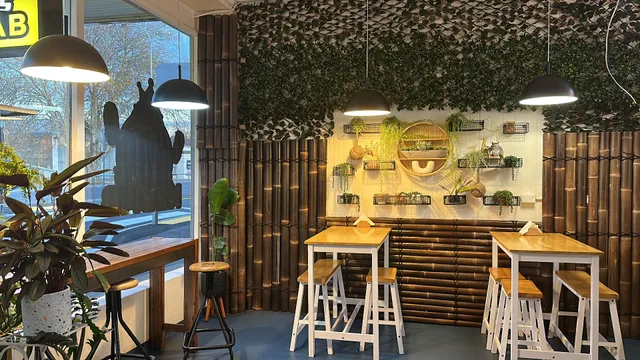
Shah’s Kebab Invermay
4.5
(163)
Click for details
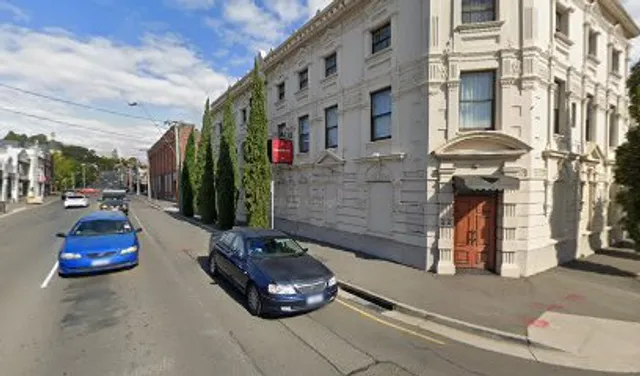
22 Tamar St
4.1
(120)
Click for details

Launceston Mart - A Complete Nepalese & Indian Grocery Store
4.5
(56)
Click for details
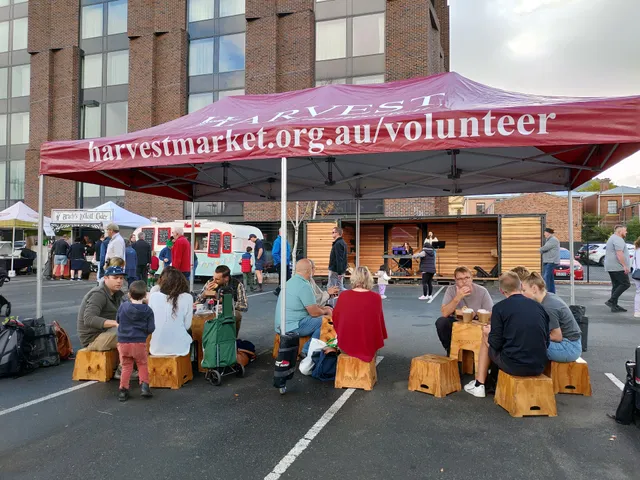
Harvest Market
4.6
(502)
Click for details