Ephesos Museum things to do, attractions, restaurants, events info and trip planning
Basic Info
Ephesos Museum
Heldenplatz, 1010 Wien, Austria
4.5(128)
Open until 12:00 AM
Save
spot
spot
Ratings & Description
Info
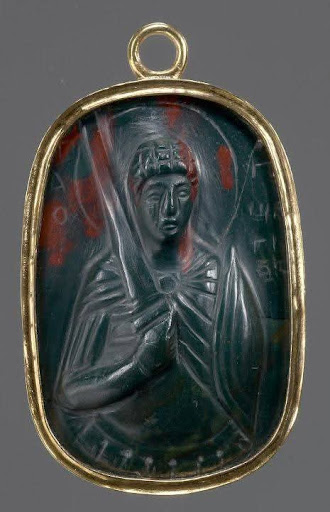
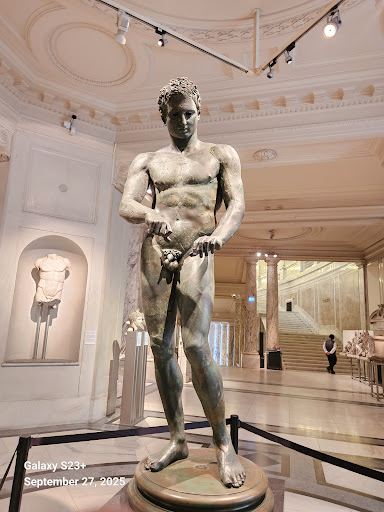
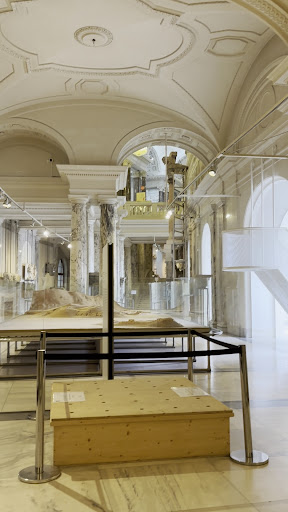
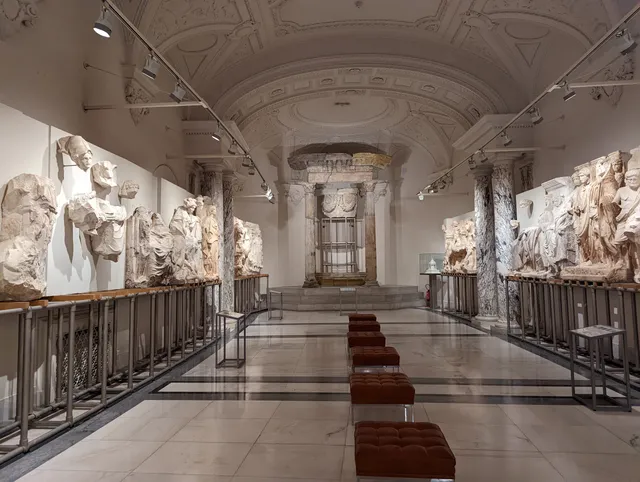
The Ephesos Museum in Vienna displays antiquities from the city of Ephesus, in modern-day Turkey. Begun in the late 19th century, the collection includes original works of sculpture and architecture, and belongs to the Kunsthistorisches Museum. Since 1978 the Ephesos Museum has had its own rooms in the Neue Burg.
Cultural
Family friendly
Accessibility
attractions: Hofburg, Neue Burg - Teil der Wiener Hofburg, Schmetterlinghaus, Burggarten, Heldenplatz, Weltmuseum Wien, Imperial Treasury Vienna, Albertina, House of Austrian History, Hofburg Vienna Eventlocation, restaurants: Brasserie Palmenhaus Wien, Green Door Bistro, GANESHA Indian cuisine, Burg Ring 1, L'Osteria Wien Bräunerstraße, Demel Vienna cafe, Café Sacher Wien, Eissalon Zanoni & Zanoni Burgring, DO & CO Albertina, Ristorante L`Asino che Ride, local businesses: Museo Etnográfico de Viena, Austrian National Library, Heidi Horten Collection, Babenberger Passage, Corte de Caza y Armería, Palais Pálffy Kultur & Events GmbH, Imperial Shop Vienna, Dorotheum, THE WORLD TO GO VIENNA, Souvenir Shop AM RING Vienna
 Learn more insights from Wanderboat AI.
Phone
+43 1 525241000
Website
khm.at
Open hoursSee all hours
MonClosedOpen
Plan your stay

Pet-friendly Hotels in Vienna
Find a cozy hotel nearby and make it a full experience.

Affordable Hotels in Vienna
Find a cozy hotel nearby and make it a full experience.

The Coolest Hotels You Haven't Heard Of (Yet)
Find a cozy hotel nearby and make it a full experience.

Trending Stays Worth the Hype in Vienna
Find a cozy hotel nearby and make it a full experience.
Reviews
Live events
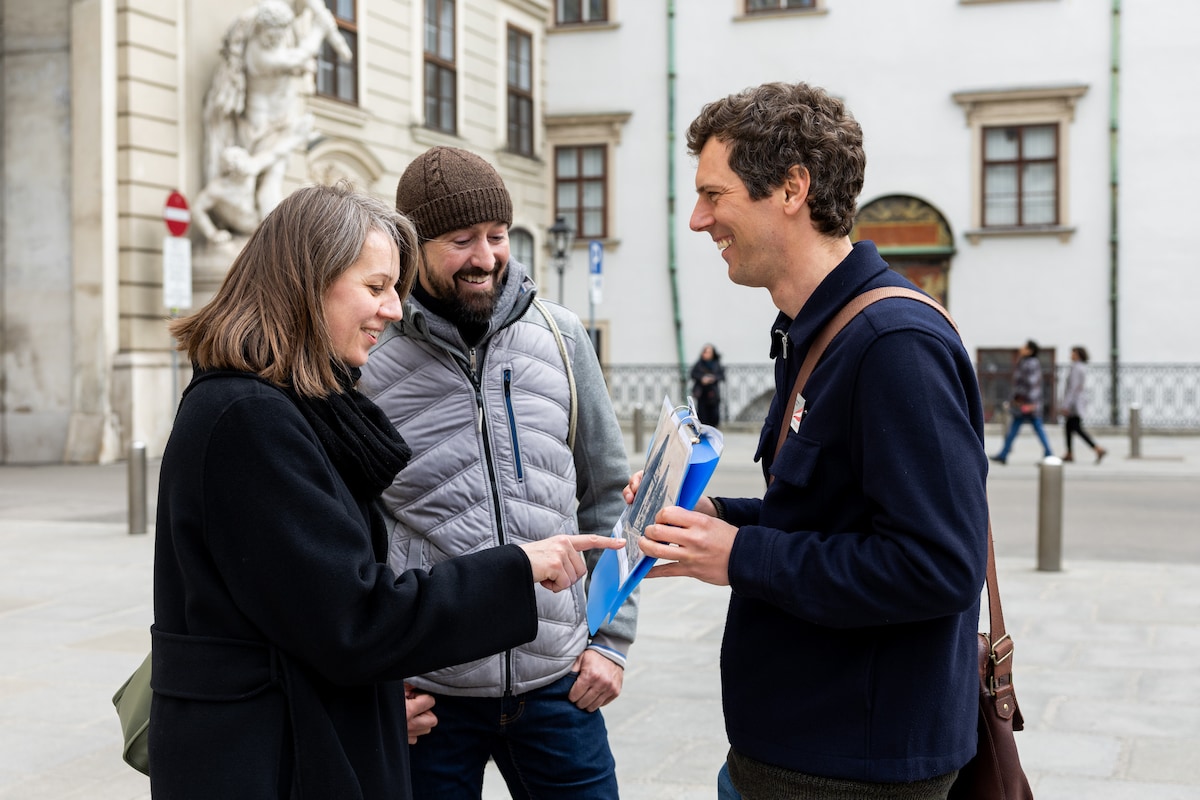
Explore historic Vienna
Wed, Jan 28 • 10:00 AM
Vienna, Vienna 1010, Austria
View details
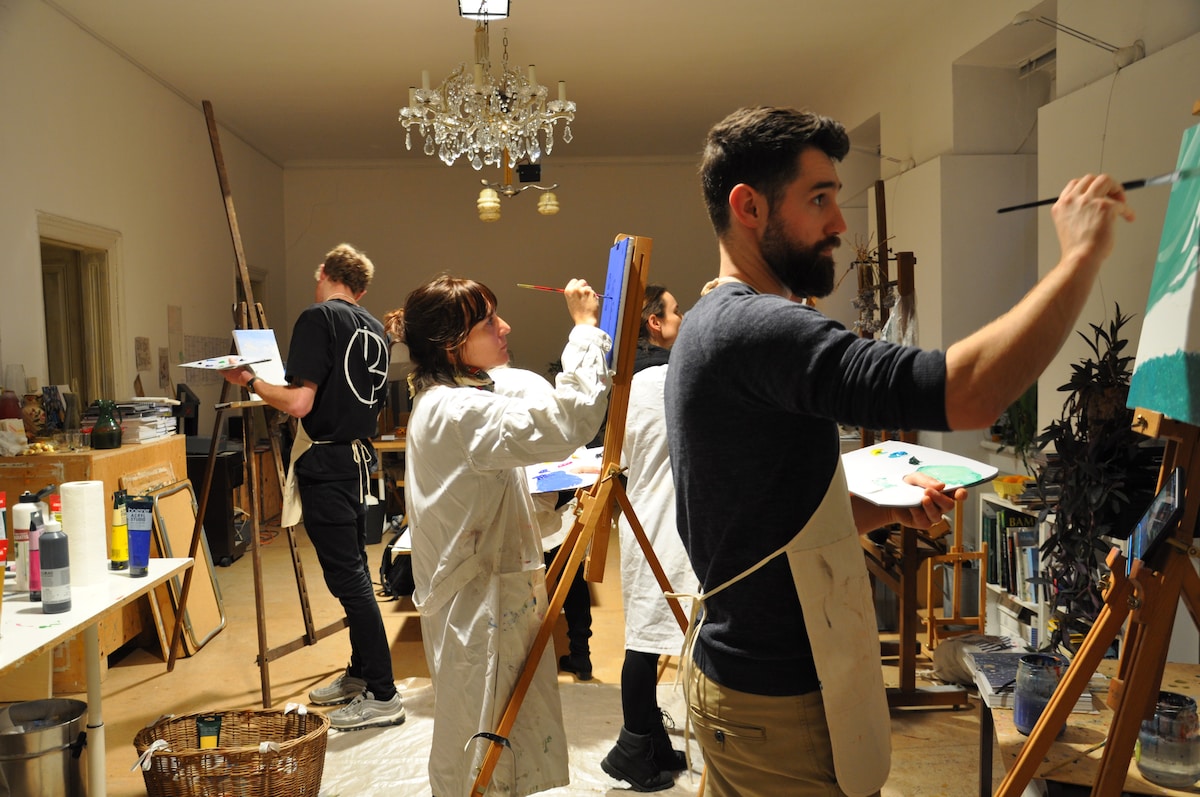
Be a Viennese artist for a day
Mon, Jan 26 • 2:00 PM
Vienna, Vienna 1070, Austria
View details
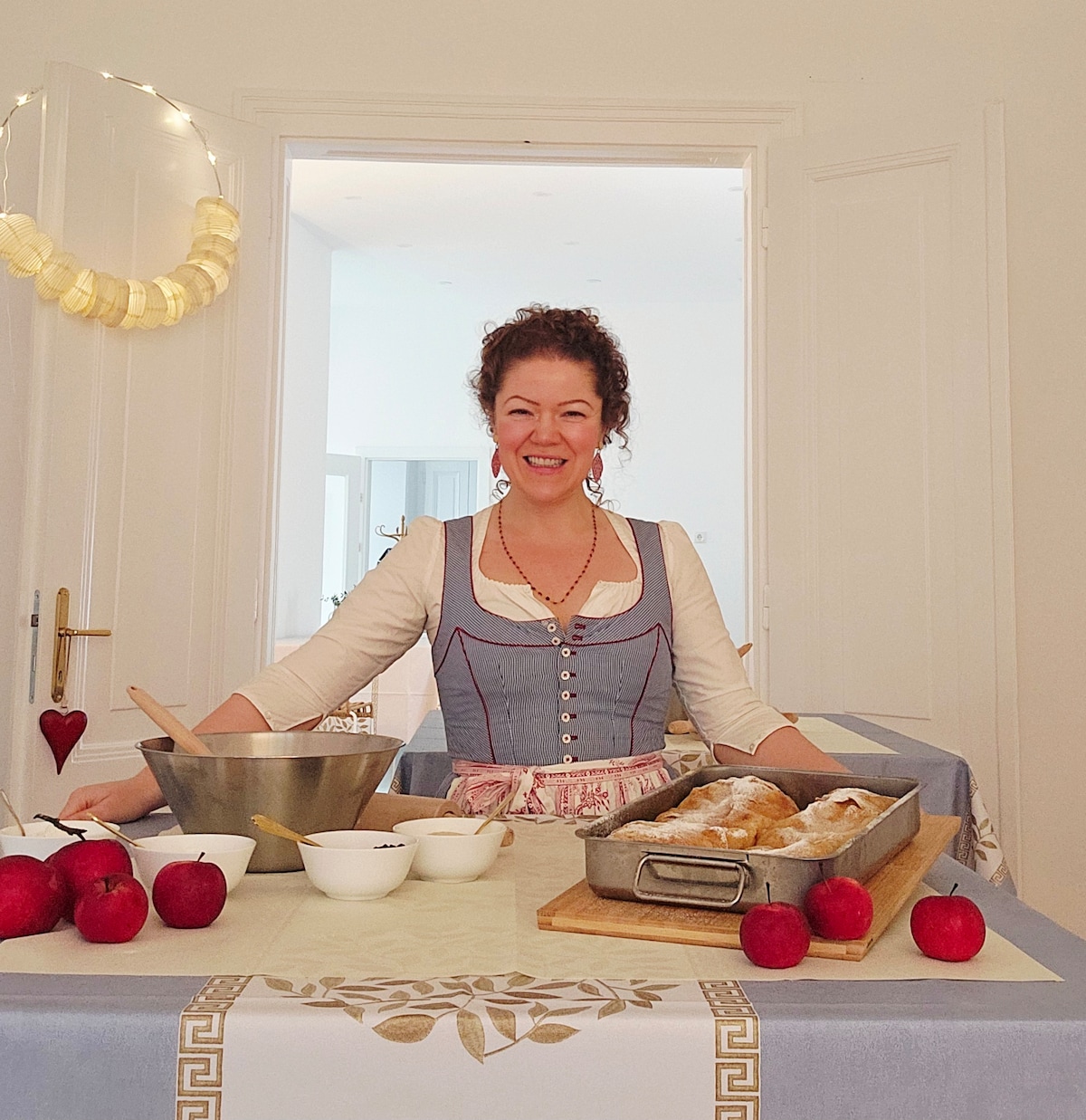
Apple Strudel & Pretzels: Dinner Baking Class
Mon, Jan 26 • 6:00 PM
Vienna, Vienna 1140, Austria
View details
Nearby attractions of Ephesos Museum
Hofburg
Neue Burg - Teil der Wiener Hofburg
Schmetterlinghaus
Burggarten
Heldenplatz
Weltmuseum Wien
Imperial Treasury Vienna
Albertina
House of Austrian History
Hofburg Vienna Eventlocation
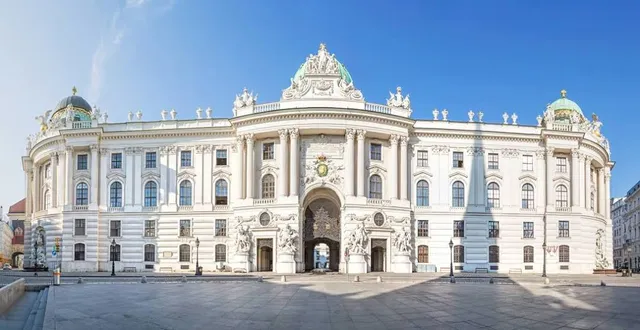
Hofburg
4.7
(19.5K)
Open until 6:00 PM
Click for details
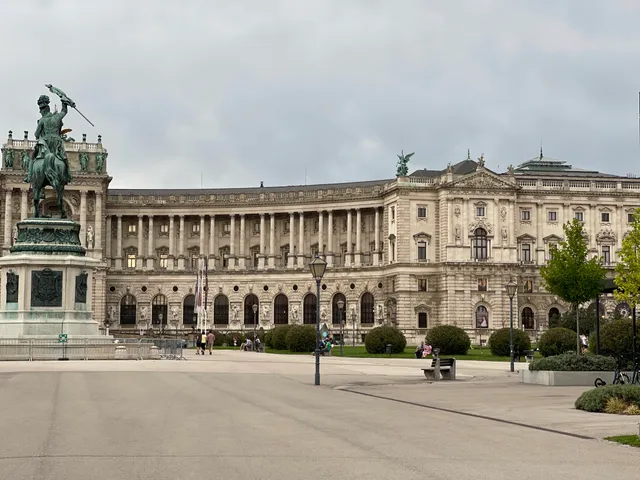
Neue Burg - Teil der Wiener Hofburg
4.7
(1.3K)
Open until 12:00 AM
Click for details
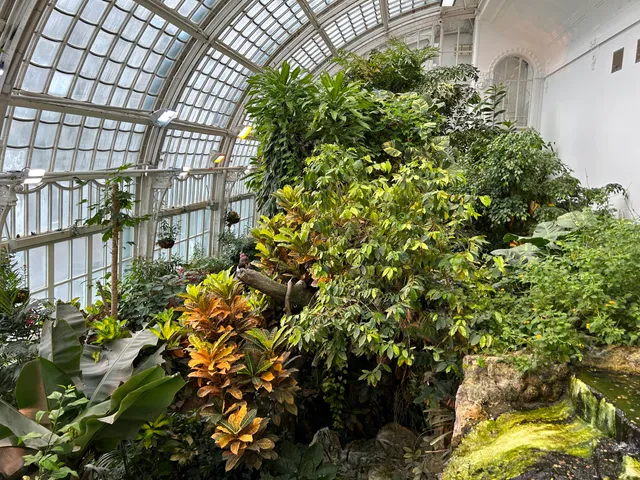
Schmetterlinghaus
4.2
(3.6K)
Open until 3:45 PM
Click for details
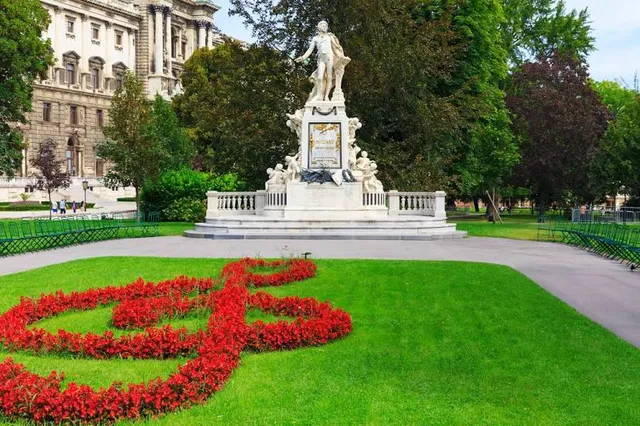
Burggarten
4.7
(5.1K)
Open until 5:30 PM
Click for details
Nearby restaurants of Ephesos Museum
Brasserie Palmenhaus Wien
Green Door Bistro
GANESHA Indian cuisine
Burg Ring 1
L'Osteria Wien Bräunerstraße
Demel Vienna cafe
Café Sacher Wien
Eissalon Zanoni & Zanoni Burgring
DO & CO Albertina
Ristorante L`Asino che Ride
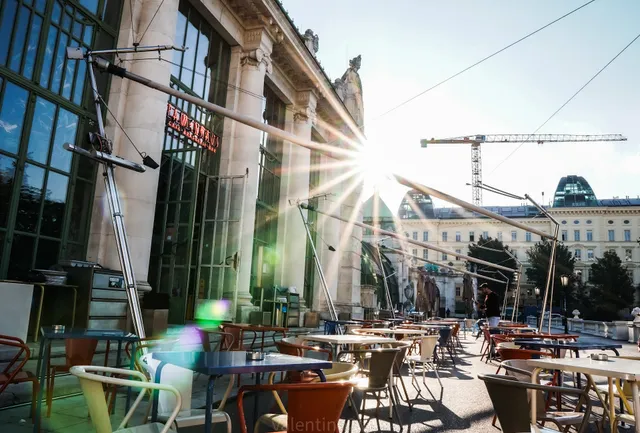
Brasserie Palmenhaus Wien
4.2
(3.7K)
$$$
Open until 12:00 AM
Click for details
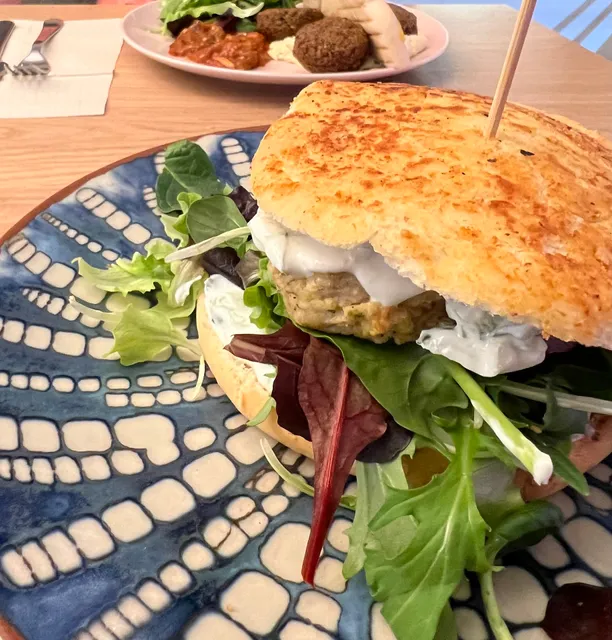
Green Door Bistro
4.9
(144)
Open until 12:00 AM
Click for details
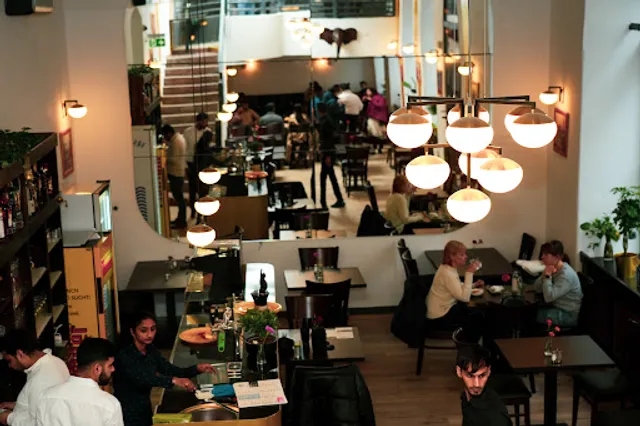
GANESHA Indian cuisine
4.6
(1.9K)
Open until 10:00 PM
Click for details
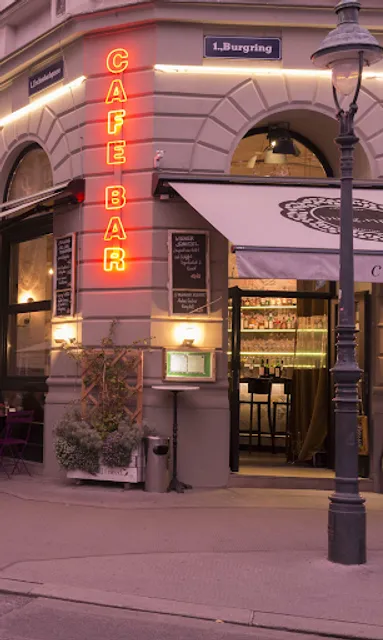
Burg Ring 1
4.2
(969)
Open until 12:00 AM
Click for details
Nearby local services of Ephesos Museum
Museo Etnográfico de Viena
Austrian National Library
Heidi Horten Collection
Babenberger Passage
Corte de Caza y Armería
Palais Pálffy Kultur & Events GmbH
Imperial Shop Vienna
Dorotheum
THE WORLD TO GO VIENNA
Souvenir Shop AM RING Vienna
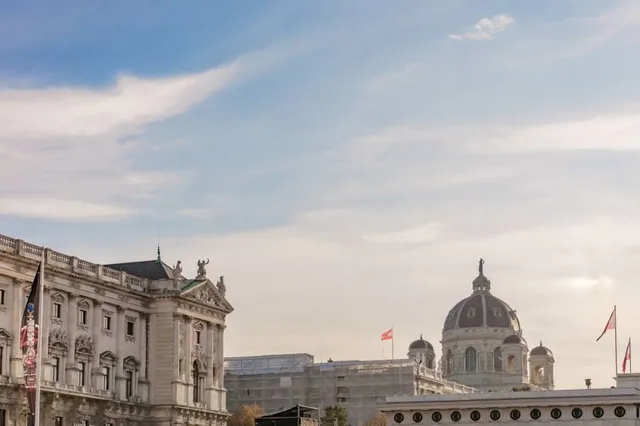
Museo Etnográfico de Viena
4.6
(1.3K)
Click for details
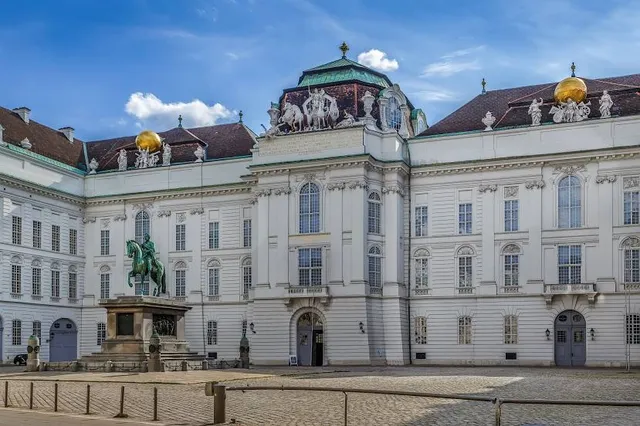
Austrian National Library
4.6
(1.4K)
Click for details
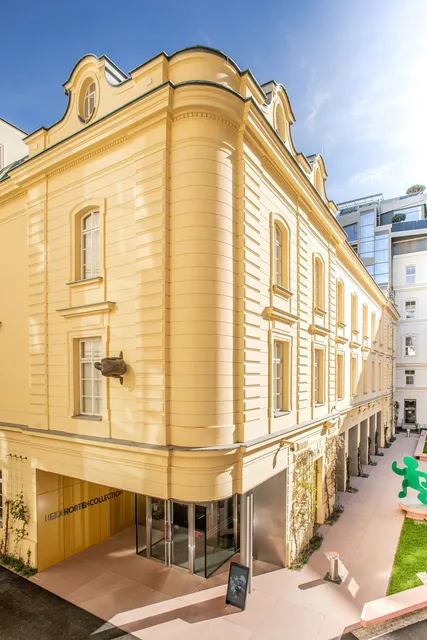
Heidi Horten Collection
4.5
(533)
Click for details
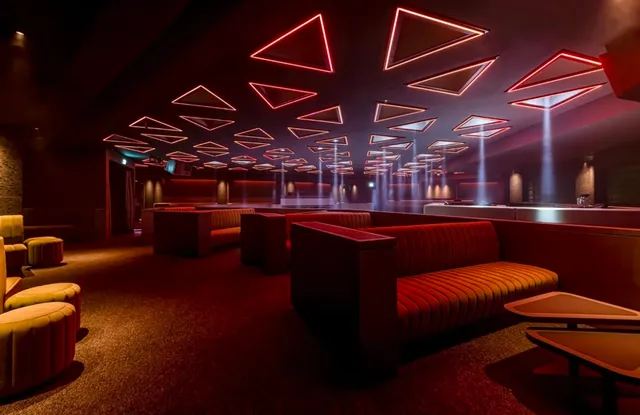
Babenberger Passage
2.8
(258)
Click for details