Monument in honor of the soldiers of the Soviet Army things to do, attractions, restaurants, events info and trip planning
Basic Info
Monument in honor of the soldiers of the Soviet Army
Schwarzenbergpl., 1030 Wien, Austria
4.4(1.0K)
Open until 12:00 AM
Save
spot
spot
Ratings & Description
Info
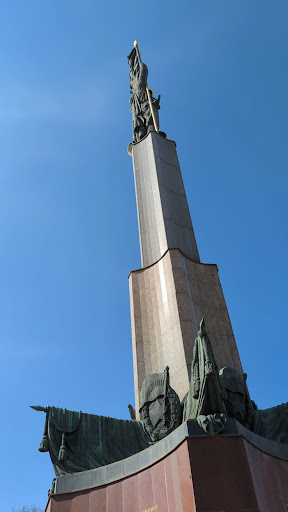
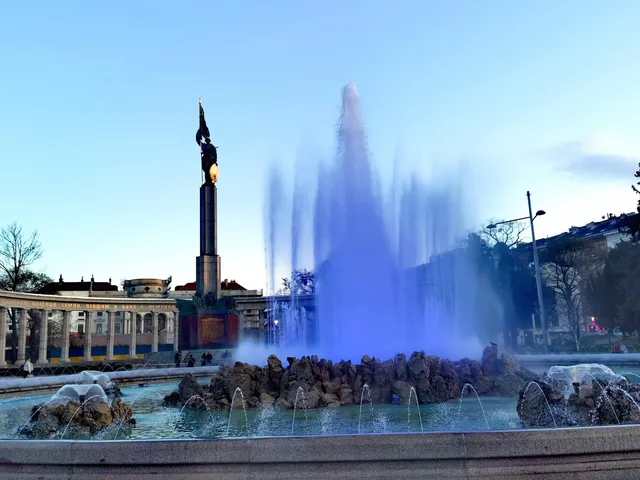
The Soviet War Memorial in Vienna, more formally known as the Heroes' Monument of the Red Army, is located at Vienna's Schwarzenbergplatz. The semi-circular white marble colonnade partially enclosing a twelve-metre figure of a Soviet soldier was unveiled in 1945.
Cultural
Accessibility
attractions: Hochstrahlbrunnen, St. Charles's Church, Lower Belvedere, Palais Schwarzenberg, Wiener Royal Orchester, Wiener Konzerthaus, Wien Museum Karlsplatz, House of Industry, Arnold Schönberg Center, Karlsplatz Metro Station, restaurants: Tomochan Ramen Schwarzenberg, Cafe Prinz, Salm Bräu, Apron, Gmoa Keller, Coffee & Friends, FALCO´s RESTAURANT-BAR-CLUB, Le’s, Pia's Wohlleben – Hausgemachte Bio-Spätzle: klassisch, vegan & mehr, Café Pacassi, local businesses: Lower Belvedere, INC-Club, Albertina Modern, Jardines de Belvedere, Kursalon Hübner, Stadtpark, Pizzeria RIVA Favorita, Mozart & Vivaldi's Four Seasons in Musikverein Vienna, Edelweiss Walfischgasse, Salon Brahms
 Learn more insights from Wanderboat AI.
Website
wien.gv.at
Open hoursSee all hours
TueOpen 24 hoursOpen
Plan your stay

Pet-friendly Hotels in Vienna
Find a cozy hotel nearby and make it a full experience.

Affordable Hotels in Vienna
Find a cozy hotel nearby and make it a full experience.

The Coolest Hotels You Haven't Heard Of (Yet)
Find a cozy hotel nearby and make it a full experience.

Trending Stays Worth the Hype in Vienna
Find a cozy hotel nearby and make it a full experience.
Reviews
Live events

Die Legende der Titanic - Die immersive Ausstellung
Tue, Jan 27 • 12:30 PM
Karl-Farkas-Gasse 19, Wien, 1030
View details
Machu Picchu - die immersive Experience!
Tue, Jan 27 • 1:00 PM
Donauturmplatz 1, Wien, 1220
View details
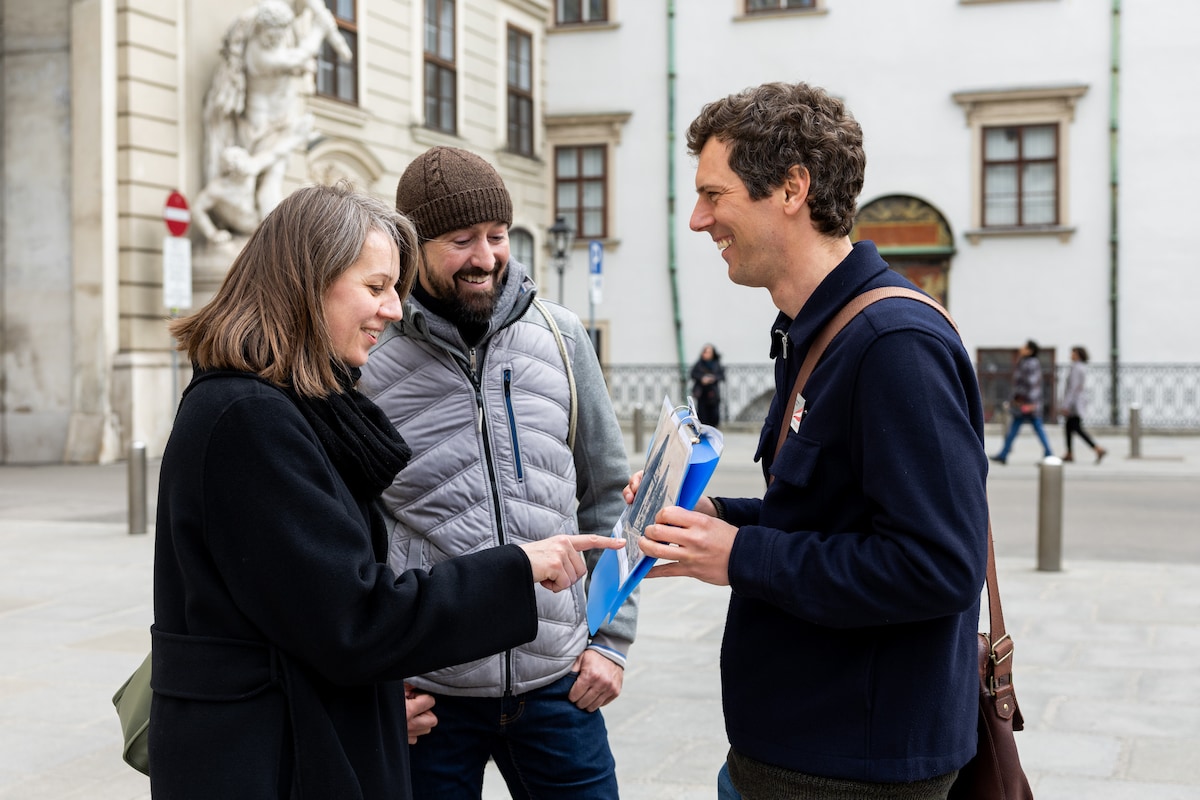
Explore historic Vienna
Wed, Jan 28 • 10:00 AM
Vienna, Vienna 1010, Austria
View details
Nearby attractions of Monument in honor of the soldiers of the Soviet Army
Hochstrahlbrunnen
St. Charles's Church
Lower Belvedere
Palais Schwarzenberg
Wiener Royal Orchester
Wiener Konzerthaus
Wien Museum Karlsplatz
House of Industry
Arnold Schönberg Center
Karlsplatz Metro Station
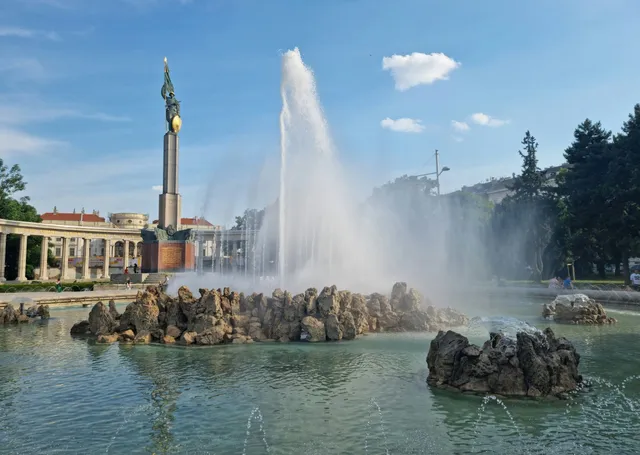
Hochstrahlbrunnen
4.6
(2.5K)
Open until 12:00 AM
Click for details
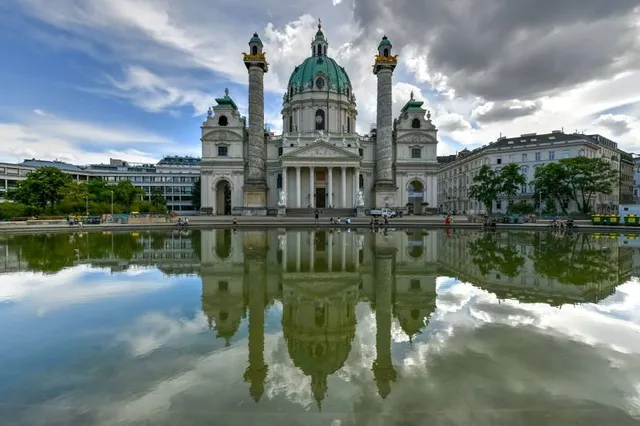
St. Charles's Church
4.6
(11.4K)
Open until 7:00 PM
Click for details
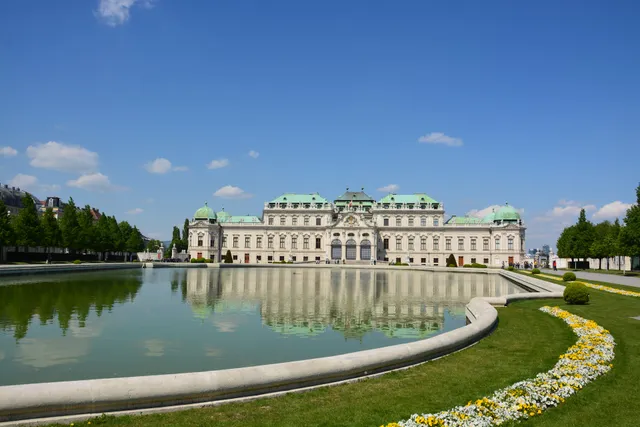
Lower Belvedere
4.5
(4.2K)
Open until 6:00 PM
Click for details
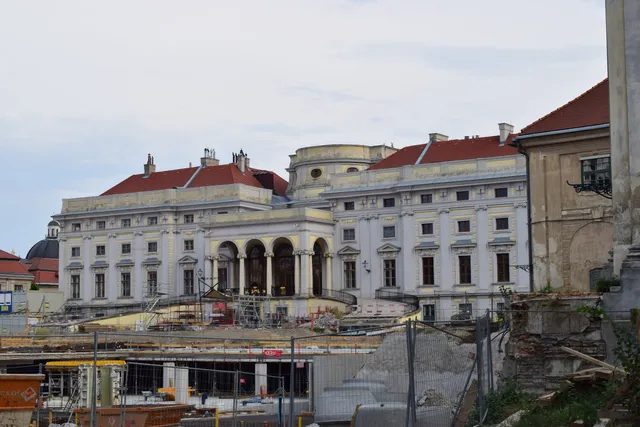
Palais Schwarzenberg
4.5
(203)
Open 24 hours
Click for details
Nearby restaurants of Monument in honor of the soldiers of the Soviet Army
Tomochan Ramen Schwarzenberg
Cafe Prinz
Salm Bräu
Apron
Gmoa Keller
Coffee & Friends
FALCO´s RESTAURANT-BAR-CLUB
Le’s
Pia's Wohlleben – Hausgemachte Bio-Spätzle: klassisch, vegan & mehr
Café Pacassi
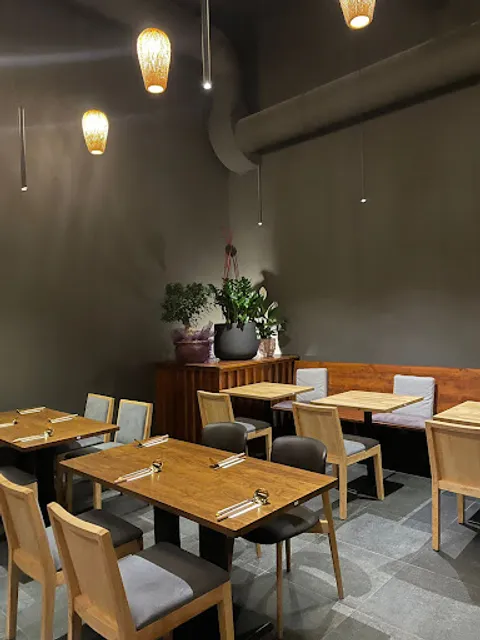
Tomochan Ramen Schwarzenberg
4.6
(594)
Open until 10:00 PM
Click for details
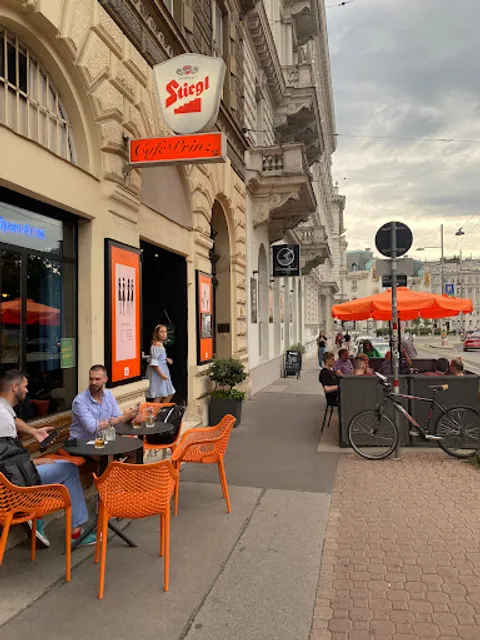
Cafe Prinz
4.6
(159)
Open until 12:00 AM
Click for details
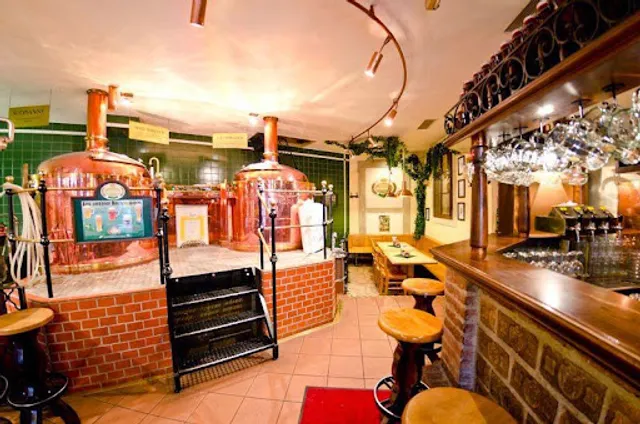
Salm Bräu
4.3
(5.4K)
Open until 11:30 PM
Click for details
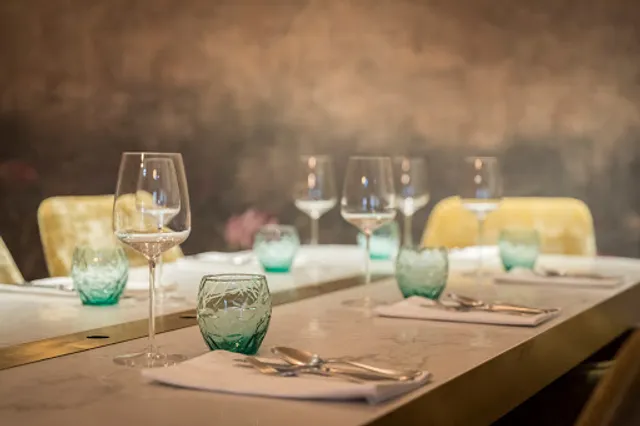
Apron
4.8
(231)
Open until 12:00 AM
Click for details
Nearby local services of Monument in honor of the soldiers of the Soviet Army
Lower Belvedere
INC-Club
Albertina Modern
Jardines de Belvedere
Kursalon Hübner
Stadtpark
Pizzeria RIVA Favorita
Mozart & Vivaldi's Four Seasons in Musikverein Vienna
Edelweiss Walfischgasse
Salon Brahms
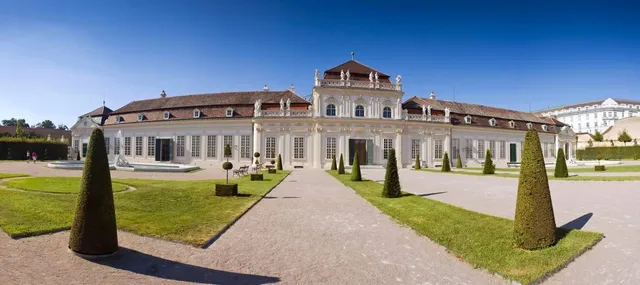
Lower Belvedere
4.5
(3.7K)
Click for details
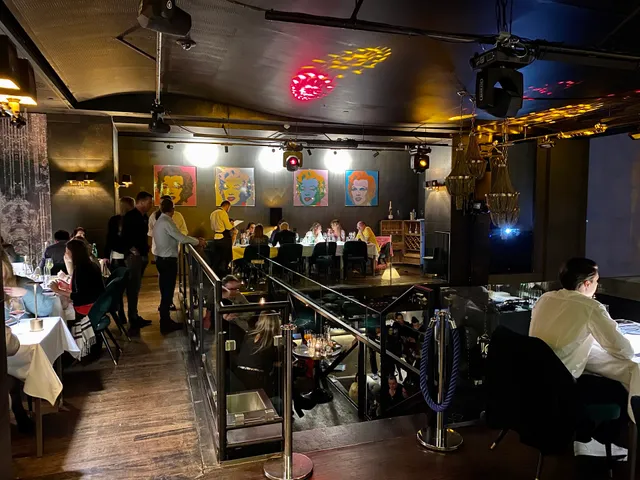
INC-Club
3.6
(189)
Click for details
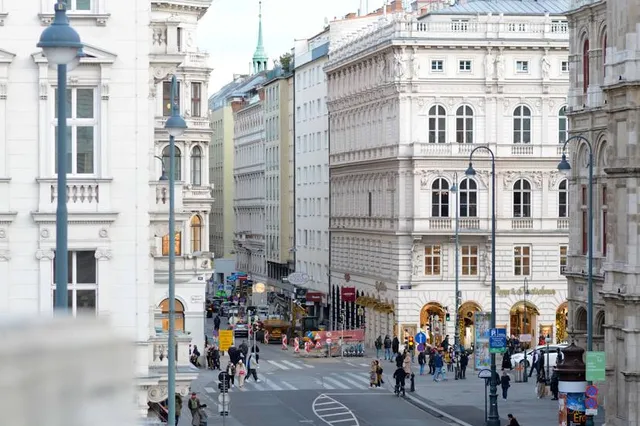
Albertina Modern
4.5
(1.5K)
Click for details
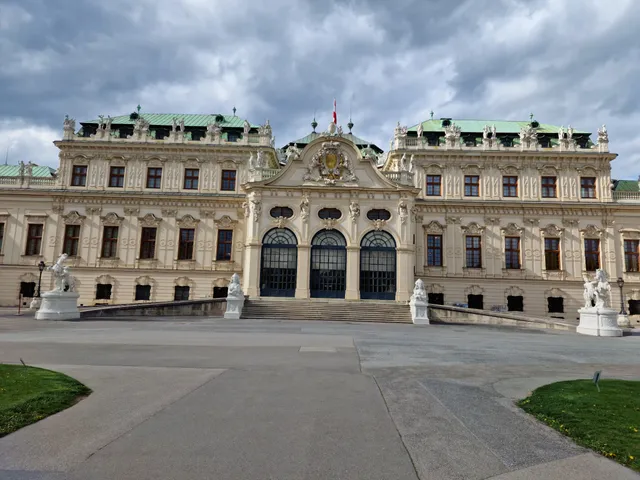
Jardines de Belvedere
4.7
(13.5K)
Click for details