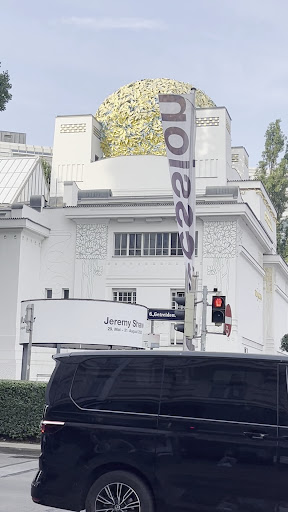
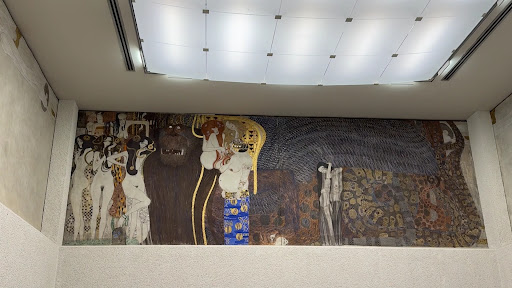
Secession things to do, attractions, restaurants, events info and trip planning
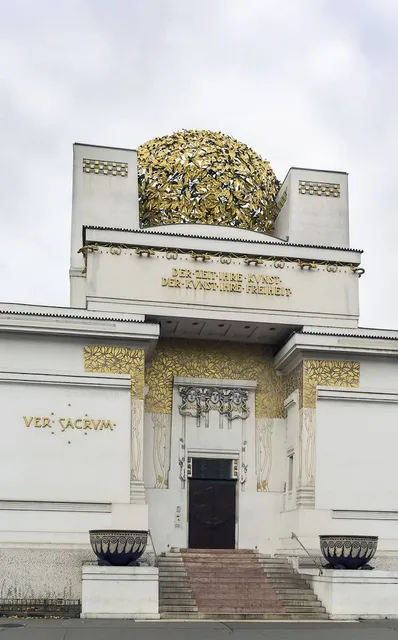
Basic Info
Secession
Friedrichstraße 12, 1010 Wien, Austria
4.2(3K)
Open until 12:00 AM


tickets
Save
spot
spot
Ratings & Description
Info
Secession is the formal withdrawal of a group from a political entity. The process begins once a group proclaims an act of secession. A secession attempt might be violent or peaceful, but the goal is the creation of a new state or entity independent of the group or territory from which it seceded.
Cultural
Accessibility
attractions: Johann Strauss Museum - New Dimensions, Vienna State Opera, Theater an der Wien, Schillerpark, Kunsthistorisches Museum Wien, Gemäldegalerie der Akademie der bildenden Künste, 3D PicArt Museum Vienna, Burggarten, St. Charles's Church, Albertina, restaurants: BLOCK HOUSE Am Naschmarkt, WEIN & CO Wien Naschmarkt – Weinbar & Shop, Café Museum, Umarfisch am Naschmarkt, Iris Modern Greek Restaurant, Li's Cooking, Rinderwahn at Naschmarkt, Restaurant Bier & Bierli, Hanil Sushi | Hanil Running Sushi, Schnitzel & Ribs, local businesses: Schillerpark, La Stella Italienische Apericafè - Gastroshop, VPG Vienna PASS GmbH, Albertina Modern, Naschmarkt, Heidi Horten Collection, Crupi-Sizilianische Spezialitäten, Museo Etnográfico de Viena, Babenberger Passage, Wiener Mozart Konzert - Wiener Mozart Orchester
 Learn more insights from Wanderboat AI.
Phone
+43 1 5875307
Website
secession.at
Open hoursSee all hours
MonClosedOpen
Plan your stay

Pet-friendly Hotels in Vienna
Find a cozy hotel nearby and make it a full experience.

Affordable Hotels in Vienna
Find a cozy hotel nearby and make it a full experience.

The Coolest Hotels You Haven't Heard Of (Yet)
Find a cozy hotel nearby and make it a full experience.

Trending Stays Worth the Hype in Vienna
Find a cozy hotel nearby and make it a full experience.
Reviews
Live events
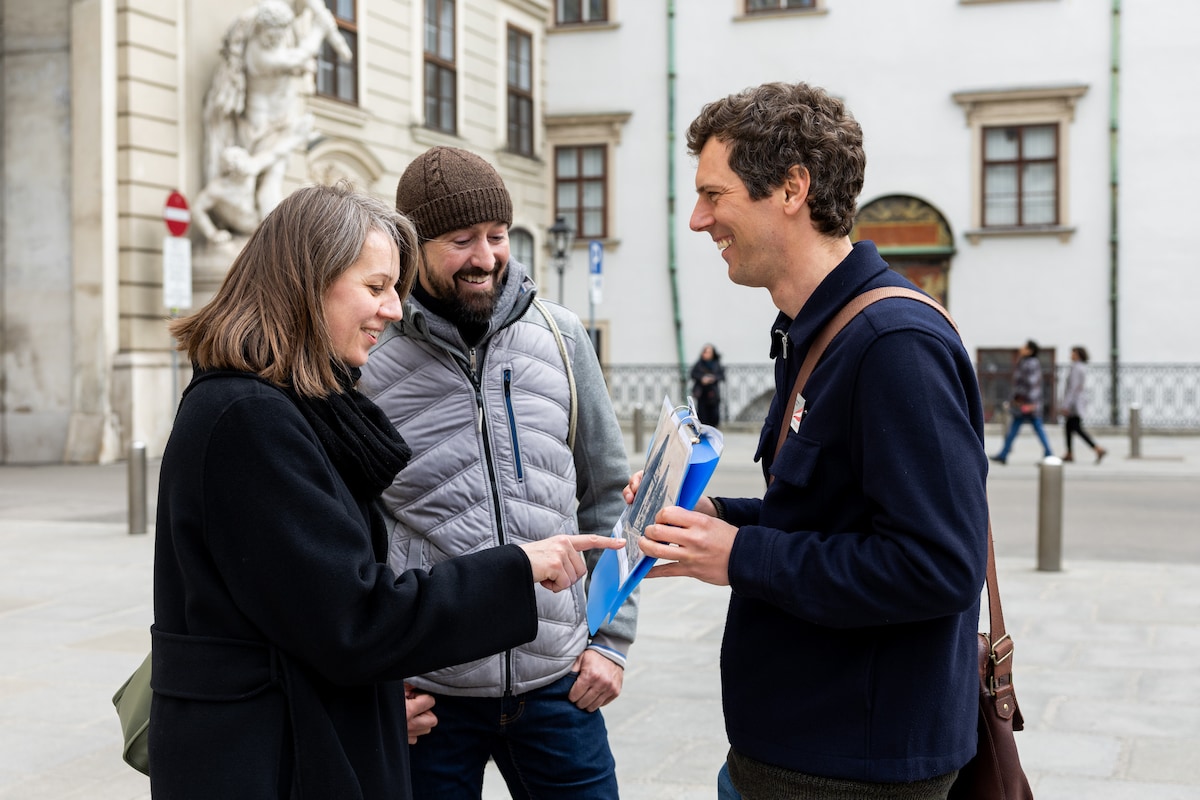
Explore historic Vienna
Wed, Feb 11 • 10:00 AM
Vienna, Vienna 1010, Austria
View details

Cook schnitzel and strudel in a historic apartment
Wed, Feb 11 • 11:00 AM
Vienna, Vienna 1040, Austria
View details
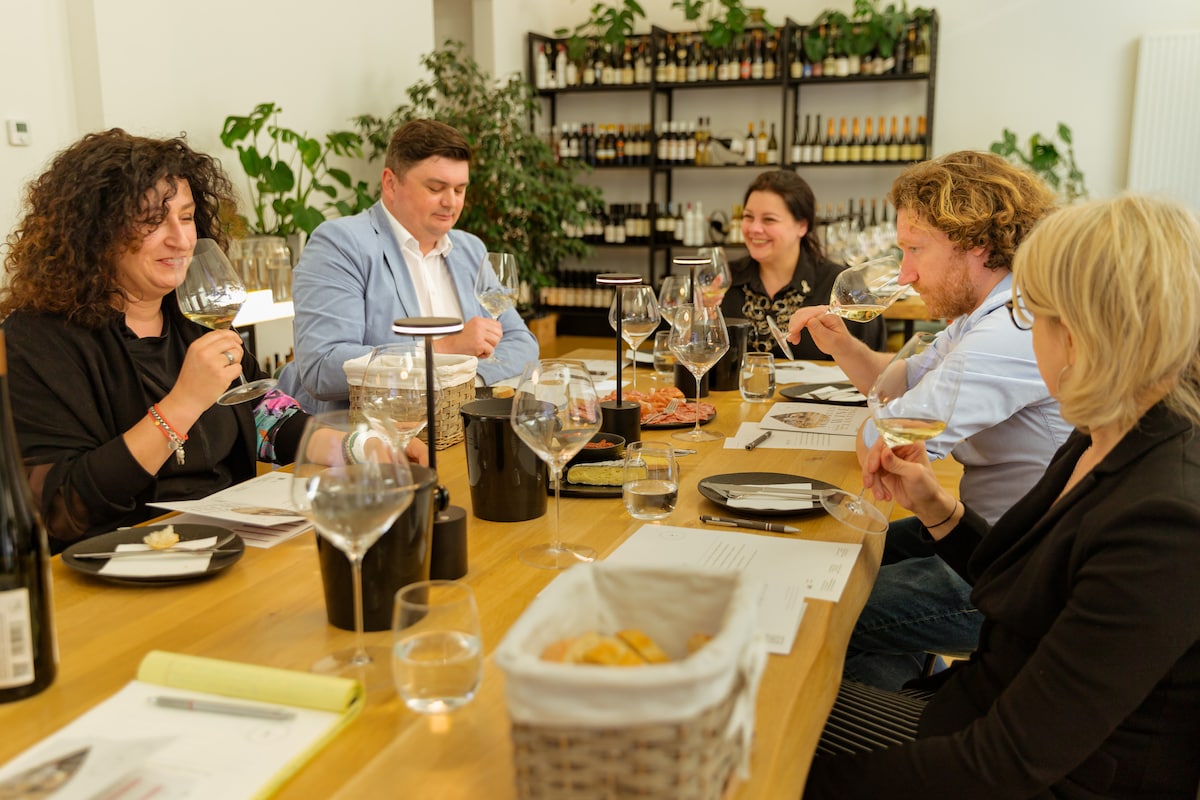
Taste Austrian wines in Vienna
Mon, Feb 9 • 5:00 PM
Vienna, Vienna 1020, Austria
View details
Nearby attractions of Secession
Johann Strauss Museum - New Dimensions
Vienna State Opera
Theater an der Wien
Schillerpark
Kunsthistorisches Museum Wien
Gemäldegalerie der Akademie der bildenden Künste
3D PicArt Museum Vienna
Burggarten
St. Charles's Church
Albertina
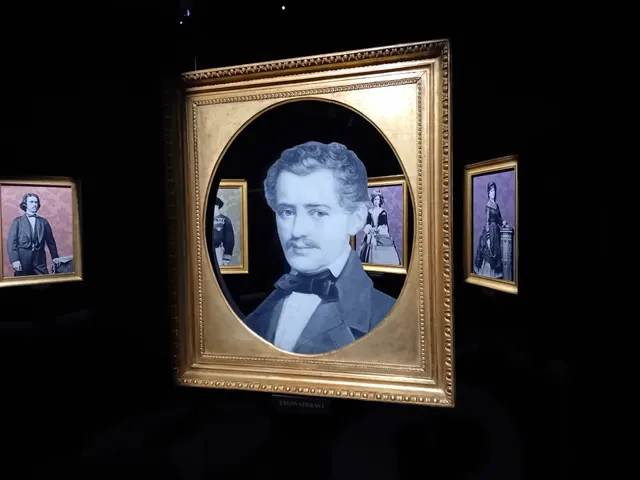
Johann Strauss Museum - New Dimensions
4.7
(322)
Open until 6:00 PM
Click for details
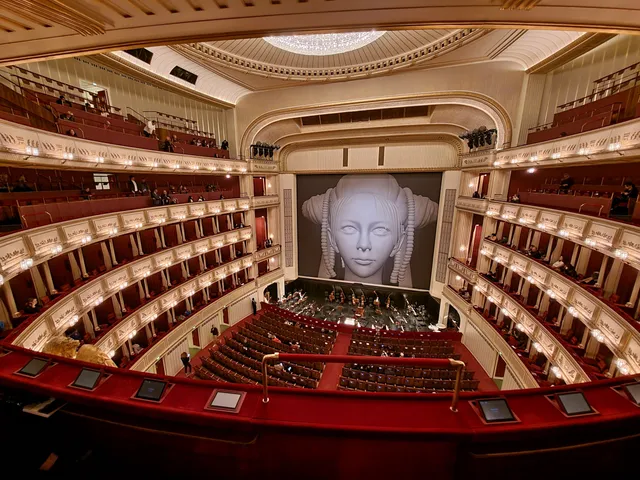
Vienna State Opera
4.7
(21.3K)
Open 24 hours
Click for details
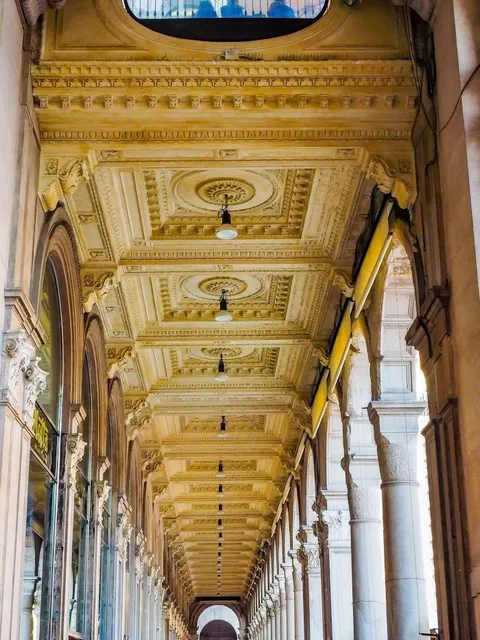
Theater an der Wien
4.7
(426)
Open 24 hours
Click for details
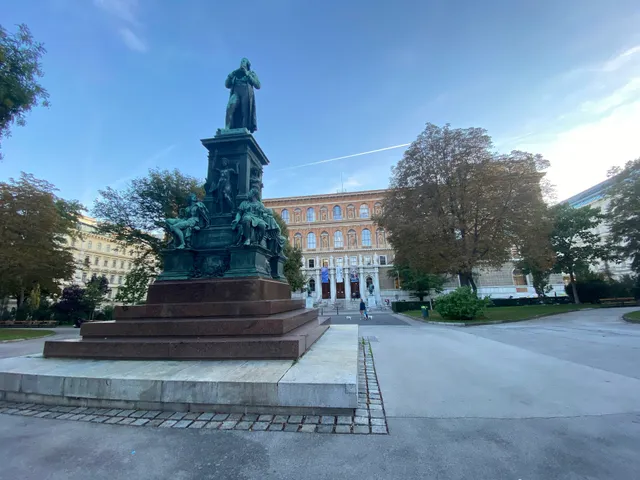
Schillerpark
4.5
(212)
Open until 12:00 AM
Click for details
Nearby restaurants of Secession
BLOCK HOUSE Am Naschmarkt
WEIN & CO Wien Naschmarkt – Weinbar & Shop
Café Museum
Umarfisch am Naschmarkt
Iris Modern Greek Restaurant
Li's Cooking
Rinderwahn at Naschmarkt
Restaurant Bier & Bierli
Hanil Sushi | Hanil Running Sushi
Schnitzel & Ribs
BLOCK HOUSE Am Naschmarkt
4.5
(1.3K)
Open until 10:00 PM
Click for details
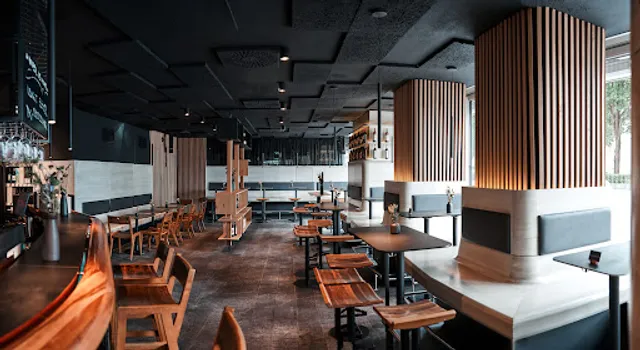
WEIN & CO Wien Naschmarkt – Weinbar & Shop
4.0
(604)
Open until 10:00 PM
Click for details
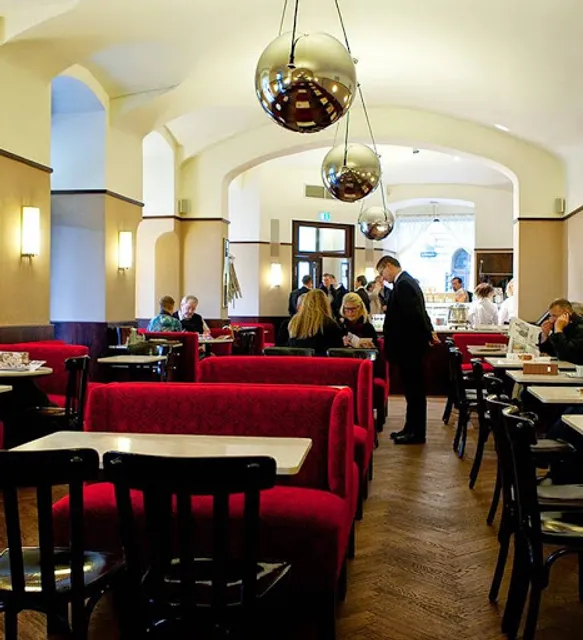
Café Museum
4.3
(2.5K)
Open until 9:00 PM
Click for details
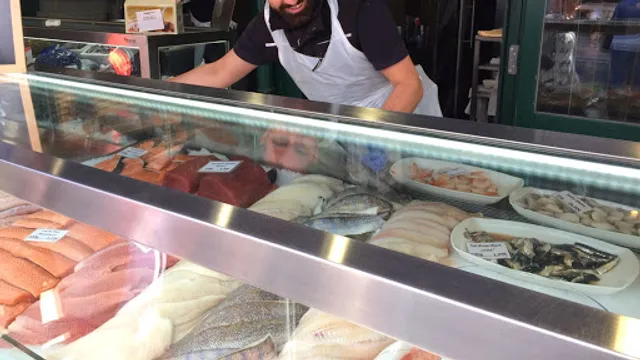
Umarfisch am Naschmarkt
4.2
(730)
$$$
Open until 12:00 AM
Click for details
Nearby local services of Secession
Schillerpark
La Stella Italienische Apericafè - Gastroshop
VPG Vienna PASS GmbH
Albertina Modern
Naschmarkt
Heidi Horten Collection
Crupi-Sizilianische Spezialitäten
Museo Etnográfico de Viena
Babenberger Passage
Wiener Mozart Konzert - Wiener Mozart Orchester
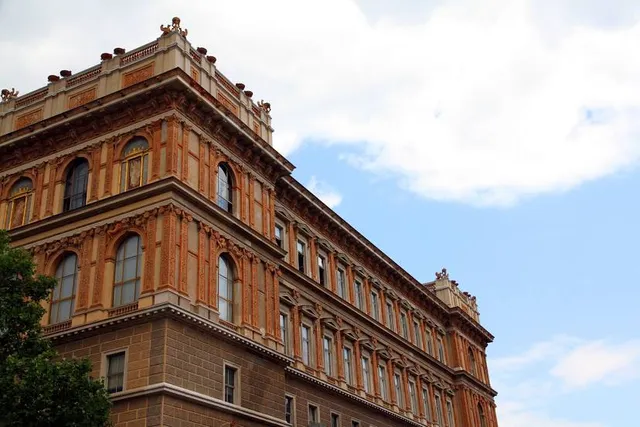
Schillerpark
4.4
(182)
Click for details

La Stella Italienische Apericafè - Gastroshop
4.6
(499)
Click for details
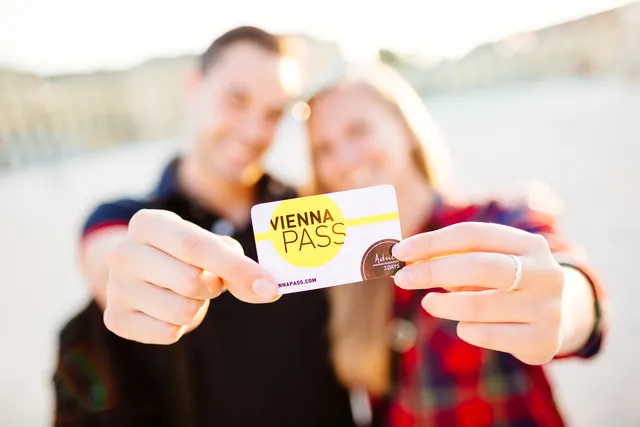
VPG Vienna PASS GmbH
4.0
(468)
Click for details
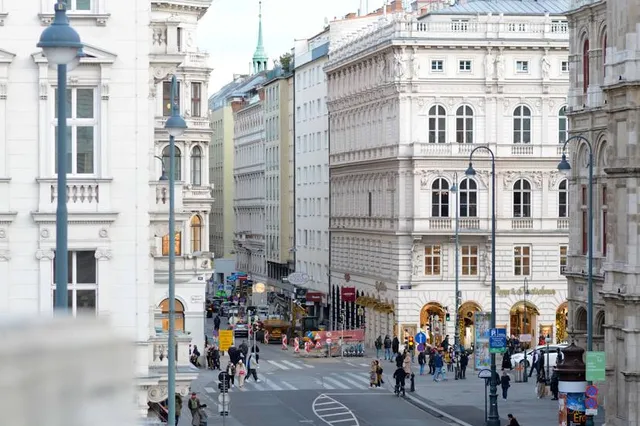
Albertina Modern
4.5
(1.5K)
Click for details